
Font size
 Worksheets
untitled
Total questions: 88
Worksheet time: 1hrs 9mins


What is the function of this system?
exchange gases with the air
breakdown molecules and absorb nutrients.
Provide support and movement for the body
Produce and secretes hormones which regulate metabolism, growth, and development.

What is the function of this system?
Control body processes
Transport nutrients
Remove waste
Produce hormones
What is the term for the smallest unit of life?
cell
tissue
organ
organ system
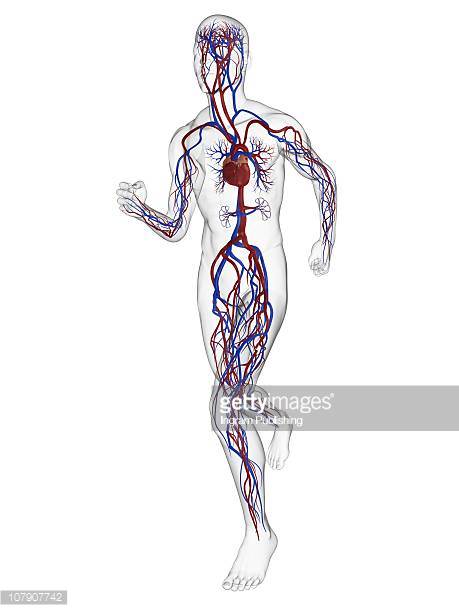
What is the main organ of the circulatory system?
small intestine
bone
lungs
heart
Your heart is about the size of your __________.
mouth
fist
show
Which organ controls our senses?
heart
brain
lungs
stomach
Which organ helps break down food?
heart
stomach
lungs
brain
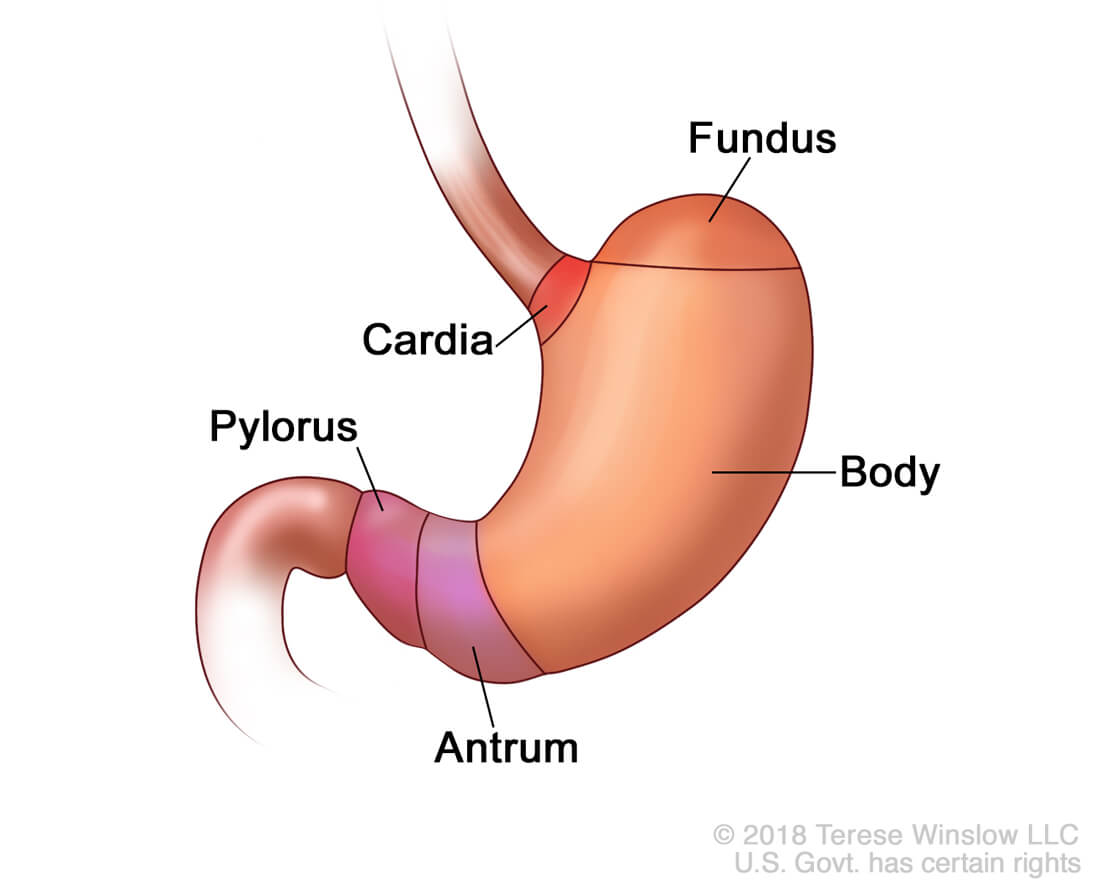
What organ is this?
heart
stomach
lungs
brain
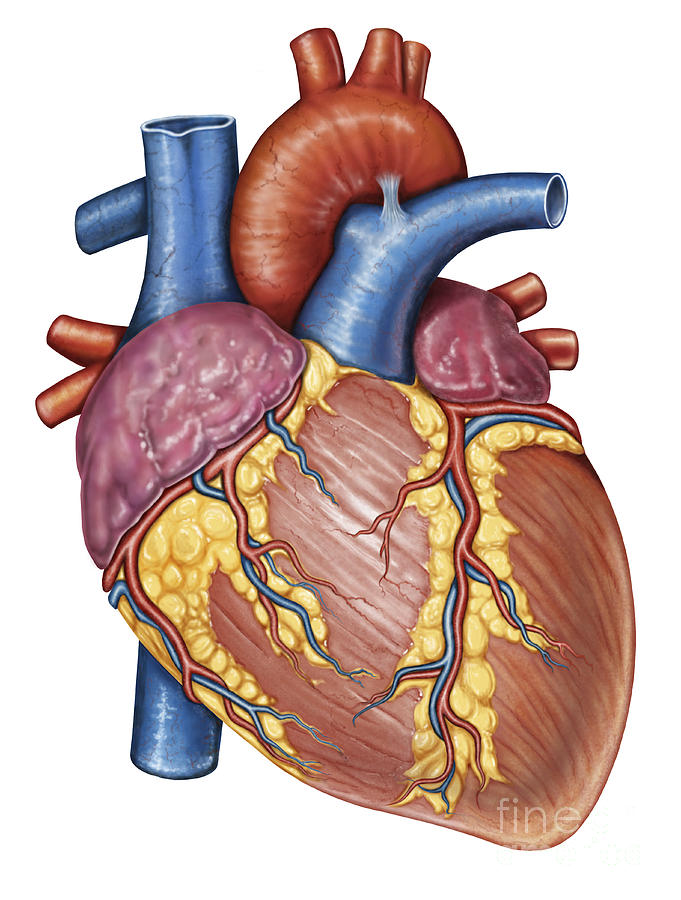
What organ is this?
heart
stomach
liver
lungs
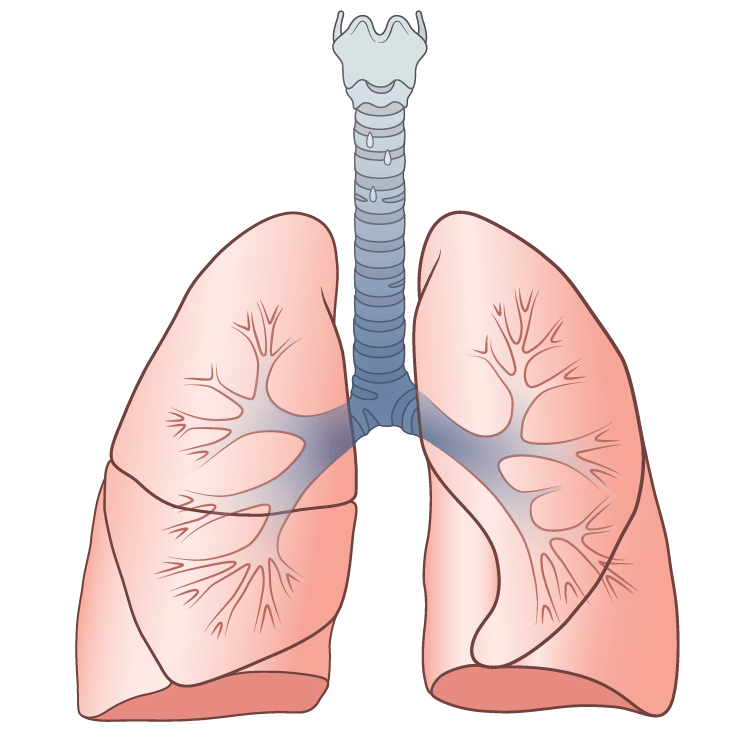
What organ is this?
heart
lungs
liver
stomach
What is happening with the molecules in the digestive system as you eat breakfast?
They are getting bigger
They are breaking down into smaller molecules
They are turning into mitochondria
They are performing cellular respiration
Where do the digestive system and circulatory system connect?
In the nucleus
In the respiratory system
In the heart
In the villi
What cells, tissues, and organs are involved in moving your arm?
Muscle cells form muscle tissues. Muscle tissues form muscles. Muscles pull on tendons to move bones
Cartilage connects muscles to bones. Muscle tissues make muscle cells
Muscles form muscle tissues. Muscle tissues make up muscle cells.
Why does your brain need more glucose and oxygen than other parts of your body?
It performs cellular respiration
It controls your villi
It makes ATP
It controls all of your systems and decisions
Hypothalamus, pancreas, thyroid, adrenal gland are part of what system?
Digestive
Spinal
Endocrine
Excretory
This organ's main function is to filter waste out of the blood, it is called the (a)
The purpose of the respiratory system is two take in carbon dioxide and release oxygen?
true
false
The primary function of the skeletal system is to ____ the body.
protect
support
grow
strengthen
The brain is apart of the ______ system.
thought
intelligence
nervous
spatial
Which of the following is NOT a function of the skeletal system?
providing shape and support for the body
obtaining oxygen
protecting internal organs
producing blood cells
Carbon dioxide leaves the body through the respiratory system
True
False
Brain, nerves, and spinal cord are organs that are part of which body system?
Nervous
Circulatory
Endocrine
Muscular

This image shows which body system?
Respiratory
Endocrine
Digestive
Endocrine
What body system uses hormones to communicate with the body
Circulatory
Respiratory
Endocrine
Excretory
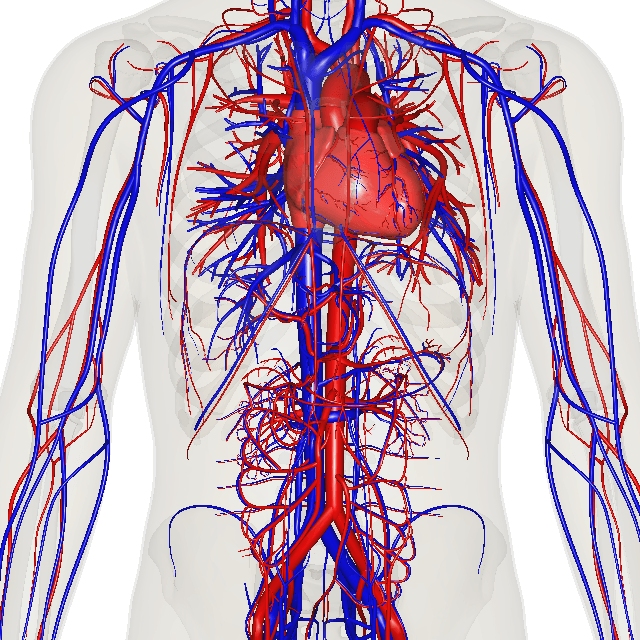

The protective covering of the body.
respiratory system
cardiovascular system
integumentary system
endocrine system

Gathers oxygen from the environment and gets rid of carbon dioxide from the body.
cardiovascular system
respiratory system
endocrine system
lymphatic system

Supports the body and protects important organs.
skeletal system
muscular system
nervous system
digestive system

Allows movement of body parts.
skeletal system
digestive system
excretory system
muscular system

Breaks down food into nutrients that can be used by the body.
excretory system
cardiovascular system
digestive system
nervous sytem

Moves blood through the body.
cardiovascular system
skeletal system
muscular system
nervous system

Responds to sensory information by transmitting signals to and from different parts of the body.
lymphatic system
endocrine system
cardiovascular system
nervous system

Removes wastes from blood.
excretory system
lymphatic system
endocrine system
digestive system
What is happening with the molecules in the digestive system as you eat breakfast?
They are getting bigger
They are breaking down into smaller molecules
They are turning into mitochondria
They are performing cellular respiration
Where do the digestive system and circulatory system connect?
In the nucleus
In the respiratory system
In the heart
In the villi
Molecules break down in the
(a)
What process in your cells makes energy for your body? What are the inputs and outputs?
The (a) make energy for your body
What three body systems work together to help you hike to the top of a hill?
digestive
respiratory
circulatory
musculoskeletal
nervous
circulatory
How do tendons, muscles, and bones work together to move your body?
What cells, tissues, and organs are involved in moving your arm?
Muscle cells form muscle tissues. Muscle tissues form muscles. Muscles pull on tendons to move bones
Cartilage connects muscles to bones. Muscle tissues make muscle cells
Muscles form muscle tissues. Muscle tissues make up muscle cells.
What are three types of tissues that make up bones?
(a) controls voluntary movements of the musculoskeletal system.
The brain controls (a) movements like your heart beating and breathing.
Why does your brain need more glucose and oxygen than other parts of your body?
It performs cellular respiration
It controls your villi
It makes ATP
It controls all of your systems and decisions
What systems work together while you sleep?
all of them
None
digestive and musculoskeletal
respiratory and circulatory
What is the path the circulatory system takes through the heart and lungs to get oxygen throughout your body?
heart--body--heart
lungs--heart--body--heart--lungs
body--lungs--heart
heart--lungs--heart--body--lungs
What is happening with the molecules in the digestive system as you eat breakfast?
They are getting bigger
They are breaking down into smaller molecules
They are turning into mitochondria
They are performing cellular respiration
Where do the digestive system and circulatory system connect?
In the nucleus
In the respiratory system
In the heart
In the villi
Molecules break down in the
(a)
What process in your cells makes energy for your body? What are the inputs and outputs?
The (a) make energy for your body
What three body systems work together to help you hike to the top of a hill?
digestive
respiratory
circulatory
musculoskeletal
nervous
circulatory
How do tendons, muscles, and bones work together to move your body?
What cells, tissues, and organs are involved in moving your arm?
Muscle cells form muscle tissues. Muscle tissues form muscles. Muscles pull on tendons to move bones
Cartilage connects muscles to bones. Muscle tissues make muscle cells
Muscles form muscle tissues. Muscle tissues make up muscle cells.
What are three types of tissues that make up bones?
(a) controls voluntary movements of the musculoskeletal system.
The brain controls (a) movements like your heart beating and breathing.
Why does your brain need more glucose and oxygen than other parts of your body?
It performs cellular respiration
It controls your villi
It makes ATP
It controls all of your systems and decisions
What systems work together while you sleep?
all of them
None
digestive and musculoskeletal
respiratory and circulatory
What is the path the circulatory system takes through the heart and lungs to get oxygen throughout your body?
heart--body--heart
lungs--heart--body--heart--lungs
body--lungs--heart
heart--lungs--heart--body--lungs
What is happening with the molecules in the digestive system as you eat breakfast?
They are getting bigger
They are breaking down into smaller molecules
They are turning into mitochondria
They are performing cellular respiration
Where do the digestive system and circulatory system connect?
In the nucleus
In the respiratory system
In the heart
In the villi
Molecules break down in the
(a)
What process in your cells makes energy for your body? What are the inputs and outputs?
The (a) make energy for your body
What three body systems work together to help you hike to the top of a hill?
digestive
respiratory
circulatory
musculoskeletal
nervous
circulatory
How do tendons, muscles, and bones work together to move your body?
What cells, tissues, and organs are involved in moving your arm?
Muscle cells form muscle tissues. Muscle tissues form muscles. Muscles pull on tendons to move bones
Cartilage connects muscles to bones. Muscle tissues make muscle cells
Muscles form muscle tissues. Muscle tissues make up muscle cells.
What are three types of tissues that make up bones?
(a) controls voluntary movements of the musculoskeletal system.
The brain controls (a) movements like your heart beating and breathing.
Why does your brain need more glucose and oxygen than other parts of your body?
It performs cellular respiration
It controls your villi
It makes ATP
It controls all of your systems and decisions
What systems work together while you sleep?
all of them
None
digestive and musculoskeletal
respiratory and circulatory
What is the path the circulatory system takes through the heart and lungs to get oxygen throughout your body?
heart--body--heart
lungs--heart--body--heart--lungs
body--lungs--heart
heart--lungs--heart--body--lungs

