
 Worksheets
G3 Summative Quiz
Total questions: 30
Worksheet time: 15mins
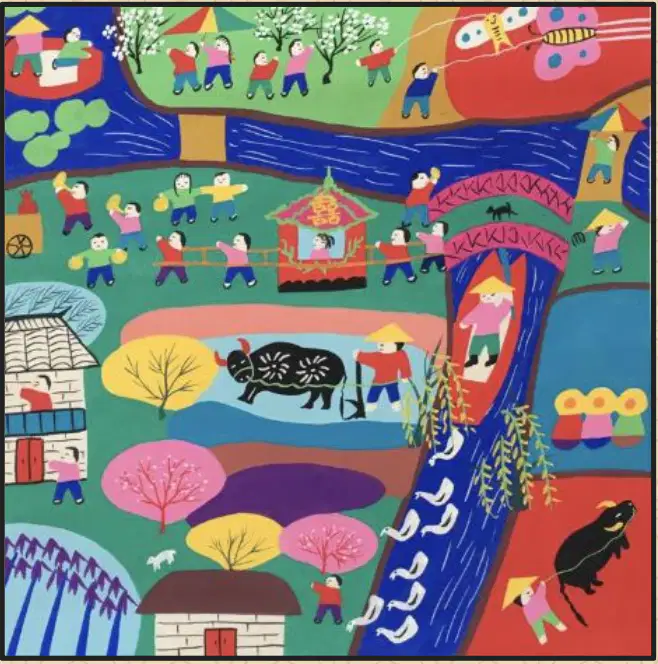
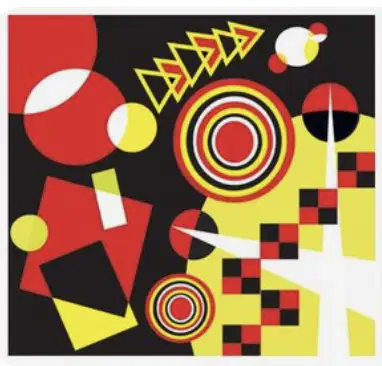
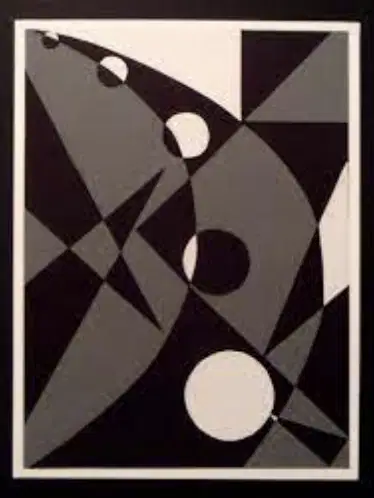
What style of art is this?
Abstract Art
Observational Drawing
Folk Art
Cubism
What is folk art?
It is a realistic painting of people.
It is a form of art that tells a story about the people of a specific culture or country.
It is a black and white collage.
It is a drawing that includes people and animals.
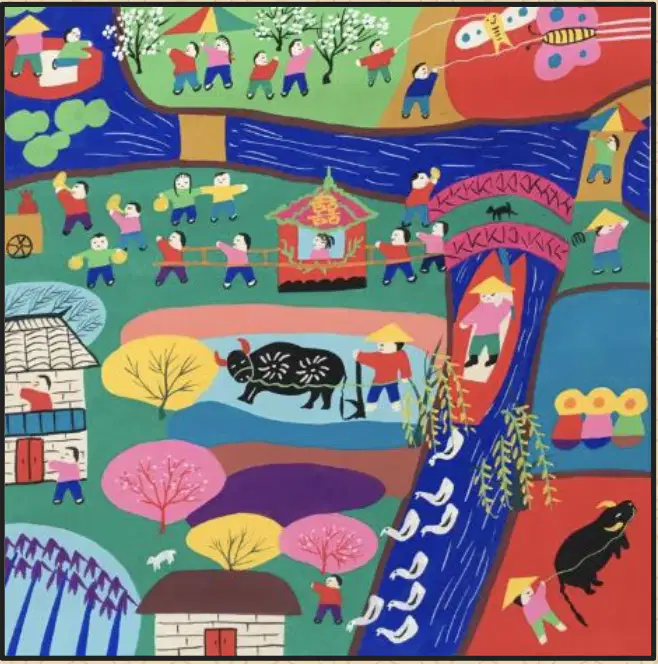
What is a characteristic of folk art?
It is colorful.
It has people doing things in daily life.
It has symbols from their culture.
All of the above.
What is a collage?
An artwork that is cut and glued together.
An artwork that is sculpted with clay.
An artwork that is drawn with a pencil.
An artwork that is painted with paints.
What is one way we can use space effectively?
Use several different colors and patterns.
Include people and symbols of their culture.
Fill up the space by using the foreground, midground and background
Cross-hatch texture in your design.
How can we use variety in our artwork?
Use different colors. and patterns
Use different shapes and objects.
Use different lines.
All of the above.
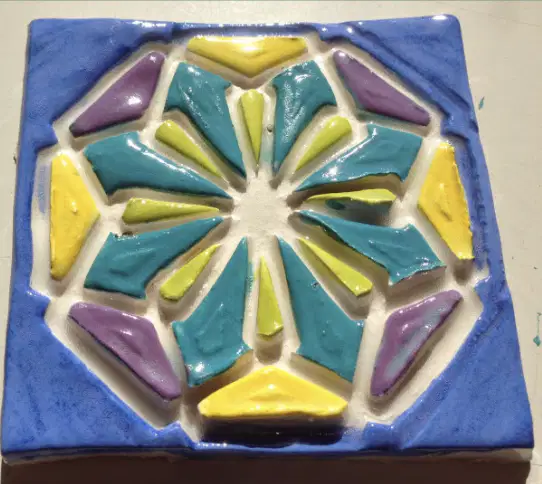
What kind of art does this represent?
A painting.
A sculpture made from clay.
A collage.
A print.
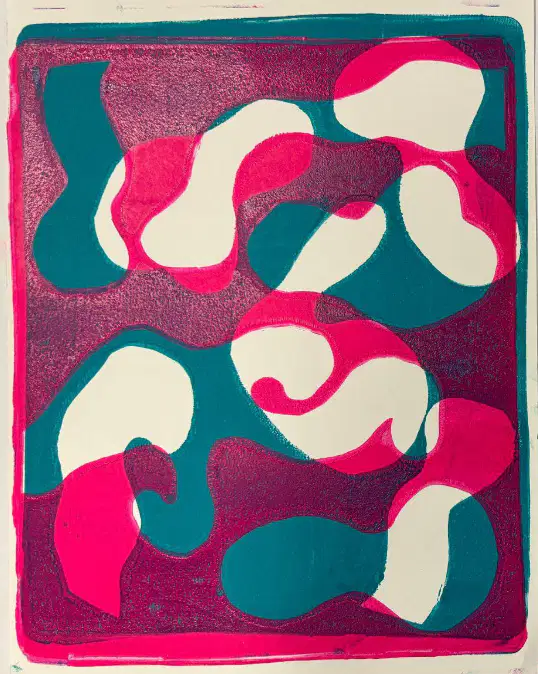
What kind of art does this represent?
A painting.
A collage.
A print.
A sculpture.
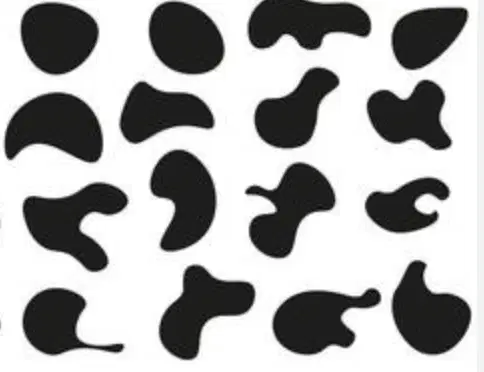
Shapes that have no definite shape are known as?
Organic shapes
Geometric shapes
Forms
None of the above
Which element of art includes the concept of overlapping, size, and placement?
Form
Line
Color
Space

The contrasting color of Blue Violet is?
Violet
Red Orange
Blue
Yellow Orange

The analogous colors of Blue Green are?
Green and Violet
Green and Blue
Red and Orange
Yellow and Green
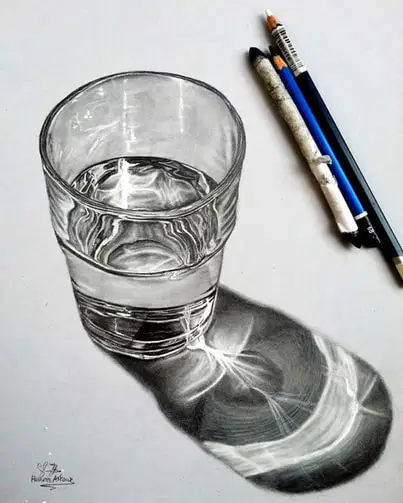
Observational drawing helps with the following:
Value shading techniques
Adding colors to backgrounds.
Helps you to draw what you see vs what you think you see.
Including lots of variety in your artwork.
What tools do you need to make a gelli print?
Gelli plate
Ink & Brayer
Paper
All of the above.
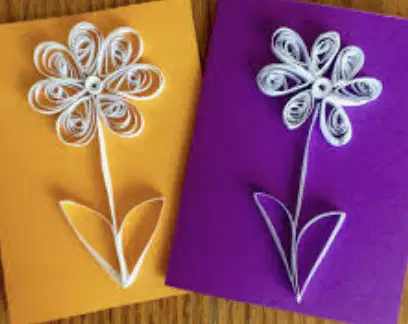
What is a form of paper art where papers are rolled, shaped, and then arranged in a group to create an artwork?
Twilling
Quilling
Origami
Kirigami
Which tools do we need to make a collage?
Paintbrushes, paint and a canvas.
Scissors, paper and glue.
Clay, slip and sculpting tools.
Gelli plate, brayer and ink.
What is a design that repeats itself called?
Pattern
Texture
Pictogram
Symmetry
Which one is a symmetrical design?
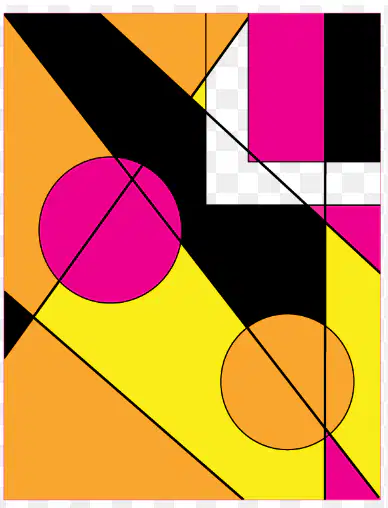
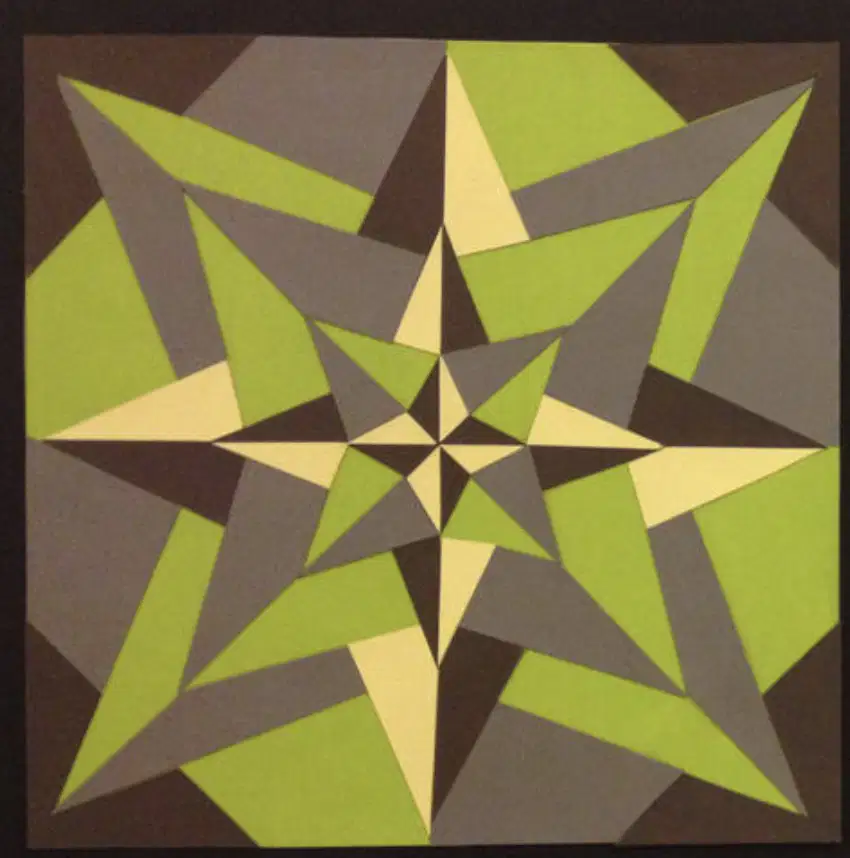
What is the definition of texture?
A three dimensional shape.
The feeling or the appearance of how something feels.
A drawing technique used to apply form .
A two dimensional form.
What is the technique of scratching the edges of the clay to join two parts securely called?
wedging
scoring
glazing
molding

What are the 3 primary colors
Red, Blue, Purple
Green, Orange, Purple
Red, Blue, Yellow
Black, Grey, White
What are the 3 secondary Colors
Green, Orange, Purple
Orange, Red, Yellow
Purple, Red, Blue
Green, Blue, Yellow


When the light source shines on an object it creates?
More color
Value
Highlight
Monochrome

What is the technique that you used to create value for the seedpods?
Hatching
Cross-hatching
Scumbling
Blending
What is the meaning of Value?
A gradient from light to dark.
When a colour changes from a primary colour to a secondary colour.
When colours are mixed together.
When colours are used to create emotions .
What is the "glue" we use to stick clay toogether?
Where is clay heated to become hard?
What is "glaze" for clay?
The shiny, colorful coating you add to color it.
The molding clay.
The slip.
The kiln.

