
 Worksheets
OC - United States History - Final Exam - Spring 2024
Total questions: 120
Worksheet time: 1hrs 9mins
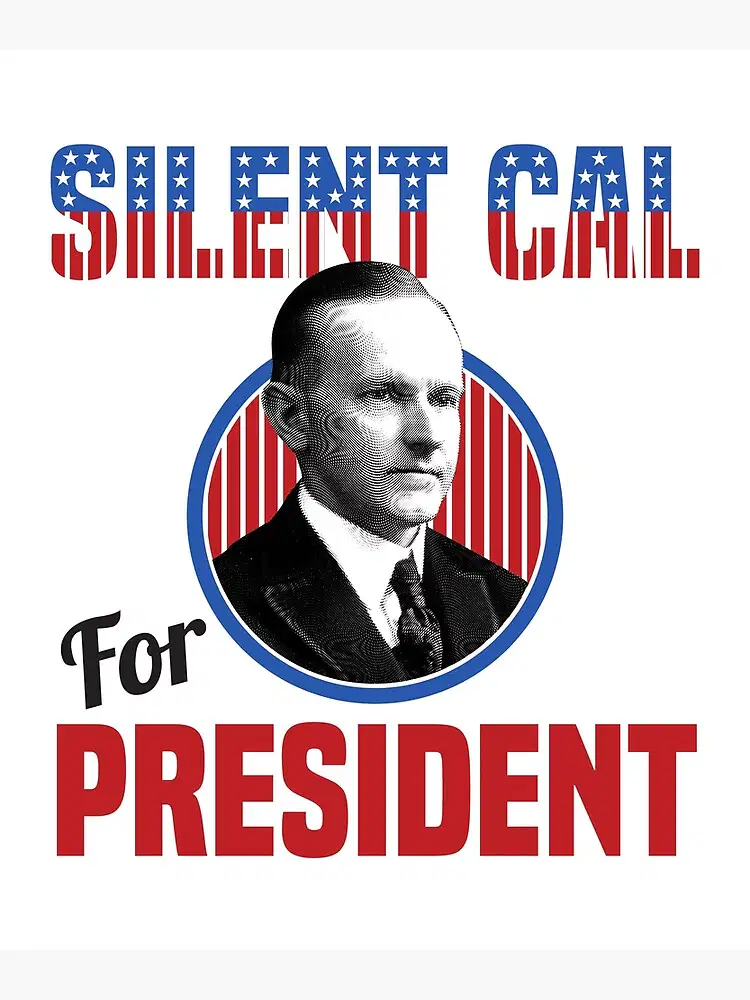
What was Coolidge's approach to leadership?
Do more than others
Follow the great 'refrainers' rule (avoid taking action unless obviously necessary)
Embrace progressive movements
Increase government intervention

What was the economic result of Coolidge's presidency?
High unemployment and a "Bust Economy"
Increased federal budget
Low taxes, low unemployment, and a "Boom Economy"
Nationalization of industries

In which American city was Jazz music born due to its diversity (Black, White, Creole) and location (Mississippi River, Gulf of Mexico) where various existing music genres could come together in a new one?
New York City
Los Angeles
New Orleans
Miami

How did Prohibition change life in the United States?
children stopped drinking alcohol
African Americans moved north
Women gained their independence
Organized Crime increased because of illegal alcohol sales

What happened on "Black Tuesday", October 29, 1929 that created the "spark" for the Great Depression?
Stock Market Crash
Hitler invades Poland
Riots break out across America due to poverty
Banks begin failing and taking money from Americans

Which of the following was NOT a cause of the Great Depression?
Unequal distribution of wealth led to underconsumption by lower classes
Easy Credit led to high average debts for Americans
Speculation creating a vulnerable stock market
World War 1 created a major debt for the U.S. and paying it back made it vulnerable
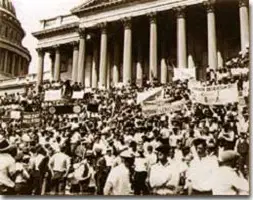
What does the "Bonus" in the Bonus Army Marches mean and why were they protesting.?
Soldiers who felt Wilson's 14th Point was a "Bonus" and protested the Senate to join the League of Nations.
Americans who felt it was "bonus" that Germany was made to pay reparations protesting for that money to go to the peopl.
Farmers who were calling for a "bonus" for the food they produce protesting the President to pay them.
World War 1 Veterans were promised a "bonus" check for their service to be paid in the 1940s protesting to get the money in 1932 to help with the Depression.
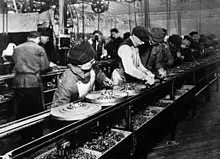
The ___________ _________ allowed Henry Ford to get more production done in a shorter work day.
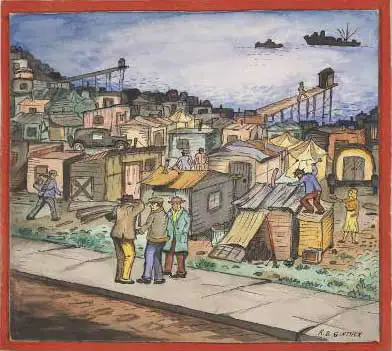
Which President had the misfortune of having shantytowns, tent cities, and encampments for the homeless named after him? (Hint: _______villes)
Hoover
Roosevelt
Harding
Lincoln

Which industries were FIRST to fail or be the most dramatically impacted when the Great Depression began?
Oil industry
Banks (Financial Industry)
Food industry
Automobile Industry
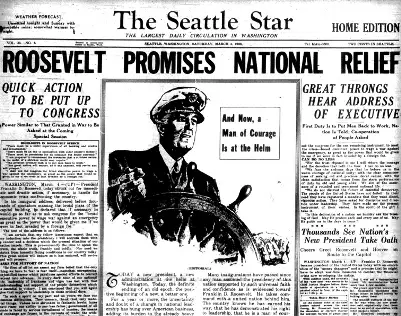
Which of the following was NOT a contributing factor to FDR winning in 1932?
Unemployment rate of 25%
Widespread hunger
Hoover's handling of the Bonus Marchers
The rise of Adolf Hitler in Germany
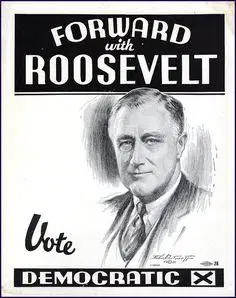
Which of the following was NOT accurate concerning FDR when he was first elected President in 1932?
He had resurrected his political career by successfully managing the devastating disease of Polio.
He came from a well-known American family (including a cousin who had been a popular President)
In his first campaign for President, he ran on the slogan "a New Deal for America"
He became the FOURTH Republican President in a row.
The CCC (Civilian Conservation Corps) included numerous LARGE projects over the entire United States to help with caring and managing land and improving it for all Americans to enjoy. It's MAIN PURPOSE was...
to provide jobs
to create more national parks
to save the planet from climate change
conserving natural habitats to prevent species from becoming extinct

Which of the following was a MAJOR strategy of FDR's New Deal?
While people were in desperation due to the Great Depression, these government programs would bring order and beauty to the infrastructure.
Use tax dollars to build up the U.S. military so we could be the strongest nation on Earth.
Use tax dollars to fund massive projects that will build up the infrastructure of America to modernize it WHILE providing millions of jobs.
Cut taxes for Americans and encourage private companies to use the extra money to create more jobs for Americans.

FDR was different from Hoover in advocating for _____________ to be the most used tool to solve the Great Depression?
State Governments
The National (Federal) Government
Volunteerism (Americans helping Americans)
Local Governments (counties or cities)
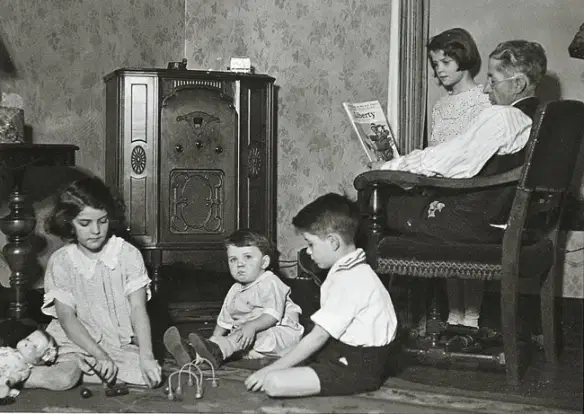
What were the Fireside Chats
Meetings FDR held with top government officials to figure out how to deal with the Great Depression
Meetings with world leaders to get ideas of how to deal with the Great Depression
Townhall Meetings in which FDR traveled the country to explain to Americans how he planned to fix things
Radio broadcasts in which he soothed Americans' anxieties about the Great Depression.
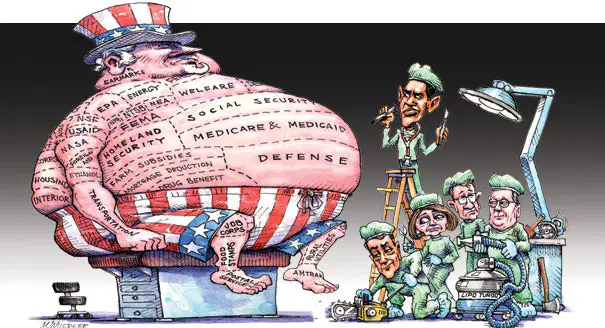
What does it mean that the New Deal created a BIG government, unprecedented in the nation's history?
The FEDERAL government became more active in the lives of Americans by creating more government jobs and welfare programs.
The state governments begin to do more to be involved in their local citizens' lives.
The size of the military was increased dramatically in order to put people to work.

The TVA (Tennessee Valley Authority) focused on bringing electricity to parts of the country that did not have it, BUT its primary goal was...
To provide jobs
build the infrastructure so our military could better protect us
to get the voters of Tennessee to back FDR for the next election
help the electricity providers (businesses)

What was the second New Deal program created by FDR that serves as a sort of "retirement" program for elderly Americans financed through taxes?
Social Security
Works Progress
Retirement Welfare
Retirement Investment Program
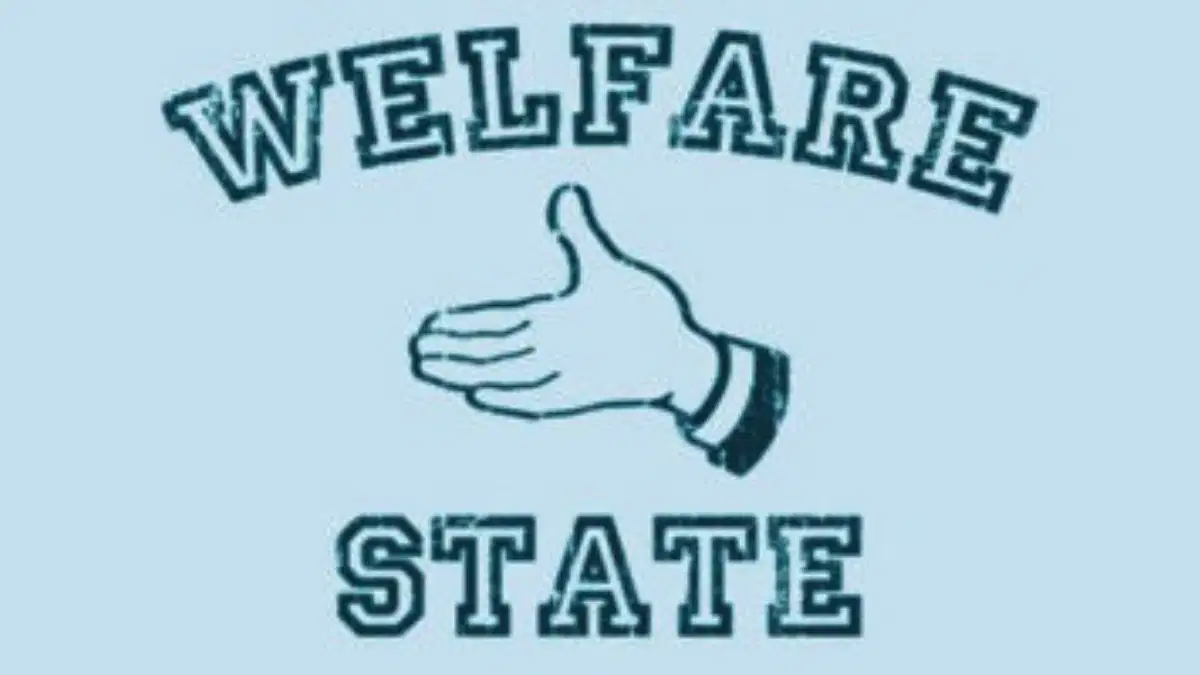
Which of the following best describes a "Welfare State"?
The Federal Government becomes responsible for the welfare of those in need (as opposed to state governments and private citizens)
All the people in the nation are entitled to checks (income) every month.
The Federal Government passes laws that forces businesses to pay their employees more $

When the Supreme Court rejected some of FDR's New Deal programs as unconstitutional, what was FDR's strategy to fight back against the court?
Befriend the current Justices of the Supreme Court
Offer to give a wage raise to the Justices of the Supreme Court
Threaten to "pack" the court (add the # of judges to the Court) with Justices who agreed with him.
Patiently wait until an opening on the Supreme Court came up and replace with a pro-New Deal Justice.

What was the purpose of the League of Nations according to Woodrow Wilson?
To punish Germany
To redraw the borders of Europe
To prevent future war
To expand the empires
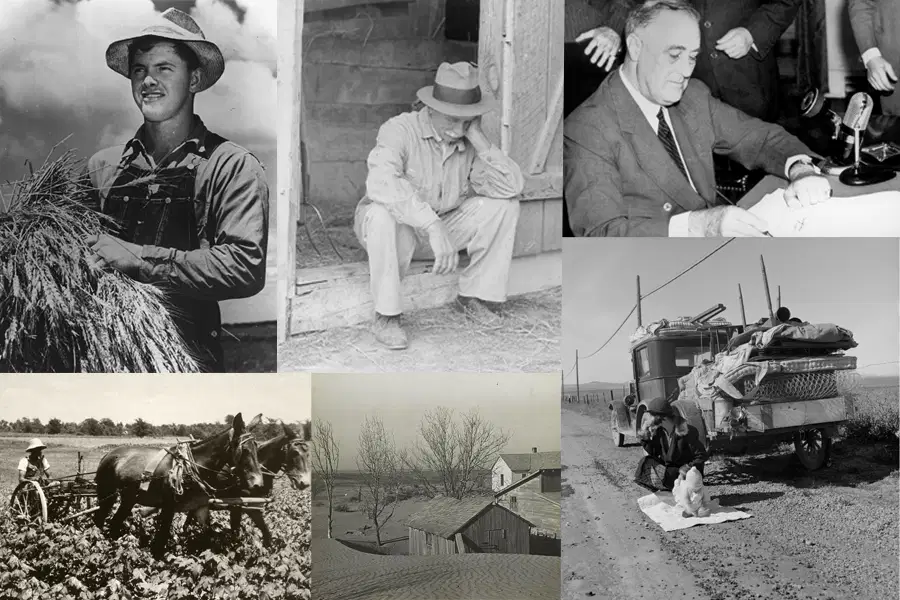
Which of the following is NOT true concerning farmers during the Great Depression?
Many experienced a devastating drought
Commodity prices fell (meaning they could not make enough money from their crops and livestock)
Many were forced out of farming.
They selfishly held on to surplus food for themselves and to sell on the "black market"
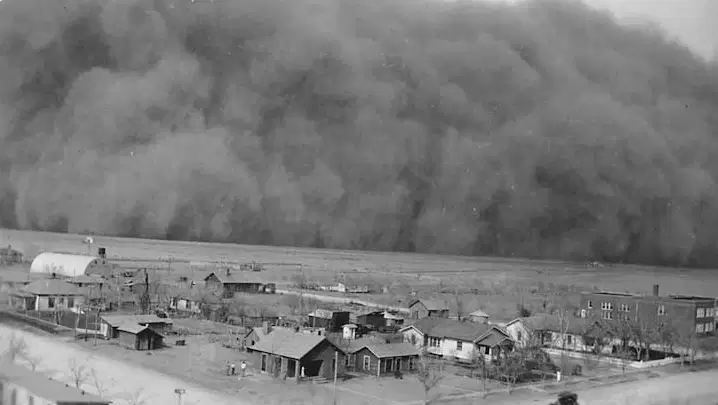
The devastating weather phenomenon that was called the "Dust Bowl" combined wind storms, eroding topsoil and other conditions detrimental to farming hit what region of the United States during the Great Depression?
East Coast
Deep South
Great Plains
Upper Midwest
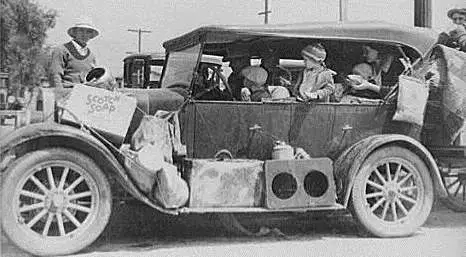
The Dust Bowl created a massive migration of families from midwestern farming states to California and the West Coast during the Great Depression. What were these migrants often called?
Okies
Hobos
Migrants
Desperados
While the New Deal failed to stop the Great Depression, what EVENT ultimately pulled the U.S. out of the Great Depression?
World War 1
World War 2
The Roaring Twenties
The creation of the Nuclear Bomb
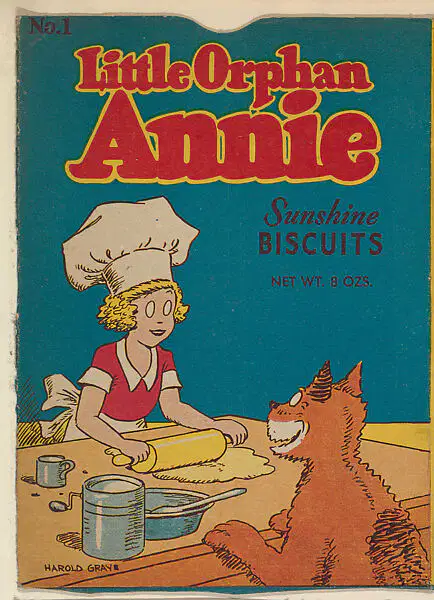
The most popular "shows" of the 1930s included "Little Orphan Annie", "the Shadow", and "The War of the Worlds". Because of the Great Depression and its hard times, WHERE and HOW would Americans consume these shows?
Local theaters (as a movie)
Television episodes (on TV in their homes)
Radio Programs (on radio in their homes)
On stage (at a local community theatre)
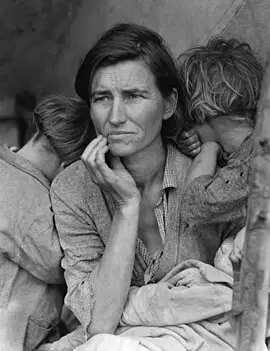
One of the most famous pictures in American history entitled, "Migrant Mother" (taken during the Great Depression). Who took this famous photo?
A photographer working for the "New York Times" newspaper.
A family member of this migrant family who shared the photo with John Steinbeck (a famous 1930s author)
A photographer hired by the U.S. Government as part of FDR's New Deal programs for artists.
A famous French photographer who traveled to America during the Great Depression as part of a photo book he was working on.

Many of the 'Superhero' genre of movies originated as ___________ (a very popular form of entertainment in the 1930s).
Animated (cartoon) Movies
Literature written by famous authors like Hemingway and Steinbeck
Television shows sponsored by FDR's Federal arts project of the New Deal
Comics or comic strips found in newspapers or comic books.
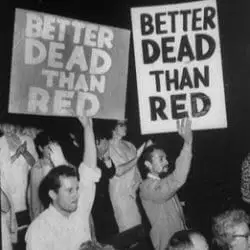
What do we call the policy of "controlling the spread of communism" throughout the world?
domino theory
Red Scare
containment
appeasement

What were Jim Crow laws?
Laws that legalised slavery
Laws that legalized segregation
Laws that prohibited African Americans from leaving the country
Laws that denied African Americans an education

The birth of the largest generation of Americans born between 1946 & 1955 was called the
Hippie Generation
Gen X
Millenials
Baby Boom
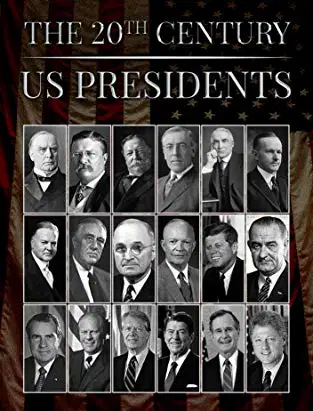
President of the US during most of the 1950s (1952-1960)
Richard Nixon
Franklin Roosevelt
Harry Truman
Dwight Eisenhower


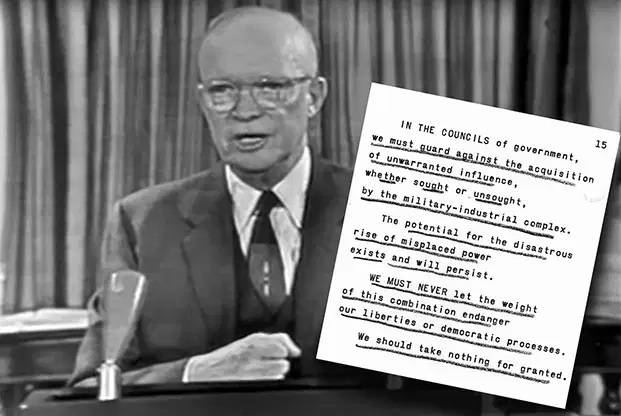
What was the "danger" Eisenhower warned against concering the "Military-Industrial Complex"?
They had to be monitored or they might sell nuclear secrets to the Soviets.
The relationship between "war" industries and the government could lead to continuous wars for all the wrong reasons.
The complexity of the military was creating an unsafe environment for Americans.
Big corporations were bad for America as they drove up prices on consumers.

Why did Eisenhower need the military to help the "Little Rock Nine"?
They were veterans and the school would not let them in out of protest for the Vietnam War.
The state of Arkansas was refusing to abide by integration of blacks and whites in public schools.
He did not need them, it was propaganda to bring sympathy to the Civil Rights Movement.
MLK and his followers had threatened to terrorize the high school in Little Rock.
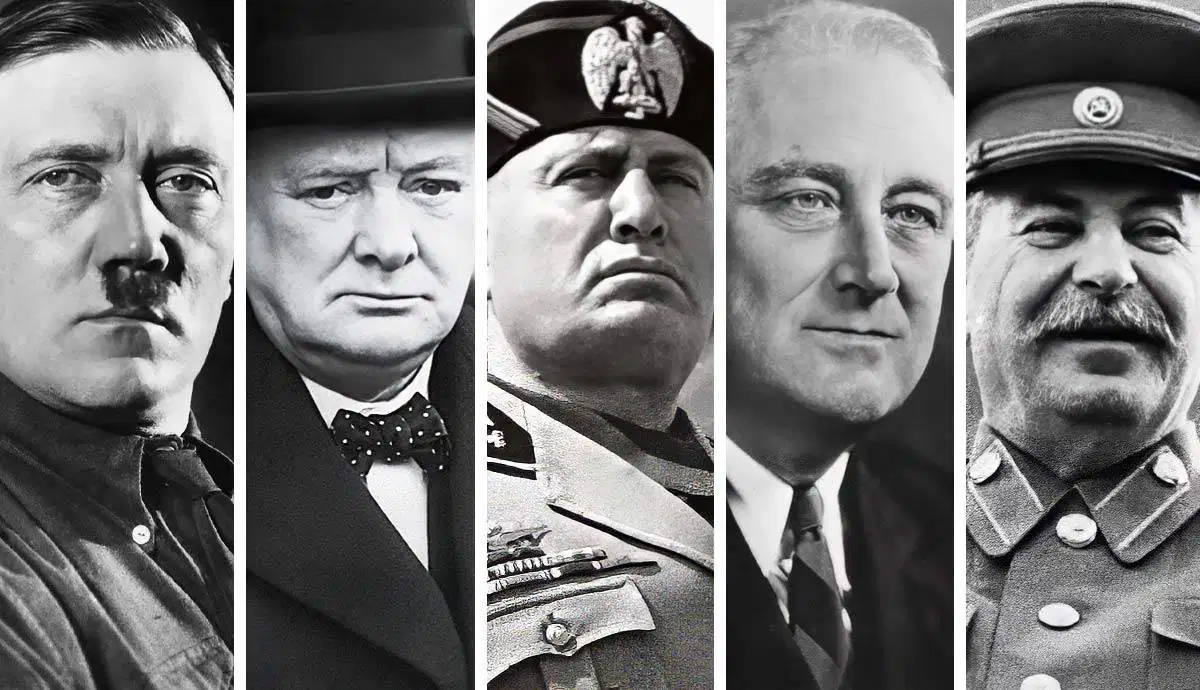
Which important WW2 leader helped save western civilization from Nazi control by living up to his promise that his nation would, "...NEVER surrender"?
FDR
Truman
Churchill
Stalin

What was the result of the Korean War in the early 1950s?
Korea became fully Communist
Korea became fully Capitalist
Korea became part of China
Korea was split North and South, Communist and Capitalist.
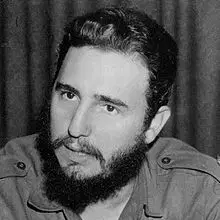
Who was Fidel Castro?
First Latino in Major League Baseball in America
Ally of the United States who led Cuba's forces against Communists.
American enemy, leader of Communists in Cuba who succesfully took over the country in the 1950s
First Latino Senator to be elected in the United States (during the 1950s)

Which Cold War Superpower was the FIRST to get nuclear weapons?
United States
Soviet Union
What was a major factor in the creation of teenage culture in the post-war period?
Growth of suburban life
Decrease in educational standards
Reduction in media consumption
Increase in agricultural jobs
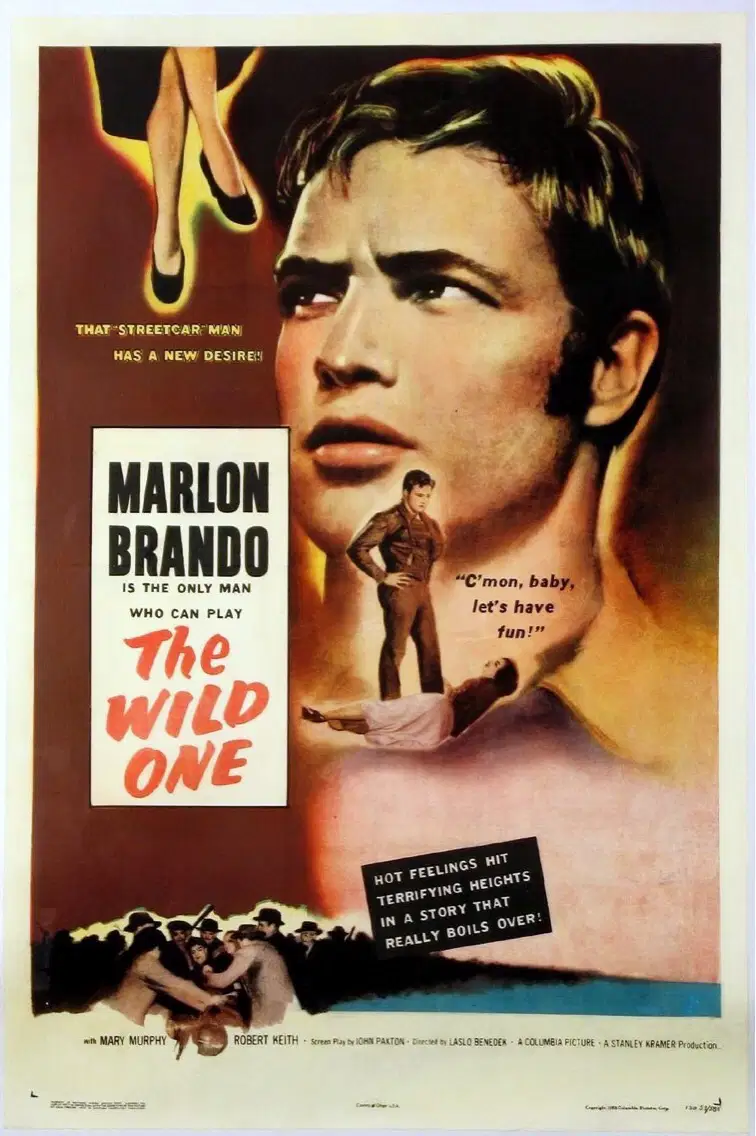
What did the 1953 films 'Rebel Without a Cause' and 'The Wild One' famously depict?
The life of a soldier
Teenage rebellion
Corporate America
Historical events of the 1800s

The rise of teenage culture in America in the 1950s led to what "deep" question that historians still ask today?
Did it occur organically (or naturally) from circumstances of the time or was it influenced by the manufactured marketing of teens in America?
What came first the teenager or the adult?
Did it occur because teenagers were rebellious from the previous wars or because they were spoiled from their parents' growing wealth.
Are teens really "without a cause" or are they naturally politically interested in society?
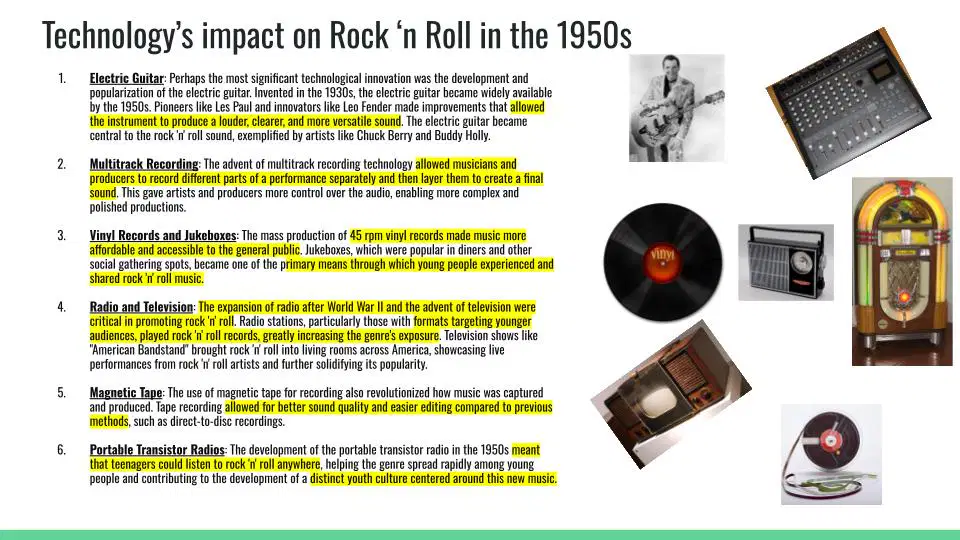
How did the expansion of radio and television after World War II impact rock 'n' roll?
It decreased the genre's exposure.
It was critical in promoting rock 'n' roll to younger audiences.
It led to the production of less rock 'n' roll music.
It made rock 'n' roll music less popular.
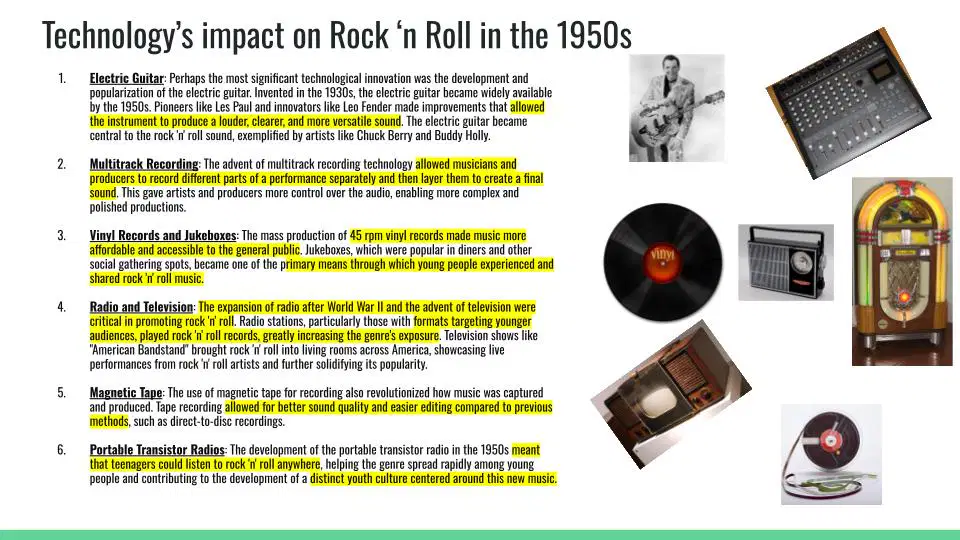
What was the impact of portable transistor radios on the rock 'n' roll music scene in the 1950s?
They made it difficult for teenagers to listen to rock 'n' roll.
They were too expensive for the general public.
They allowed teenagers to listen to rock 'n' roll anywhere.
They reduced the quality of rock 'n' roll music.

What was one of the social impacts of rock 'n roll music in the 1950s?
It promoted conformity to existing cultural norms.
It helped define a distinct youth identity.
It discouraged teenage independence.
It had no significant impact on culture.
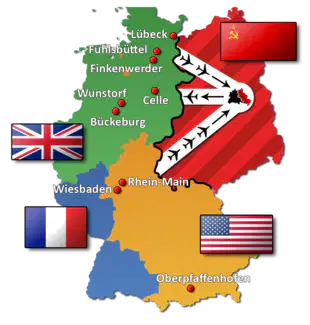

What is it called when the government tries to control public opinion?
Politics
Propaganda
Civil rights
Control
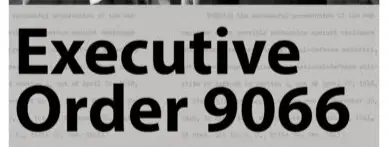
What ethnic group was rounded up and put in camps on the American west coast by Executive Order 9066?
German-Americans
Itallian-Americans
Russian-Americans
Japanese-Americans

What is an Executive Order (in the American Government)? (NOTE: multiple choices are correct.)
An act by the President alone (Congress does NOT have a role)
An order by the President that has the same effect of a law;
Gives the President the power to do something WITHOUT the checks and balances of Congress.
While Congress can vote to BLOCK and executive order, it is rare because the President can VETO the block.
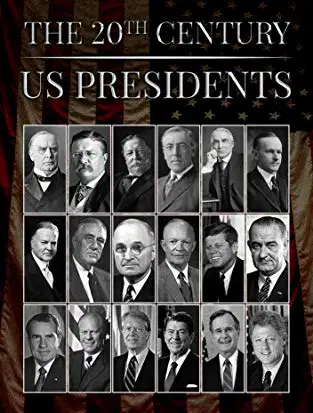

What was the major reason for U.S. neutrality in the 1930's?
The U.S. didn't care.
The U.S. had committed itself to a policy of total nonviolence.
The economic and emotional effects of WWI made Americans reluctant to get involved in another war
The U.S. was confident that Britain and France could handle the situation.
Which war escalated in the 1960s involving American troops?
World War II
Gulf War
Vietnam War
Korean War
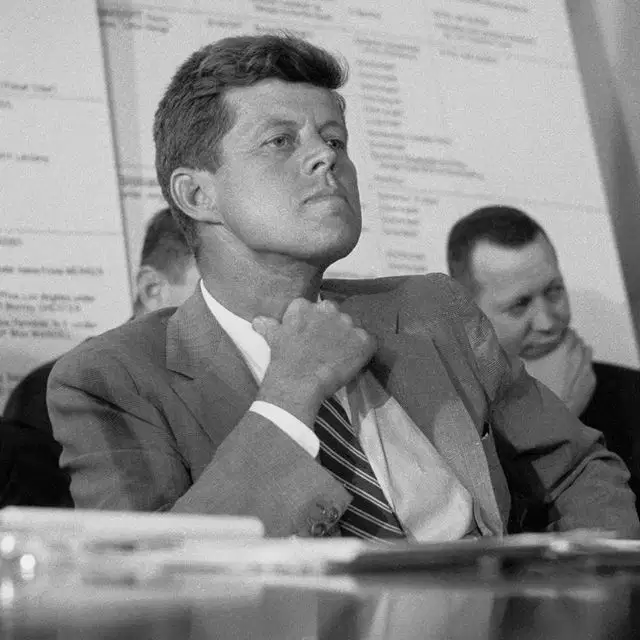
Which event was a failed covert operation that became a public embarrassment for JFK?
Berlin Airlift
Bay of Pigs Invasion
Cuban Missile Crisis
Iran Hostage Crisis
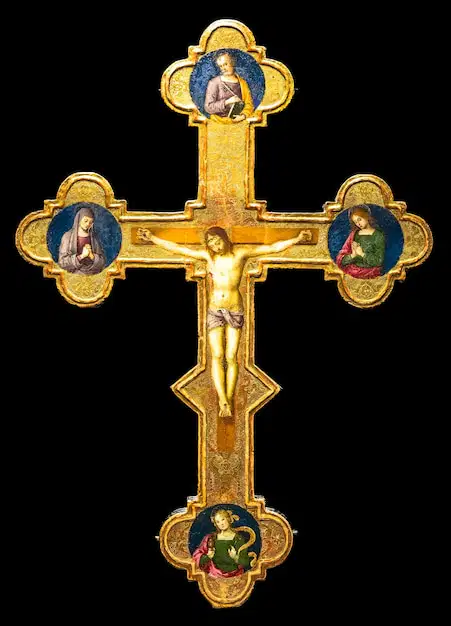
Which president was the first Roman Catholic to hold the office?
Theodore Roosevelt
Harry S. Truman
Franklin D. Roosevelt
John F. Kennedy
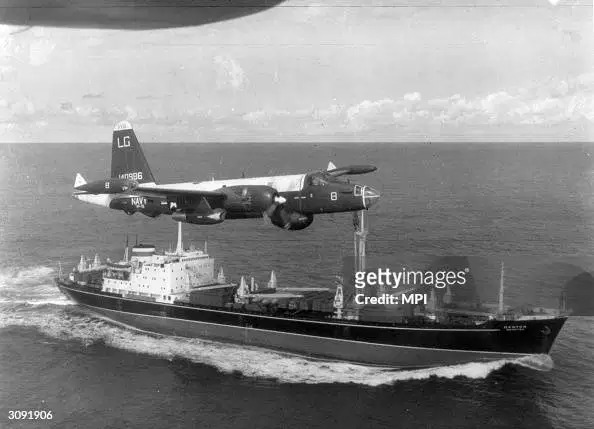
What was the main reason for the Cuban Missile Crisis?
Soviet invasion of Cuba
Soviet missiles placed in Cuba aimed at the US
American invasion of Cuba
Cuban economic collapse

What was the outcome of the Cuban Missile Crisis?
Kennedy was impeached
The Soviets retreated after an American blockade
Cuba became a U.S. territory
A full-scale nuclear war started

Which of the following terms was used to describe the 1960s in America?
Peaceful
Prosperous
Turbulent
Depression

Who was the U.S. President after Kennedy's assassination?
Dwight D. Eisenhower
Harry S. Truman
Lyndon B. Johnson
Richard Nixon
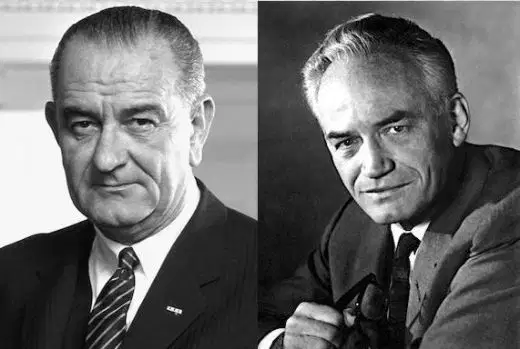
What was the outcome of the 1964 election?
Johnson won in a landslide
Kennedy won posthumously
Goldwater won decisively
Johnson won by a narrow margin

Who was a major conservative figure inspired by Goldwater?
Bill Clinton
George H.W. Bush
Jimmy Carter
Ronald Reagan
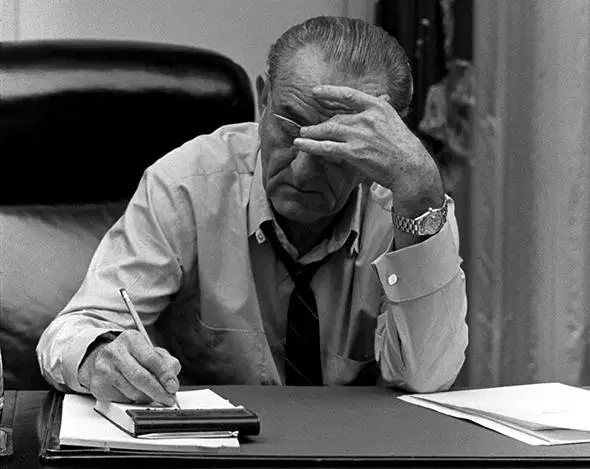
What was the primary reason Johnson did not seek re-election in 1968?
Unpopularity due to the Vietnam War
Personal reasons
Health issues
Political scandal
Which two prominent figures were assassinated in 1968?
Martin Luther King and Robert Kennedy
John F. Kennedy and Malcolm X
Abraham Lincoln and Mahatma Gandhi
Winston Churchill and Che Guevara
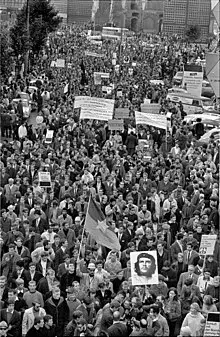
What was a major theme of the protests in 1968?
Economic inequality
Healthcare reform
Environmental issues
Civil rights and the Vietnam War
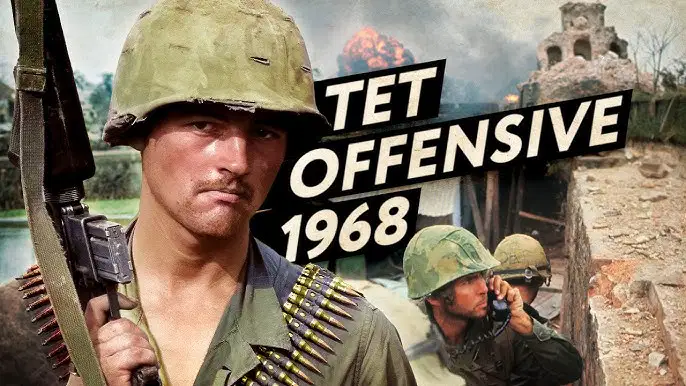
What was the status of the Vietnam War in 1968?
It was ending
It was in full escalation
It was at a ceasefire
It had not started
What controversy surrounded the military draft in 1968?
Fairness and exemptions
Gender inclusion
Age of conscription
Training methods
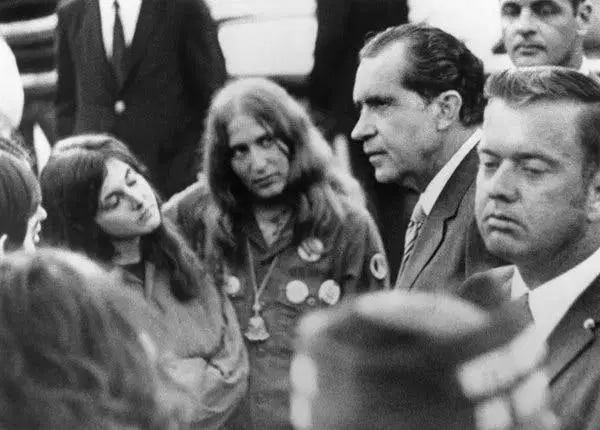
What platform did Richard Nixon run on in the 1968 election?
Foreign diplomacy and peace treaties
Education and healthcare
Economic reform and trade
Silent majority and Law and Order
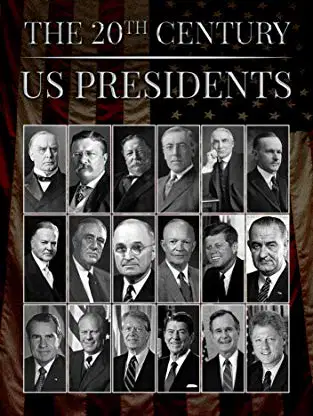
Who succeeded Lyndon B. Johnson as U.S. President and inherited the Vietnam War?
Ronald Reagan
Richard Nixon
Jimmy Carter
Gerald Ford
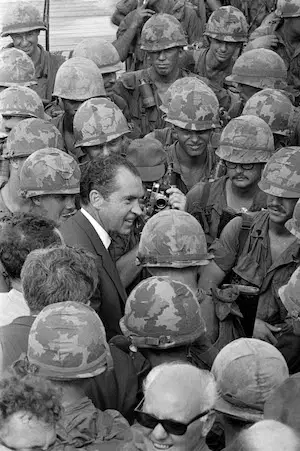
Which U.S. policy aimed to replace American troops with South Vietnamese forces?
Strategic Hamlet Program
Tet Offensive
Rolling Thunder
Vietnamization

What was the term Richard Nixon used to describe the softening of relations between the Soviet and American governments?
Glasnost
Perestroika
Detente
Dayon
What were the Pentagon Papers about?
The Gulf War
World War II
The Vietnam War
The Korean War
What approach did Nixon take during his presidency regarding the Cold War?
He focused solely on domestic policies.
He intensified military actions.
He sought to lighten relationships with Communist countries.
He ignored the tensions.
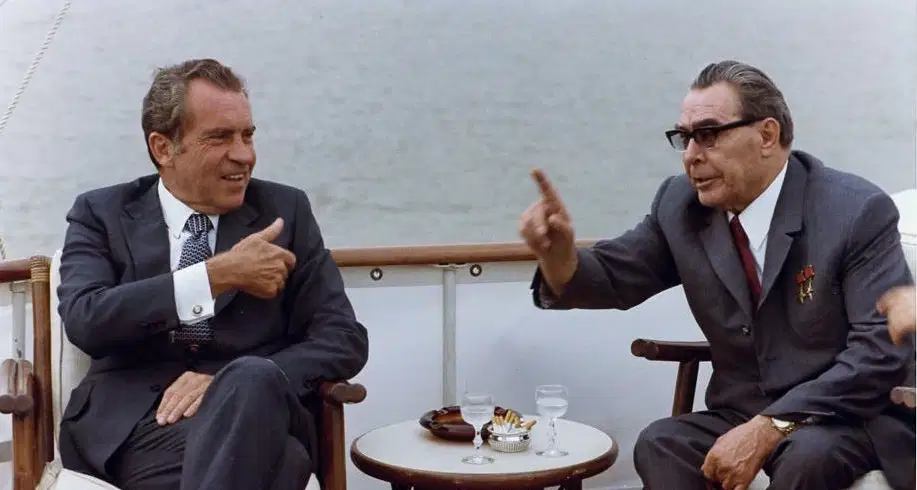
What significant action did Nixon take that had not been done during the Cold War era?
He signed a peace treaty with Vietnam.
He visited China and the Soviet Union.
He deployed nuclear weapons.
He closed the American embassies in Communist countries.

What was a major consequence of the 1970s oil crisis in America?
Long lines and shortages at gas stations
Reduction in oil prices
Decrease in car usage
Increase in electric vehicle production

Which major political scandal led to the resignation of President Nixon?
Watergate
Iran-Contra Affair
Teapot Dome Scandal
Whitewater

What was the main issue with the Watergate scandal?
Stealing secrets
Nixon's attempt to "cover up" Watergate uncovered other scandalous issues.
Conspiring with a foreign country against the interests of America.
Nixon did not get along with Congress
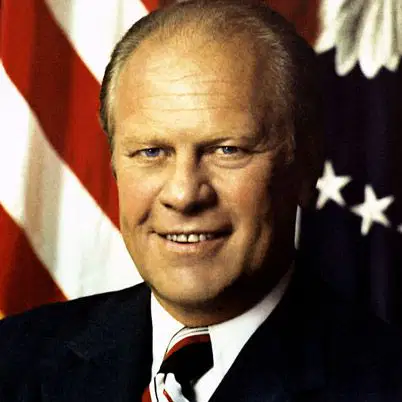
Who became president after Nixon resigned?
Spiro Agnew
Gerald Ford
Lyndon B. Johnson
Jimmy Carter

What controversial decision did Gerald Ford make regarding Nixon?
He continued Nixon's policies.
He criticized Nixon publicly.
He removed Nixon from the Republican Party.
He gave Nixon a full pardon.
Who was the U.S. president at the end of the 1970s?
Richard Nixon
Jimmy Carter
Ronald Reagan
Gerald Ford
What crisis occurred at the end of the 1970s involving Iran?
Iranian Revolution
Iran Nuclear Deal
Iran-Iraq War
Iran Hostage Crisis
What was Ronald Reagan's profession before entering politics?
Actor
Lawyer
Doctor
Businessman

Which group significantly shifted their support to Ronald Reagan in the 1980 election?
Asian Americans
White Evangelical Christians
Hispanic Americans
African Americans
What was the primary focus of Reagan's campaign rhetoric?
Expanding healthcare
Strengthening foreign alliances
Increasing taxes
Reducing government size
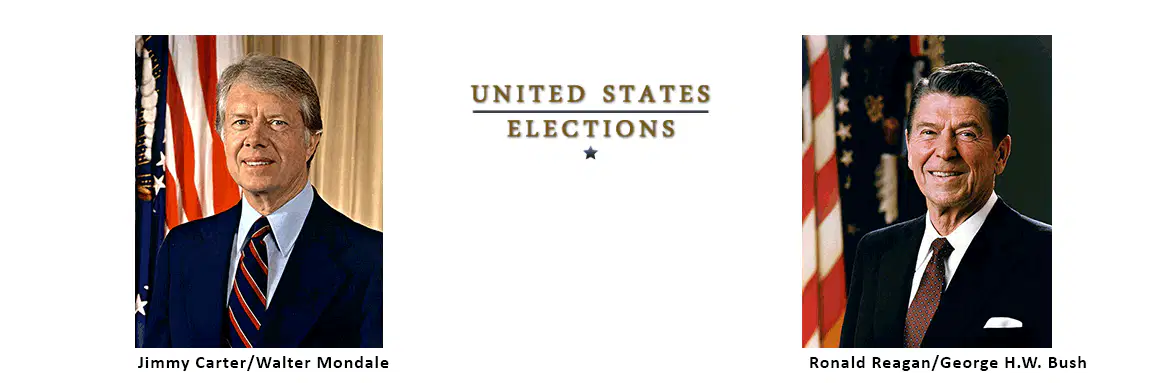
What was the outcome of the 1980 presidential election?
Reagan won by a landslide
Reagan won by a narrow margin
The election resulted in a tie
Carter won by a landslide

What did Reagan promise to do if elected in terms of fiscal policy?
Abolish taxes
Maintain current tax levels
Increase taxes
Reduce taxes
What ideological shift did Reagan's election in 1980 signify?
Shift towards socialism
Shift towards conservatism
Shift towards monarchism
Shift towards liberalism
What term did Reagan use to describe the Soviet Union in his 1983 speech?
The Evil Empire
The Great Ally
The Communist Haven
The Red Nation
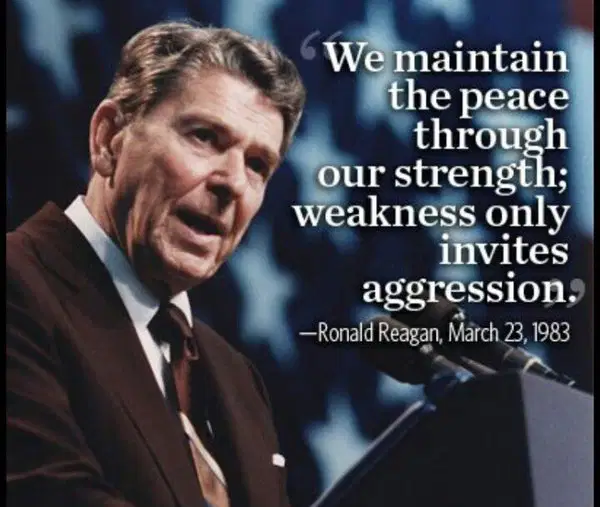
What was the primary goal of Reagan's military policies during his presidency?
To build up arms and strengthen the military
To reduce military spending
To engage in more international conflicts
To dismantle the military

What was the result of Reagan's 'Star Wars' proposal?
It terrified the Soviets and escalated the arms race.
It was rejected by Congress immediately.
It led to a reduction in nuclear weapons globally.
It was fully implemented during his term.
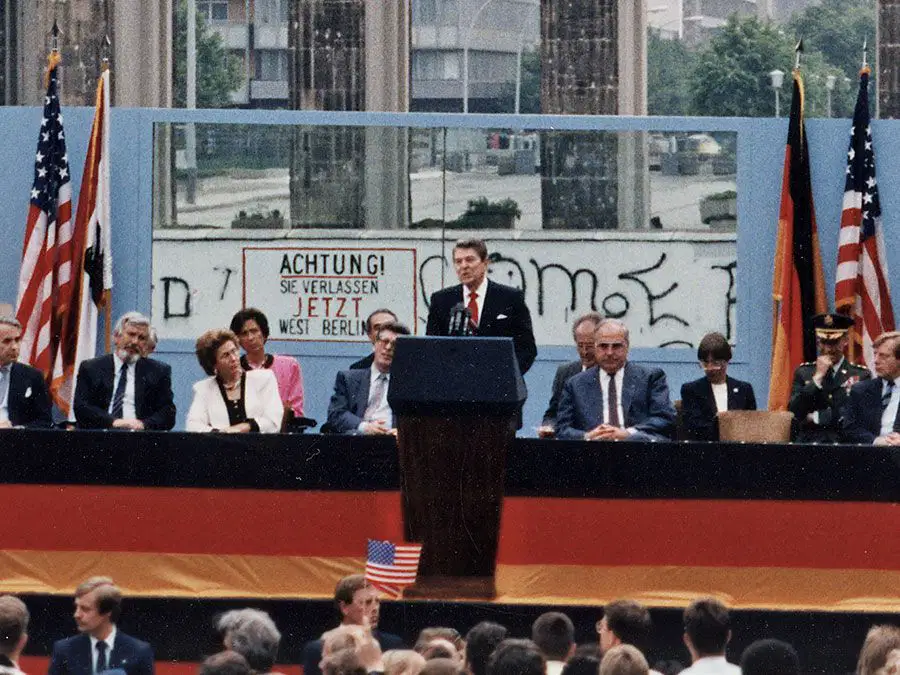
What significant event did Reagan challenge Gorbachev to do in Berlin?
End the Cold War formally
Sign a peace treaty
Join NATO
Tear down the Berlin Wall
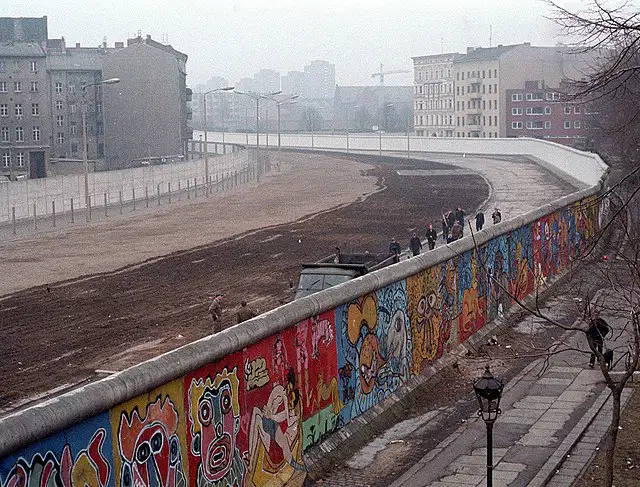
What was the ultimate fate of the Berlin Wall?
It was reinforced and made taller
It became a protected landmark
It was torn down in 1989
It was relocated to Moscow

What was the outcome of the 1988 U.S. presidential election?
George H.W. Bush was elected
Michael Dukakis won the presidency
Ronald Reagan won a third term
Bill Clinton defeated George H.W. Bush
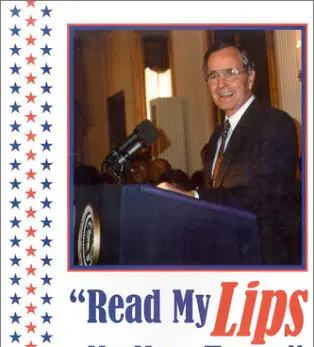
What promise did George H.W. Bush famously break during his presidency?
To implement universal healthcare
To not raise taxes
To increase social welfare programs
To end all foreign wars

What was the main focus of the Persian Gulf War?
To spread democracy in the Middle East
To take control of oil fields in Iran
To defend Kuwait from Iraqi invasion
To support Saddam Hussein
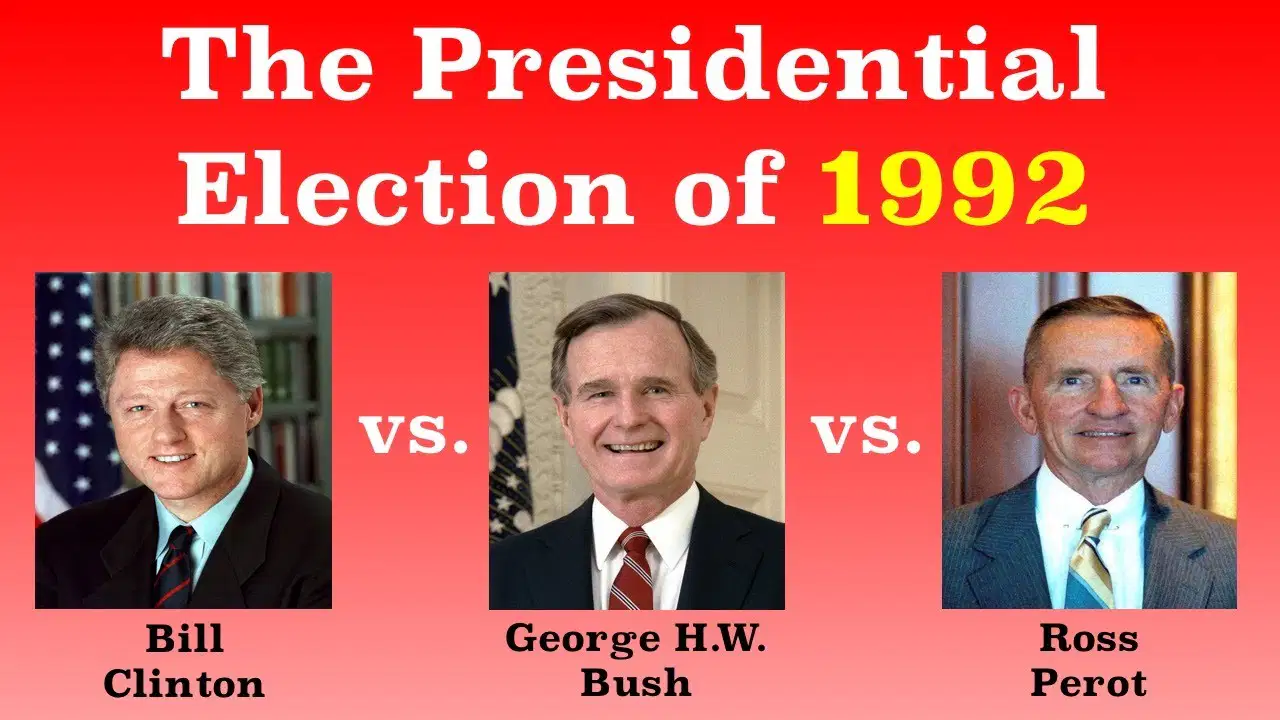
Who was the U.S. President at the end of the 1992 election?
Al Gore
Ross Perot
Bill Clinton
George H.W. Bush

Which technology revolution did Clinton's presidency benefit from?
Industrial Revolution
Dot-com Revolution
Nuclear Revolution
Technological Revolution

What was the outcome of the 1996 U.S. presidential election?
Ross Perot won
George H.W. Bush was reelected
Bob Dole won
Bill Clinton was reelected
What was a major domestic policy failure for Bill Clinton?
Welfare reform
Balanced budget
National Health Care system
NAFTA

What was the primary focus of Bill Clinton's welfare reform?
Eliminating welfare
Decreasing eligibility
Increasing benefits
Raising standards to receive welfare

What major event did Timothy McVeigh carry out?
Hijacking of an airplane
Cyber attack on government networks
Shooting in a public square
Bombing of a federal building in Oklahoma City

What rights did Timothy McVeigh believe were being violated by the government (as evidenced by the government's disastrous handling of the Branch Davidians in Waco, Texax)?
Seventh and Eighth Amendment rights
Fifth and Sixth Amendment rights
Third and Fourth Amendment rights
First and Second Amendment rights
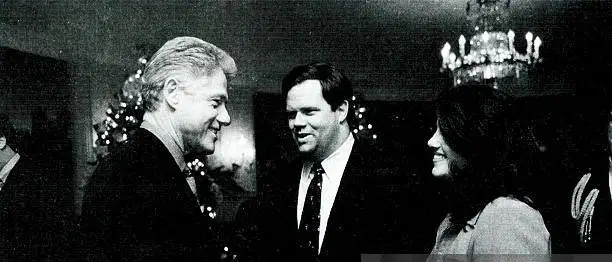
What scandal was Bill Clinton involved in during his presidency?
Teapot Dome scandal
Watergate scandal
Iran-Contra affair
Lewinsky scandal
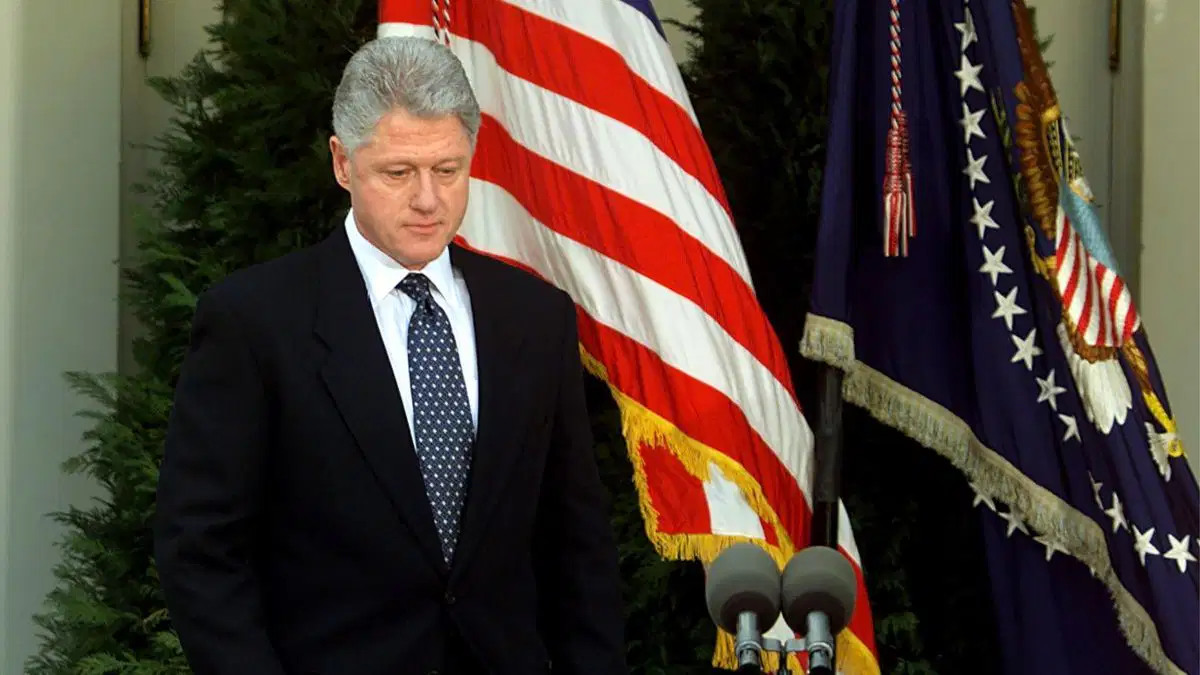
What was the result of Bill Clinton's impeachment process?
The charges were dropped
He was removed from office
He resigned before the trial
He was acquitted by the Senate

Which 21st Century President was the first Black American to become President when he won two terms in 2008 and 2012? (a)
Which 21st Century President passed a major national health care program for "uninsured" Americans, dealt with gridlock with Congress, and successfully captured and killed the 9/11 mastermind Osama Bin Laden ? (a)
Which 21st Century President was the first to be elected without ever serving in any other political position in his life? (a)
Which 21st Century President produced a strong economy for President, was subject two impeachments by Democrats in the House, and saw the COVID epidemic hit in his last year in office? (a)
Which of the 21st Century Presidents became the SECOND son of a former President to become President, himself? (a)
Which of the 21st Century Presidents was President when 9/11 occured, initiated a war with Iraq and its Dictator Saddam Hussein, and then saw a devastating economic crash occur during his last year in office? (a)
What is described as a new challenge in the digital age regarding historical events?
Increased accuracy of historical records
Decreased public engagement with history
Instant spread and availability of information and discernment of truth.
Improved fairness in historical assessments

According to Donald Trump, how did he view the mainstream media during the 2016 campaign?
As unbiased and fair
As supportive of his campaign
As biased towards Liberals and Democrats and sensationalized
As fully transparent and truthful
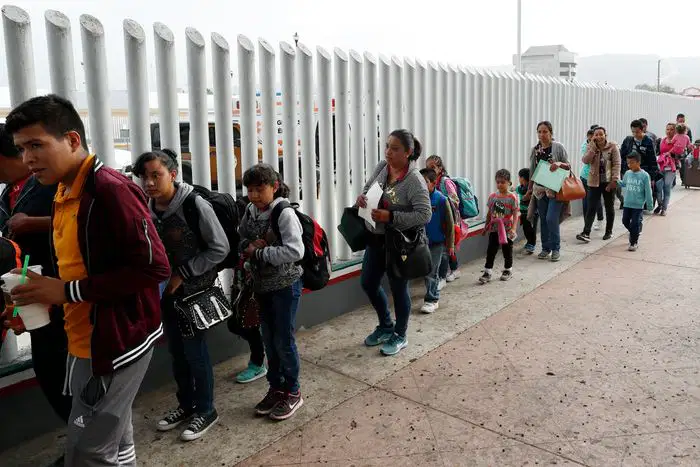
How did the number of illegal immigrants change during Trump's presidency?
It increased significantly
It remained the same
It dropped significantly
It fluctuated without clear trend
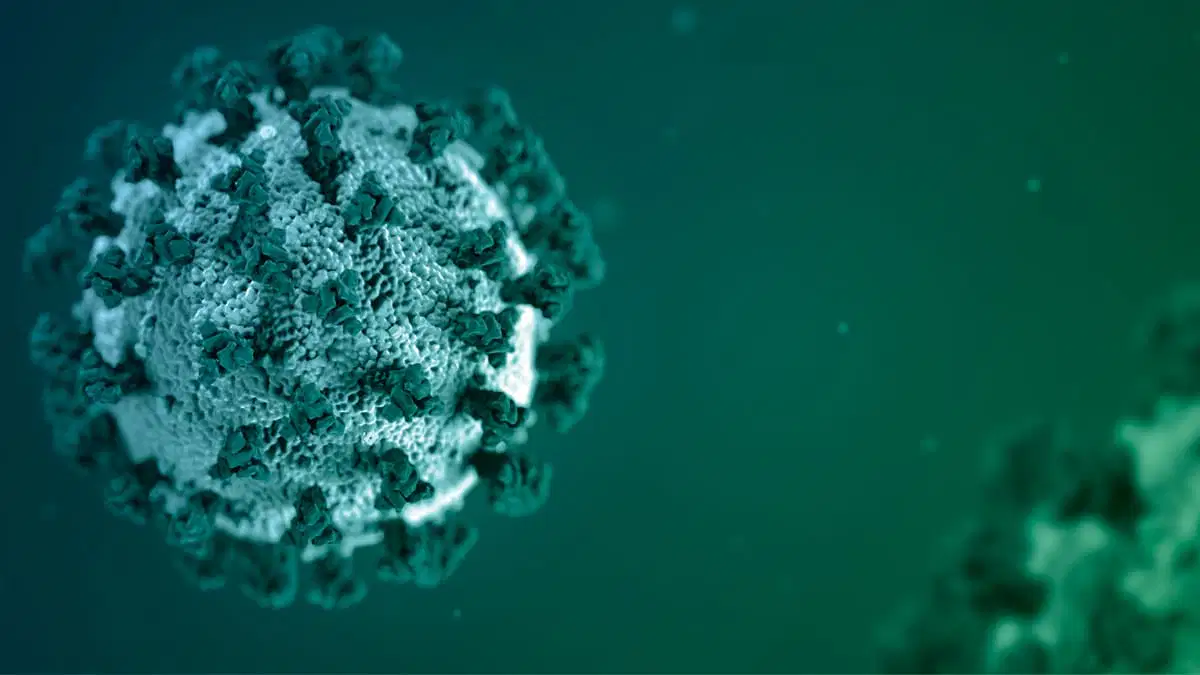
What was the status of unemployment in the United States during the Trump years before COVID?
At moderate levels
At historically high levels
At historically low levels
Unchanged from previous years

What was unusual about the vaccine development for COVID-19 under Trump's administration?
It was developed over a ten-year period
It was developed without any government intervention
It was developed and released in less than a year
It was developed without any scientific research

What significant impact occurred in major cities following the events surrounding George Floyd's death?
Cities implemented curfews
Major cities were looted and burned
Peaceful protests were held nationwide
New laws were immediately enacted
What was the outcome of the Senate vote regarding BOTH of President Trump's impeachments?
He was convicted
He was acquitted
The vote was postponed
The vote resulted in a tie
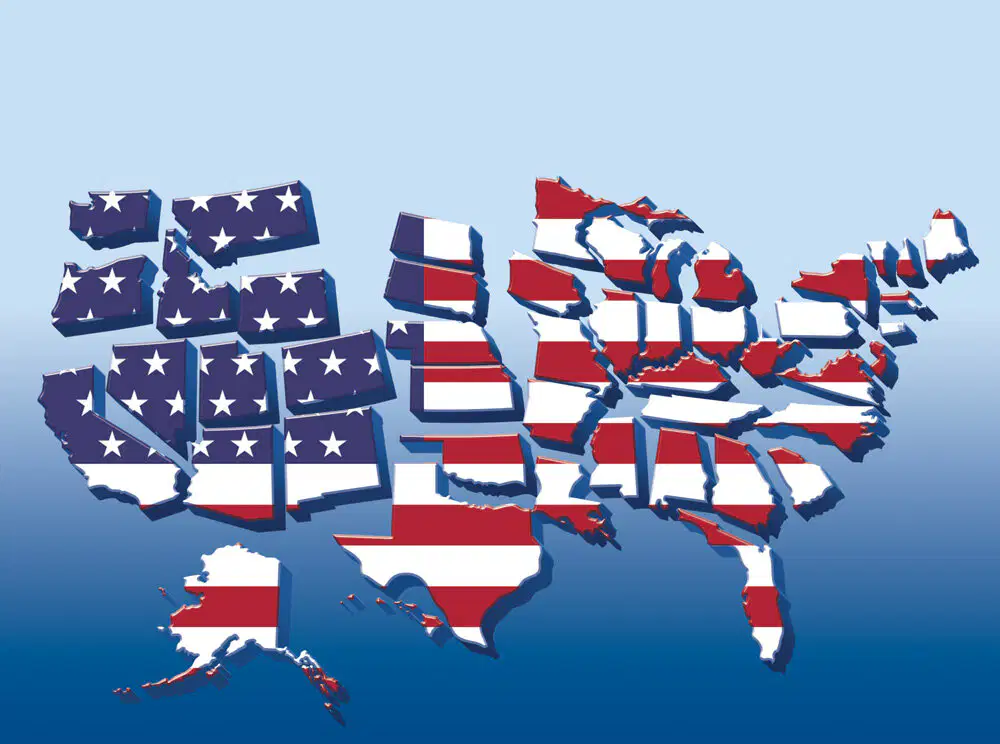
What was a significant effect of the two impeachments mentioned in the text on American voters as of the 2024 Election?
It led to a decrease in voter turnout.
It caused a significant divide among voters.
It resulted in a clear majority supporting third-party candidates.
It unified the voters' opinions on political issues.

