
 Worksheets
MAPEH 9
Total questions: 50
Worksheet time: 2hrs 40mins

1. The lowest female voices type that portrays maids, mothers, and grandmothers, and some witches.
a. Alto
b. Bass
c. Mezzo Soprano
d. Soprano
2. An air or solo singing part sung by a principal character. This song is what the public remember best when leaving the opera house.
a. Score
b. Libretto
c. Aria
d. Recitative
3. Declamatory singing used in the prose part of the dialogue of opera.
a. Score
b. Libretto
c. Aria
d. Recitative
4.In music, a score is____________________________.
a. the printed version of the piece being performed.
b. how many points each team gets.
c. the words to a piece.
d. the number of players in an orchestra.
5. The text of an opera is called the ___________________.
a. Score
b. Libretto
c. Aria
d. Recitative
6. He is considered the last of the Classical composers and one of the first romantic ones.
a. Schubert
b. Verdi
c. Puccini
d. Bizet
7. Almost all his works are serious love stories with an unhappy ending
a. Schubert
b. Verdi
c. Puccini
d. Bizet
8. His famous operas were: “La Boheme”, “Tosca”, “Madame Butterfly”, and “Turandot”.
a. Schubert
b. Verdi
c. Puccini
d. Bizet
9. He was criticized horribly from his first opera
a. Schubert
b. Verdi
c. Puccini
d. Bizet
10. His much-acclaimed works were La Traviata and Rigoletto
a. Schubert
b. Verdi
c. Puccini
d. Bizet
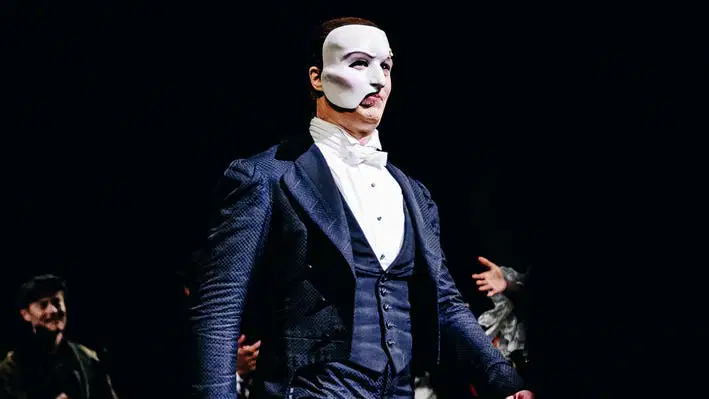
11. A collaborative form of fine arts that uses live performers to present a scenario before a live audience in a specific place.
a. TV series
b. Drama
c. Theater Play
d. Shadow Play
12. The usual theme for these theater plays were chariots races, gladiators and public executions
a. Greek
b. Roman
c. Medieval
d. Renaissance
13. It is characterized by a return of Classical Greek Roman arts and culture.
a. Greek
b. Roman
c. Medieval
d. Renaissance
14. Theater performances were not allowed throughout Europe during this era. To keep the theater alive, minstrels though denounced by the church, performed in markets, public places and festivals.
a. Greek
b. Roman
c. Medieval
d. Renaissance
15. A theater that begun around 700 BC with festivals honoring their gods.
a. Greek
b. Roman
c. Medieval
d. Renaissance
16. Dramatic work that puts characters in a lot of danger in order to appeal to the emotions and in which orchestral music or song was used to accompany the action
a. Tragedy
b. Comedy
c. Melodrama
d. Opera
17. What are the key responsibilities of performers in a theatrical production?
a. Ticket sellers
b. Ticket collectors
c. . Audition organizers
d. Individuals who act out roles and characters
18. How does the script or text serve as the blueprint for a theatrical production?
a. It determines ticket prices
b. It provides stage directions for the audience
c. It tells actors what to say and do on stage
d. It selects the theater space
19. What is the role of costume and makeup design in a theatrical production?
a. Creating the soundtrack for the play
b. Selecting the right clothes for the characters
c. Designing the set to match the play's time and place
d. Deciding how the actors move and talk on stage
20. How does sound design set the atmosphere and mood of a play?
a. By creating special effects with lighting
b. By designing the set to match the play's time and place
c. By choosing the right lights and colors for the stage
d. By including music, sound effects, and adjusting actors' voices

21. Are activities that give pleasure or leisure like gardening, playing sports or dancing, sewing, camping etc.
a. Recreational
b. Leisure
c. Active
d. Passive
22. Refers to recreational activities that do not require organized facilities like sports fields or pavilions and gyms.
a. Recreational
b. Leisure
c. Active
d. Passive
23. May also be described as activities that you do in your spare time like reading, meditating, drawing, and engaging in popular activities
a. Recreational
b. Leisure
c. Active
d. Passive
24. Are means of relaxation and fun time activities usually of a more formal nature, with particular rules to be followed. Often requiring equipment and taking place at prescribed places, sites or fields.
a. Recreational
b. Leisure
c. Active
d. Passive
25. Are activities that can be done or performed in halls, rooms, classroom and do even inside your house.
a. Indoor
b. Outdoor
c. Active
d. Passive
26. The following are the Physical benefits of Outdoor Recreation except for.
a. Develops muscular endurance with minimal strain on the joints.
b. It can strengthen the bond between family and friends.
c. It can improve your over-all body stamina and strength.
d. None of the above
27. How does regular participation in recreational activities benefit individuals?
a. Increased risk of injuries
b. Enhanced mood and mental health
c. Limited exposure to nature
d. Decreased social interactions
28. Which of the following are examples of recreation activities?
a. sleeping, working, eating
b. biking, breathing, talking on the phone
c. hiking with friends, surfing, dance class
d. book club, studying for a test, vacation
29. Which of the following best describes an Indoor recreational activity?
a. It can be played in an open area.
b. It is performed in the beach.
c. If the activity is played in the park.
d. If it is played within the premises of your comfort zone or inside the building.
30. Activities done during free time is called Recreation. What is the primary reason why one engages in recreational activity?
a. Fun
b. Fitness
c. Enjoyment
d. Leisure
31. In a badminton and volleyball games, a team can win a point if,,
a. He wins a set/match
b. He plays honestly
c. He commits a violation
d. He enjoys smashing the ball
32. Why is badminton played indoors?
a. Its more convenient to play inside the gym
b. Friction is greater providing better stability
c. Air resistance is lesser
d. It's more comfortable inside the gym
33. This sport aims to score by hitting the shuttlecock across the net and landing inside the opponent's half of the court without the opponent being able to return back to your court. It is a match consists of 3 sets of 21 points.
a. Badminton
b. Volleyball
c. Bowling
d. Basketball
34. Known as tenpins which aims to knock down ten pens on the first strike if not on the second using a heavy ball rolled down along the narrow lane.
a. Badminton
b. Volleyball
c. Bowling
d. Basketball
35. Defined as the sequence of bodily movement moving rhythmically usually to music.
a. Yoga
b. Zumba
c. Bowling
d. Dancing
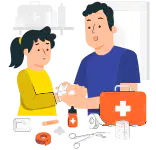
36. It is an event that happens without being planned.
a. Unintentional
b. Intentional
c. Accident
d. Planned
37. Which of the following is not an accident.
a. A collision of two cars
b. You bumped into a friend unexpectedly into a park.
c. You find a 500-peso bill lying in the sidewalk
d. Doing harm to oneself.
38. What is the difference between intentional and unintentional injuries?
a. Intentional injuries are caused by purposeful human action
while unintentional injuries are caused unintentionally.
b. Intentional injuries are caused unintentionally,
while unintentional injuries are caused by purposeful human action.
c. Intentional injuries are caused by external force,
while unintentional injuries are caused by internal force.
d. Intentional injuries are caused by internal force,
while unintentional injuries are caused by external force.
39. Injuries happen at any time. What should we do to prevent unintentional injuries?
a. We must reduce the risk of accidents.
b. We must always practice safety measures
c. We must equip ourselves with proper knowledge and skills in first aid
d. All of the above
40. It's so hot in the room that he's lost consciousness. What happened next?
a. He's fainted
b. He feels sick
c. He has diarrhea
d. He feels dizzy
41. He feels that everything is spinning around.
a. He's fainted
b. He feels sick
c. He has diarrhea
d. He feels dizzy
42. He feels that he's going to vomit.
a. He's fainted
b. He feels sick
c. He has diarrhea
d. He feels dizzy
43. He's been walking in uncomfortable shoes.
a. He has a sore throat
b. His ankle is swollen
c. He has a rash
d. He has a blister
44. He ate some prawns that were off.
a. he has food poisoning
b. He's had an allergic reaction
c. He's choking
d. He's fainted
45. List two Safety precautions that can help you avoid injuries during physical activity.
a. Warm up, cool down
b. Ride a bike with no helmet, wear baggy clothes
c. horse play, wearing tight clothes
d. no helmet, no worries
46. Injuries happen at any time. What should we do to prevent unintentional injuries?
A. We must reduce the risk of accidents.
B. We must always practice safety measures.
C. We must equip ourselves with proper knowledge and skills in first aid
D. All of the above
47. The following are ways to prevent injuries, except
a. Perform warm-up before and cool-down exercises after the activity.
B. Use proper equipment and correct technique.
C. Don’t use common sense to prevent injury in everyday life.
D. Watching your step.
48. A classmate faints. You know he has been ill. It’s been two minutes and he is still not awake. What should you do?
A) Spill a glass of cold water on his head to wake him up.
B) Let him sleep. He really needs rest!
C) Call for help. He’s been unconscious too long.
D) Nothing, put your hood back up and put your ear pods in and continue to walk around the school for no reason!
49. You put an antibiotic ointment on a minor cut you got three days ago. Now you have a rash around the cut. You should __________.
A) Ignore the rash. It’s just a minor irritation
B) Keep using the antibiotic ointment. It will prevent infection
C) Panic and go tell your mom
D) Stop using the antibiotic ointment
50. Gathering information about an injured person may help you decide what kind of first aid is needed. Even if you are unable to provide first aid, this information is vital for __________.
A) Getting the supplies you need from a first aid kit
B) Providing information to an emergency operator
C) Contacting the injured person’s family
D) Putting accurate information in your Instagram post Meme

