Wayground logo

Free Printable Worksheets

Font size

S
M
L
XL
Worksheets

JMS natural selectio

Total questions: 26

Worksheet time: 17mins

Name
Class
Date
1.

How does waterproof feathers help penguins survive in the Antarctic. (Choose all that apply)

a)

Helps keep them warm and dry

b)

Helps them blend in

c)

Helps them swim in cold waters

d)

Helps them see further in cold weather

2.

What is the process where animals live or die based on their adaptations to their environment.

a)

Genetic Drift

b)

Natural Selection

c)

The Circle of Life

d)

Mutations

3.
Process by which individuals that are better suited to their environment survive and reproduce most successfully; also called survival of the fittest.
a)
Extinction
b)
Speciation
c)
Natural Selection
d)
Artificial Selection
4.

Which word describes the word "variation"?

a)

Adaptations

b)

Differences

c)

Traits

d)

Genetics

5.
When an organism of a species has an adaptation, it will compete for resources better, survive longer and pass that adaptation on to it's offspring. This process is called
a)
evolution by natural selection
b)
artificial selection
c)
inbreeding
d)
outbreeding
6.

A variation is . . .

a)

when organisms have camouflage like spots or stripes

b)

an organism from a different dimension

c)

when you order different food than your friend

d)

differences between organisms in the same species

7.
Who was the naturalist that traveled the world to study plants and animals?
a)
Albert Einstein
b)
Charles Darwin
c)
Charles Barkley
d)
Isaac Newton
8.
Do organisms "decide" to evolve and change?
a)
Yes, they know they need to change to survive 
b)
No, they change because of natural selection
9.

A green rat snake that lives in the grass and a brown rat snake that lives in the desert is a form of ______________.

a)

Human Genetic Modification

b)

Selective Breeding

c)

Natural Selection

d)

Artificial Breeding

10.

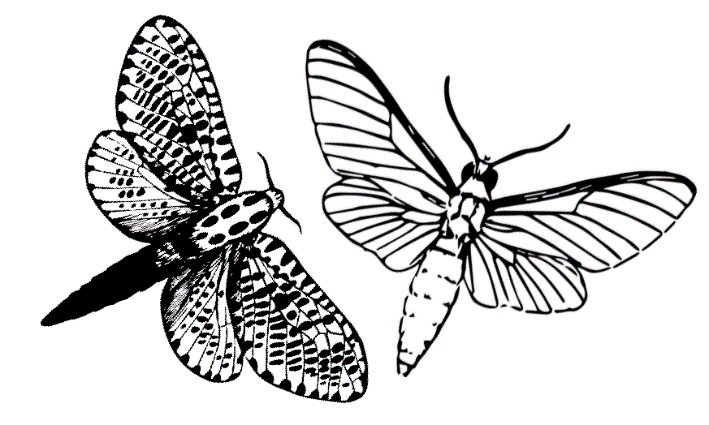
According to natural selection, light colored tree trunks would favor

a)

light colored moths

b)

dark colored moths

c)

red colored moths

d)

red and light colored moths

11.

A fox with thicker fur than average would have a survival advantage over other foxes if:

a)

There is more competition for food in the fox population.

b)

The air temperature significantly decreases in winter.

c)

A drought occurs, limiting the amount of water available.

d)

A new disease appears that infects the foxes.

12.

What is the advantage of having different shaped beaks?

a)

To look different from other species.

b)

To protect itself against predators.

c)

To protect itself against prey

d)

To be able to eat the food readily available in the environment.
13.

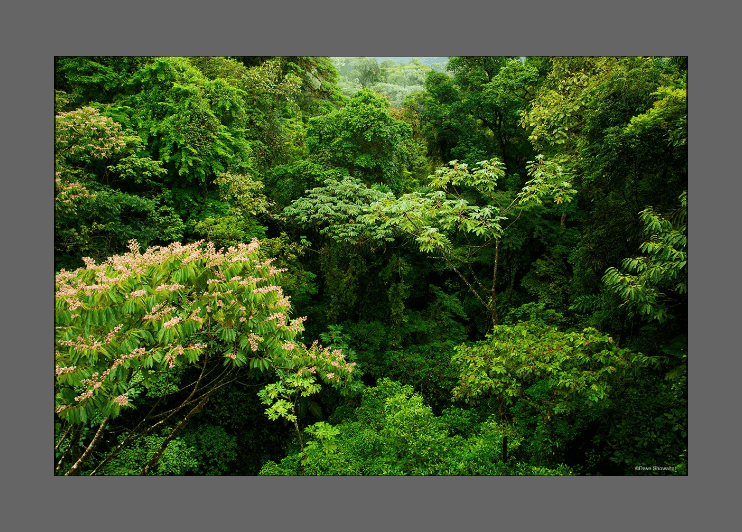
A yellow morph and green morph of an insect lives in the rainforest canopy. You would expect:

a)

the green population to increase and the yellow to decrease

b)

both populations should stay the same

c)

both populations will increase

d)

the green population to decrease and the yellow to increaseThis is a wrong answer

14.

What word describes a trait that helps an organism survive in its environment?

a)

natural selection

b)

mutation

c)

camouflage

d)

adaptation

15.
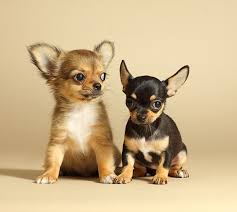
Dogs such as Chihuahuas are examples of....
a)
Artificial Selection 
b)
Natural Selection 
c)
Mutations 
16.

Why are advantageous traits more likely to be passed onto offspring?

a)

Because they are more likely to survive and reproduce.

b)

Because they come from dominant alleles.

c)

Because they come from recessive alleles.

d)

Because the organism knew it needed that trait, survives, and passes it on.
17.
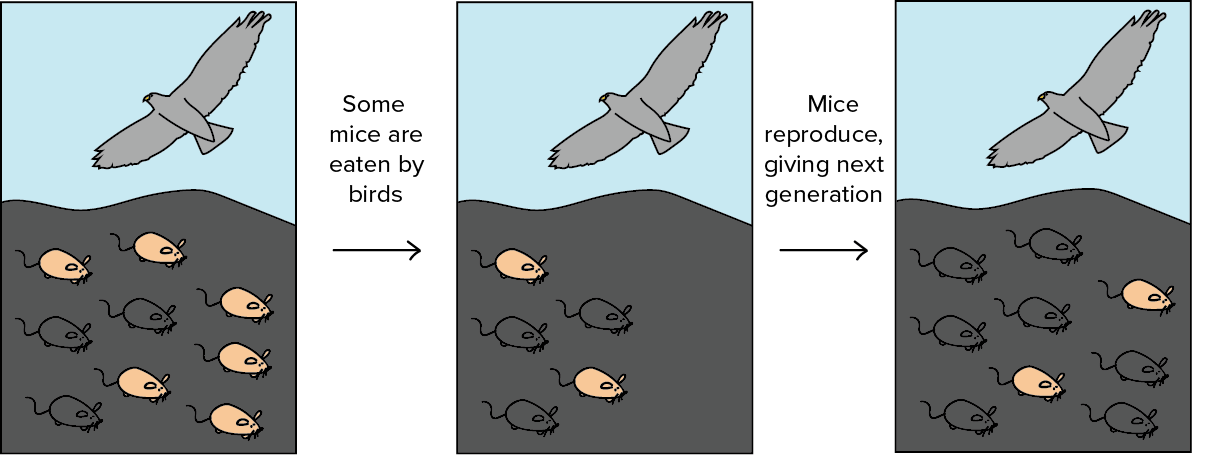
Why is the mouse population changing over time?
a)
The light mice can reproduce more successfully than the dark mice
b)
The hawks eat more dark mice than light mice because the dark mice taste better
c)
The hawks eat more light mice than dark mice because they can see the light mice more easily
d)
The hawks eat more dark mice than light mice because they can see the dark mice more easily
18.
Drawn observed several different types of finches.  Why are there so many different types?
a)
Finches live in different places, but eat the same food.
b)
Finches live in the same place, but eat different types of food.
c)
Finches live in different habitats and eat different types of food.
d)
Finches are found all over the world.
19.

TRUE or FALSE: Mutations lead to variation.

a)

TRUE

b)

FALSE

20.
When every organism of a species has died.
a)
Evolution
b)
Natural Selection
c)
Extinction
d)
Artificial Selection
21.
Where the better adapted organisms survive to pass traits along to offspring.
a)
Evolution
b)
Natural Selection
c)
Extinction
d)
Artifical Selection
22.
Mutations are a change in what?
a)
DNA
b)
tRNA
c)
genotype
d)
phenotype
23.
Almost all adaptations started off as?
a)
selective breeding
b)
physiological
c)
structural
d)
mutation
24.
The purpose of selective breeding is to 
a)
Get bigger animals
b)
get smaller animals
c)
create animals with desirable traits
d)
create animals with bad traits
25.
The gradual development of a species into a new one to survive.
a)
Evolution
b)
Natural Selection
c)
Extinction
d)
Artificial Selection
26.
What did Darwin conclude about the finches on the Galapagos Islands?
a)
They evolved from a common ancestor on the main land
b)
They evolved from many different types of birds
c)
They all came from different countries and continents
d)
They developed from other types of organisms