
NEW
Font size
 Worksheets
Colonial Nationalism
Total questions: 28
Worksheet time: 34mins
What was the primary goal of the movement led by Theodor Herzl known as Zionism?
To establish a secular state in Turkey
To gain independence for India from British rule
To push for a homeland for Jews
To promote non-violence as a method of protest
Who was the last white leader in South Africa that began the process to end Apartheid?
Nelson Mandela
F.W. de Klerk
Kemal Ataturk
Shah Pahlavi
What does the term "Non-violence" refer to in the context of Gandhi's strategy in India?
A method to promote religious beliefs
The use of aggressive tactics to achieve political goals
The use of non-aggressive ways to achieve your goals
A movement to westernize the state
What is the definition of "Tribalism" as mentioned in the document?
Loyalty to one's country over one's tribe
Loyalty to one's religious group
Loyalty to one's tribe rather than country
The division of a country into smaller tribal regions
Which leader is associated with the transformation of Turkey into a secular state?
Ayatollah Khomeini
Nelson Mandela
Kemal Ataturk
Juan Peron
What significant action did Ayatollah Khomeini take during his leadership in Iran?
He started the process to end Apartheid
He kicked out the Shah and began Islamic Fundamentalism
He implemented several social programs
He pushed for a homeland for Jews
What is the definition of "Secular" as used in social studies contexts?
A system where religion influences governmental laws
A government based on religious doctrines
A government based on the rule of law not religious doctrines
A system where the church has supreme power
Who was Desmond Tutu?
A leader who fought for the rights of Palestinians
A South African bishop who pushed for an end to the Apartheid system
The first president of Kenya
An activist who led a major protest in India
What was the Balfour Declaration about?
A document ending the Apartheid system
A proposal to establish a homeland for Jews in Israel
A peace agreement between India and Britain
A declaration of human rights
What was the main goal of the African National Congress?
To promote Pan-Africanism
To establish a homeland for Jews
To push for an end to the Apartheid system
To fight against the British rule in India
What was the Arab-Israeli conflict primarily about?
A movement to unite all of Africa
A conflict over human rights
A conflict between the Jews and the Palestinians over the holy land
A dispute over trade routes
Who were the Mothers of the Plaza de Mayo?
Leaders of a salt march
The first women presidents in South America
A group that organized against human rights violations in Argentina
Activists in the Iranian Revolution
Who was the first president of Kenya?
Kwame Nkrumah
Jomo Kenyatta
Mohandas Gandhi
Nehru
What was the primary aim of the Pan-Africanism movement?
To end the caste system in India
To unite all of Africa
To establish a Jewish homeland
To promote religious fundamentalism

Why did the international community feel sympathetic for a Jewish homeland?
WWI
The Holocaust
Balfour Declaration
Jewish Diaspora

Which BEST explains why Israel became a nation-state in Palestine after 1948?
After the Ottoman empire was dismantled after World War I a new Jewish nation-state was created.
The United Nations decided that Jewish people needed a homeland after six million Jews were killed during the Holocaust.
Palestine was divided into two nation-states to be occupied by the Soviet Union and the United States after World War II.
Fears that Palestine was becoming a communist state led the United States into creating Israel as a democratic country in the Middle East.
The Worlds only Jewish country
Israel
Palestine
the USA
Persia
Germany
Which city is considered holy in all three Abrahamic religions (Judaism, Christianity, Islam)?
Rome
Mecca
Jerusalem
Varanasi
Which historical event lead Jewish people to demand their own country?
The Holocaust
The Crusades
The Cold War
The First Intifada
What was one of the reasons that some Jews wanted to escape to Palestine during WWII?
They were invited by the local governments
They were seeking better economic opportunities
They were escaping persecution
They were exploring new territories
What was the main goal of decolonization movements?
To establish a new world order
To gain political and economic independence from colonial rule
To spread communism
To promote global peace and security
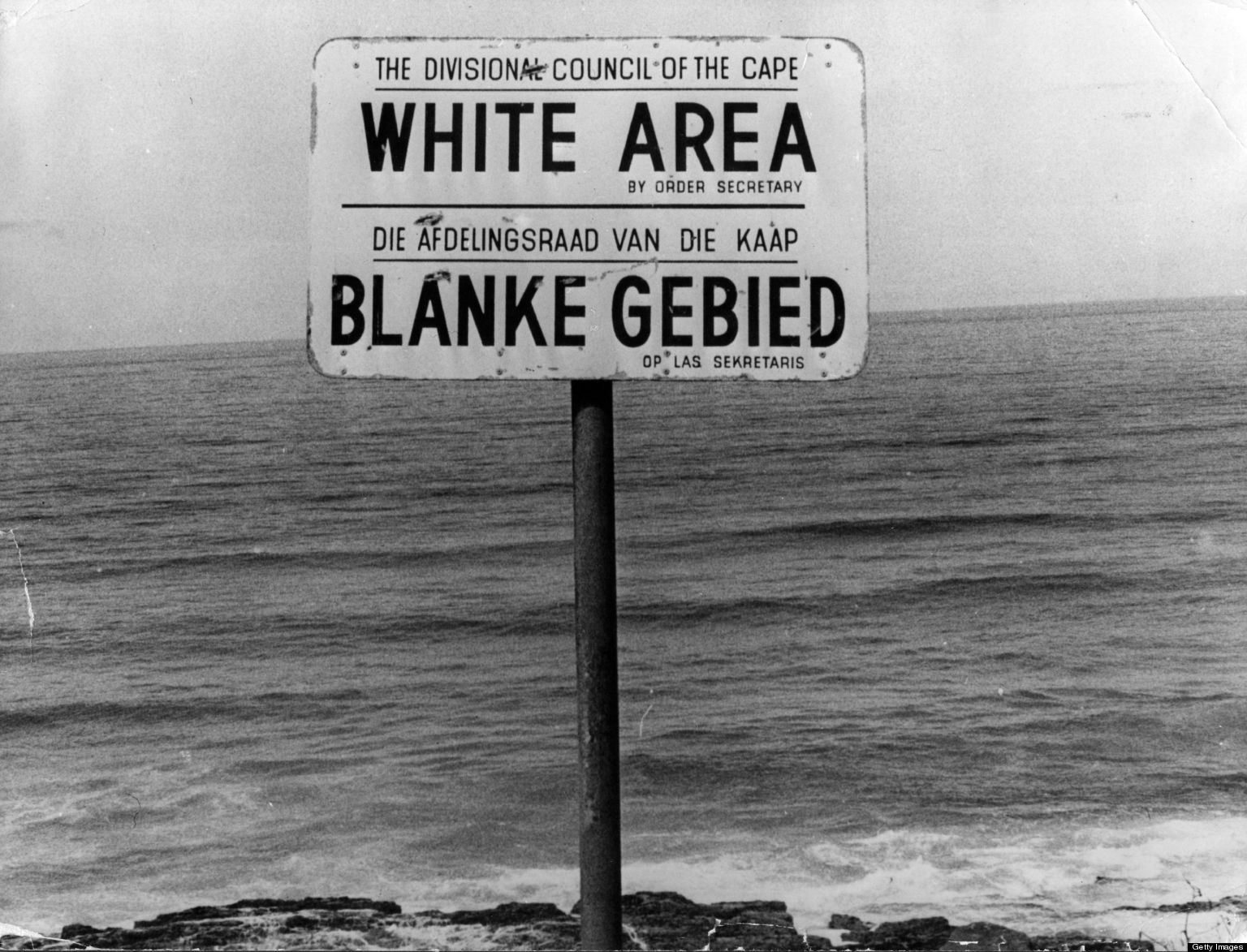
Which country is most closely associated with the terms pass laws, homelands, and white minority rule?
El Salvador
South Africa
Iran
Israel
"Apartheid" refers to __________ in South Africa.
— Bishop Desmond Tutu, The Rainbow People of God: The Making of a Peaceful Revolution 36
The event described in this passage signifies the end of which policy?

