
 Worksheets
WHAP Unit 6 Quiz
Total questions: 48
Worksheet time: 33mins

What was Japan's response to foreign interference in the nineteenth century?
Adapt to Western politics and culture (Meiji Restoration)
Isolate themselves further by resisting and fighting
Became allies with the Chinese to become the dominant power in the region
Adapt to the ideas of the islanders and tribal people to resist

Why, in the time period c. 1750-1900, did European states fight to acquire overseas colonies?
To acquire raw materials to fuel their industrialization
To spread Enlightenment ideas
To abolish slavery worldwide
To stop the spread of Islam throughout the world

Which company took over other European states colonies in India?
British East India Company
British West India Company
Dutch East India Company
French East India Company

Why did European powers divide Africa by diplomatic agreements between each other?
Fear of going to war because of fierce competition
Rapid population increase in European colonies in Asia
Atlantic revolutions lead Europeans states to seek new troops
Creation of transnational business fostered exchange of raw materials
Select all of the countries who dominated others through Imperialism
Britain
Japan
China
United States
India
At what conference did the Europeans divide up Africa for their colonization?
Egypt Conference
London Conference
Belgium Conference
Berlin Conference
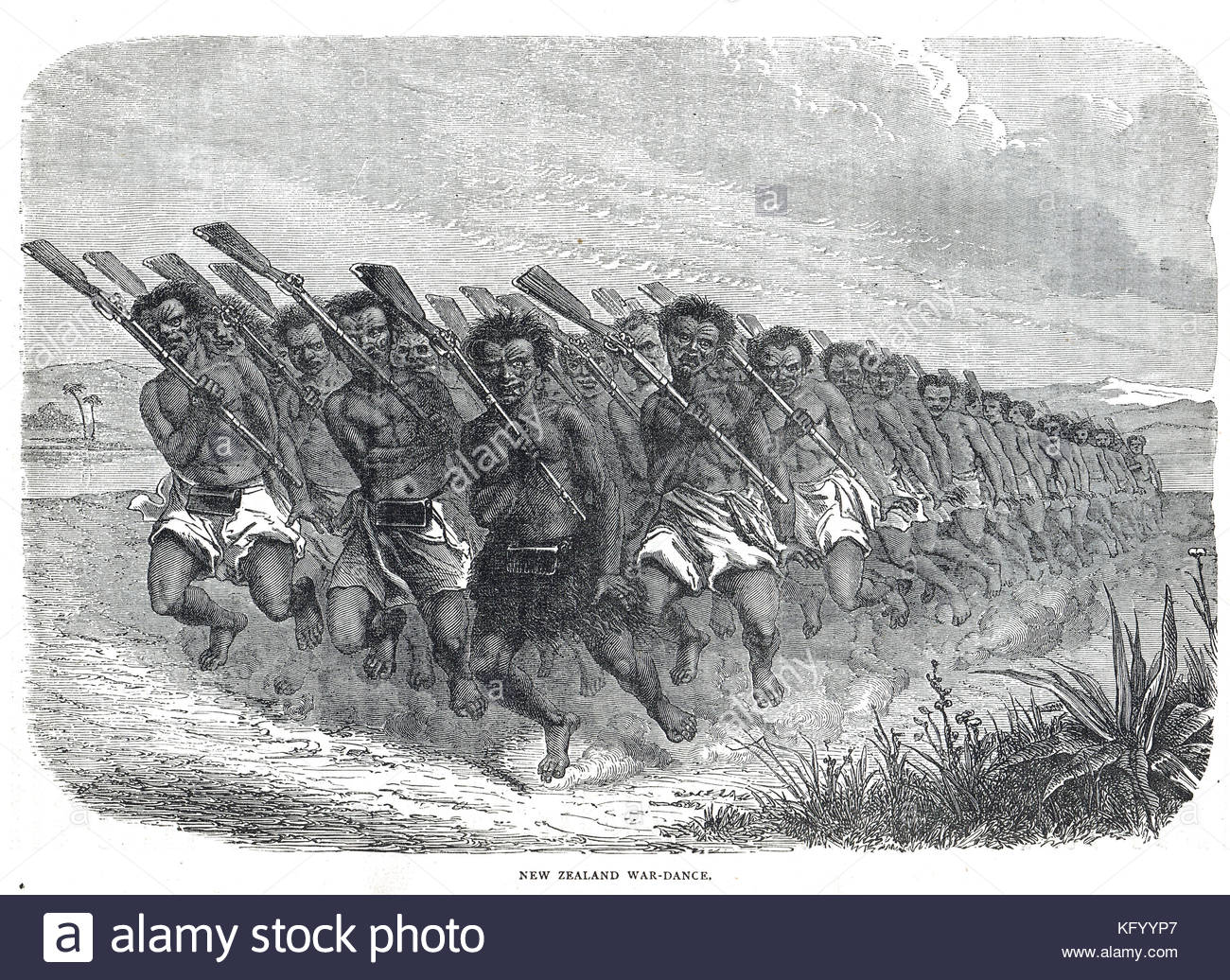
These Maori are going to war in
Australia
Indonesia
Kenya
New Zealand
France was most active in empire buiding in
North Africa
South Africa
China
The East Indies
The Monroe Doctrine
supported US Imperial ambitions
supported the British control of India
solved the "Scramble for Africa" issue
made the Opium Wars worse
Why were European countries imperializing? (Choose 2).
Economic gain
A way to learn about other cultures
To befriend people different from themselves
Access to raw materials

The economic system that prevailed from c. 1750-1900 was
Capitalism
Communism
Socialism
Mercantilism

What caused the Taiping and Boxer rebellions?
Foreign economic involvement in China
British selling opium to China
Indians refusing to touch the gunpowder pouches
Americans moving into West North America

Which was a state regulation of immigration during the nineteenth century?
Chinese Exclusion Acts
Congo Free State
White New Zealand Policy
Jim Crow Laws

Which of the following was the primary reason that immigrants created ethnic enclaves?
Support and safety
Refusal to assimilate
Difficulty finding work
Segregation by the government

Which of the following descriptions is an accurate change over time in the period c. 1750-1900?
Once the leader in scientific and economic development, China fell behind Europe
Once the leading producer of porcelain, China fell behind India
Once a country that maintained an isolationist policy, China participated in the Scramble of Africa
Once a country that actively sought foreign converts to Buddhism, China became an atheist state

Who had to take on new societal roles as men left to find work in other countries?
Women
Eldest children
Grandparents
Uncles

How were people able to migrate cheaper and faster?
New more affordable methods of transportation
Horses became more affordable for the common people
The elite paid for the lower class to migrate out of their country
Free trade policies made people wealthy in the countries

Why did European powers turn to indentured servants for labor?
The abolition of the slave trade
The shift in control in India to the British
The growth of industrialization in China
The success of the Atlantic revolutions

In the time period c. 1750-1900, where did migrant workers typically seek work?
Industrial cities
Tropical plantations
Small grain farms
Uncharted territory, such as the Great Plains

What was a negative effect of migrants moving to new societies looking for work?
They would receive prejudice and racism from the people
They would lose their culture because of enclaves
They would return to their home societies after saving enough money
They would loss their connections to their home societies

Select all of the accurate pairings of imperialism in Southeast Asia.
Netherlands: Dutch East Indies
France: Indochina
Great Britain: Philippines
United States: Malaya
Select all of the accurate migration patterns in the time period c. 1750-1900.
*Migration group: reason, destination
British: prisoners, to Australia
Indian: indentured servants, to the Caribbean
Japanese: voluntary laborers, to South America
West Africans: slaves, to North America
Irish: plagued by famine, to Germany
Which of the following resources was NOT a major export from Africa during the colonial period?
Rubber
Tea
Diamonds
Gold
How did European borders drawn in Africa during the colonization period affect the continent?
They accurately reflected the cultural and ethnic divisions of the African peoples.
They led to economic prosperity and unity among African nations.
They caused conflicts and wars due to disregard for ethnic and cultural boundaries.
They had no significant impact on African societies.
What was one of the main economic impacts of European imperialism in Africa?
The establishment of a free market economy
The introduction of African currencies
The exploitation of mineral resources and cash crops for export
The decrease in global trade
What role did technological advancements in Europe play in the colonization of Africa?
They had little to no impact on colonization.
They were crucial for navigation and mapping of the African continent.
They enabled Europeans to establish superior educational systems in Africa.
They provided military superiority that was crucial for the conquest and control of African territories.
What was a common justification used by European powers for colonizing African territories?
Promoting global peace
The need for new technological advancements
The "civilizing mission" to spread Christianity and Western values
To establish democratic governments
How did imperialism generally impact the indigenous peoples of colonized territories?
It improved their living standards significantly.
It led to cultural exchanges that were beneficial to all.
It resulted in exploitation, cultural loss, and sometimes genocide.
It had no significant impact.
The perceived duty of Europeans (driven by a feeling of racial superiority) to "civilize" non-Europeans is known as the:
(a)
Conflict in South Africa between British and Afrikaners was known as . . .
Opium Wars
Boer Wars
Civil Wars
Berlin Wars
True or False: Japan did not play a role in colonizing or "imperializing" another region.
true
false
Why was there a sudden demand for cheap forms of labor during the period of 1750-1900?
Slavery was widely abolished
There were not enough slaves
People needed new working conditions
The Industrial Revolution created too many jobs
People who worked for a set number of years without pay before becoming free were known as
slaves
maids
indentured servants
penal colony workers
Once slavery was abolished, free labor was replaced by _________, where workers would do the work of former enslaved people for very low pay.
factory workers
white collar workers
indentured servitude
contract labor
Britain and France sent their convicts to _______ colonies and forced them into hard labor until their sentence was complete.
prison
penal
indentured
settler
Challenges at home such as famine, poverty, and the desire for better opportunities were all reasons people moved from their home country to other places around the globe.
true
false
A(n) ______ is a scattered population whose origin lies in a different geographic location.
exodus
migration
diaspora
collective
What major world event lead to the Age of Imperialism?
The Agricultural Revolution
The abolition of slavery
The American Revolution
The Industrial Revolution
What technological development was essential for the industrial revolution, as well as long-distance migration from 1750-1900?
gunpoweder
steam engine
telegraph
airplane
What is the total duration of the AP World History Modern Exam?
2 hours and 30 minutes
3 hours and 15 minutes
4 hours
3 hours
How many multiple-choice questions are included in Section 1 of the AP World History Modern Exam?
30 questions
40 questions
55 questions
50 questions
Which part of the AP World History Modern Exam includes 3 short-answer questions?
Part A of Section 1
Part B of Section 1
Part II
None of the above
What is the exam weighting for the multiple-choice questions in Section 1?
10%
20%
30%
40%
How much of the exam weighting does the Document-Based Question (DBQ) hold?
10%
15%
20%
25%

