
 Worksheets
Unit 9 Test 5-9-24
Total questions: 50
Worksheet time: 34mins
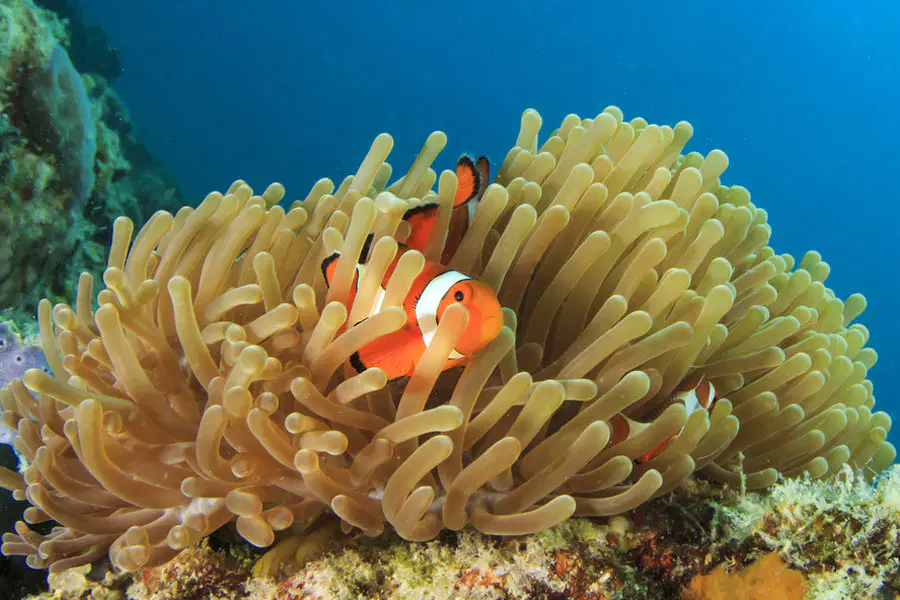
A clownfish receives shelter from predators and the anemone receives nutrients and protection from the clownfish:
predation
parasitism
mutualism
commensalism

Dodder grows and spreads on trees, taking their nutrients:
predation
parasitism
mutualism
commensalism

What would happen within a few months after the eruption of Mount St. Helens in 1980?
pioneer species would grow
no pioneer species would grow
trees and large plants would grow
rich, organic soil would be present
What would be a good example of a primary consumer?
carnivore
detrivore
decomposer
herbivore

Which organisms would be at the top or last trophic level?
plant
herbivore
omnivore
carnivore

The giraffe would be a
decomposer
producer
primary consumer
secondary consumer
Introduced species can disrupt ecosystems because they are a/an
Keystone Species
Endemic Species
Invasive Species
Native Species
Which is an example of where secondary succession could occur?
a glacier melts and exposes new rocks
natural fire burns a prairie
a corn field is abandoned and left to overgrow
flood covers a piece of land

Barnacles do not affect whales as they grow, but receive the benefit of a food source. This is
parasitism
mutualism
commensalism
neutralism

Mice might grow in population and destroy the community by eating all of the berry bushes if
wolves and snakes were removed from the food web
another predator migrated in to the community
the snake population grew
none of these
Which event would cause primary succession?
forest fire
flooding of a valley
volcanic lava flow
tornado
A lion that eats a zebra that eats grass is a
primary consumer
secondary consumer
tertiary consumer
quaternary consumer
What percentage of energy is passed on to the next trophic level?
5%
10%
50%
90%
Biotic can be defined as
the living parts of an ecosystem
non-living parts of an environment
rocks and water
snakes and water
Abiotic can be defined as?
An organism that is alive
Non-living parts of an ecosystem
Living Parts of the environment
A new kind of Pokemon that lives with Pikachu

Is rain an abiotic or biotic factor?
abiotic
biotic
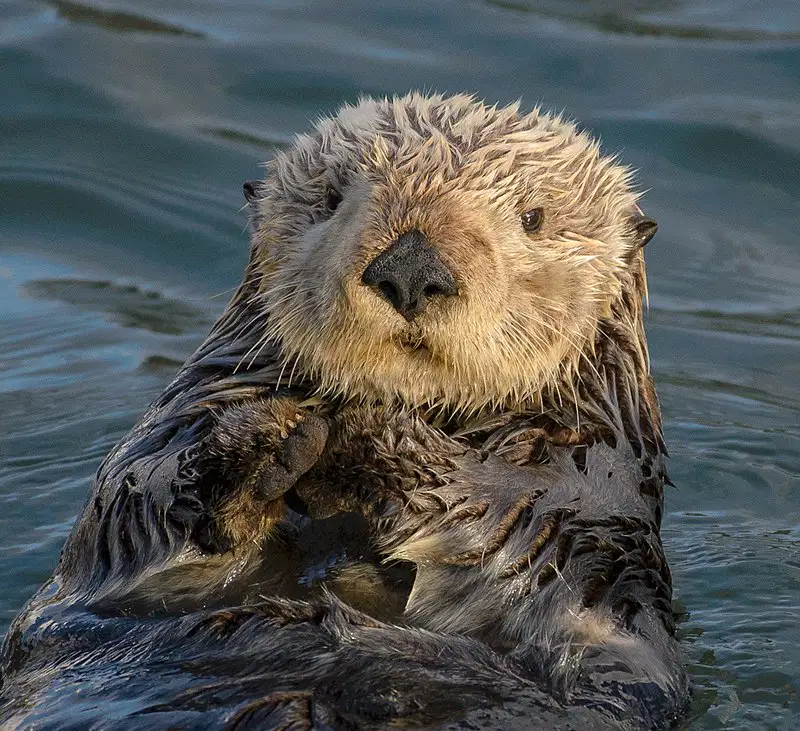
A species that plays a critical role in the health, maintenance, growth, or definition of an ecosystem.
keystone
invasive
engineer
predator
A producer is something that:
Eats plants
Makes its own food
Eats animals
Eats plants and animals
Consumers...
Make their own food
Go through photosynthesis
Eat other organisms
Breathe in carbon dioxide
Which of these things is NOT a consumer
Human
Whale
Tree
Chicken

Mushroom (Fungus)
Decomposer
Producer
Consumer

Falcon
Decomposer
Consumer
Producer

Cactus
Abiotic
Biotic
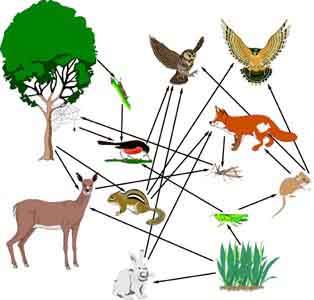
How would you calculate population density?
area/number of species
Number of individuals/total area
population x carrying capacity
(total area)x(number of species)/habitat types
One of the nutrient cycles moves from an atmospheric gaseous form to the soil through both abiotic and biotic processes, moves through the food web, then is returned to the soil or to the atmosphere. Which cycle fits this description?
Nitrogen
Carbon
Phosphorus
Water
What organism is responsible for nitrogen fixation?
plants
humans
bacteria
viruses
mice

What Niche would a Groundhog have?
Swimming in shallow waters.
Creating burrows.
Hunting large birds.
Breaking down dead plants and animals.

When a population arrives and goes INTO a habitat
niche
emigration
death rate.
immigration

What Habitat would a frog have?
marshes and ponds
eats insects
trees
tadpole

At what generation was carrying capacity met?
15
12
400
8
Logistic population growth can be described as
growth when resources are limited
a s-shaped curve
reaching carrying capacity
all of the above

Density-independent limiting factors to population growth includes
stress from overcrowding
parasitism
competition
natural disasters

What is a population ?
Disturbance has removed vegetation but left soil intact.
The natural birth, growth and development of ecosystem.
All organisms of a species that live in the same area.
A community of interacting organisms and their environment.
Which of the following is a density-dependent limiting factor?
human activities
unusual weather
competition for food
natural disasters
The end result of ecological succession is usually a(n)
land biome.
aquatic biome.
unstable community.
climax community.
. Which of the following is an example of primary succession?
lichens growing on rocks following a volcanic eruption
grasses growing after a forest fire
oak trees replacing pine trees in a forest
non-native species introduced into a climax community
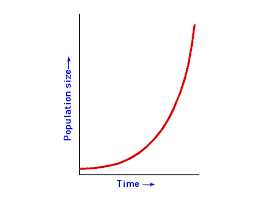
Identify the type of population growth shown on the graph.
logistic growth
exponential growth
predator-prey cycle
boom-bust curve
List a biome, and the kinds of plants and animals that live there, as well as a threat it faces
A person is driving from L.A. California to Washington D.C. list the biomes they would encounter in order
Desert -> Grassland -> Deciduous forest
Deciduous forest -> Grassland -> Deciduous forest -> Desert
Deciduous forest -> Desert -> Grassland
Grassland -> Desert -> Deciduous forest
Climate is ________ and Weather is ________
a long term pattern, day-to-day
a day-to-day condition, a long term pattern
high, low
regional, specific
An ecological footprint is...
the sum total of life on earth
a type of dance
how dependent humans are on natural resources
a path an animal takes to get food
A garden spider hunts for prey among plants, this is its'
abiotic factor
niche
habitat
ecosystem
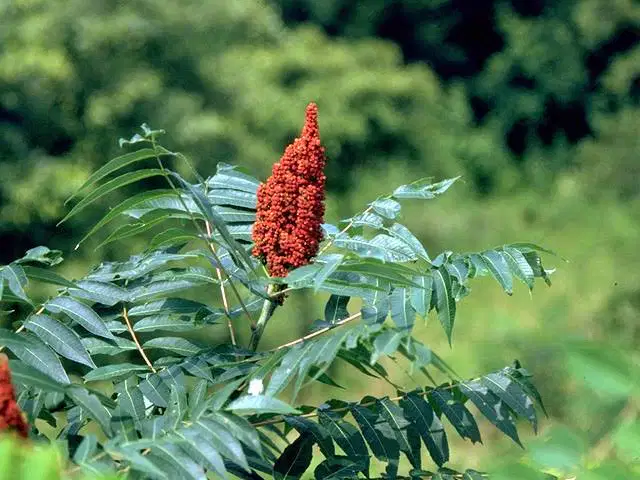
Smooth sumac grows in a wide range of areas including open woodlands, prairies, dry rocky hillsides, canyons, and protected ravines, this is its preferred
biotic factors
niche
habitat
biome
The increase of CO2 in the atmosphere would
do nothing
decrease the the average temperature
increase the average temperature
greenhouse gas
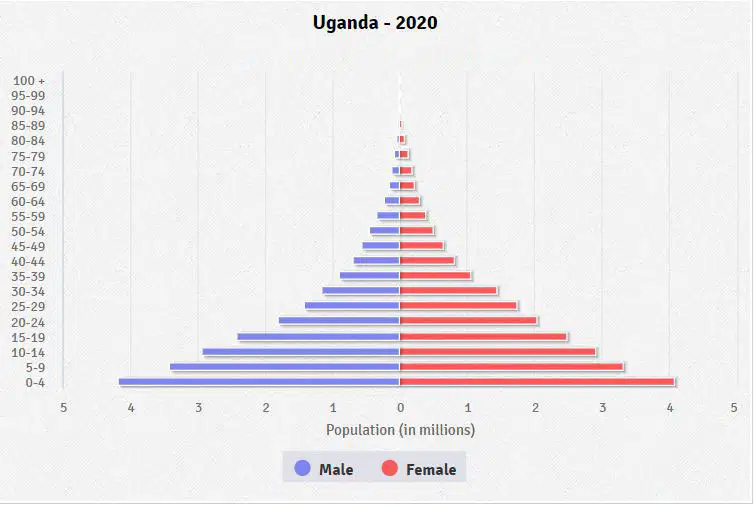
Who would the population of Uganda be based on this age demographic
Mostly elderly people, no kids under 10
Mostly middle aged men, no women beyond 40
Mostly young women, no older men as age decreases
mostly young children, fewer adults as age increases
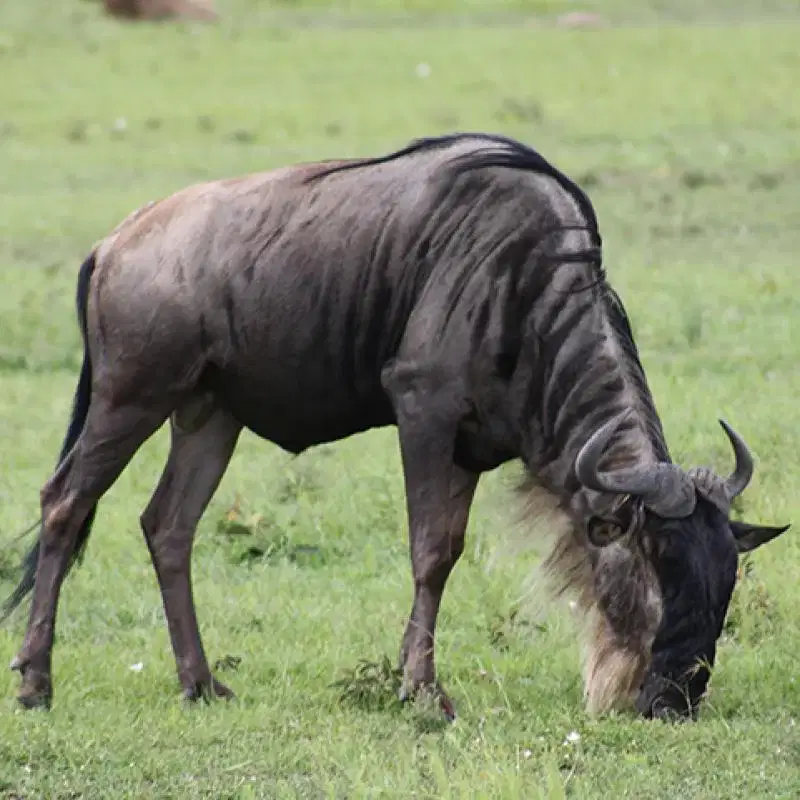
How do animals get the nitrogen that bacteria in the soil fix from the atmosphere?
They roll around on the ground to absorb nitrogen in the soil through osmosis
They eat lions which have lots of nitrogen in them
They eats plants
They eat the dirt the bacteria live in
What biome has lots of rain, a wet and a dry season, mild climate, and hosts most of the biodiversity on earth?
Temperate grassland
Tropical rainforest
Tundra
Taiga

