
NEW
Font size
 Worksheets
Q4- Long Test in Science 5
Total questions: 34
Worksheet time: 21mins
What type of rocks is the basalt?
Igneous Rocks
Sedimentary Rocks
Metamorphic Rocks
Minerals
Which of the following is true about rocks?
I. Relatively hard, naturally occurring mineral material.
II. Rock can only consist of one mineral.
III. Rocks have different characteristics.
I and II
III Only
II Only
I and III
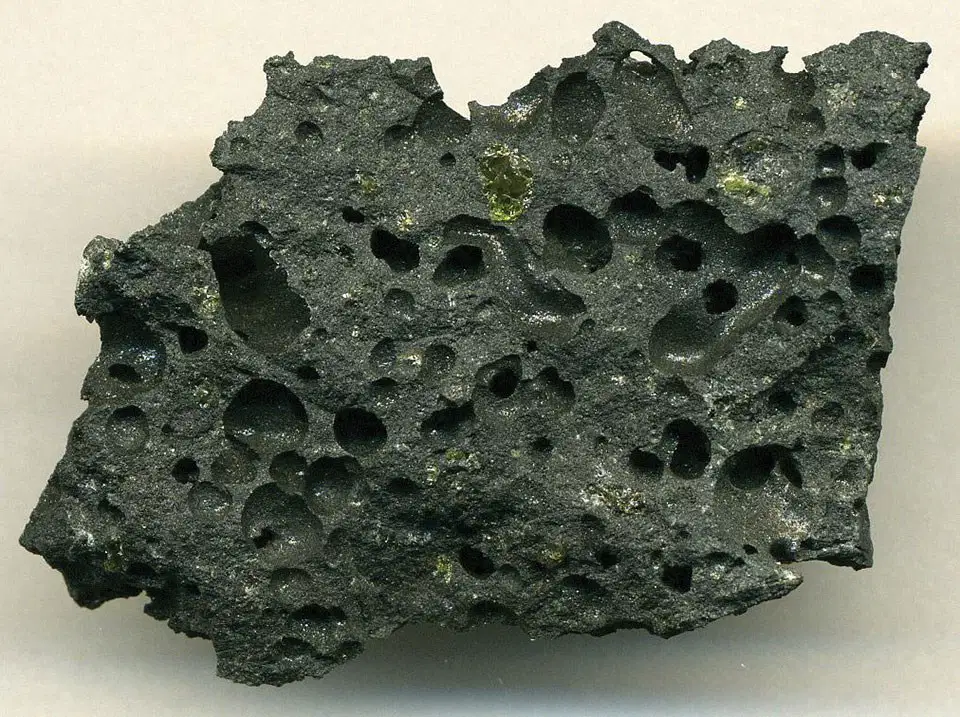
Study the pictures of rock. Identify their type. Choose your answers below.
Igneous rocks
Sedimentary rocks
Metamorphic rocks
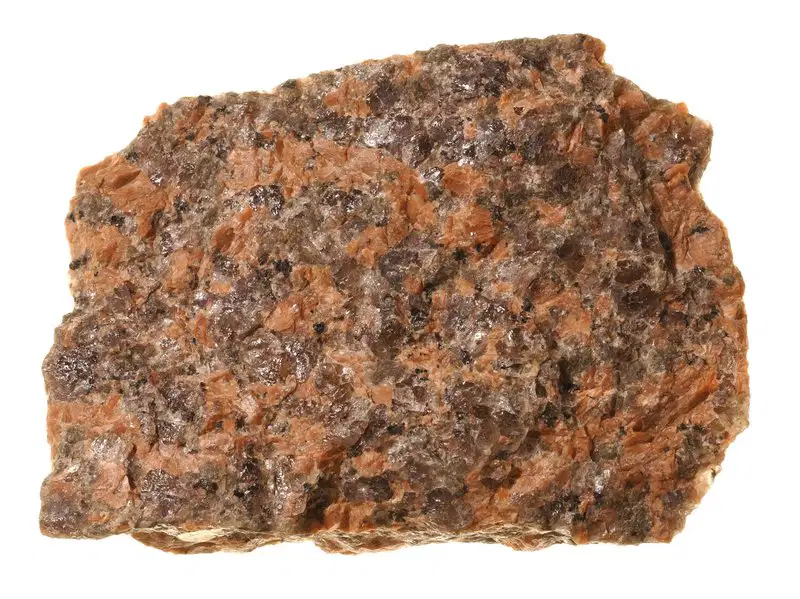
Study the pictures of rock. Identify their type. Choose your answers below.
Igneous rocks
Sedimentary rocks
Metamorphic rocks
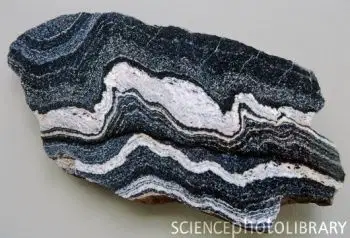
Study the pictures of rock. Identify their type. Choose your answers below.
Igneous rocks
Sedimentary rocks
Metamorphic rocks

Study the pictures of rock. Identify their type. Choose your answers below.
Igneous rocks
Sedimentary rocks
Metamorphic rocks

Study the pictures of rock. Identify their type. Choose your answers below.
Igneous rocks
Sedimentary rocks
Metamorphic rocks
The following are the uses of rocks in our daily lives EXCEPT
Making cement
Writing (Chalk)
Building Material
Collection
What rock is used as a bath scrub?
Pumice
Basalt
Marble
Sandstone
What type of rocks is formed from pre-existing rocks or pieces of once-living organisms?
Igneous rocks
Sedimentary rocks
Metamorphic rocks
All of these
Which of the following are made from rocks?
I. Flower Pot
II. Thick blanket
III. The Great Pyramid
IV. Steel Gate
I and II
III only
III and IV
I, III and IV
You observe that the soil in a pot lessens after a heavy rain. What does this show?
Rain helps the plant to grow
The plant needs more water
The soil was eroded by the rainfall
The soil became rich in nutrients.
Landslides on mountain slopes show the force of _________________.
Gravity
Wind
Runoff
Running Water
What could be a problem with a monument made from chalk?
It would not float.
It could not be shaped.
It could crumble over time
All of the above
What can increase the risk of soil erosion in a community?
I. Planting more trees II. Building structures in rural areas III. Regular rainfall
II and III
III only
I, II and III
II only
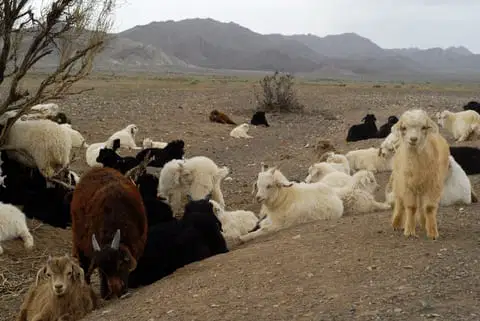
Study the picture on the right. What factor affected the soil
erosion?
A. Deforestation
Overgrazing of animals
Wind
Water
When is wind an agent of erosion?
When it breaks rocks into pieces.
When it carries rock pieces to other places.
When it stops picking up rocks.
When it presses down on rocks.
The wind is formed by:
The movement of air masses due to differences in temperature and pressure.
The rotation of the Earth.
The interaction of land and water bodies.
The presence of mountains and valleys.
How is land breeze formed?
The cooling of the land surface at night.
The warming of the water surface during the day.
The movement of air from the sea towards the land.
The movement of air from the land towards the sea.
Which of the following is a common weather disturbance in the Philippines?
Tornado
Glacier
Hurricane
Typhoon
How does sea breeze differ from land breeze?
Sea breeze occurs during the night, while land breeze occurs during the day
Sea breeze occurs when air moves from land to sea, while land breeze occurs when
air moves from sea to land.
Sea breeze occurs due to the rotation of the Earth, while land breeze occurs due to
pressure differences.
Sea breeze occurs in coastal areas, while land breeze occurs in inland areas.
Which of the following regions is most affected by easterly waves?
Polar Regions
Tropical regions
Desert regions
Temperate regions
What is the primary cause of the southwest monsoon?
Intense solar heating of the landmasses
Low-pressure systems over the Indian Ocean
High-pressure systems over the Indian Ocean
Cold air masses from the Arctic region
What conditions are typically present for the development of tropical cyclones in the Philippines?
High-pressure systems and dry air masses
Low-pressure systems and moist air masses
Cool Ocean temperatures and stable atmospheric conditions
Strong winds and clear skies
Study the following conditions. What is the Public Storm Warning Signal in these conditions?
I. A moderate Tropical Cyclone will affect the area.
II. Rice and corn may be greatly affected.
III. Classes are suspended in elementary and high school.
PSWS No. 1
PSWS No. 2
PSWS No. 3
PSWS No. 4
Study the following conditions. What is the Public Storm Warning Signal in these conditions?
I. Winds of 100 kph to 185 kph may be expected within the next 18 hours.
II. Widespread disruption of electrical supply.
III. Classes are automatically suspended at all levels.
PSWS No. 1
PSWS No. 2
PSWS No. 3
PSWS No. 4
What are the common effects of a typhoon on a community?
Decreased humidity and increased visibility
Enhanced agricultural productivity
Flooding, infrastructure damage, and power outages
Improved transportation systems and communication networks
Why is Mars considered a red planet?
Due to its dense atmosphere.
Because of its large ice caps.
The presence of iron oxide on its surface.
Because of its proximity to the sun.
Which of the following characteristics can differ among planets in our solar system?
I. Size II. Distance from the Sun III. Composition
I and II
I and III
I, II, and III
III Only
Which of the following characteristics can differ among planets in our solar system?
I. Size II. Distance from the Sun III. Composition
I and II
I and III
I, II, and III
III Only
What made Venus the hottest and the brightest planet?
Venus has a thick atmosphere that traps heat.
Venus is closest to the Sun.
Venus has a highly reflective surface.
Venus has a fast rotation speed.
Which of the following statements best describes the planets?
The planets are massive bodies made primarily of gas.
The planets in our solar system are rocky bodies that orbit the Sun.
The planets are icy bodies found in the outer regions of the solar system.
The planets are all moons that orbit larger bodies within our solar system.
Which planet in our solar system has the most moons?
Jupiter
Saturn
Uranus
Neptune
In many cultures, shooting stars or meteors were believed to be ___________.
Signs of good luck and prosperity.
Messengers from distant planets.
Spirits of deceased ancestors.
Predictors of upcoming earthquakes.

