
 Worksheets
End of Year Quiz Review
Total questions: 25
Worksheet time: 13mins
Line, shape, color, value, texture, space, and form as a group are called the ________________.
Elements of Art
Values of Art
Ethics of Art
Principles of Design

An element of art that refers to the lightness or darkness of a color is _______________.
Form
Shape
Value
Color
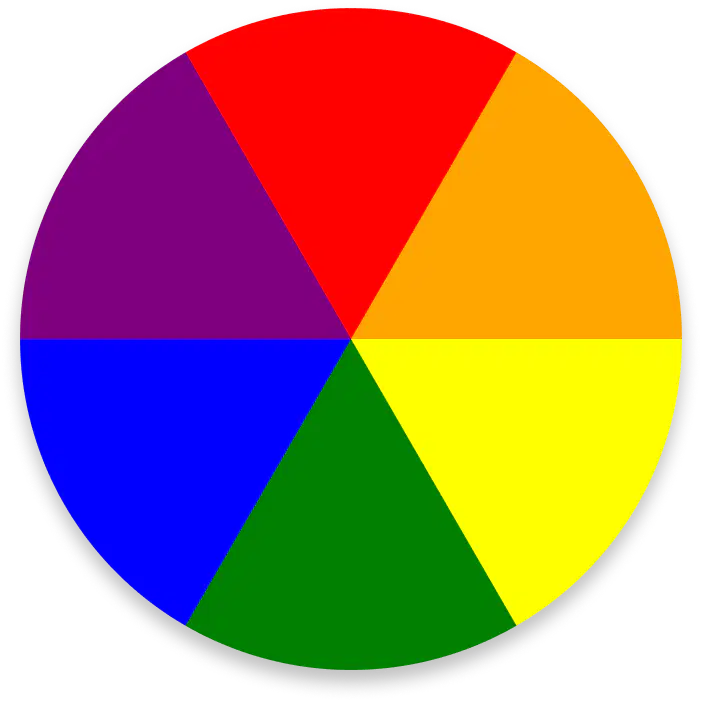
What are the three secondary colors?
Red, Yellow, and Blue
Green, Purple, and Orange
Black, Brown, and White
Yellow, Orange, and Red

Made of only a single color or hue and its tints and shades.
Analogous
Monochromatic
Complementary
Tertiary
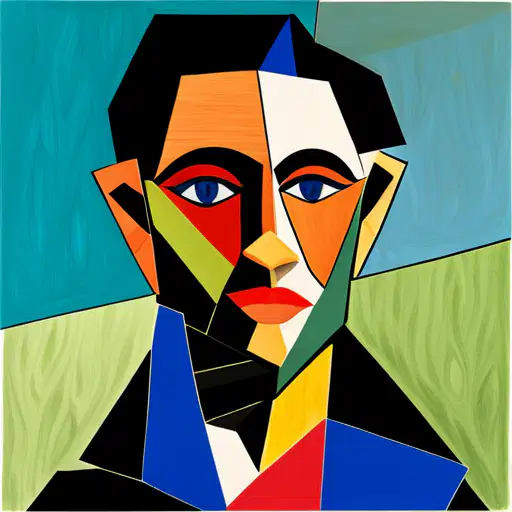
Which art movement does this painting come from?
Renaissance
Baroque
Rococo
Cubism
These are used in artworks to represent a deeper message.
Context
Symbols
Similes
Synonym

The element of art that describes how something feels or looks like it might feel. This element can be actual or implied.
Line
Value
Texture
Space
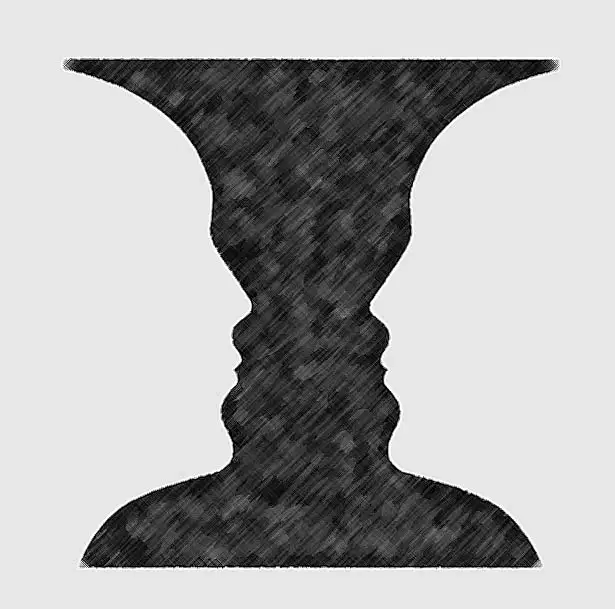
The above picture highlights which element of art?
Form
Shape
Texture
Space
Name the principle of art that focuses on using opposites in an artwork.
Unity
Contrast
Balance
Repetition/Pattern
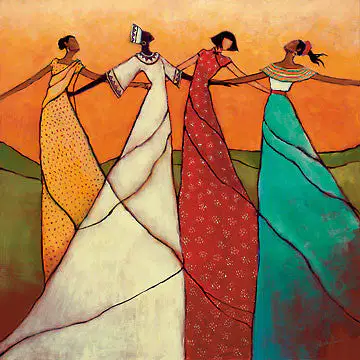
The painting highlights which principle of art?
Balance
Unity
Proportion
Emphasis
The word “narrative” means _______________.
a speech
a story
an artwork
a workspace station
Which of the following best describes how artists use their work to convey messages?
Expression of Emotions
Social and Political Commentary
Cultural Reflection
All of the above

This is an example of what type of clay technique?
Slip
Welding
Chop
Scoring
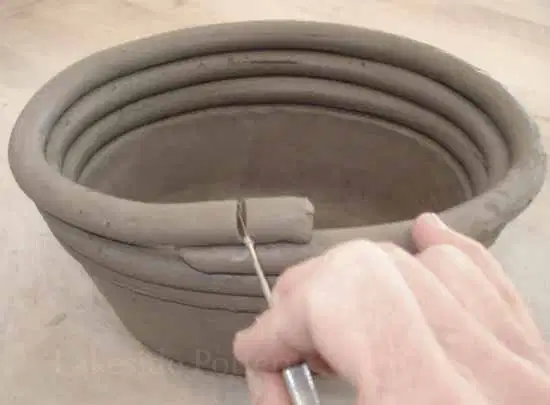
The picture illustrates building with _____________.
Slabs
Coils
Vase
Pinching
What is Pop Art?
An art movement that depicts objects or scenes from everyday life
Art that pops
An art movement that focuses on the strokes of a painting
Art that combines visual art with dramatic performance
Which of the following artists comes from the Pop Art era?
Salvador Dali
Leonardo Da Vinci
Andy Warhol
Pablo Picasso
What is a still life?
It is an artwork that focuses on ONLY nature
It is a collection of inanimate objects arranged together
It is artwork that focuses on life
It is a collection
What form of art is Pablo Picasso most known for?
Contemporary Art
Rococo
Baroque
Cubism
Which of the following is NOT part of the art critique process?
Analysis
Interpretation
Judgement
Emphasis
Contemporary art focuses on which themes?
Identity, Globalization and Technology
Heroes and Villians, Love, Family
Survival, Circle of Life
Hope, Bravery, Friendship

This architecture comes from the ___________ era.
Baroque
Modern
Cubism
Rococo
Architecture refers to _________________.
Paintings on display
Acrylic, Watercolors, and Tempura
The art and technique of designing and building
Sets made for plays
A person who specializes in managing collections, preserving art and displaying artifacts.
Doctor
Artist
Specialist
Curator
Performative art focuses on _______________.
An art form done individually
Theater only
A time-based art form that typically features a live presentation to an audience and draws on such arts as acting, poetry, painting, and more
Being part of a festival or other large event
The art critique step that focuses on how the elements and principles of art are organized in an artwork is called _______________.
Description
Analysis
Interpretation
Judgement

