
 Worksheets
Science Review 1
Total questions: 66
Worksheet time: 37mins

The bell makes a sound when it is hit because the bell?
Resonates with the vibrations from the striker
Contains a hidden bell
Is made of a special metal alloy
Is shaped to amplify sound vibrations
Which arrow points to the wire of a simple series circuit?


Which arrow points to the load of a simple series circuit?
Which arrow points to the power source of a simple series circuit?
Which arrow points to the switch of a simple series circuit?
Which change would be harmful to the habitat of an owl?
Reducing pesticide use in the area
Introducing a new species of prey into the owl's ecosystem
Clearing of nearby forests for agricultural expansion
Building a new highway through the owl's habitat
Which part of the circuit can start or stop the flow of electricity?
The load
The switch
The power source
The wire

Which is the predator?
Wolf
Buck

Which is the predator?
Ox
Tiger

The lion, tiger, wolf and eagle are examples of _______.
producers
primary consumers
secondary consumers
apex predators
prey
Grass is an example of ______.
producer
primary consumer
secondary consumer
apex predator
prey
Fatemah is describing a liquid to Maha. Which description/s should she choose?
It's hard and has a gritty texture.
It flows easily and can be poured.
It expands to fill its container completely.
It maintains its shape and can be molded
It conforms to the shape of its container.
Maktoom is describing a gas to Julia. Which description/s should he choose?
It fills the entire space of its container.
It has a definite shape and volume.
It flows easily and takes the shape of its container.
It maintains its shape and cannot be compressed.
It has a fixed volume but takes the shape of its container.
What degree that water freezes at?
(a)
What degree that water boil at?
(a)
Which of these teeth is a canine?
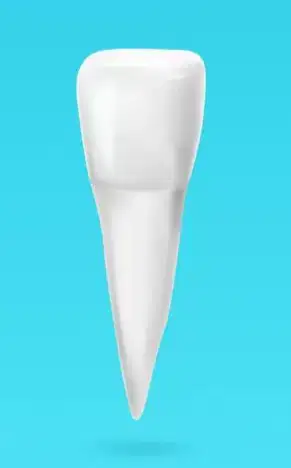


Which of these teeth is a incisor?
Which of these teeth is a molar?
Which of these teeth is a premolar?

This is an example of a/an _______.
vertebrate
invertebrate
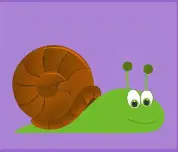
This is an example of a/an _______.
vertebrate
invertebrate

This is an example of a/an _______.
vertebrate
invertebrate

This is an example of a/an _______.
vertebrate
invertebrate

Classify this animal.
Amphibians
Reptiles
Mammals
Fish
Insects

Classify this animal.
Amphibians
Reptiles
Mammals
Fish
Insects

Classify this animal.
Amphibians
Reptiles
Mammals
Fish
Insects

Classify this animal.
Amphibians
Reptiles
Mammals
Fish
Insects

Classify this animal.
Amphibians
Reptiles
Mammals
Fish
Insects

What part of the instrument vibrates to make the sound?
elastic band
pencil
hole for pencil
pencil holder
What part of the instrument vibrates to make the sound?
elastic band
pencil
hole for pencil
air
What would happen if you used a thicker elastic band?
It would make the sound louder.
It would make the sound quieter.
The pitch would be lower.
The pitch would be higher.
How could you make a louder sound on this instrument?
Pluck the elastic band more gently.
Pluck the elastic band harder.
Move the pencils closer together.
Move the pencils further apart.
Move the elastic band down the pencils.
How could you make a higher pitch with this instrument?
Pluck the elastic band more gently.
Pluck the elastic band harder.
Move the pencils closer together.
Move the pencils further apart.
Move the elastic band down the pencils.

When the triangle is struck it makes a sound. What happens to the triangle to make the sound?
vibrates
moves
shakes
the rod vibrates

Which triangle makes the highest pitch sound?
A
B
C
D
Which triangle makes the lowest pitch sound?
A
B
C
D
Which of these best describes precipitation?
When the sun shines on water, it makes some of it disappear. This disappearing water turns into something called water vapor, which goes up into the air.
Plants drink water from the ground through their roots. Then, they breathe out some of this water through tiny holes in their leaves.
Up in the sky, the water vapor cools down and becomes tiny drops of water or ice crystals. These tiny drops or crystals stick together to make clouds.
When clouds get heavy, the water drops or ice crystals fall back to the ground as rain, snow, sleet, or hail.
Not all the rain soaks in. Some of it flows over the ground, making rivers and streams.
Which of these best describes evaporation?
When the sun shines on water, it makes some of it disappear. This disappearing water turns into something called water vapor, which goes up into the air.
Plants drink water from the ground through their roots. Then, they breathe out some of this water through tiny holes in their leaves.
Up in the sky, the water vapor cools down and becomes tiny drops of water or ice crystals. These tiny drops or crystals stick together to make clouds.
When clouds get heavy, the water drops or ice crystals fall back to the ground as rain, snow, sleet, or hail.
Not all the rain soaks in. Some of it flows over the ground, making rivers and streams.
Which of these best describes transpiration?
When the sun shines on water, it makes some of it disappear. This disappearing water turns into something called water vapor, which goes up into the air.
Plants drink water from the ground through their roots. Then, they breathe out some of this water through tiny holes in their leaves.
Up in the sky, the water vapor cools down and becomes tiny drops of water or ice crystals. These tiny drops or crystals stick together to make clouds.
When clouds get heavy, the water drops or ice crystals fall back to the ground as rain, snow, sleet, or hail.
Not all the rain soaks in. Some of it flows over the ground, making rivers and streams.
Which of these best describes condensation?
When the sun shines on water, it makes some of it disappear. This disappearing water turns into something called water vapor, which goes up into the air.
Plants drink water from the ground through their roots. Then, they breathe out some of this water through tiny holes in their leaves.
Up in the sky, the water vapor cools down and becomes tiny drops of water or ice crystals. These tiny drops or crystals stick together to make clouds.
When clouds get heavy, the water drops or ice crystals fall back to the ground as rain, snow, sleet, or hail.
Not all the rain soaks in. Some of it flows over the ground, making rivers and streams.
Which of these best describes runoff?
When the sun shines on water, it makes some of it disappear. This disappearing water turns into something called water vapor, which goes up into the air.
Plants drink water from the ground through their roots. Then, they breathe out some of this water through tiny holes in their leaves.
Up in the sky, the water vapor cools down and becomes tiny drops of water or ice crystals. These tiny drops or crystals stick together to make clouds.
When clouds get heavy, the water drops or ice crystals fall back to the ground as rain, snow, sleet, or hail.
Not all the rain soaks in. Some of it flows over the ground, making rivers and streams.
Which transformation of matter happens when a solid turns to a liquid?
Melting
Freezing
Vaporization
Condensation
Sublimation
Which transformation of matter happens when a liquid turns to a solid?
Melting
Freezing
Vaporization
Condensation
Sublimation
Which transformation of matter happens when a liquid turns to a gas?
Melting
Freezing
Vaporization
Condensation
Sublimation
Which transformation of matter happens when a gas turns to a liquid?
Melting
Freezing
Vaporization
Condensation
Sublimation

How many ml are in the beaker?
(a)

How many ml are in the beaker?
(a)

How many ml are in the beaker?
(a)

How many ml are in the cylinder?
(a)

How many ml are in the cylinder?
(a)

This animal can be classified as a/an _________.
Carnivore
Omnivore
Herbivore

This animal can be classified as a/an _________.
Carnivore
Omnivore
Herbivore

This animal can be classified as a/an _________.
Carnivore
Omnivore
Herbivore

This animal can be classified as a/an _________.
Carnivore
Omnivore
Herbivore

Is it a conductor or insulator?
Conductor
Insulator

Is it a conductor or insulator?
Conductor
Insulator

Is it a conductor or insulator?
Conductor
Insulator

Is it a conductor or insulator?
Conductor
Insulator

Is it a conductor or insulator?
Conductor
Insulator

Is it a conductor or insulator?
Conductor
Insulator

Is it a conductor or insulator?
Conductor
Insulator

Is it a conductor or insulator?
Conductor
Insulator

Is it a conductor or insulator?
Conductor
Insulator

Is it a conductor or insulator?
Conductor
Insulator

Electrical wires are covered in plastic. The plastic
keeps the wire cool.
conducts heat.
is a good electrical insulator.
is magnetic.
Which of these pieces of equipment would be best to measure the mass of two small rocks?



