
 Worksheets
Health Assisting Final Exam: Vital Signs
Total questions: 48
Worksheet time: 24mins
Name
Class
Date
1.

2. Which option is the best definition of vital signs?
a)
Monitored measurements of the body's basic functions that show how well the body is
b)
Values only monitored by healthcare professionals
c)
Values only monitored by patients themselves
2.
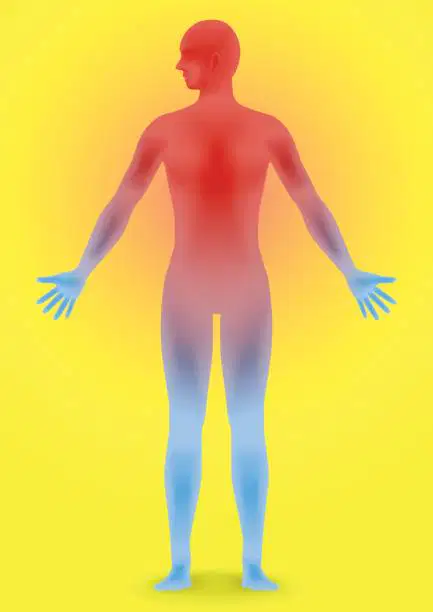
3. Which vital sign is a measurement of body heat?
a)
Pain
b)
Blood pressure
c)
Temperature
3.

4. Which below are temperature sites?
a)
Temporal
b)
Femoral
c)
Rectal
d)
Apical
4.

5. Which temperature is considered afebrile?
a)
99.2 F
b)
100.4 F
c)
103.8 F
5.
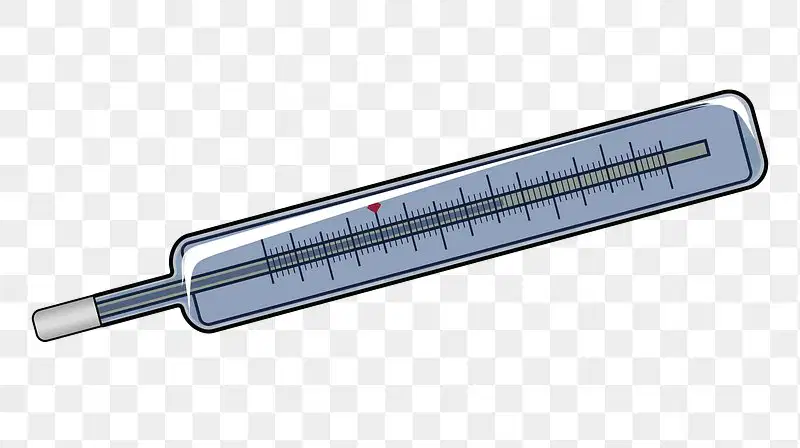
6. Which temperature is considered febrile?
a)
97.5 F
b)
99.8 F
c)
100.9 F
6.

7. What is the average normal temperature?
a)
98.6 F
b)
99.3 F
c)
102.1 F
7.
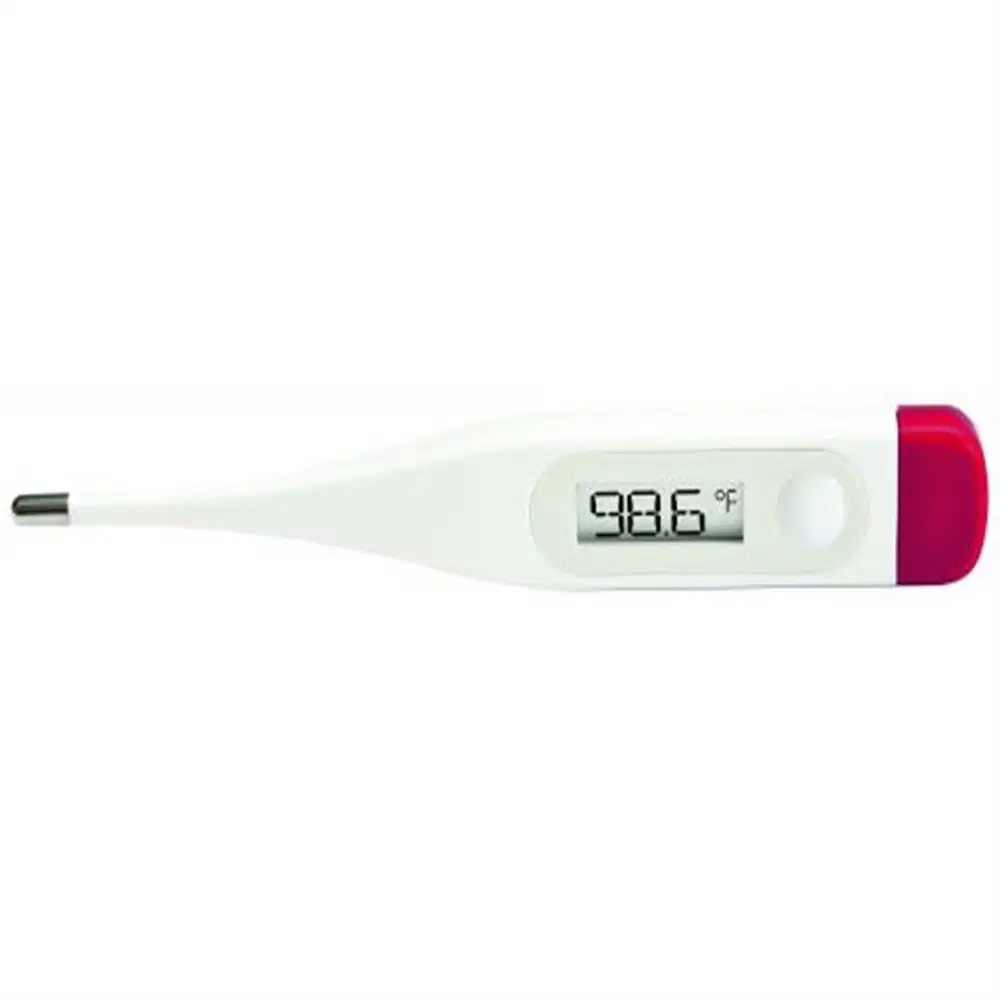
8. How far does the probe get inserted for a rectal temperature?
a)
1/4" - 1/2"
b)
1/2" - 1"
c)
1" - 2"
8.

9. Which temperature site is the most accurate?
a)
Rectal
b)
Axillary
c)
Oral
9.
10. What does hyperthermic mean?
a)
Increased heart rate >100 BPM
b)
Increased temperature >104 F
c)
Decreased temperature <95 F
10.
11. What does hypothermic mean?
a)
Decreased temperature <95 F
b)
Decreased heart rate <60 BPM
c)
Increased heart rate >100 BPM
11.
12. Temperature is usually higher in the _________________.
a)
Morning
b)
Mid-day
c)
Evening/Night
12.
13. The elderly population tends to have _________________ temperatures compared to newborns.
a)
Higher
b)
The same
c)
Lower
13.
15. What does palpate mean?
a)
To see
b)
To listen
c)
To feel
14.
16. What does auscultate mean?
a)
To listen
b)
To see
c)
To feel
15.
17. Which pulse range is expected for newborns just after birth?
a)
90 - 160 BPM
b)
50 - 70 BPM
c)
60 - 100 BPM
16.

18. Which pulse range is expected in adults?
a)
140 - 150 BPM
b)
90 - 160 BPM
c)
60 - 100 BPM
17.

19. Which fingers do you NOT use to palpate a pulse? (select all that apply
a)
Thumb
b)
Index finger
c)
Middle finger
d)
Ring finger
e)
Pinky finger
18.
20. Which heart rate is considered tachycardic?
a)
60 BPM
b)
119 BPM
c)
99 BPM
19.
21. Which heart rate is considered bradycardic?
a)
50 BPM
b)
60 BPM
c)
110 BPM
20.
22. What is an arrhythmia?
a)
Something with a regular rhythm
b)
A regular heart rate
c)
An irregular heart rate
21.

23. Which of the following describe pulse volume? (select all that apply)
a)
Normal
b)
Thready
c)
Bounding
22.

24. Which may cause an increase in pulse?
a)
Sleeping
b)
Meditating
c)
Exercising
23.

25. Which may cause a decrease in pulse?
a)
Sleeping
b)
Exercise
c)
Anxiety
24.
26. Which pieces of medical equipment can we use to auscultate a pulse? (select all that apply)
a)
Stethoscope
b)
Doppler
c)
Fingers
d)
Sphygmomanometer
e)
Pulse Oximeter
25.
27. What is respiratory rate?
a)
The number of times one breathes in one minute
b)
The pressure of blood on blood vessel walls
c)
A measurement of oxygen in the blood
26.

28. What is a normal respiratory rate in an adult?
a)
12 - 20 breaths per minute
b)
60 - 100 breaths per minute
c)
95 - 100 breaths per minute
27.

29. A respiratory rate of 40 is an example of ____________________.
a)
Tachypnea
b)
Tachycardia
c)
Hypertension
28.

30. A respiratory rate of 7 is an example of _________________________.
a)
Bradycardia
b)
Hypotension
c)
Bradypnea
29.
31. What does apnea mean?
a)
An absence of a heart rate
b)
An absence of breathing
c)
Without fever
30.
32. What does dyspnea mean?
a)
Difficulty finding a pulse
b)
A weak pulse
c)
Difficulty breathing
31.

33. What is blood pressure a measurement of?
a)
The force of blood pushing against the walls of the blood vessels
b)
Body heat
c)
The number of times the heart contracts and relaxes
32.

34. What is a "textbook normal" blood pressure?
a)
60/100
b)
100/60
c)
120/80
33.

35. What is the range of normal blood pressures?
a)
Systolic 140-90
Diastolic 90-60
b)
Diastolic 100-50
Systolic 90-60
c)
Systolic 160-120
Diastolic 100-80
34.

36. In the United States, what do we measure temperature in?
a)
Beats per minute (BPM)
b)
Degrees Fahrenheit
c)
Degrees Celsius
35.
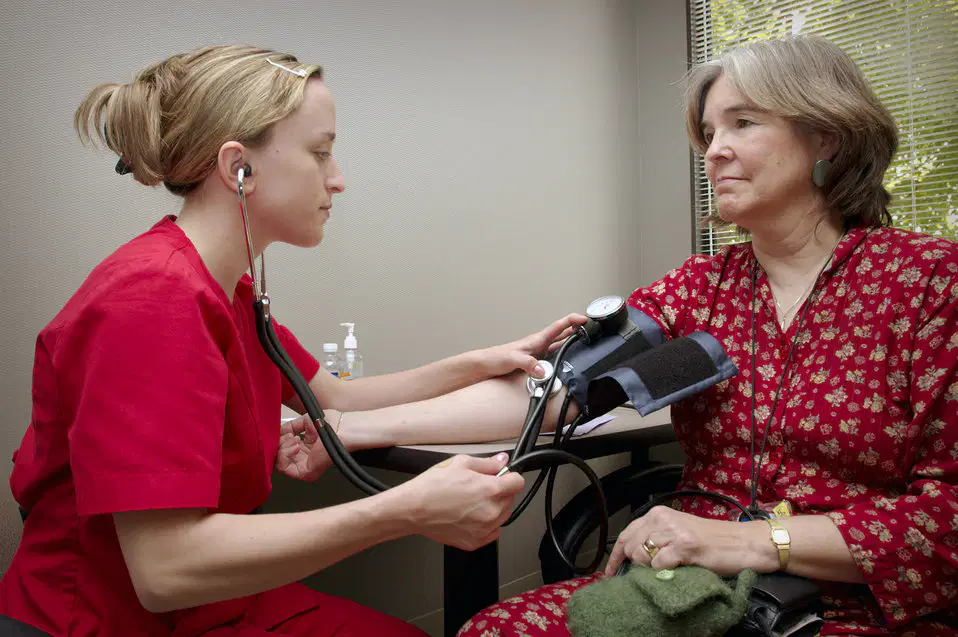
37. What is the label that blood pressure is measured in?
a)
Degrees Fahrenheit
b)
Percent (%)
c)
mmHg (millimeters of Mercury)
36.

38. Your patient's blood pressure is 138/88. Which number is the systolic pressure?
a)
138
b)
88
c)
There is no systolic pressure
37.

39. Your patients blood pressure is 102/82. Which number is the diastolic pressure?
a)
102
b)
82
c)
There is no diastolic pressure
38.

40. Which is the first sound heard when checking a manual blood pressure?
a)
Diastolic
b)
Systolic
c)
Heart rate
39.
41. What is hypotension?
a)
A high blood pressure; >140/90
b)
A low blood pressure; <90/60
c)
A low heart rate <60 BPM
40.
42. What is hypertension?
a)
A high blood pressure; >140/90
b)
A low blood pressure; <90/60
c)
A high heart rate >100 BPM
41.
43. What medical equipment is needed to check a blood pressure? (select all that apply)
a)
Stethoscope
b)
Thermometer
c)
Pulse Oximeter
d)
Pain scale
e)
Sphygmomanometer
42.
44. TRUE or FALSE. There are both manual and automatic sphygmomanometers.
a)
TRUE
b)
FALSE
43.

45. What is the correct numeric pain scale?
a)
60 - 100
b)
1-20
c)
0-10
44.

46. What piece of equipment is needed to check oxygen saturation?
a)
Sphygmomanometer
b)
Stethoscope
c)
Pulse Oximeter
45.

47. What is a normal oxygen saturation?
a)
0-10
b)
90 - 100%
c)
95 - 100 %
46.
48. What are 2 things that can interfere with an accurate oxygen saturation reading? (select 2)
a)
Cold fingers
b)
Nail polish or artificial nails
c)
Being mad
d)
Hot fingers
e)
Sweating
47.
49. What is the difference between hypoxemia and hypoxia?
a)
Hypoxemia is low oxygen levels in blood whereas hypoxia is low oxygen levels in tissues
b)
Hypoxemia is low oxygen levels in tissues whereas hypoxia is low oxygen levels in blood
c)
They both have the same meaning
48.

50. TRUE or FALSE: CNAs check patients' vital signs and are responsible for reporting abnormal results to the nurse or doctor.
a)
TRUE
b)
FALSE
100 %

