
 Worksheets
World History Final Exam
Total questions: 50
Worksheet time: 26mins
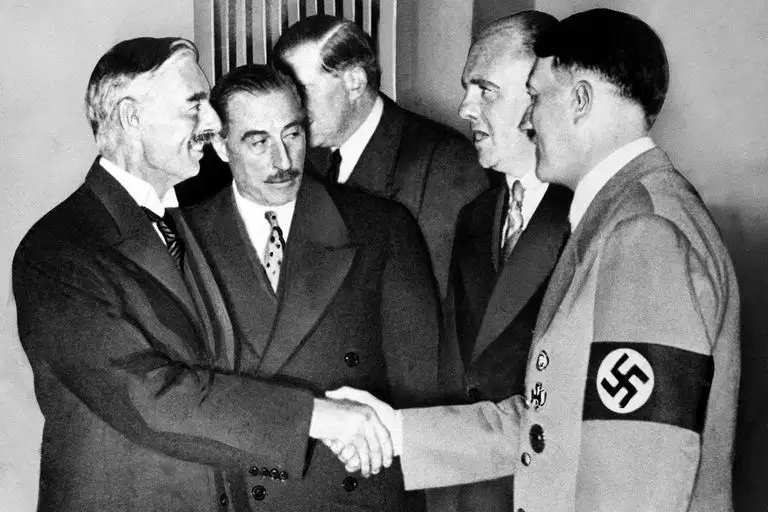
Conference where England gave Hitler the German speaking regions (AKA the Sudetenland) of Czechoslovakia. This was done to appease Hitler. What was this Conference called?

Ideological, political, and economic struggle between the U.S. and the USSR after WWII which occurred from 1945-1991 when the Soviet Union collapsed. What was this "war" called?
Cold War
WWI
WWII
Phony War

Which American President authorized the atomic bombings of Nagasaki and Hiroshima?

What was the Manhattan Project?
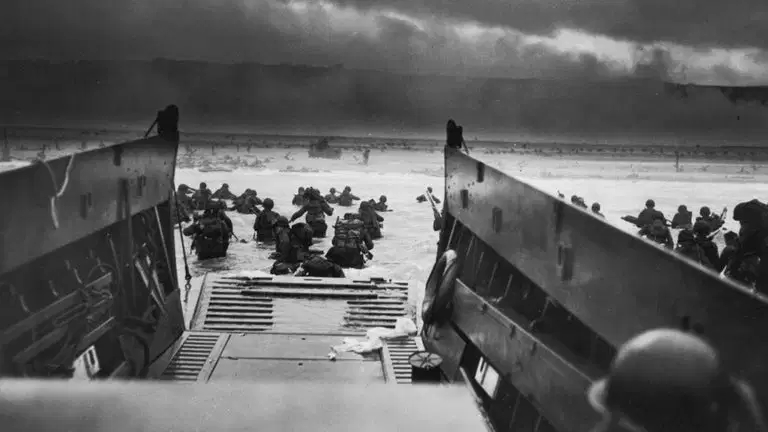
When was the invasion of Normandy (AKA D-Day)?
June 8, 2010
June 6, 1988
June 6, 1944
July 4, 1944
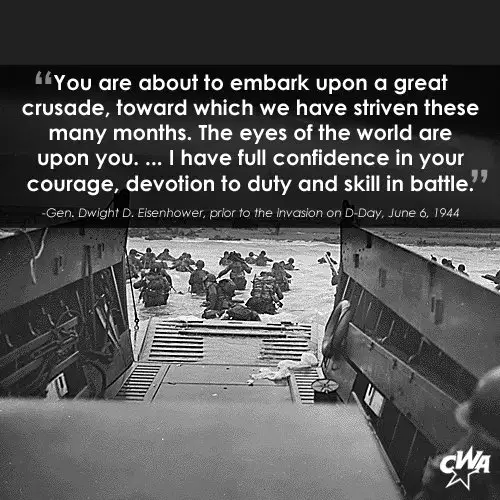
The victory at Normandy (AKA D-Day) was important because
it made Germany continue the war
it helped end the war
it allowed Russia to regain control of the world
it started world war III
What does D-day refer to?
the battle of WWII
The invasion of Normandy
The world war
The french revolution
What countries were apart of the D-Day Invasion?
United States, United Kingdom and other Allied nations.
What countries made up the Allied Powers during WWII?
United States, United Kingdom, Soviet Union...
What countries made up the Axis Powers of WWII?

During World War 2, which two cities were atomic bombs dropped on by the United States?
Tokyo and Kyoto
Hiroshima and Nagasaki
Osaka and Sapporo
Yokohama and Kobe
What is containment?
U.S. foreign policy of threatening to use all out military aggression against enemy
The purchasing of material goods
Designing of products to wear out or become outdated so consumers need to buy more
U.S. foreign policy of blocking spread of communism to other nations by the Soviets

Leader of Communist North Vietnam.
The goal of the Marshall Plan was to stop the spread of communism by providing money to rebuild war-torn Europe. This is an example of what U.S. Cold War policy?
Expansion
Containment

What was the Domino Theory during the Cold War?

Leader of Fascist Italy during WWII.
Leader of Nazi Germany.
Adolf Hitler
Winston Churchill

Leader of the Soviet Union prior to, during, and after WWII.
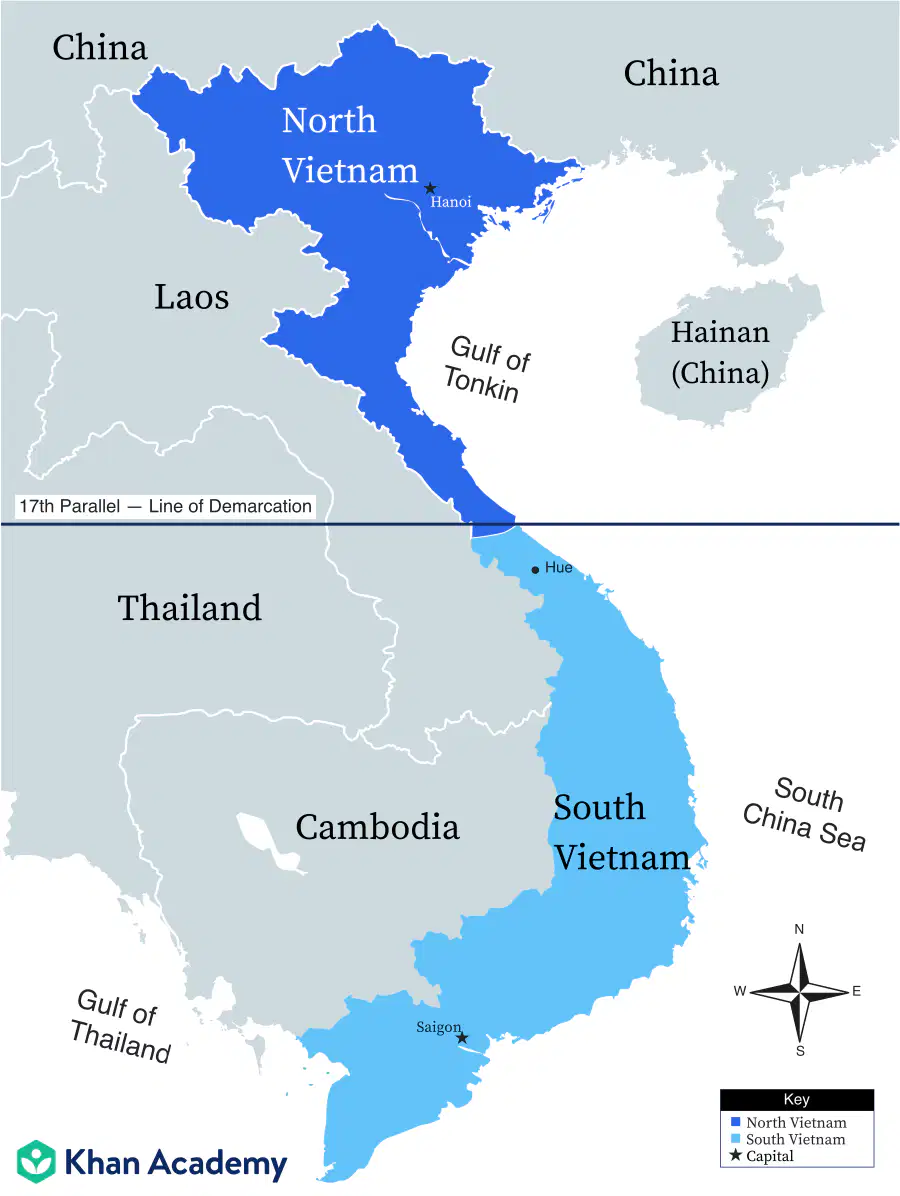
What was the significance of the 17th Parallel during the Cold War?
The 17th Parallel marked the division between Communist North and non-Communist South Vietnam during the Cold War.
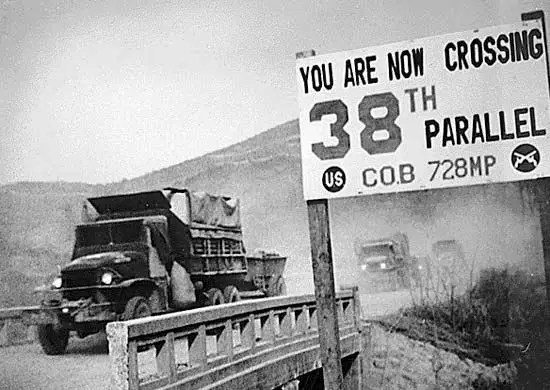
What does the 38th Parallel do?
It marks the border between Communist North Korea and non-Communist South Korea.
What did the 38th Parallel symbolize during the Cold War?
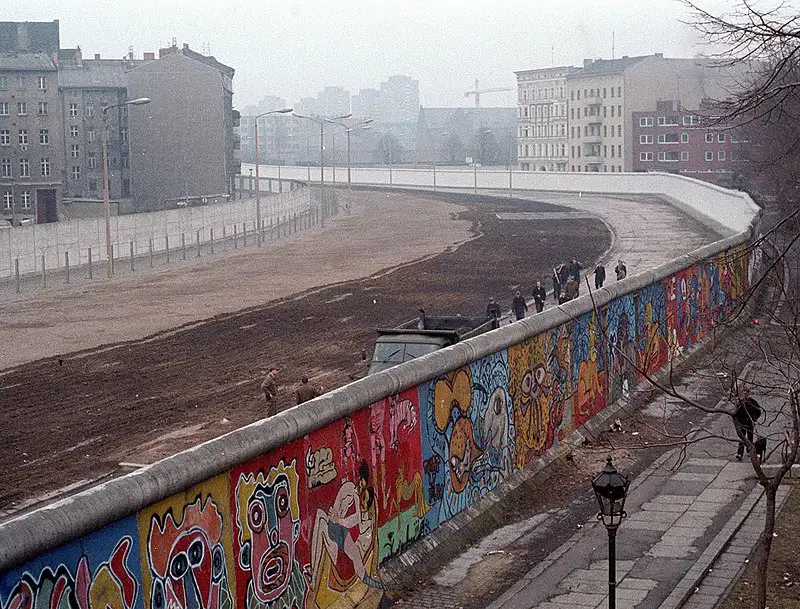
What did the Berlin Wall come to represent during the Cold War?
Division between communist East and non-communist West during the Cold War
During World War II in the Pacific, the Americans would take small Japanese owned Islands to cut off supplies. They also took these islands to get closer to Japan in order to stage a possible land invasion of the Home Island. What was this strategy called?

What Pacific WWII American strategy is being depicted in this map?
Land Hopping
Ocean Hopping

What event forced America to join WWII on the side of the allies?
What Axis nation bombed Pearl Harbor on December 7, 1941?
Who was the president for most of America's involvement during WWII?
First South African black President.
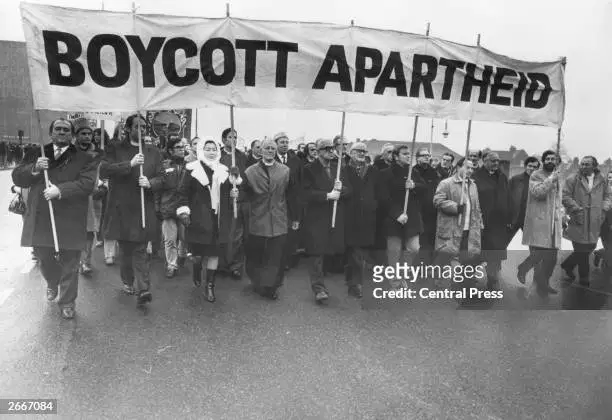
What is Apartheid?
What country enforced Apartheid laws/customs until the 1990s?

What South African ideology does this picture represent?
De-segregation
Indian leader who non-violently pushed for Indian independence from the British.

March where Indians protested taxes on salt and the monopoly the British had on salt. This is also considered the key event that eventually led to Indian Independence. What was this march called?

Which event prompted the United States to enter World War II?
The German annexation of Austria.
The Soviet occupation of Germany.
The landing of Allied soldiers on Normandy Beach.
The Japanese attack on Pearl Harbor.
Which event marked the beginning of World War 2?
The invasion of Poland by Germany
The bombing of Pearl Harbor
The signing of the Treaty of Versailles
The Battle of Britain
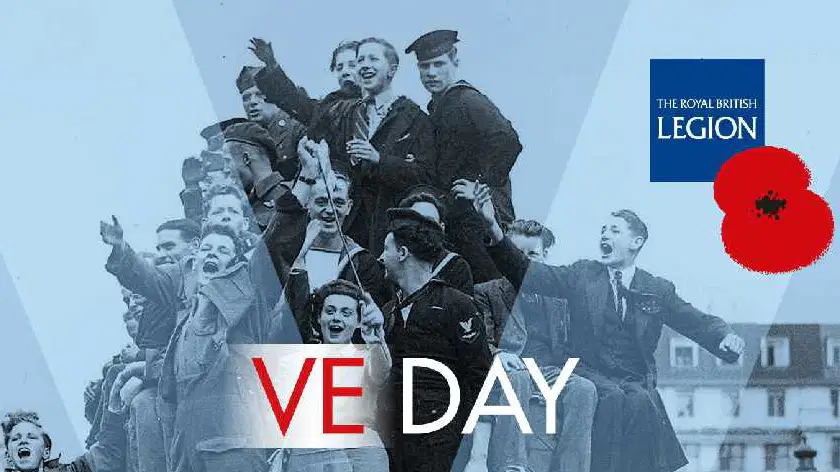
What does V-E Day stand for?
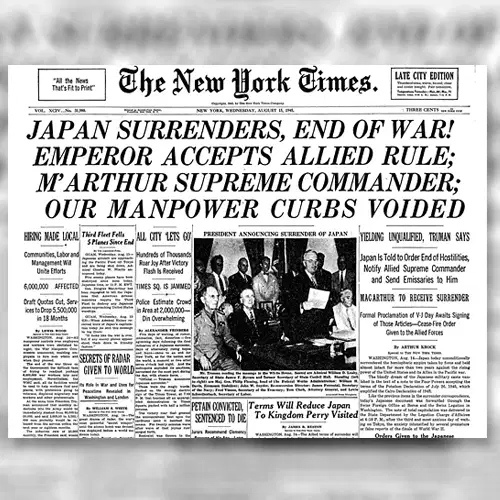
What does V-J Day stand for?

First nation to put a man on the moon.
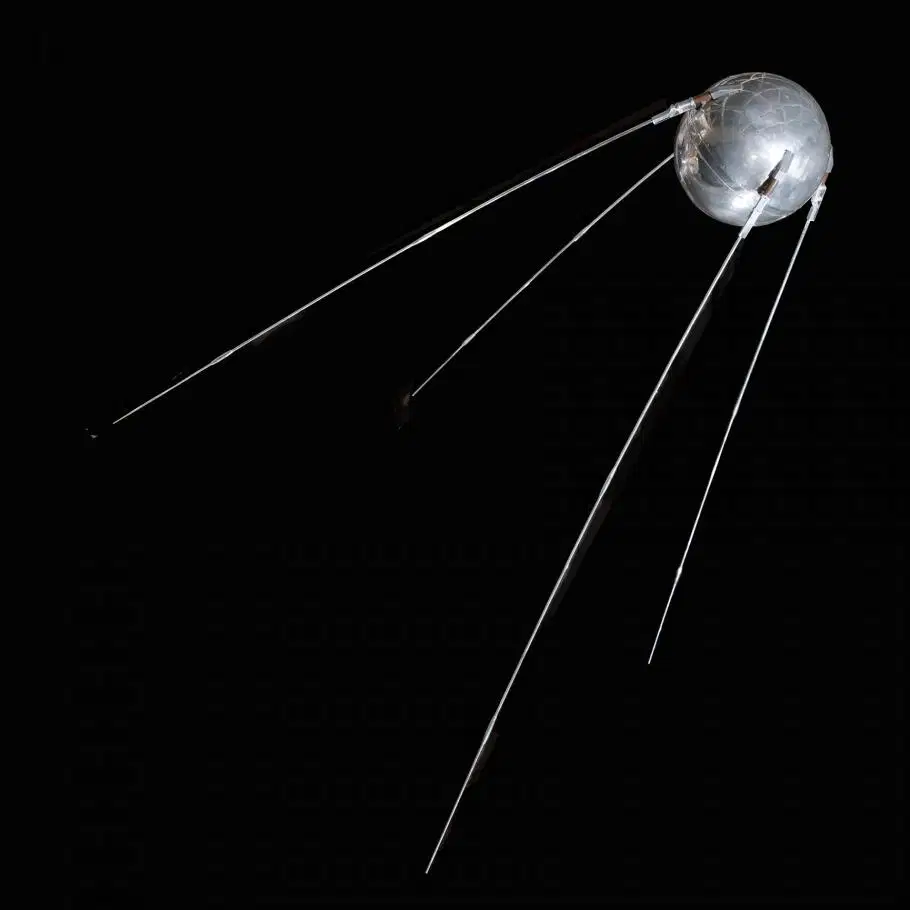
Race to see who had the most advanced space tech. What was this race called?
Submarine Warfare
Geographic Warfare
Intergalactic Competition
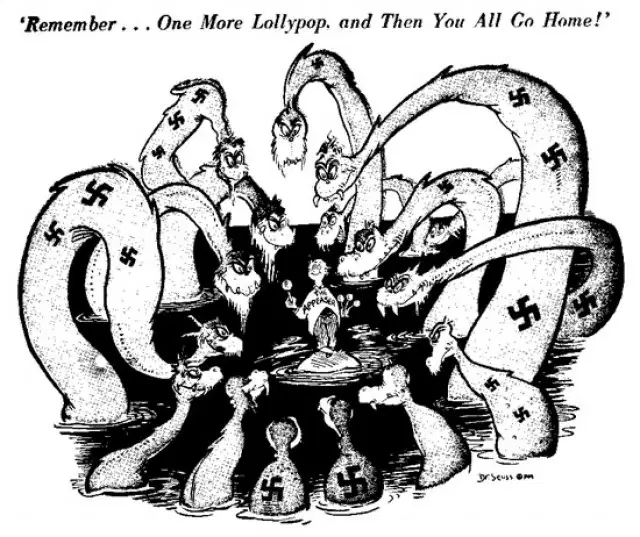
What does Appeasement mean during World War II?
Policy of making concessions (giving stuff like land) to an aggressor (like Hitler) to avoid conflict
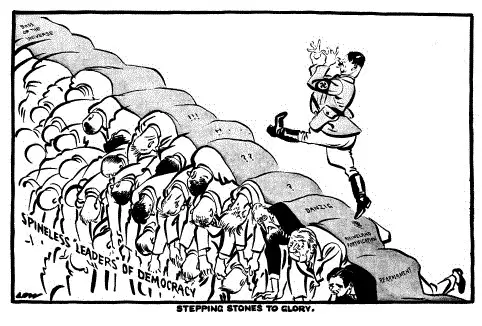
What is the main idea of the political cartoon?
That world leaders were not properly handling Hitler's aggression.
Global leaders were properly handling Hitler's aggression by forcing him to step down as leader of Germany.
None of the Above.
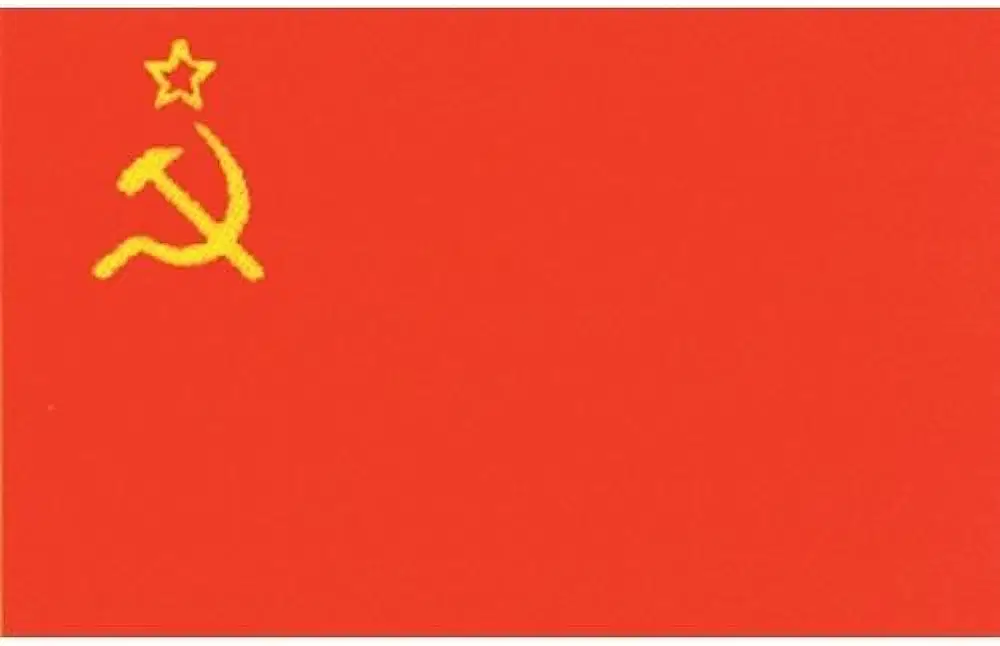
What type of political/economic system did the Soviet Union have?
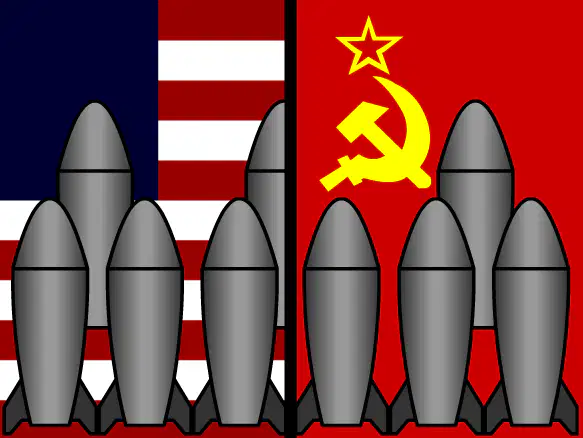
What was the name of the race where the United States (U.S.) and the Union of Soviet Socialist Republics (U.S.S.R.) attempted to make the most powerful weapons on earth? This race happened during the Cold War.
What year was the State (Nation) of Israel established?
1948
1950
1933
1965

What are the two main groups involved in the Israeli-Palestinian Conflict?
What does Zionism mean?
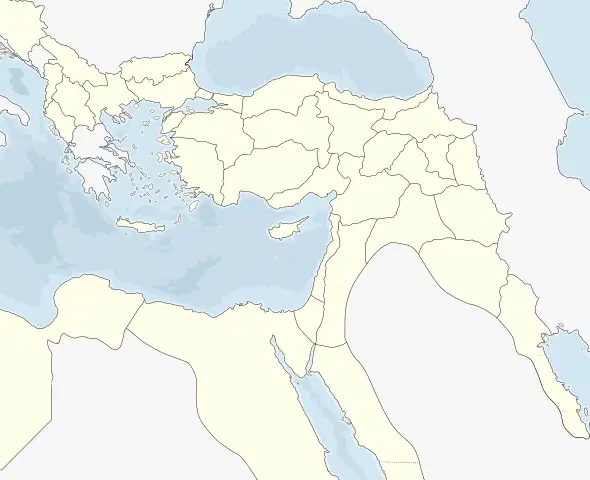
During the 19th and early 20th centuries, what Empire was in control of what is now called Israel and Palestine?
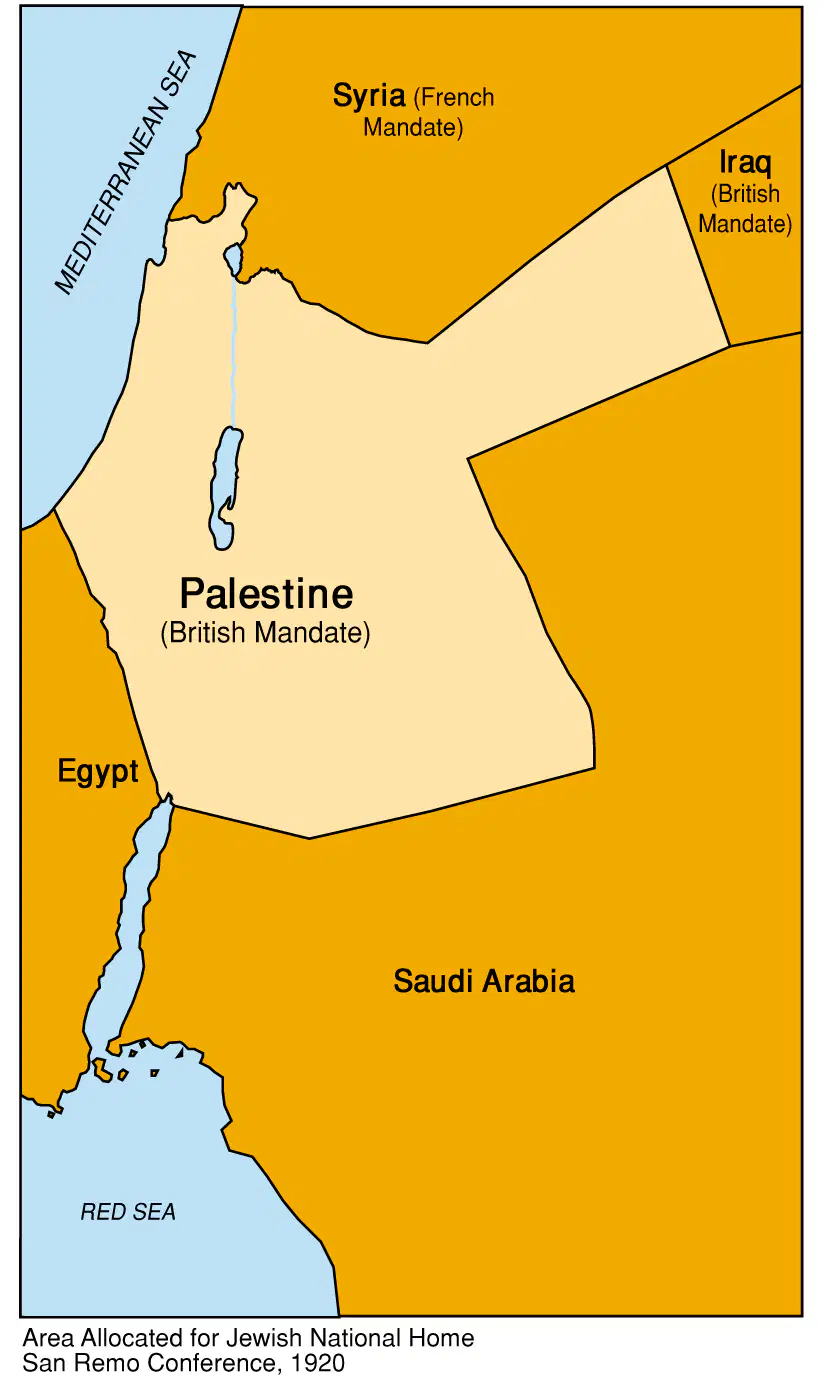
Who took control of Palestine after the Ottoman Empire collapsed?
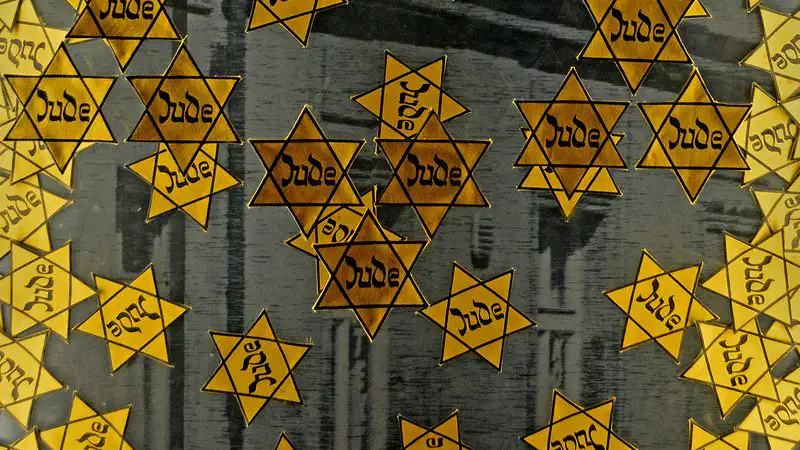
What event saw the systematic killing of Jews and other ethnic groups by the Nazis?
What was the Final Solution?

