
 Worksheets
USHC.4.CO & 4.E American Intervention
Total questions: 136
Worksheet time: 1hrs 16mins

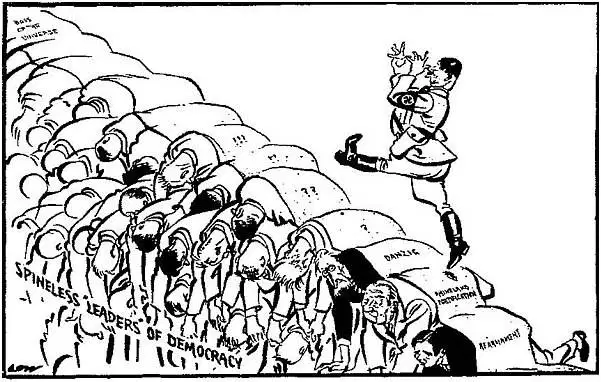
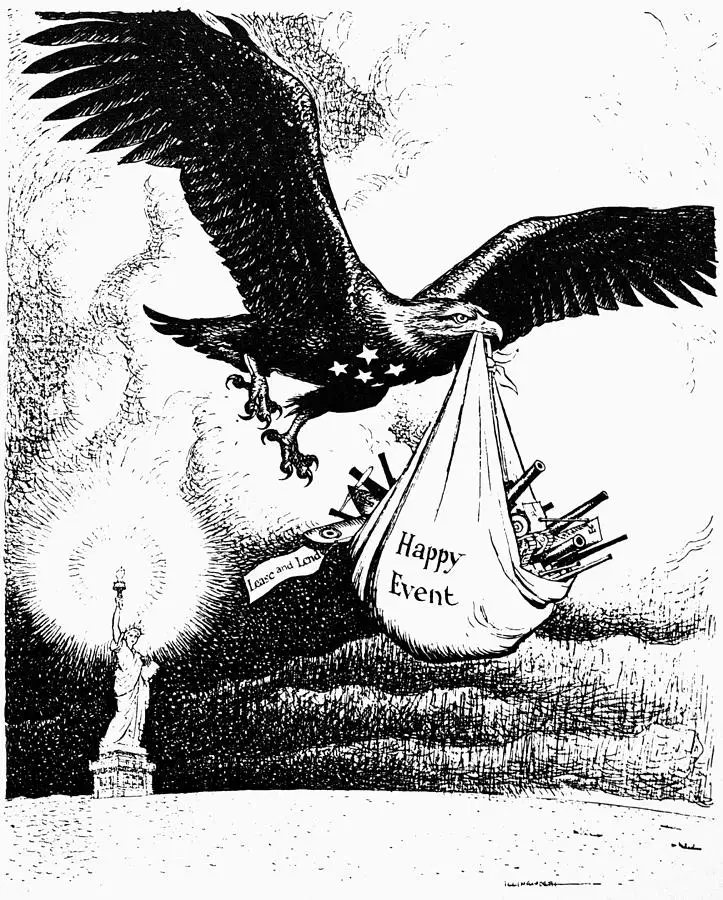
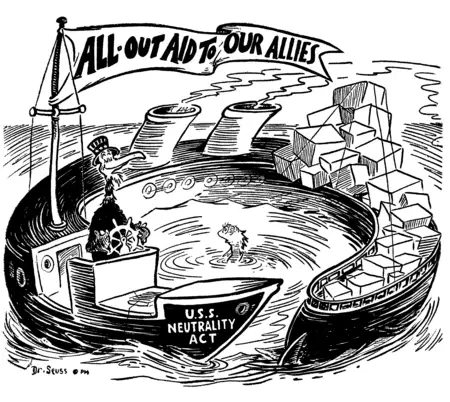
This cartoon would be MOST likely to have occurred:
during the "Battle of the Bulge."
during the peace negotiations in Berlin.
in the days following the "D-Day" invasion.
prior to the Allied invasion at Normandy, France.
"Sec.3. a. Notwithstanding the provisions of any other law, the President may...authorize the Secretary Of War... 1. To manufacture in arsenals, factories, and shipyards... any defense article for the government of any country whose defense the President deems vital to the defense of the United States. 2. To sell, transfer title to, exchange, lease, lend, or otherwise dispose of, to any such government any defense article.... b. The terms and conditions upon which any such foreign government receives any aid authorized under subsection (a) shall be those which the President deems satisfactory, and the benefit to the United States may be payment or repayment in kind or property, or any other direct or indirect benefit which the President deems satisfactory." This law, passed in March of 1941, would have been MOST likely to directly result in which of these situations?
the bombing of Tokyo
the invasion of Normandy
the retaliation for the bombing of Pearl Harbor
the shipment of naval destroyers to the British Navy

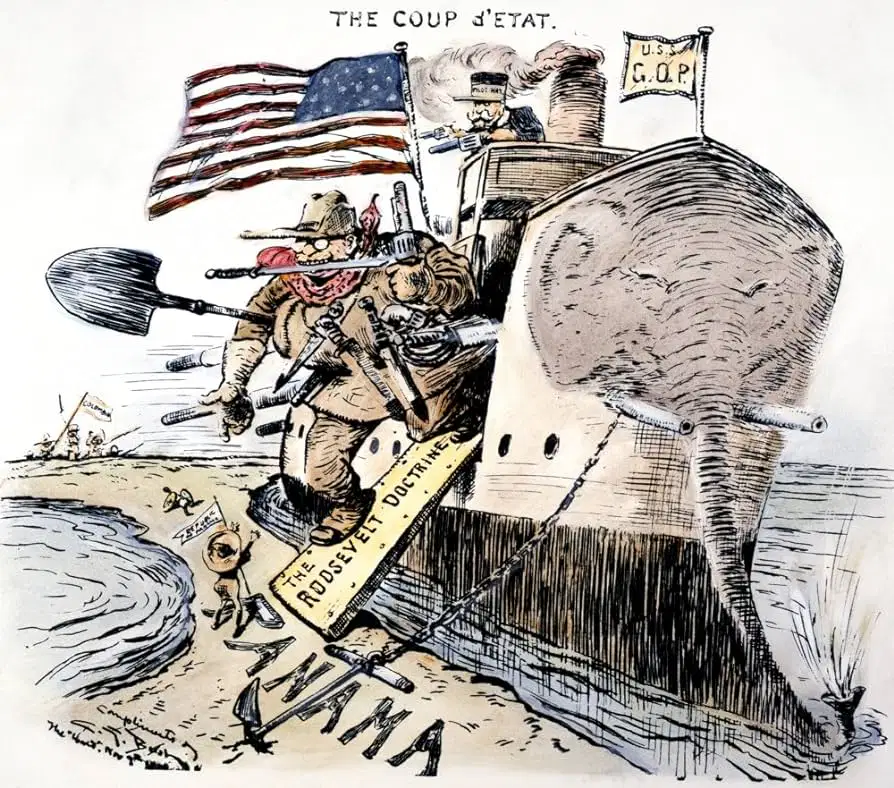
Which statement offers the best argument AGAINST Theodore Roosevelt's "Big Stick" diplomacy?
Roosevelt used America's military power in an unjust manner in his pursuit of our foreign policy goals.
Roosevelt's use of military threats angered Great Britain, France, and Germany and helped cause World War I.
Roosevelt was successful in bringing much of Latin America under direct American control, including Cuba and the Panama Canal.
"Big Stick" diplomacy had few strengths and its main effect was actually an increase in revolution and conflict in the Western Hemisphere.
The White Man's Burden by Rudyard Kipling, 1899 Take up the White Man's burden Send forth the best ye breed Go, bind your sons to exile To serve your captives' need; To wait, in heavy harness, On fluttered folk and wild Your new-caught sullen peoples, Half devil and half child. This poem would seem to be supporting
free trade.
prison reform.
Social Darwinism.
the anti-abolition movement.
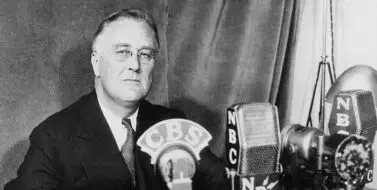
Why might have many U.S. Congressmen disliked Franklin D. Roosevelt's Quarantine Speech of 1937?
They feared it would increase immigration problems.
They feared it would interfere with U.S. trade relations with China.
They feared it would lead to United States involvement in World War II.
They feared it would cause the United States to become more isolationist.
"When an epidemic of physical disease starts to spread, the community approves and joins in a quarantine of the patients in order to protect the health of the community against the spread of the disease. It is my determination to pursue a policy of peace. It is my determination to adopt every practicable measure to avoid involvement in war. It ought to be inconceivable that in this modern era, and in the face of experience, any nation could be so foolish and ruthless as to run the risk of plunging the whole world into war by invading and violating, in contravention of solemn treaties, the territory of other nations that have done them no real harm and are too weak to protect themselves adequately. Yet the peace of the world and the welfare and security of every nation, including our own, is today being threatened by that very thing." President Franklin Delano Roosevelt "Quarantine Speech" October 5, 1937 Why might have many U.S. Congressmen disliked Franklin D. Roosevelt's Quarantine Speech of 1937? Responses
They feared it would increase immigration problems.
They feared it would interfere with U.S. trade relations with China.
They feared it would lead to United States involvement in World War II.
They feared it would cause the United States to become more isolationist.
Choose the three correct statements that describes the United States' movement from neutrality to engagement in World War I.
As a result of the sinking of the Lusitania the United States declared war on Germany in 1916.
One of the main causes of the United States declaring war on Germany was the use of unrestricted submarine attacks.
President Wilson campaigned in the 1916 election with the slogan "He kept us out of war."
Prior to the war the United States gave more loans and had more trade with Germany than Great Britain.
The United States began to support war against Germany after the Zimmermann telegram was intercepted.
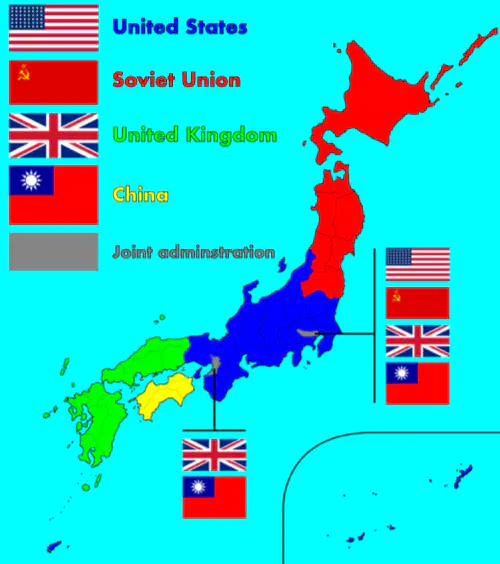
This map shows an early proposal of post-war Japan, which would have been divided into zones of occupation much like post-war Germany. Which action had the BIGGEST impact on preventing the division of Japan seen in this proposal?
the end of the war in Europe
Truman's decision to drop atomic bombs on Japan
the failure of a similar division in Germany to end the war
Roosevelt’s belief that Japan had to rebuild entirely by the United States
“The prodigious land, sea and air forces of the United States, the British Empire and of China, many times reinforced by their armies and air fleets from the west, are poised to strike the final blows upon Japan…. The full application of our military power, backed by our resolve, will mean the inevitable and complete destruction of the Japanese armed forces and just as inevitably the utter devastation of the Japanese homeland…. We call upon the government of Japan to proclaim now the unconditional surrender of all Japanese armed forces, and to provide proper and adequate assurances of their good faith in such action. The alternative for Japan is prompt and utter destruction.” - from “The Potsdam Declaration,” President Harry Truman, July 26, 1945 Which of these would, in the coming years, be an international effect of the ultimate result of President Truman’s words?
the Soviet invasion of Afghanistan
Japan sided with the Soviet Union during the Cold War
a nuclear arms race between the United States and the Soviet Union
the division of Japan into international zones similar to those seen in Germany
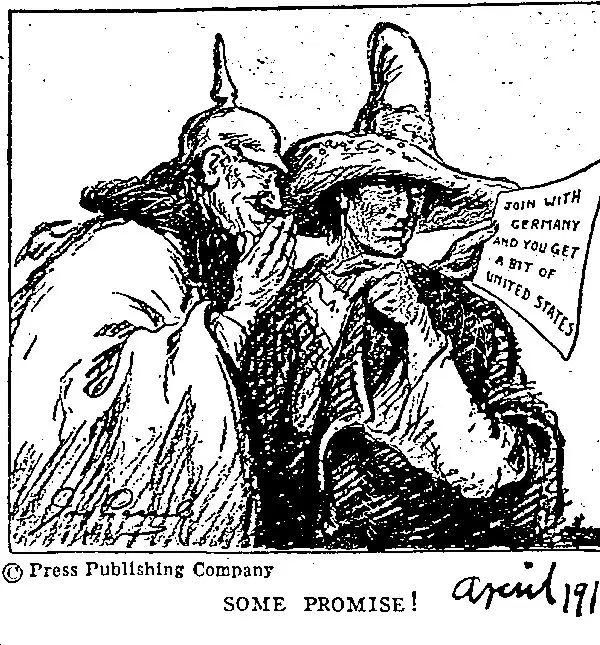
Using the political cartoon provided, why was the Zimmermann Telegram a reason for the United States to join World War I?
It provided weapons to Germany.
It asked the United States to join the war.
It asked Mexico to join the war with Germany.
It had secret information about Pearl Harbor.



In 1948 the United Nations General Assembly approved the Universal Declaration of Human Rights. Among other things, the document states that all people should be protected from slavery and torture. Which of these is a weakness of the document?
It is nonbinding.
Its principles are outdated.
It is invalid during times of war or conflict.
Its mandates do not affect countries formed after 1948.

At the end of the nineteenth century the United States was motivated to expand its influence overseas because
Other countries were desperate to be corrected.
Of constant threats to its security from European forces.
It needed to find new and cheaper routes to Africa and Asia.
Many believed in the superiority of Anglo-Saxon culture and ability.

This American poster from 1917 is suggesting that the United States
Should fight Germany to protect the borders of the U.S.
Is far enough away from the conflict raging in Europe.
Should stay out of European affairs.
Will be invaded by a simian army.
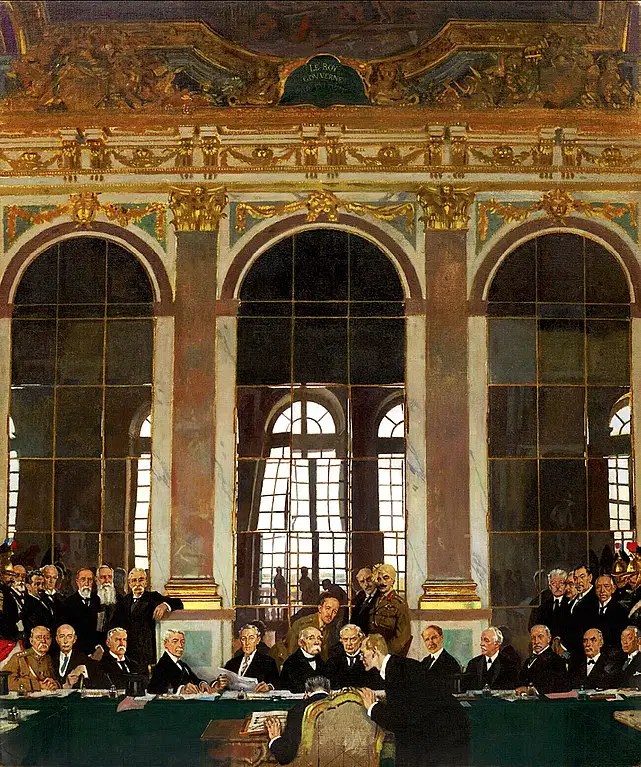
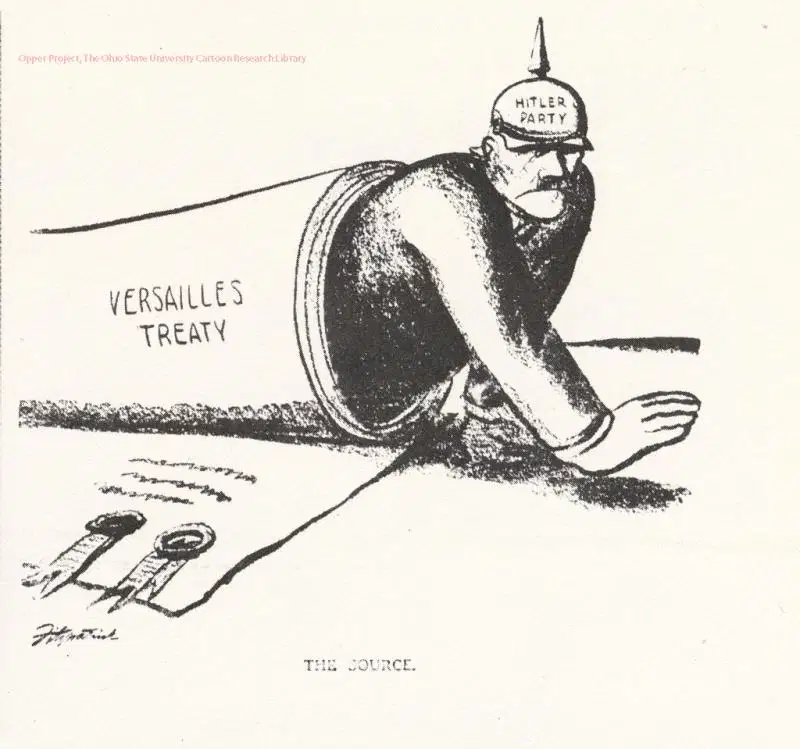
Laid responsibility for The First World War on Germany. ·Dictated that Germany would pay reparations and disarm its military. ·Resulted in substantial loss of territory for Germany. ·Helped set the stage for European conflict that would eventually result in World War II. Which event is being described by these statements?
The Munich Pact
The Treaty of Paris
The Treaty of Versailles
The North Atlantic Treaty

Which event would have FIRST caused the United States to begin reversing its Neutrality Acts in the early stages of World War II?
Germany's attack on London
Germany's invasion of Poland
Japan's attack on Pearl Harbor
Japan's invasion of the Philippines
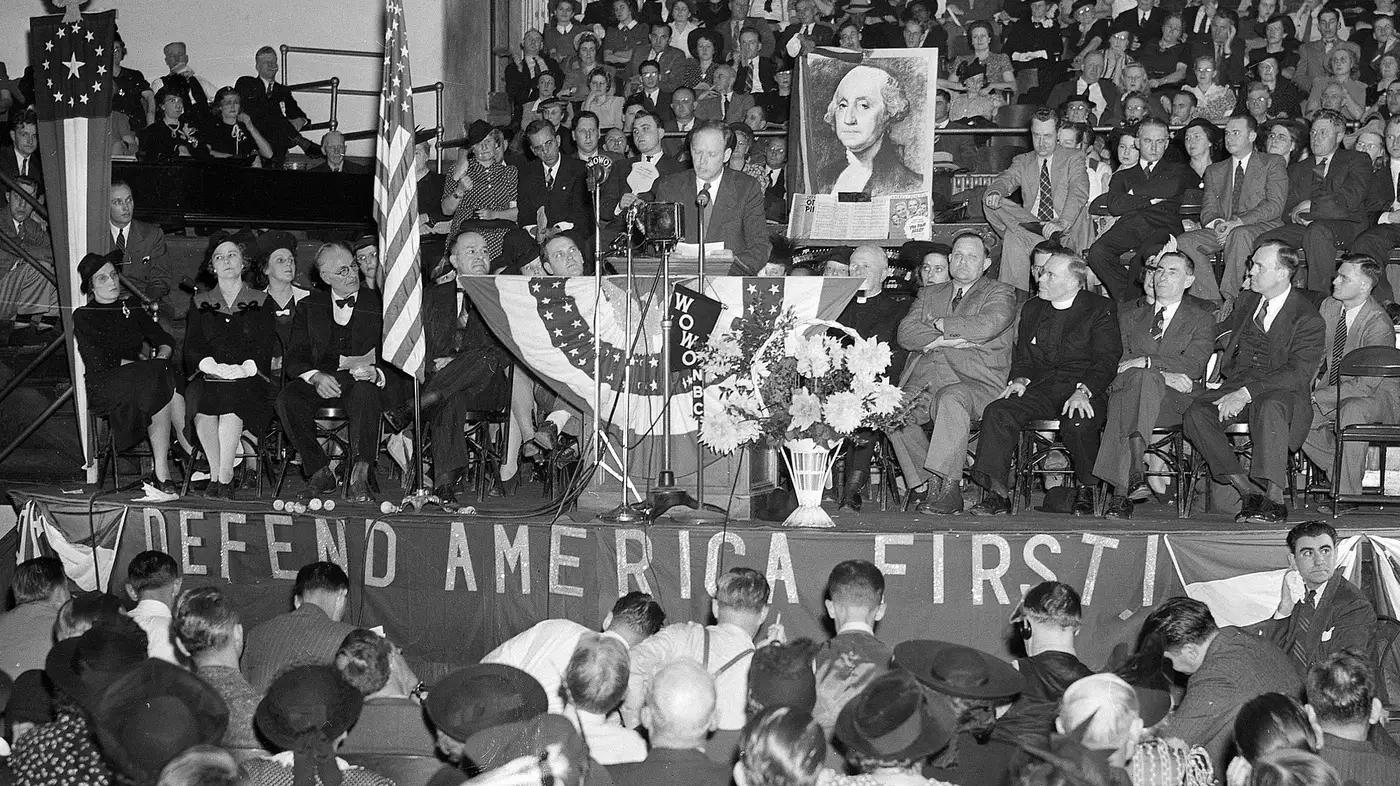
What event would have prompted the United States to start reversing its Neutrality Acts at the beginning of World War II?
The Japanese launched a surprise attack on the U.S.
The U.S. citizens were calling for war against Germany.
The German navy had sunk the Lusitania that year.
The U.S. had evidence of a threat to its national security.

What was one of the GREATEST problems that arose in constructing the Panama Canal?
It consumed too many pounds of dynamite.
The project lacked the necessary technology.
Yellow fever and malaria killed thousands of men.
There was no labor supply to complete the project.
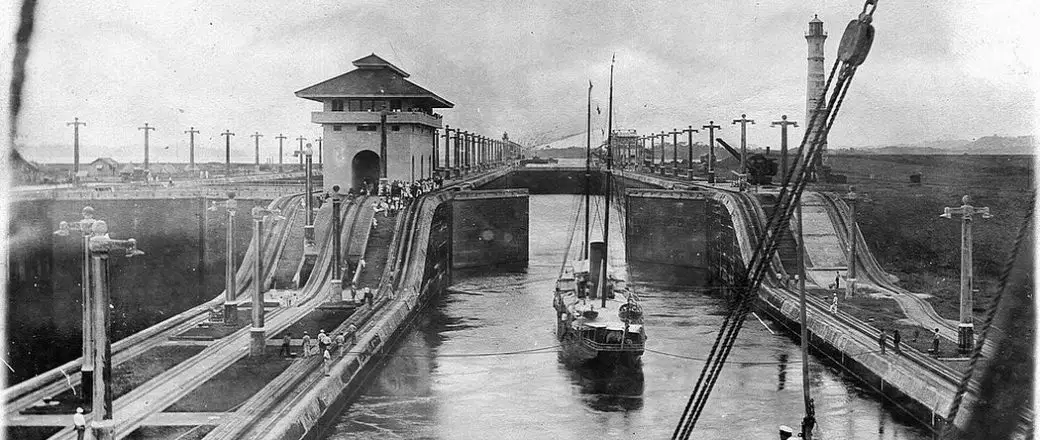
What was the GREATEST impact of the Panama Canal?
The economic power of the United States was greatly strengthened.
Spain went to war with the United States to gain control of the Canal.
It tremendously reduced the travel time between the Atlantic and Pacific Oceans.
Revolutionaries in Panama began a decades-long uprising to drive out the United States.
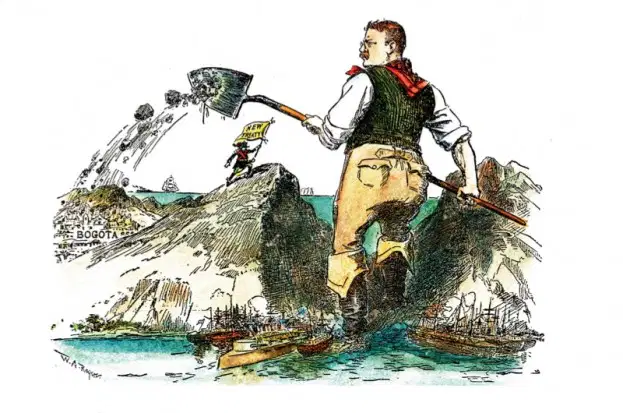
The United States felt that it was important to complete the construction and control of the Panama Canal because
It would prevent Russia from doing the same thing.
It allowed the United States to colonize Central and South America.
It would allow the United States to become the most powerful naval power.
It allowed ships to cross directly between the Atlantic and Pacific Oceans.

Which statement offers the BEST support for Theodore Roosevelt's "Big Stick" diplomacy? Untitled Question
Roosevelt earned the Nobel Peace Prize in 1906 for his leadership in Latin America.
Roosevelt's "Big Stick" diplomacy was very popular in the U.S., and he was elected to three terms in office.
Roosevelt's "Big Stick" diplomacy was very popular in the U.S., and he was elected to two split terms in office.
Roosevelt was successful in bringing parts of Latin America under control of the United States, including Cuba and the Panama Canal.
1931- Japan invades Manchuria. 1935- Italy invades Ethiopia. 1936- Germany militarizes the Rhineland. 1938- Hitler agrees to stop expansion at the Munich Conference. Based on this chart, it is evident that a major cause of World War II was
The failed economic policies during the Great Depression.
The warlike attitude of countries in the Pacific Ocean region.
The failure of the League of Nations to stop the aggressive behaviors of some countries.
The reluctance of European countries to look outside of their borders after World War I.

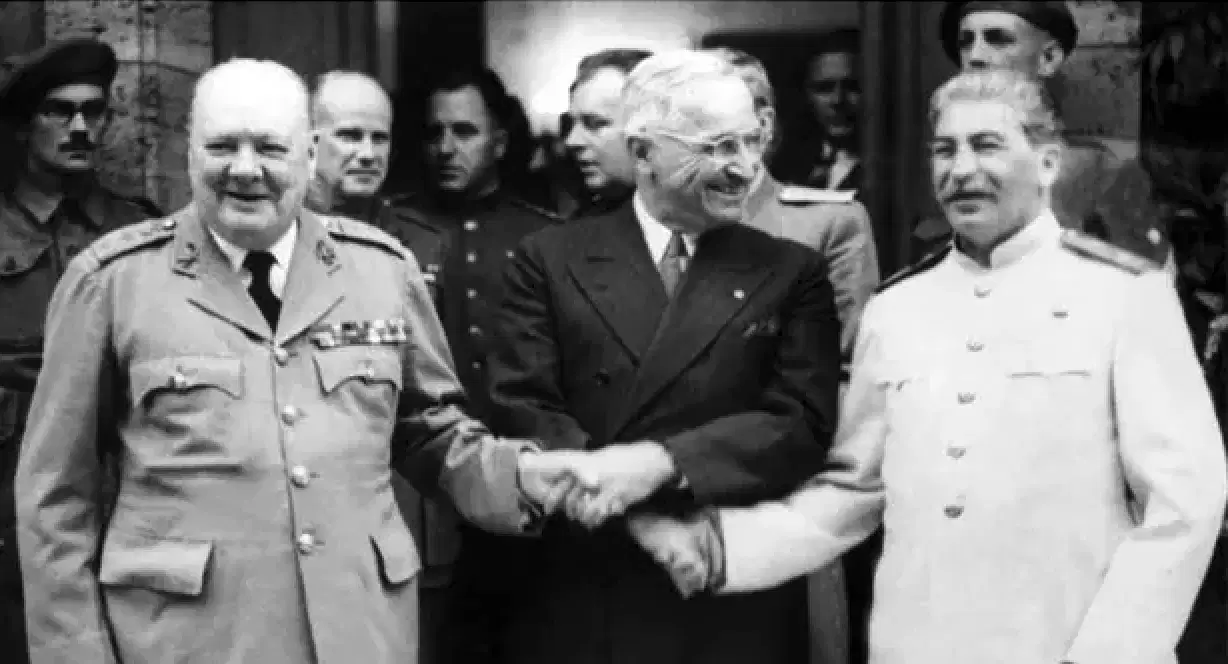
During World War II, conferences such as those held in Tehran, Yalta, and Potsdam demonstrated that
The Soviet Union would be an obstacle to defeating Hitler.
The Allies were uncertain as to whether or not Hitler could be defeated.
Only the United States was willing to provide troops to defeat the Japanese.
Nations with different political ideologies could cooperate to defeat a common foe.
Nuremberg Laws “Final Solution” Nuremberg Trials All of these were major factors in the creation of the
Warsaw Pact.
Marshall Plan.
North Atlantic Treaty Organization.
Universal Declaration of Human Rights.

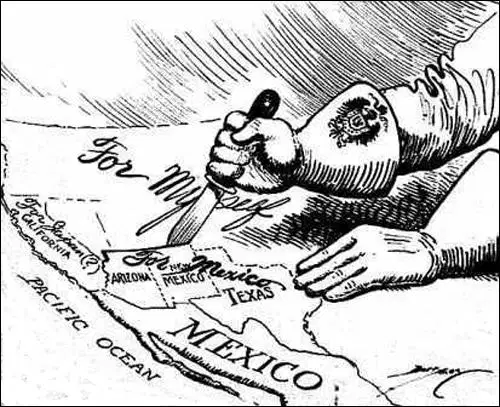
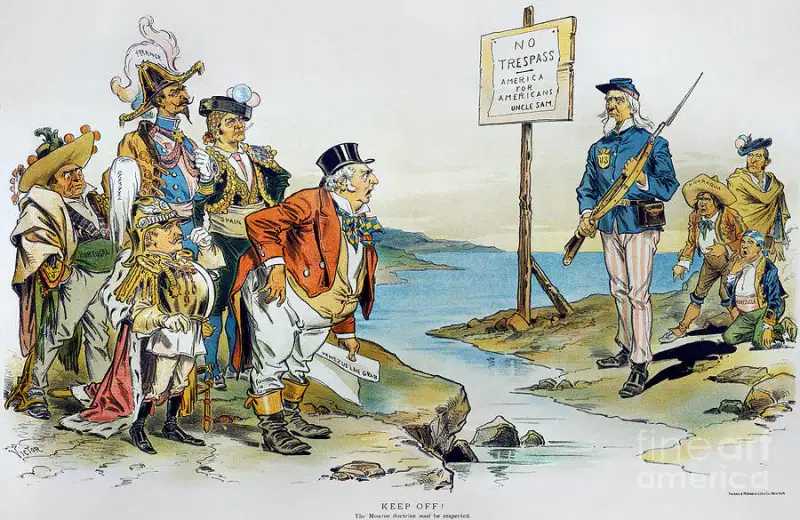
This cartoon is referring to the American foreign policy of
Invading Latin American countries.
Isolating itself from international matters.
Building a strong military in order to expand U.S. influence.
Electing former military leaders as Presidents of the country.

II. Absolute freedom of navigation upon the seas, outside territorial waters, alike in peace and in war, except as the seas may be closed in whole or in part by international action for the enforcement of international covenants. Woodrow Wilson, Fourteen Points Speech, 1918 President Wilson is referring specifically to
The attack on Pearl Harbor.
Unrestricted submarine warfare.
The sinking of the Titanic.
Italian dominance in the Mediterranean.
Article 1. All human beings are born free and equal in dignity and rights.They are endowed with reason and conscience and should act towards one another in a spirit of brotherhood. Article 2. Everyone is entitled to all the rights and freedoms set forth in this Declaration, without distinction of any kind, such as race, colour, sex, language, religion, political or other opinion, national or social origin, property, birth or other status. Furthermore, no distinction shall be made on the basis of the political, jurisdictional or international status of the country or territory to which a person belongs, whether it be independent, trust, non-self-governing or under any other limitation of sovereignty. Article 3. Everyone has the right to life, liberty and security of person. Article 4. No one shall be held in slavery or servitude; slavery and the slave trade shall be prohibited in all their forms. Article 5. No one shall be subjected to torture or to cruel, inhuman or degrading treatment or punishment. This passage is taken from the Universal Declaration of Human Rights (1948), which was created shortly after and in response to
The U.S. Declaration of Independence.
The U.S. Bill of Rights.
The Armenian Genocide.
The Holocaust.
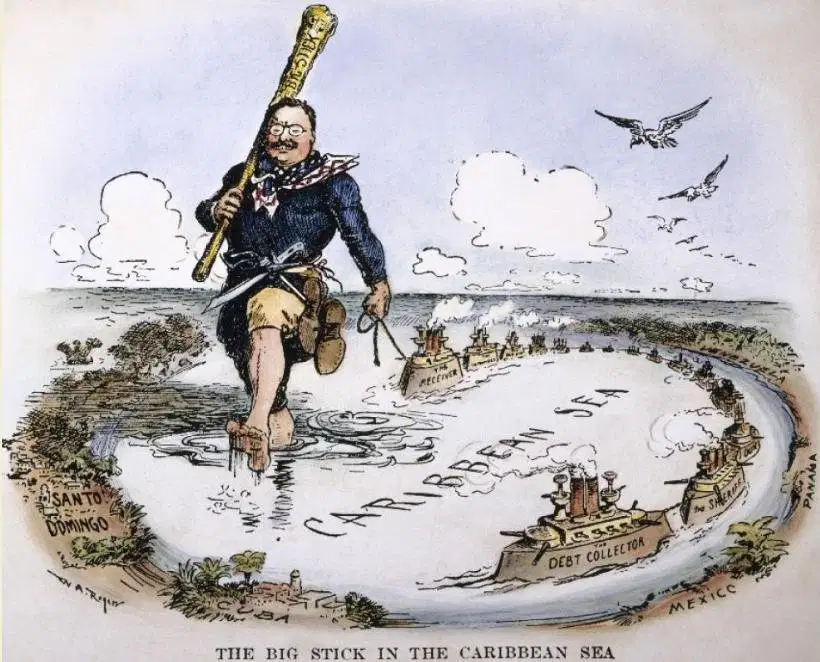
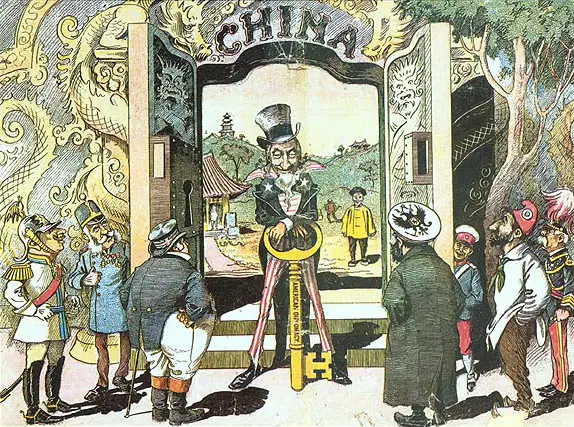
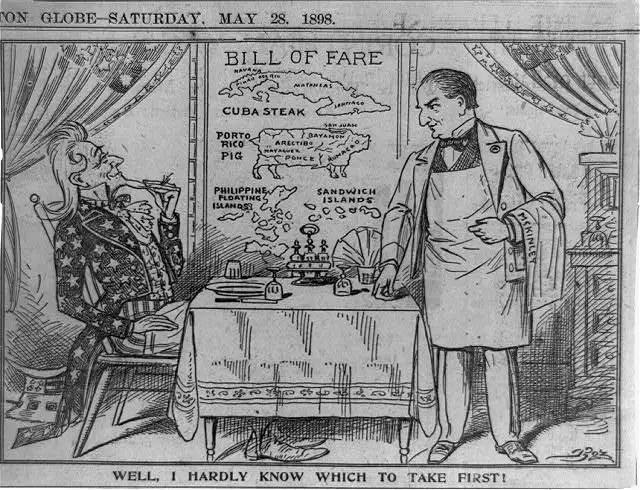
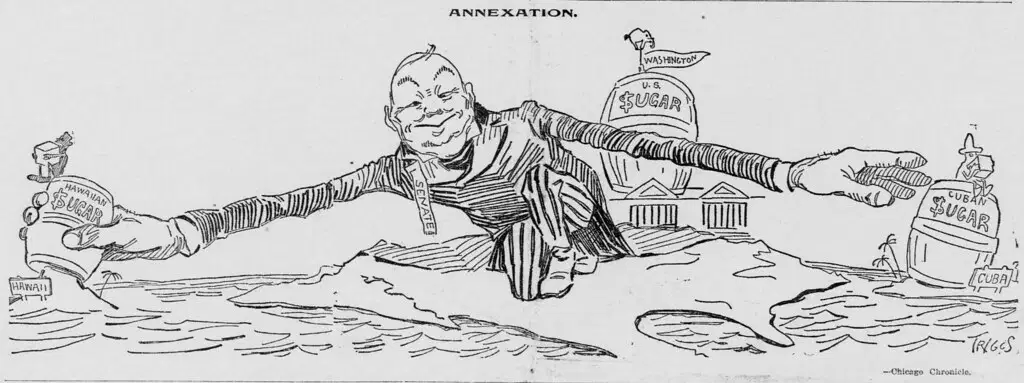
This cartoon is referring to
Big Stick Diplomacy.
Jingoism.
The Teller Amendment.
The Open Door Policy.
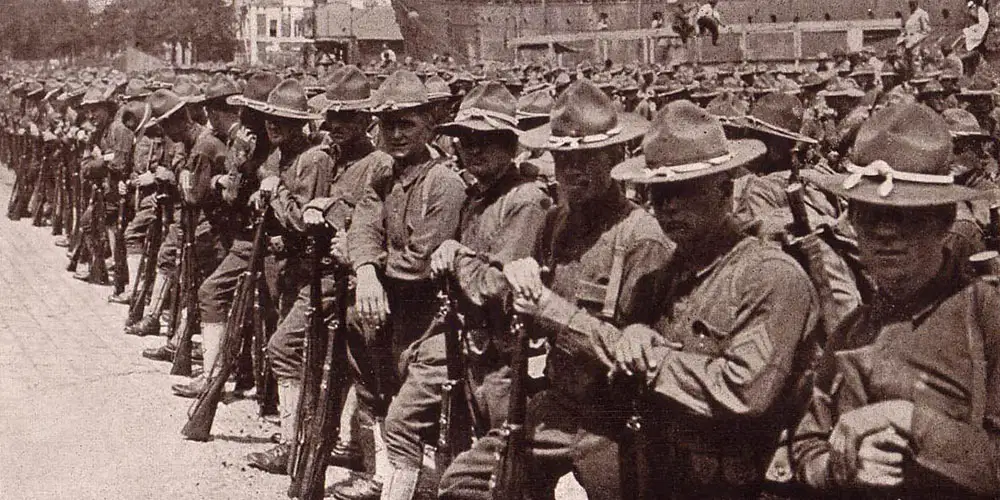
How did U.S. participation in World War I impact U.S. foreign policy in the decade immediately after the war?
he United States joined the League of Nations.
The United States strengthened its alliances in Latin America.
The United States used the military to acquire new territories.
The United States became isolationist in its diplomatic and political relations.
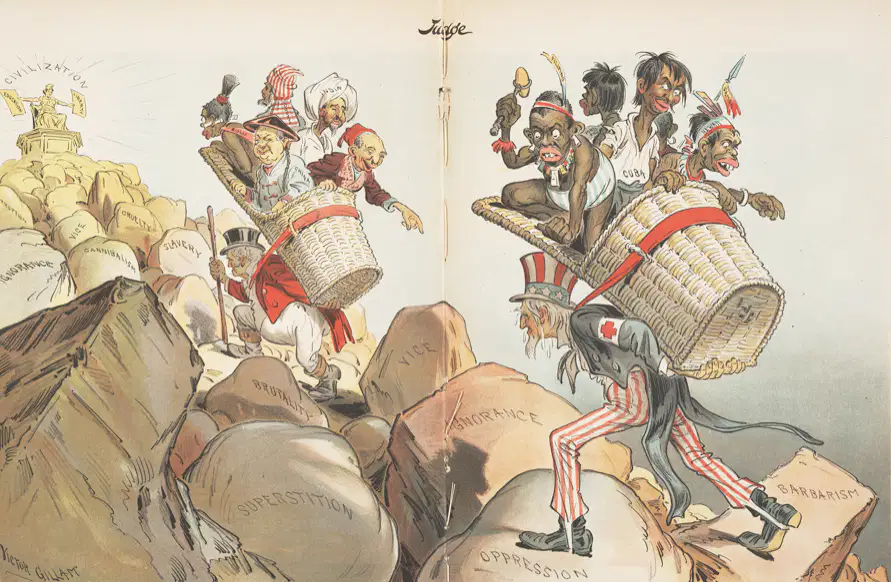
What is the MOST accurate Social-Darwinist defense for U.S. imperialism?
Robber Barons deserved new markets to sell their goods and expand their businesses.
Nations that considered themselves superior felt obliged to govern less-advanced nations.
The United States needed to test its military strength to make any necessary improvements.
The United States needed to compete with European nations to prove that the United States was superior.
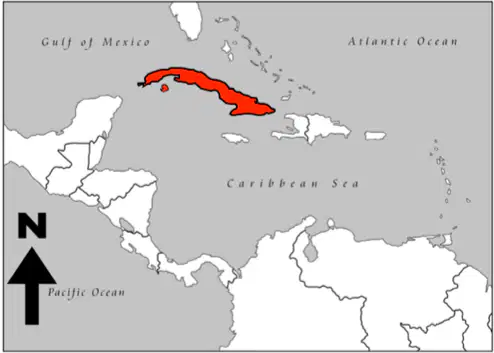
Who did the United States defeat in a late-nineteenth century war that was fought in the area shaded in red here?
Britain
Philippines
Portugal
Spain
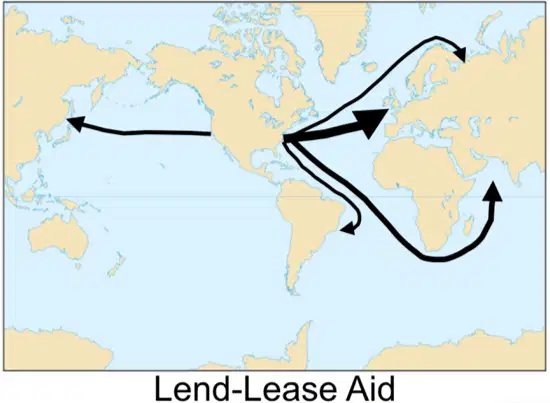
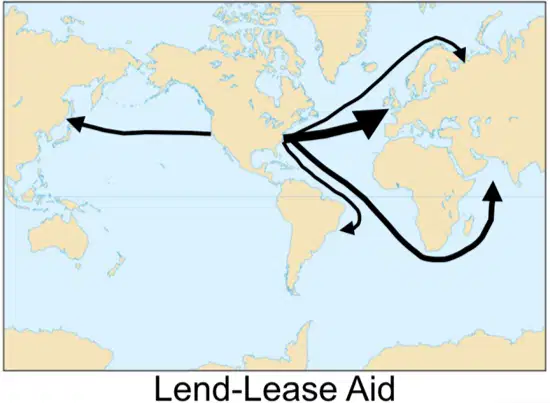
According to the map, which area would have received the most amount of aid in under the Lend-Lease Act?
China
India
Britain
New Zealand

The information in the map is meant to describe a program of the United States during which era?
Cold War
Civil War
World War II
Great Depression

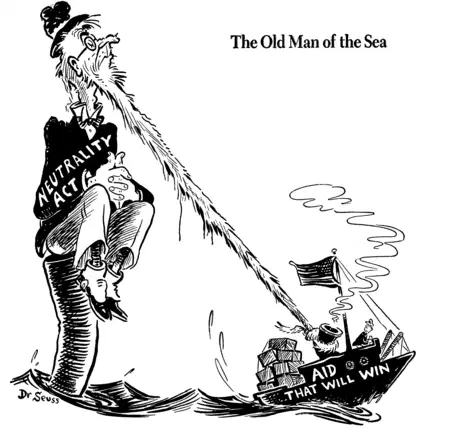
This cartoon most likely appeared
During the Cold War.
Following World War I.
After the fall of the Berlin Wall.
When the U.S. entered World War II.

This cartoon makes reference to the U.S. government's growing tendency to want to enter
The League of Nations.
The United Nations.
World War II.
World War I.
Which of these was a factor in the United States entrance in World War I?
The invasion of Poland
Japan's invasion of China
The Axis threat to the Panama Canal
German unrestricted submarine warfare
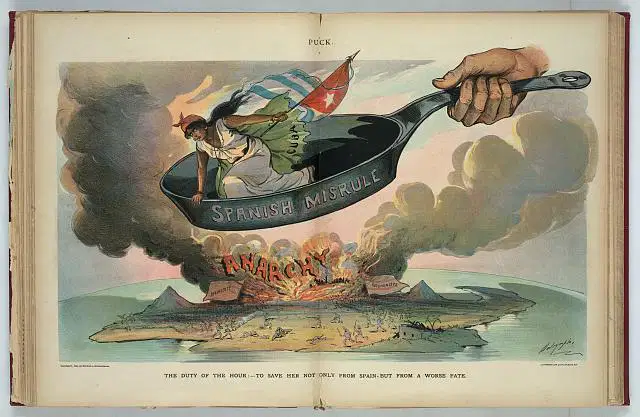
· the Maine · the Rough Riders · "Yellow Press" · San Juan Hill All of these terms are associated with which conflict?
World War I
American Civil War
Spanish-American War
The Revolutionary War

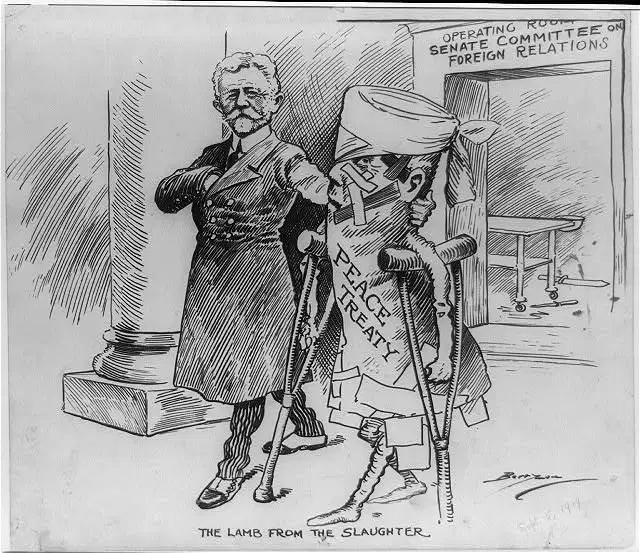
From this cartoon you can infer that the cartoonist
Believes that England and Japan will soon be at war.
Opposes U.S. participation in the League of Nations.
Believes that the League of Nations will prevent future wars.
Believes that the U.S. should become a member of the League of Nations.

This cartoon refers to events surrounding what conflict?
World War I
World War II
the Korean War
the Vietnam War

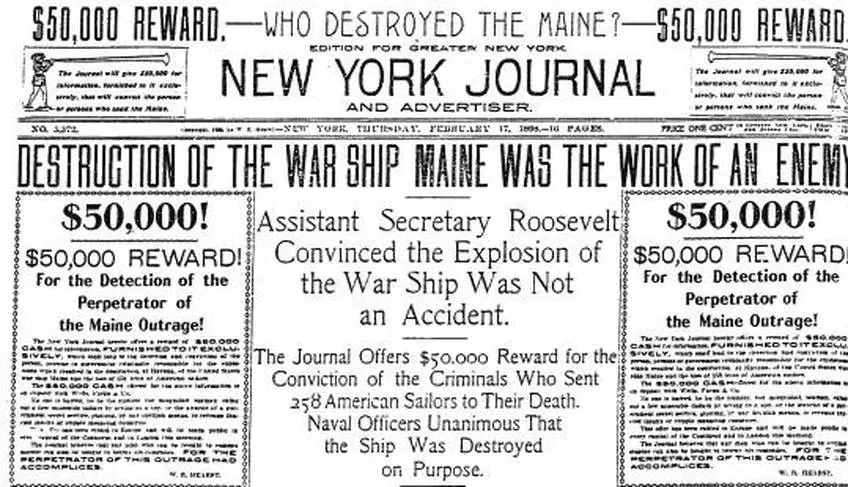
"Yellow Journalism" during the late 19th century was marked by
A decrease in readership.
Over-reliance on facts and evidence.
A decline of the popularity of radio.
Sensational headlines and questionable facts.
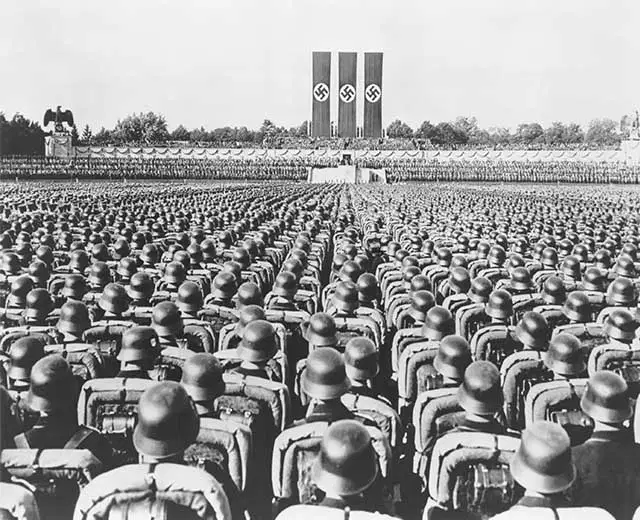
Along with the American Neutrality Acts, the appeasement policies in the mid-to-late 1930's of Britain and France caused totalitarian nations to
Boycott the 1936 Olympics.
Negotiate in good faith with the democracies.
Believe they had nothing to fear from democracies.
Drop any plans of aggression that they might have toward their neighbors.





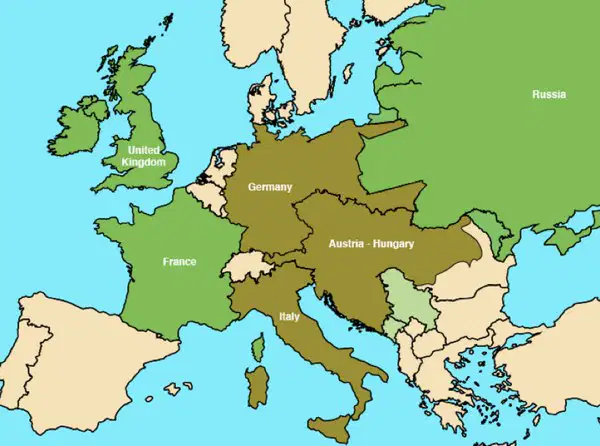
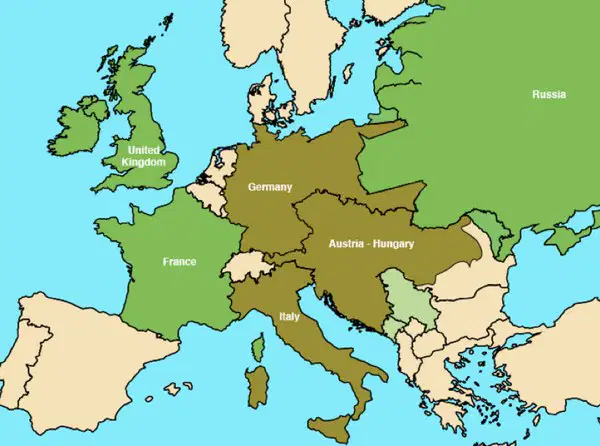



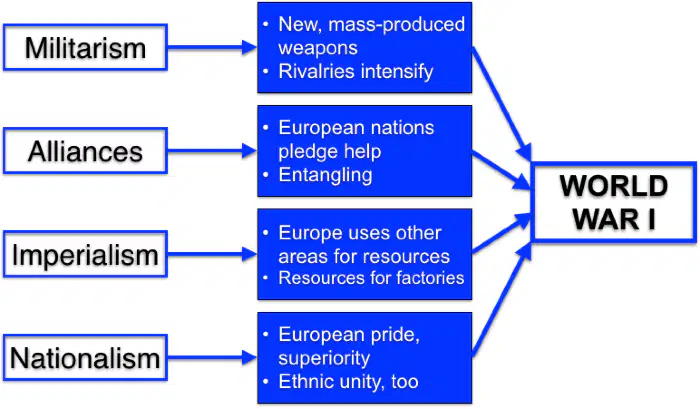
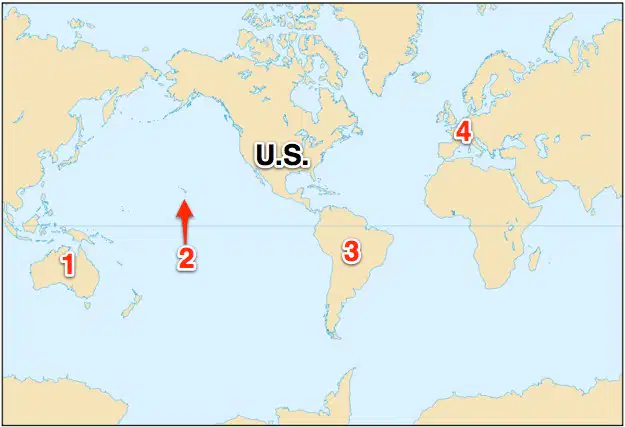















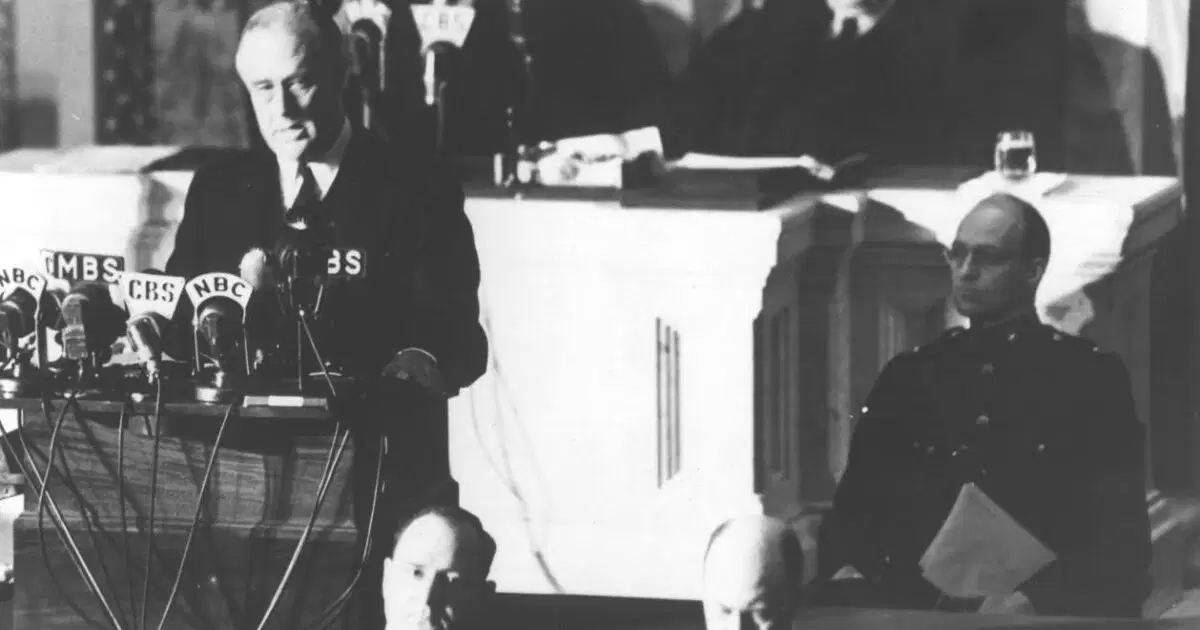


Assassination of Franz Ferdinand
Unrestricted Submarine Warfare
Zimmerman Note
Lusitania
Pearl Harbor
Invasion of Poland
Munich Conference
Each of these people or terms are related to the use of atomic bombs against Japan at the end of World War II. See if you can match each one to the correct definition or description. Not all choices will be used.
This was the effort during WWII to develop the first nuclear weapons of the United States in collaboration with the U.K. and Canada.
Manhattan Project
This is the name given to the surrender of Japan and the end of fighting in the Pacific Theatre of World War II in August of 1945.
VJ Day
This is the Japanese city that was the first to be subjected to nuclear warfare to bring about the end of WWII.
Hiroshima
The name of the B-29 Superfortress piloted by Col. Paul Tibbetts that became the first aircraft to drop an atomic bomb as a weapon of war in August 1945.
Enola Gay
He was responsible for giving the orders to drop the atomic bomb on Hiroshima in 1945.
Harry Truman
Each of these people or terms are related to "The Big Three" and their negotiations during World War II. See if you can match each one to the correct definition or description. Not all descriptions will be used.
These were the nations united against the Axis powers during World War II.
Allied Powers
He was the totalitarian dictator of the Soviet Union from 1928 through 1953.
Jospeh Stalin
He was a British statesman and leader during World War II.
Winston Churchill
This was the alliance of nations that opposed the Allies in World War II.
Axis Powers
This was the alliance of nations that opposed the Allies in World War II.
Postam Conference
Match each World War II term with the correct item. Not all choices will be used.
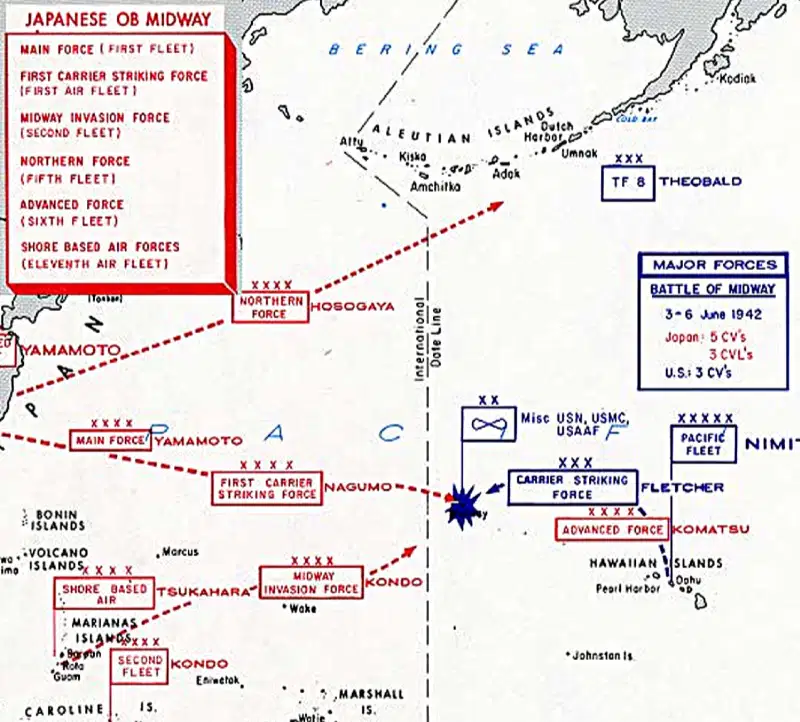
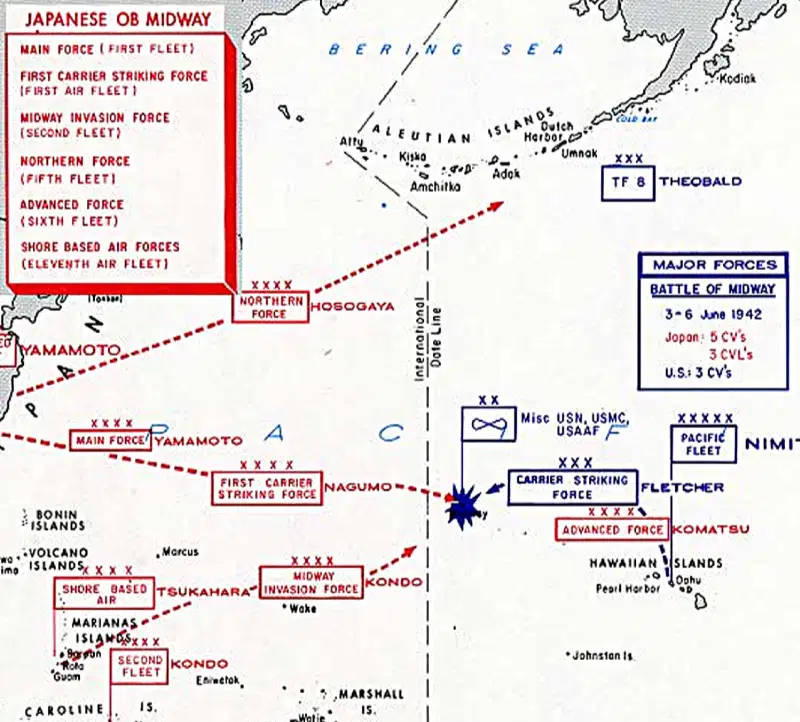
This was a World War II naval battle in the Pacific Theater in June of 1942. It was a clear defensive victory for the US against the attacking Japanese and permanently weakened the Japanese Navy.
Battle of Midway
This was the effort during World War II to develop the first nuclear weapons of the United States in collaboration with the U.K. and Canada.
Manhattan Project
This was a fierce battle on a small Pacific Island in February-March of 1945 that took place against Japanese forces. The US gained a key military airstrip as a result.
Iwo Jima
This is the Japanese city that was the first to be subjected to nuclear warfare to bring about the end of World War II.
Hiroshima
This was a regiment in the Spanish-American War organized and led by Theodore Roosevelt that included cowboys, miners, policemen, and college athletes.
Rough Riders
This was the use of sensationalized news in newspaper publishing to attract readers and increase circulation.
Yellow Journalism
This was the rallying cry during the Spanish-American War because of the sinking of this ship in Havana on February 15, 1898.
"Remember the Maine"
Pacific island nation that came under American imperial control after the Spanish-American War.
Philipine Annexation
This stipulated the conditions for the withdrawal of United States troops remaining in Cuba since the Spanish-American War, and defined the terms of Cuban-U.S. relations until the 1934 Treaty of Relations.
Platt Amendment
Drag the item from the item bank to its corresponding match.
This was an international agreement signed in 1919 that ended World War I.
Treaty of Versailles
This is an international organization whose goals included disarmament; preventing war through collective security; settling disputes between countries through negotiation and diplomacy and improving global welfare, it was to be formed after World War I.
League of Nations
This was the content of a speech given by U.S. President Woodrow Wilson describing his plan for European reconstruction after World War I.
Fourteen Points
This "cease fire" caused the end of fighting in World War I on November 11, 1918.
Armistice
Following the defeat of the Ottoman Empire in World War I, he became the first President of the Republic of Turkey (1923-1938).
Ataturk

