
Font size
 Worksheets
EM0901 Port Management
Total questions: 40
Worksheet time: 37mins
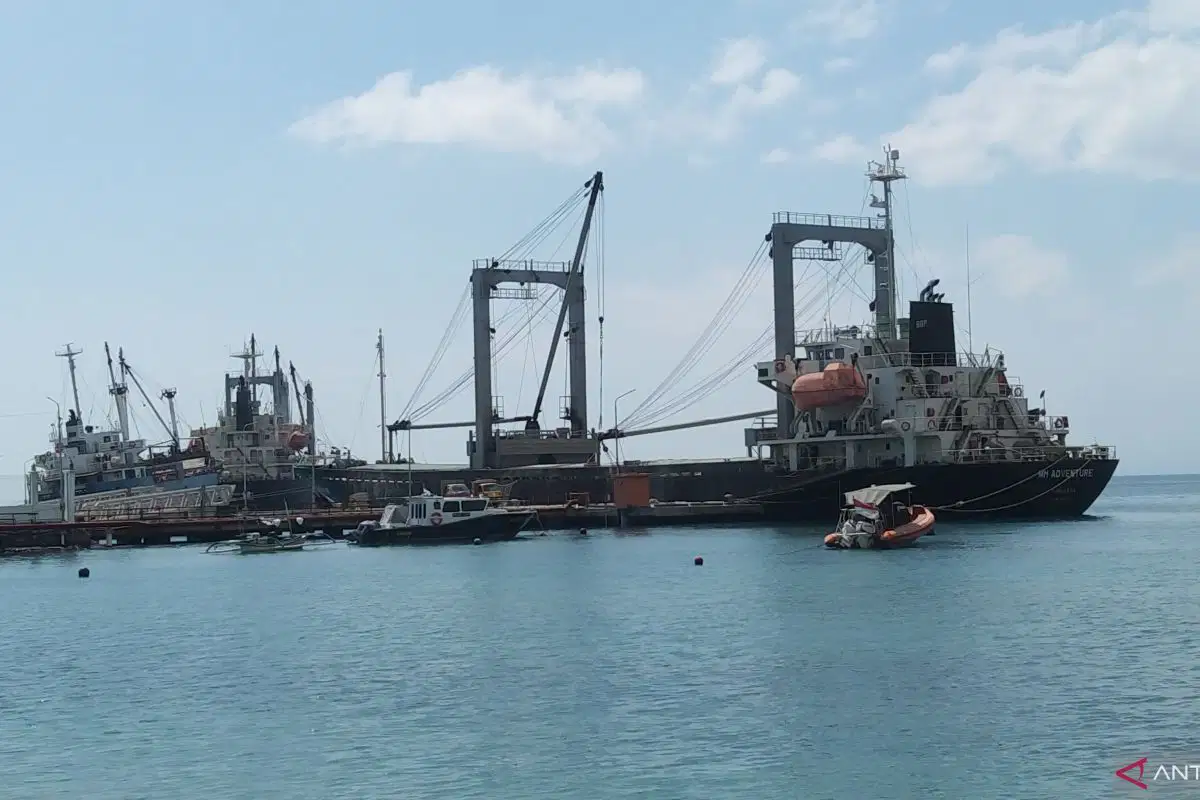
Maritime ports exclusively handle cargo; they have no relevance to passenger transportation.
True
False

Which of the following factors does NOT affect the selection of port locations?
a) Proximity to major highways
b) Depth of water
c) Availability of skilled labour
d) Distance to residential areas
Reorder the following steps involved in maritime port operations from first to last:
Berth assignment
Ship docking
Customs clearance
Cargo handling

What is the significance of intermodal connectivity for maritime ports?
a) It reduces environmental impact
b) It increases operational efficiency
c) It limits port capacity
d) It decreases shipping costs
The term " (a) " refers to the depth of water available for ships to navigate safely in a port.
Match the port component with its function:
Ship berthing
Quay
Wave protection
Breakwater
Removal of sediment and debris
Dredging
Absorption of impact forces
Fender systems
Match the following types of maritime ports with their descriptions:
Located far from the coast, often on rivers or lakes.
Inland Port
Connected directly to oceanic trade routes.
Seaport
Located inland, serving as hubs for intermodal transportation.
Dry Port

Arrange the following stages of the port development process in chronological order:
Feasibility study
Design and planning
Environmental impact assessment
Construction

The International Maritime Organization (IMO) is responsible for setting global safety and (a) standards.
Which of the following is NOT a function of a maritime port?
a) Cargo handling
b) Passenger transportation
c) Energy production
d) Ship maintenance
Which of the following is NOT a common environmental management practice in maritime ports?
a) Ballast water treatment
b) Oil spill containment
c) Noise pollution amplification
d) Waste management
Match the benefits of maritime ports with their descriptions:
Creation of employment opportunities
Economic stimulation
Reduction of transportation costs
Trade facilitation
Increase in regional development
Efficiency improvement
Rearrange the following factors according to their importance in choosing a maritime port, starting from the most important:
Proximity to major transportation networks
Existence of specialised cargo-handling facilities
Availability of skilled labour
Maritime port planning relies solely on historical data.
True
False

Which of the following factors is NOT typically considered in information collection for maritime port planning?
A) Weather patterns
B) Market demand
C) Environmental regulations
D) Political stability
Short term planning primarily focuses on infrastructural development.
True
False
Arrange the following steps in the correct sequence for short term planning:
Identifying current demands
Conducting capacity analysis
Assessing infrastructure requirements
Implementing operational improvements
Match the following with their respective long term planning considerations:
Technological Advancements
Automation and Robotics
Infrastructure Development
Dredging and Expansion
Economic Resilience
Market Trends
Environmental Impact
Climate Change Adaptation
Which of the following factors does NOT influence berthing occupancy planning?
A) Vessel size
B) Cargo type
C) Tide schedules
D) Crew nationality
Berthing occupancy planning aims to minimise vessel turnaround time.
True
False
What is the typical time frame for short term planning in maritime port management?
A) 1-5 years
B) 5-10 years
C) 10-20 years
D) 20-50 years

In maritime port administration, tariff setting is solely determined by the port authority.
True
False
The primary role of the government in relation to maritime ports is to ensure efficiency and (a) .
Arrange the following steps in the correct order for marketing a maritime port:
Analyse competitors
Identify target markets
Develop marketing strategies
Implement marketing tactics

The landlord port model is characterised by the port authority being responsible for both owning and operating port facilities.
True
False
Match the aspect of marketing a maritime port with its definition.
Communicating the port's unique identity
Branding
Gathering information about potential customers
Market research
Promoting the port's services through various channels
Advertising
Which of the following is a characteristic of private ownership of maritime ports?
A) Port operations are managed by a government agency.
B) Port facilities are owned by private companies or investors.
C) Tariff setting is determined by regulatory bodies.
D) Infrastructure development is funded through public taxation.
In private ownership of maritime ports, the investment in infrastructure and operations is solely funded by the government.
True
False
Fundamental characteristics for a maritime port to achieve success include geographical location, efficient infrastructure, and effective management.
True
False
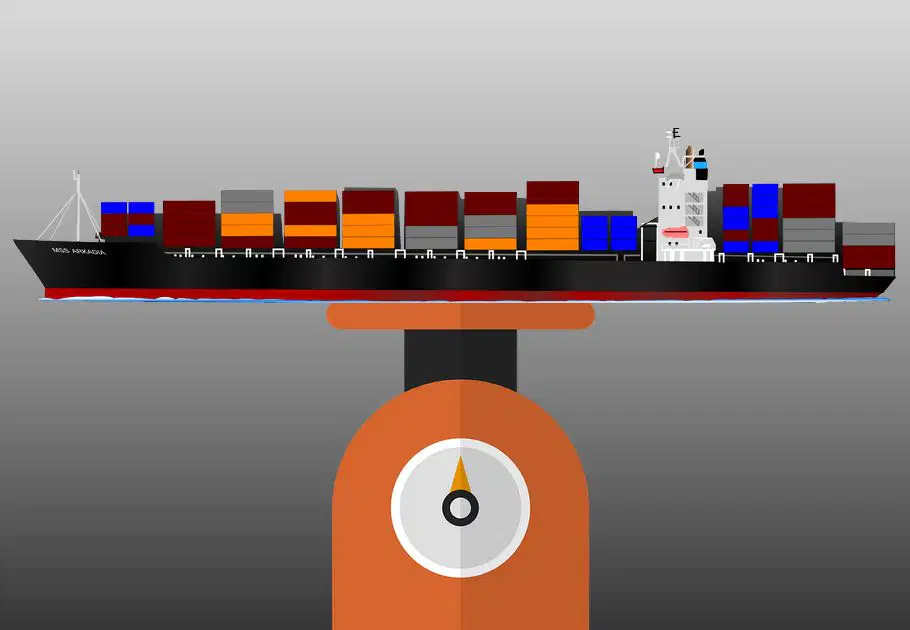
Ship tonnage is a measurement of:
A) Length of the ship
B) Volume of cargo a ship can carry
C) Weight of the ship's hull and machinery
D) Depth of the ship's draft
Match the ship type with its specialisation:
Designed to fit through the Panama Canal
Panamax
Transportation of large quantities of oil
VLCC
Carries standardized cargo units
Container Ship
Carries unpackaged bulk cargo such as grains or ore
Bulk Carrier
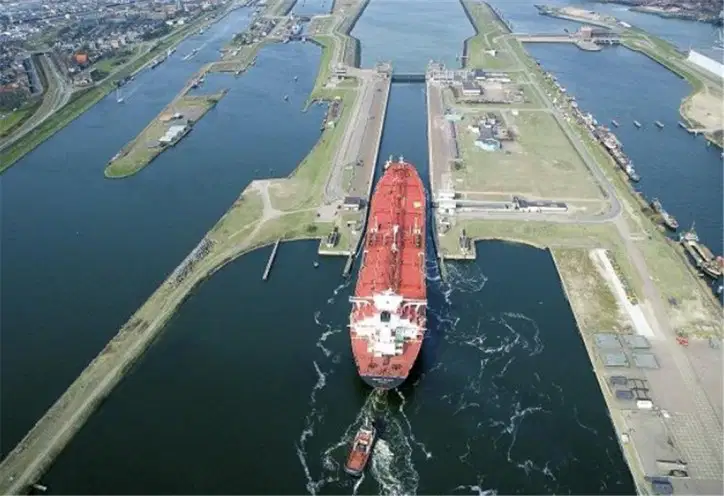
One advantage of sea locks in port management is:
A) Improved security
B) Greater control over water levels
C) Reducing congestion
D) Faster loading and unloading
One disadvantage of sea locks is that they can cause (a) due to waiting for water levels to equalise.
Commercial port layout factors must be designed to optimise cargo handling (a) .
Ship size factors such as draft, (a) and beam influence a port's infrastructure requirements.
Match the following characteristics with the factors for a maritime port to achieve success:
Reduces operational costs and turnaround times
Efficient Infrastructure
Determines accessibility to major shipping routes
Geographical Location
Ensures optimal use of available resources
Effective Management
Tidal range affects port operations by influencing:
A) Water depth
B) Berth availability
C) Ship manoeuvrability
D) Cargo handling efficiency
Match the following descriptions with the appropriate commercial port layout factors:
Depth variation between high and low tides
Tidal Range
Navigational channels leading to the port
Sea Approaches
Area where ships can safely wait before entering the port
Anchorage
Space required for vessels to turn around safely
Turning Circles
Cargo segregation minimizes the risk of (a) between different types of cargo.
Traffic segregation helps in minimising (a) and improving operational efficiency within the port.

