
 Worksheets
8th Grade Science Review
Total questions: 234
Worksheet time: 6hrs 46mins
What is the role of mRNA in protein synthesis?
it makes the bases that makes up DNA
it transcribes the code from DNA
it helps DNA perform replication
it makes the amino acids used in protein synthesis

The table shows the number of neutrons, protons, and electrons for two atoms. How are the two atoms alike?
They have the same charge.
They have the same mass number.
They have the same atomic number
They are atoms of the same element.

The diagram shows the arrangement of electrons in a neon atom. How many protons are present in this atom's nucleus?
10
8
2
There is not enough information to answer this question.

In the diagram, the arrows labeled III point to the atom's ______________.
Protons
Neutrons
Nucleus
Electrons
Elements with seven valence electrons —
are highly reactive
are highly stable
have a high mass
have a low mass
The atoms of a certain element each contain 11 protons and 1 valence electron. Which statement correctly identifies this element and describes its chemical reactivity?
The element is sodium, and it is highly reactive
The element is fluorine, and it is highly reactive
The element is sodium, and it is not very reactive
The element is fluorine, and it is not very reactive
Which of these elements would have properties most similar to arsenic (As)?
Use the periodic table and your notes slides.
Silicon (Si)
Selenium (Se)
Tin (Sn)
Phosphorus (P)

Sulfur is a nonmetal. Of the following, the physical characteristic that is most
likely to describe a sample of sulfur is —
a shiny appearance
brittleness
malleability
ductility

How many of each atom are in the compound above?
1 magnesium atom, 2 iron atoms, and 4 oxygen atoms
3 magnesium atoms, 2 iron atoms, and 4 oxygen atoms
6 magnesium atoms, 6 iron atoms, and 12 oxygen atoms
3 magnesium atoms, 6 iron atoms, and 12 oxygen atoms

Potassium nitrate is a compound used in some fertilizers. Its chemical formula
is KNO3. How many TOTAL atoms are in each unit of potassium nitrate?
2
5
3
9

Look at the pictures above. A shows the bag before the vinegar and baking soda are mixed together, and B shows it after they are mixed together. In which picture do the contents of the bag have the greater mass?
The mass is greater in A—before they are mixed.
The mass is greater in B—after they are mixed.
The mass is the same in both.
The mass depends on the temperature.
Which of the following is the best clue that a chemical reaction has taken place?
Change in color
Change in state
Change in particle size
Change in volume
A student uses a magnet to move a .04 kg ball bearing. The magnet exerts a force of 4N, which causes the ball bearing to begin moving. What is the acceleration of the ball bearing when it begins to move?
.01 m/s2
.16 m/s2
3.96 m/s2
100 m/s2
While practicing in a simulator, an astronaut experienced an acceleration of 26 m/s2. The astronaut's mass was 63.0 kg. In Newtons, what force did the astronaut experience?
2.42 N
37 N
1638 N
42,588 N

In this model, which particle determines the reactivity of this atom?
Particle W
Particle X
Particle Y
Particle Z
Which table is correct? (use your periodic table and notes slides)


What process is being represented in this diagram?
sexual reproduction
mitosis
meiosis
DNA replication

What process is being represented in this diagram?
asexual reproduction
mitosis
meiosis
DNA replication
If an egg cell of an organism contains 12 chromosomes, how many chromosomes should be present in a heart cell of the same organism?
12
24
6
48
What is a gamete?
a body cell (ex. skin or heart cell)
an autosome
a sex cell (ex. sperm or egg)
a somatic cell
How many chromosomes does a sex cell have compared to a body cell?
twice as many
the same amount
the same, but replicated
half as many
Somatic cells are formed during what process?
meiosis
mitosis
DNA replication
interphase
The matching pair of chromosomes you inherit from your genetic parents are called
sister chromatids
autosomes
homologous chromosomes
sex chromosomes
When does "crossing over" of genes occur during meiosis?
Prophase I
Metaphase I
Anaphase I
Telophase I
What happens during anaphase?
Chromosomes/chromatids line up in center
Nucleus dissolves
The cell divides
Chromosomes/chromatids are pulled apart
How many chromosomes are in the somatic cells of humans?
46
23
42
26
Which of the following is an example of a somatic cell?
egg cells
stomach cells
sperm cells
gametes

During which phase are sister chromatids lined up in a single file along the center of the cell?
Metaphase I
Metaphase II
Telophase I
Telophase II

Which letter(s) in the diagram correspond to cells that are haploid?
A and B
A and C
B and C
A only
A diploid pea plant cell contains 14 chromosomes. How many chromsomes would be in a haploid pea plant cell?
28
14
7
21
What is the purpose of meiosis?
growth
repair
reproduction
to create identical cells
What is the purpose of mitosis?
growth and repair
reproduction
genetic diversity
to create unique cells
True or False: Crossing over only occurs in meiosis.
True
False
True or False: DNA replication occurs only before mitosis
True
False
True or False: Meiosis results in identical cells.
True
False
True or False: Meiosis produces haploid gametes.
True
False
Which subatomic particle identifies the element?
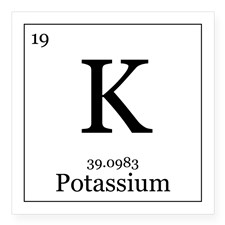
What is the atomic mass of potassium when rounded to the nearest whole number?
40
19
How many neutrons are in an atom of potassium?

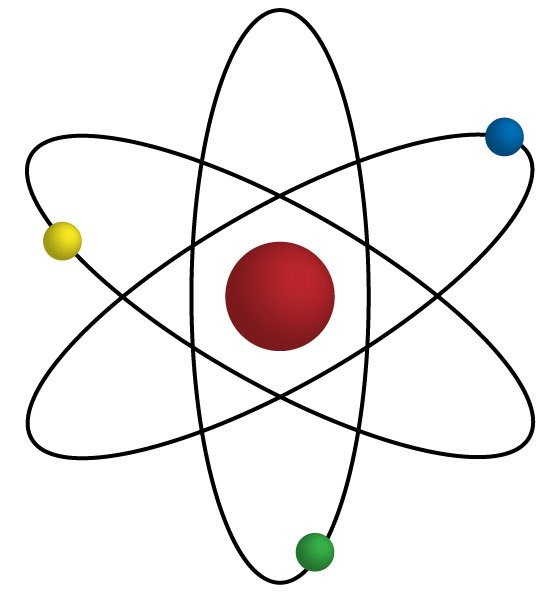

Which phase is this in?
Interphase
Metaphase
Anaphase
Telephase

Which phase is this in?
Interphase
Metaphase
Anaphase
Telephase

Which phase is this in?
Prophase
Metaphase
Anaphase
Telephase

Which phase is this in?
Prophase
Metaphase
Anaphase
Telephase

Which phase is this in?
Prophase
Metaphase
Anaphase
Telephase

Which phase is this in?
Prophase
Interphase
Anaphase
Cytokinesis
Which phase is this in?
Prophase
Interphase
Anaphase
Cytokinesis
Prophase
Metaphase
Anaphase
Telephase
cytokenises
What phase is anaphase?


What phase is metaphase?
What phase is Telophase?
What phase is Prophase?
What phase is Interphase?

What phase is cytokinesis?

Which of the following is an example of internal regulation during the cell cycle?
A gap from damaged tissue next to the cell triggers cell division
Tumor cells continue to divide without receiving signals to start cell division
A cell receives a signal from the cell nucleus to divide
Human growth hormone is sent from the pituitary gland to the cell to undergo cell division
A sea otter has 38 chromosomes in their body (somatic) cells. When one somatic cell undergoes mitosis, how many chromosomes will a daughter cell have?
19
27
38
76
What important cellular process occurs during the S phase of the cell cycle?
The cell duplicates its DNA
The cell pulls the chromosomes to either end for cell division
The cell lines it choromosomes up in the middle
The S phase is not a part of the cell cycle
A _________________ is a critical point where stop and go signals can regulate the cell cycle.
Apoptosis
Checkpoint
Cancer
Metastasis
What are TWO purposes of mitosis? (SELECT TWO)
genetic variation
repair
gamete formation
growth
OXYGEN released during photosynthesis comes from breaking down WHAT MOLECULE during the light dependent reaction?
carbon dioxide
water
glucose
ATP
In Cellular Respiration, cells use energy available in food to create what energy-rich compound?
ATP
ADP
glucose
water
Energy is released from ATP when:
ATP is exposed to sunlight
a phosphate group is broken
adenine bonds to ribose
a phosphate group is added

Which of the following organisms perform cellular respiration?
A
D
B and C
All of these
Carbon used in the Calvin Cycle comes from what molecule from the atmosphere?
Oxygen
Methane
Carbon Dioxide
Water
The process that converts food (glucose) into energy is called
Cellular Respiration
Photosynthesis
Mitochondria
Chloroplast
Does photosynthesis most commonly occur in heterotrophs or autotrophs?
Heterotrophs
Autotrophs
What is the primary goal of Photosynthesis?
To produce energy in the form of light
to produce oxygen
to produce chloroplasts
to produce glucose for the plant
Which of the following would most affect the rate of photosynthesis?
Amount of carbon dioxide in the atmosphere
amount of water in the soil
amount of sunlight
All of the above
What is the product in the light independent or Calvin Cycle of photosynthesis?
water
oxygen
carbon dioxide
glucose
In photosynthesis, what are the two products not used up in the reaction?
water and oxygen
oxygen and carbon dioxide
oxygen and glucose
glucose and ATP
In cellular respiration, the first step in releasing the energy of glucose in the cell is known as:
electron transport
glycolysis
the Krebs Cycle
the Calvin Cycle

After the bond depicted in the photo is broken, what will be the correct name of the molecule?
ATP
Glucose
ADP
NADPH
The process that releases energy from food in the presence of oxygen is:
fermentation
photosynthesis
cellular respiration
synthesis
The process that produces glucose using sunlight, water and carbon dioxide is:
cellular respiration
Krebs Cycle
Osmosis
Photosynthesis
Light absorbing molecules that gather the sun's energy are called:
pigments
glucose
thylakoids
chloroplasts
The light dependent portion of photosynthesis takes place in what part of the chloroplast?
mitochondria
cytoplasm
thylakoids
stroma
In what organelle does cellular respiration take place?
mitochondria
chromosomes
lysosomes
nucleus
What are the correct steps, in order, of cellular respiration?
Light Dependent Reaction, Calvin Cycle, Dark Reaction
Glycolysis, Krebs Cycle, Electron Transport Chain
Photosynthesis, Glucose, Respiration
Krebs Cycle, Glycolysis, Electron Transport Chain
What is the correct equation for cellular respiration?
6O2 + C6H12O6 -> 6CO2 + 6H2O + Energy
6O2 + C6H12O6 + Energy -> 6CO2 + 6H2O
6CO2 + 6H2O -> 6O2 + C6H12O6 + Energy
6CO2 + 6H2O + Energy -> 6O2 + C6H12O6
Which term means that cells must maintain a stable internal environment, such as pH level, water concentration, concentrations of ions and molecules like glucose?
respiration
osmosis
diffusion
homeostasis
Which term means movement of molecules from an area of high concentration of the molecules to an area with a lower concentration?
respiration
osmosis
diffusion
homeostasis
Select the letters of all of the characteristics common to both prokaryotic and eukaryotic cells.
a) nucleus
b) cytoplasm
c) membrane-bound organelles
d) cell membrane
e) genetic material
Which protein in the cell membrane helps to regulate water as it travels in and out of the cell?
a) hemoglobin
b) melanin
c) aquaporin
d) keratin
Which statement explains why the egg cell decreased in size when place in corn syrup?
a) The percent concentrations of sugar in the fluid in the beaker and inside the cell are the same.
b) The percent concentration of sugar in the fluid in the beaker is less compared to the inside of the cell.
c) The percent concentration of sugar in the fluid in the beaker is more compared to the inside of the cell.
The cell membrane controls what enters and leaves a cell, allowing some chemicals to pass through the membrane but not others. Which term describes this behavior?
a) porosity
b) semipermeable
c) translucent
d) active transport
What cells carry electrical signals?
Red blood cells
nerve cells
muscle cells
bone cells
What cells have NO nucleus?
leaf cells
muscle cells
skin cells
red blood cells
The nucleus
contains genetic material
is for photosynthesis
is for respiration
is for movement
Which of these is not a unicellular organism?
amoeba
paramecium
protozoa
red blood cell
Flagella are used for...
Food
Movement
Respiration
Collecting sunlight
How are nerve cells specialized?
They have long connections that transmit messages quickly.
Instead of a nucleus, they have a lot of hemoglobin to help them carry oxygen.
They have a large amount of cytoplasm.
They are long, slippery and elastic so that they can slide past one another upon expansion and contraction
A cell in an insect's flight muscles will contain many
A. Mitochondria
B. Nuclei
C. Vacuoles D. Membrane
D. Membranes
What substance moves in Osmosis?
Glucose
Water
Oxygen
Carbon dioxide
The area between the nucleus and cell membrane containing a jelly like substance and the cell’s other organelles.
Protective layer that surrounds the cell. It regulates what enters and leaves the cell.
Barrel shaped structures made of microtubules that regulate the process of cell division in animal cells.
Rigid, outer layer of a cell that provides support and protection in plant cells.
Organelle that uses the radiant energy of the sun to convert carbon dioxide and water into oxygen and glucose through the process of photosynthesis.
This structure is the “brain” of the cell. It contains the DNA and controls cell activities.
This organelle uses chemical reactions to convert glucose into ATP, a form of energy. It is the cell's powerplant.
The double layered membrane surrounds and protects the nucleus. Pores in the membrane allow molecules to move in and out of the nucleus.
Nuclear membrane
An important energy source in cells. It is produced from glucose, either inefficiently by the cytoplasm or more efficiently by the mitochondria.
Unicellular organisms that do not have a nucleus or membrane bound organelles. Its genetic material is contained in the cytoplasm. Bacteria are an example.
Organelle that stores water and small amounts of other chemicals and nutrients. Much larger in plant cells. Helps to support a plant.
Tiny organelles that manufacture proteins.
Produced in the cytoplasm, this structure aid in the cell’s movement and give the cell its shape.
cytoskeleton
Which of the following statements correctly describes a difference between plant cells and animal cells? Select all that apply.
Which of the following statements correctly describes a difference between bacterial cells and animal cells?
Animal cells have a cell wall
Bacterial cells have flagella
Bacterial cells have a cell wall
Cells are like factories. What is their product and how do they make it?
Which organelle is responsible for the synthesis of proteins in the cell?
Nucleus
Mitochondria
Ribosomes
Golgi apparatus
How does the endoplasmic reticulum interact with the Golgi apparatus in a cell?
It sends synthesized proteins to the Golgi apparatus for modification and packaging
It receives proteins from the Golgi apparatus for distribution
It has no interaction with the Golgi apparatus
It competes with the Golgi apparatus for resources
What is the role of mRNA in protein synthesis?
it makes the bases that makes up DNA
it converts the code in DNA into a protein
it helps DNA perform replication
it makes the amino acids used in protein synthesis

Where is mRNA made?
in the nucleus
in the ribosome
in the mitochondria
in the vacuole

The long string of bases at the bottom of the diagram is
tRNA
mRNA
an anticodon
an amino acid

The blue structure in this diagram is
an anticodon
DNA
part of the ribosome
tRNA

Transfer RNA is indicated by which structure in the diagram?


The multicolor string of circles represents
a sugar
a protein
a nitrogen base
phosphate group

The job of tRNA is to
copy the genetic code from DNA
bring amino acids to the ribosome
bring the code from the DNA to the ribosome
synthesize amino acids

Ribosomal RNA is a form of RNA that
makes up a ribosome
carries amino acids to the ribosome
transfers the genetic code to the nucleus
copies the genetic code from DNA

Which nitrogen base is not a part of RNA molecules?
thymine
uracil
adenine
cytosine
guanine
In order for protein synthesis to occur, mRNA must leave the nucleus and travel to
a ribosome in the cytoplasm
a mitochondria in the cytoplasm
a vacuole in the cytoplasm
a chloroplast in the cytoplasm

What must happen to the DNA molecule before mRNA can be created?
DNA must not unzip
the 2 DNA strands must separate
DNA needs to exchange bases with RNA
nothing needs to happed to the DNA molecule

What enzyme in the nucleus helps mRNA form?
DNA polymerase
RNA polymerase
pepsin
nuclease
Match the following terms with their definitions
protein synthesis
the making of proteins
transcription
converting DNA code into RNA code
translation
converting RNA code into a protein
cellular respiration
process that produces energy

Place the steps below in the correct order.
transcription
mRNA travels to the ribosome
translation
new protein is created
Place the label on the correct structure.
protein
tRNA
mRNA
ribosome
codon
(a) observed the bark of cork trees under a microscope and called his discovery cells.
What did Robert Hooke observe under a microscope and thought looked like individual rooms?
Bacteria
Red blood cells
Protozoa
Cork cells
What are the two main types of cells?
Prokaryotic and Eukaryotic
Animal and Plant
Eukaryotic and Plant
Prokaryotic and Animal
Who collaborated to form the first two parts of cell theory?
Matthias Schleiden and Theodor Schwann
Anton van Leeuwenhoek and Robert Hooke
Theodor Schwann and Rudolf Virchow
Matthias Schleiden and Rudolf Virchow
What did Anton van Leeuwenhoek observe under a microscope?
Bacteria
Protozoa
Red blood cells
Animal tissues
What did Theodor Schwann conclude about animal tissues?
They are composed of eukaryotic cells
They are not composed of cells
They are composed of prokaryotic cells
They are composed of cells
What did Rudolf Virchow contribute to cell theory?
None of the above
All cells result from the division of previously existing living cells
Cells are the basic unit of life
All organisms are composed of cells
What is the function of cells that involves obtaining food to provide energy for growth?
Homeostasis
Response
Metabolism
Nutrition
What is the function of cells that involves protection against enemies?
Reproduction
Defense
Growth
Nutrition
Why do you think it took almost 200 years to fully develop the Cell Theory?
All of the above
Complexity of the subject
Lack of interest
Lack of technology
Which of the following is an example of internal regulation during the cell cycle?
A gap from damaged tissue next to the cell triggers cell division
A cell receives a signal from the cell nucleus to divide
Tumor cells continue to divide without receiving signals to start cell division
Human growth hormone is sent from the pituitary gland to the cell to undergo cell division
A(n) ________________ is the most basic unit of life.
Atom
Cell
Tissue
Organ
A sea otter has 38 chromosomes in their body (somatic) cells. When one somatic cell undergoes mitosis, how many chromosomes will a daughter cell have?
19
27
38
76
What imortant cellular process occurs during the S phase of the cell cycle?
The cell duplicated its DNA
The cell lines it choromosomes up in the middle
The cell pulls the chromosomes to either end for cell division
The S phase is not a part of the cell cycle
Which of the following statements about stem cells is true?
They are larger than regular somatic cells that can be used to absorb broken cells
They are undifferentiated cells located in the brain stem
They are undifferentiated cells that can turn into different cell types
They are cells that grow uncontrollably
A _________________ is a critical point where stop and go signals can regulate the cell cycle.
Metastasis
Checkpoint
Apoptosis
Cancer

Substances or radiation that is known to produce or promote cancer are called
carcinogens
kinases
cyclins
malignancies
While in the womb, the webbed fingers of an embryo undergo programmed cell death, also known as ____________________.
apoptosis
cytokinesis
carcinogen
stem cells
What are the TWO purposes of meiosis? (SELECT TWO)
genetic variation
growth
gamete formation
repair
What are TWO purposes of mitosis? (SELECT TWO)
genetic variation
growth
gamete formation
repair

Which type of cell division is shown in the diagram? Pay attention to how the chromosomes are being distributed.
asexual reproduction
meiosis
mitosis
DNA repliation
Compare the number of chromosomes contained in a human body cell to a human gamete. How many chromosomes would normally be contained in a gamete?
the same number of chromosomes in a human body cell and human gamete
the twice as many chromosomes in a human body cell and human gamete
the on fourth as many chromosomes in a human body cell and human gamete
the half as many chromosomes in a human body cell and human gamete
During meiosis, the chromosomal bodies exchange genetic information during Metaphase I. The purpose of this process is to...
Decrease genetic variation
Increase genetic information
Increase adaptations
Decrease apoptosis.

You view a mosquito cell under a microscope and observe that it only has 3 chromosomes. Would that cell be diploid or haploid?
diploid
haploid
Why it is important that gamete cells have only one set of chromosomes?
To increase genetic variation
To make sure new offspring have the correct number of chromosomes
To help increase species survival and adaptability through evolution
All are correct

The graph shows the 5-year survival rate percentages of patients diagnosed with cancer from 1985 through 1997. This data is for all types of invasive cancers and includes males and females of all races.
What is the trend in the data of cancer survival during the span of the time given?
The survival rate of cancer is increasing between 1985 and 1997 indicating an overall increase of people surviving cancer.
The survival rate of cancer is decreasing from 1985 to 1997 indicating an overall decrease of people surviving cancer.
The survival rate has not changed between 1985 and 1997.
How excited are you for spring break?


Structures or behaviors that help an
organism survive in its surroundings
adaptations
inherited traits
learned behaviors
structural behaviors

A monkey has a long tail to help it swing from branch to branch.
Behavioral Adaptation
Physical Adaptation

A squid will squirt black ink at predators when frightened.
Behavioral Adaptation
Structural Adaptation

A lion has pointed teeth to help it tear meat off of the bone.
Behavioral Adaptation
Physical Adaptation

A black bear hibernates during the winter months.
Behavioral Adaptation
Physical Adaptation

A penguin is white on its belly and black on its back so it harder to see underwater from above and below.
Behavioral Adaptation
Physical Adaptation

An owl is mostly nocturnal meaning it hunts and is active at night.
Behavioral Adaptation
Physical Adaptation

Parrots have special feet, with two toes on the front and back to help them cling to branches.
Behavioral Adaptation
Physical Adaptation

A cat has a long tail to help it balance.
Behavioral Adaptation
Physical Adaptation

An animal's color or pattern that helps it blend into its surroundings
Environment
Mimicry
Camouflage


How does waterproof feathers help penguins survive in the Antarctic. (Choose all that apply)
Helps keep them warm and dry
Helps them blend in
Helps them swim in cold waters
Helps them see further in cold weather

Guppies are small fish that live in South American rivers. They can have different- sized spots on their bodies.
The river bottoms are covered in rocks. Guppies with spots that are the same size as the rocks on the bottom are harder for bigger fish to see and catch.
The diagram below shows a population of guppies that live in a river. At time 1, the population had the same number of guppies with small and large spots. At time 2, after many generations, there were many more guppies with small spots and fewer guppies with large spots in the population.
How did the environment change between time 1 and time 2? How did the population change?
You cannot tell how the environment changed. With each generation, more guppies passed on the gene for small spots to their offspring.
The rocks became smaller. With each generation, more guppies with small spots survived long enough to pass on the gene for small spots to their offspring.
The rocks became smaller. Guppies with small spots are more likely to survive, so the guppies with large spots changed to have small spots.
The rocks became smaller. Guppies with small spots are more likely to survive, so both kinds of guppies passed on the gene for small spots to their offspring.
What is the process where animals live or die based on their adaptations to their environment.
Genetic Drift
Natural Selection
The Circle of Life
Mammoth

A white moth living on a brown tree is an example of a(n).....
adaptive trait
non-adaptive trait
trait
moth in trouble
Which word describes the word "variation"?
Adaptations
Differences
Traits
Genetics
A variation is . . .
when organisms have camouflage like spots or stripes
an organism from a different dimension
when you order different food than your friend
differences between organisms in the same species


Which animal is the most FIT to live in the desert?
Penguin
Bear
Tiger
Lizard
A green rat snake that lives in the grass and a brown rat snake that lives in the desert is a form of ______________.
Human Genetic Modification
Selective Breeding
Natural Selection
Artificial Breeding
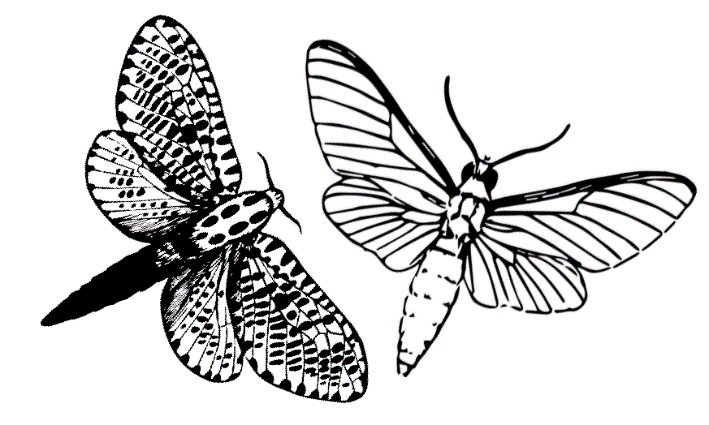
According to natural selection, light colored tree trunks would favor
light colored moths
dark colored moths
red colored moths
red and light colored moths
A fox with thicker fur than average would have a survival advantage over other foxes if:
There is more competition for food in the fox population.
The air temperature significantly decreases in winter.
A drought occurs, limiting the amount of water available.
A new disease appears that infects the foxes.
What is the advantage of having different shaped beaks?
To look different from other species.
To protect itself against predators.
To protect itself against prey
To be able to eat the food readily available in the environment.
Which word best describes the following definition?
The process by which individuals that are better adapted to their environment are more likely to survive and reproduce than other members of the same species.
Trait
Generation
Adaptive Trait
Natural Selection

Tree squirrels can have different fur colors.
Squirrels live in forests where foxes also live. Foxes hunt squirrels for food. Squirrels that have fur that is the same color as the trees are harder for the foxes to see and catch.
The diagram below shows a population of squirrels that live in a forest. At time 1, the population had the same number of black and gray squirrels. At time 2, after many generations, there were many more black squirrels and fewer gray squirrels in the population.
How did the environment change between time 1 and time 2? How did the population change?
You cannot tell how the environment changed. With each generation, more squirrels passed on the gene for black fur to their offspring.
There were more black trees. Squirrels with black fur are more likely to survive, so the squirrels with gray fur changed to have black fur.
There were more black trees. Squirrels with black fur are more likely to survive, so both types of squirrels passed on the gene for black fur to their offspring.
There were more black trees. With each generation, more squirrels with black fur survived long enough to pass on the gene for black fur to their offspring.

Which histogram has more variation?
A
B
C
The both have the same amount of variation
Variations are caused by . . .
Kaleidoscopes
Variety Shows
Mutations
A change in phenotypic expression
The phrase "Survival of the Fittest" would best describe...
Natural selection
Artificial selection
Selective breeding
None of the above



