
 Worksheets
The Mostly Complete American Civil War
Total questions: 90
Worksheet time: 49mins
What document outlined and established the government of the United States of America?
The Constitution
The Declaration of Independence
The Bill of Rights
The Articles of Confederation
Which territory declared its independence and fought a war against Mexico in 1835-36?
Texas
California
New Mexico
Florida
After Texas won its independence, who became its first president?
(a)
What ideology led the United States to imagine a country that stretched from the Atlantic to the Pacific Ocean?
Manifest Destiny
Absolutism
Marxism
Totalitarianism
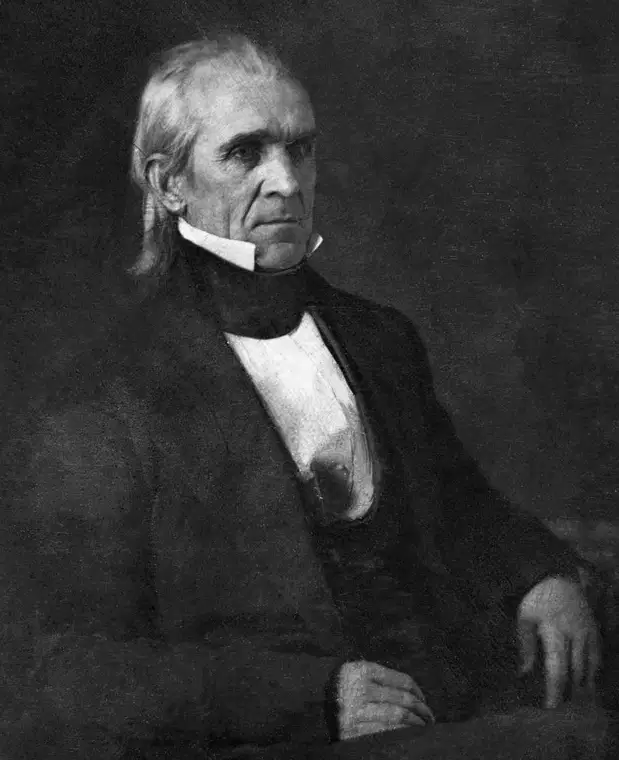
This president, James K. (a) , led the United States in it's war against Mexico.
Which river did the United States claim as the southern border of Texas?
Colorado River
Mississippi River
Rio Grande
Nueces River
This agreement between slave states and free states delayed a civil war by creating strict laws concerning slavery and the creation of new states.
The Compromise of 1850
The Agreement of 1848
The Treaty of Guadalupe Hidalgo
The Dred Scott Decision
These four terrible presidents followed Polk and did little to stop the American Civil War.
_____, ________, ______, ________.
(a)
Which abolitionist leader murdered many slave owners in the conflict called "Bleeding Kansas"?
John Brown
Frederick Douglas
Harriet Tubman
Abraham Lincoln
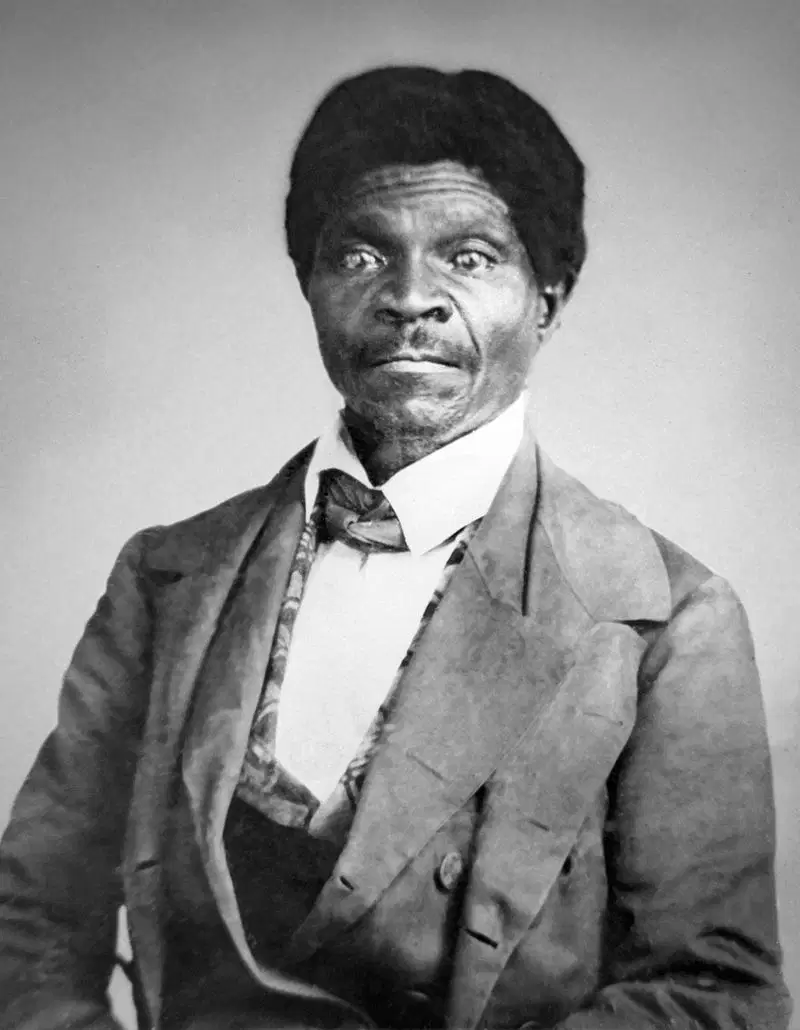
This 1857 Supreme Court Decision angered northern abolitionists and was considered a victory for slaveholders.
Dred Scott
Harold Humphries
Runaway Slave
Southern Succession
This person won the presidential election of 1860.
Abraham Lincoln
Stephen Douglas
John Breckinridge
John Bell
Which state was the first to secede from the Union in 1860?
South Carolina
Virginia
Massachusetts
Texas
How many states eventually seceded from the Union to form the Confederate States of America?
8
10
11
14
The first shots of the American Civil War were shot in this harbor on April 12, 1861.
Charleston
Savannah
New York
Boston
After the Battle of Fort Sumter, President Lincoln called for this many volunteers to put down the rebellion.
75,000
10,000
500,000
5,000,000
These states joined the Confederacy after Lincoln's call for volunteers to put down the rebellion.
Virginia
North Carolina
Tennessee
Arkansas
Which side had the higher population: The Union or the Confederacy?
Union
Confederacy
Which side produced more food: The Union or the Confederacy?
Union
Confederacy
Which side had more factories: The Union or the Confederacy?
Union
Confederacy
Which side had more miles of railroad: The Union or the Confederacy?
Union
Confederacy
President Lincoln at first gave this reason for fighting the Civil War.
Preserve the Union
End slavery
Increase trade with Europe
Gain more territory in the west
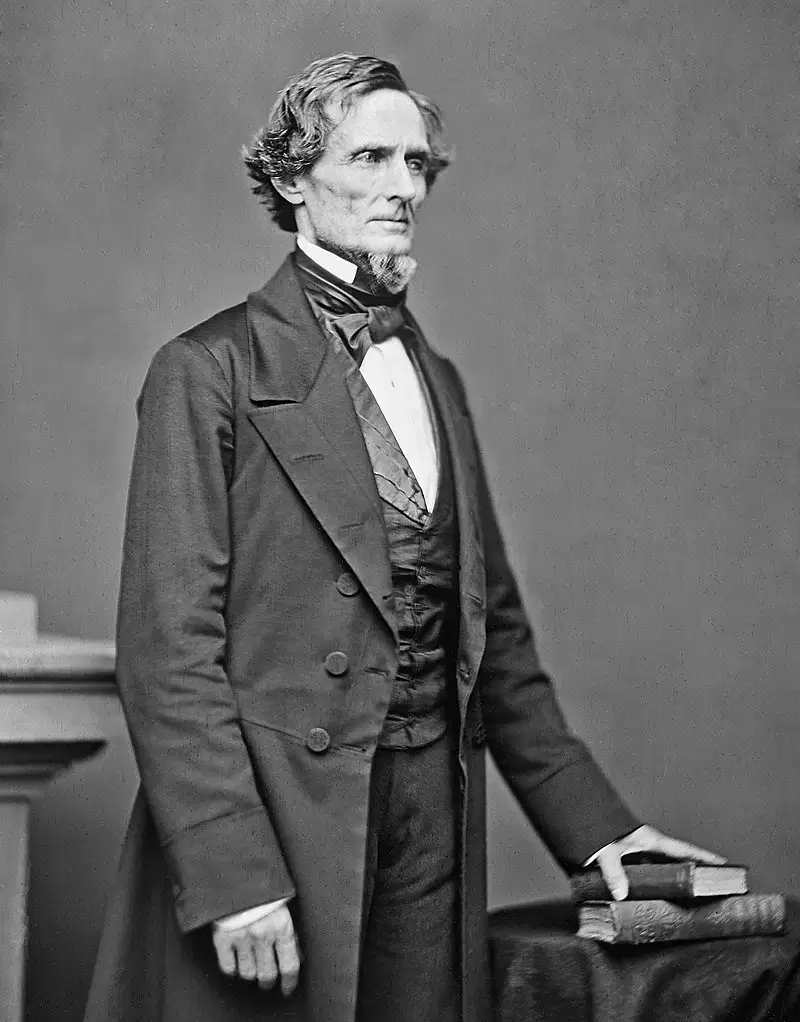
Who was the President of the Confederate States during the American Civil War?
Jefferson Davis
Robert E. Lee
Ulysses S. Grant
Andrew Johnson
Jefferson Davis gave this reason for the need for the Confederate states to leave the Union.
States' right to self-rule
preserve slavery
Open new trade with Europe
Create new states in Mexico
These states were considered "border states" because they allowed slavery, but did not join the Confederacy.
Deleware
Kentucky
Missouri
Maryland

The Battle of Fort Sumter was a Union or Confederate victory, or a draw?
Union
Confederate
draw
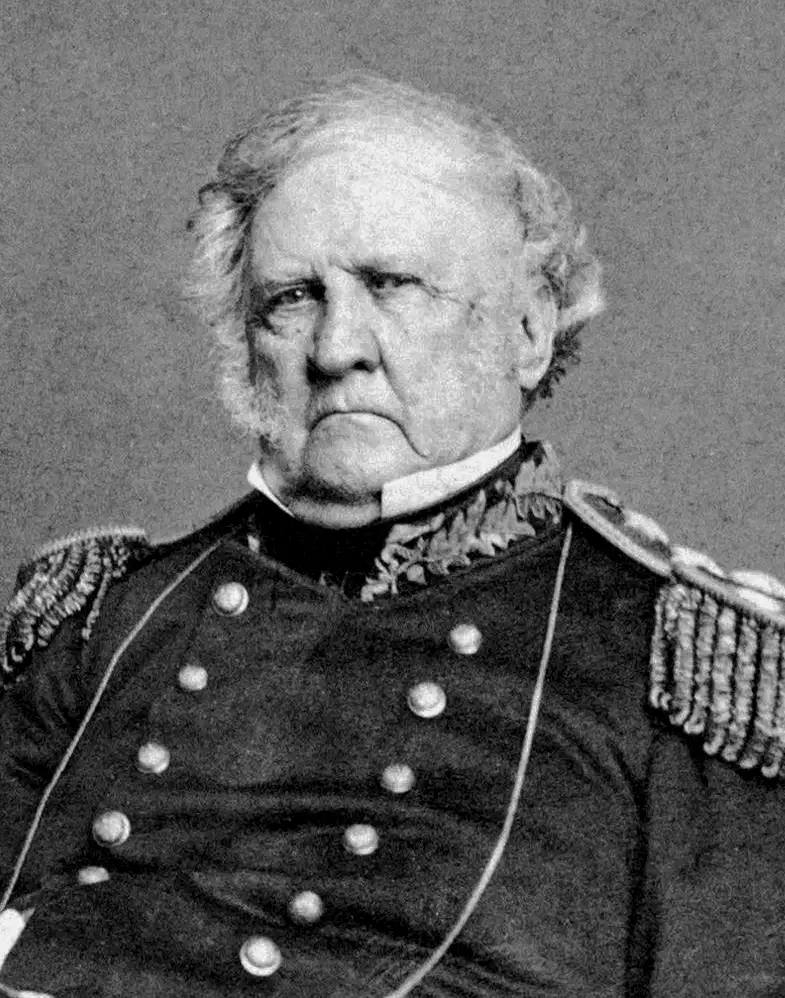
The first commander of the Union forces was this aged General famous for his leadership in the Mexican War.
Winfield Scott
Robert E. Lee
P.G.T. Beauregard
Joseph Johnston
Abraham Lincoln offered the role of Commander of all Union forces in 1861 to this man; he declined.
Robert E. Lee
Joseph Johnston
Ulysses S. Grant
George B. McClellan

The first large scale battle took place on July 21, 1861 about 25 miles away from Washington City.
Bull Run
Seven Days
Antietam
Gettysburg
This general was given command of the Union field forces in 1861 even though he had never led an army before.
Irwin McDowell
George McClellan
Ambrose Burnside
Joseph Hooker
This general, after leading the successful attack on Fort Sumter, was given command of one of the Confederate armies at Manassas,
P.G.T. Beauregard
Robert E. Lee
Ulysses Grant
William Sherman
This general saved the Confederate army at Manassas reaching the battle by train with thousands of troops from the Shenandoah Valley.
Joseph Johnston
Robert E. Lee
Ulysses Grant
William Sherman
Who won the Battle of Bull Run?
Union
Confederacy
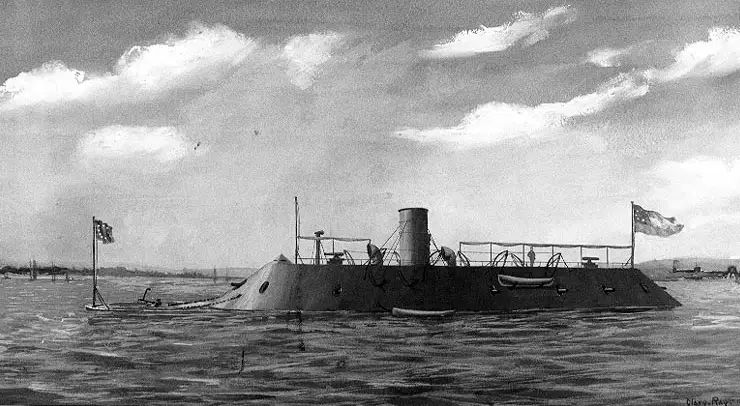
This ship was rebuilt after sinking and turned into the first iron sided ship in the Confederate Navy, the C.S.S. Virginia.
Merrimack
Housatonic
Wisconsin
Minnesota

John Ericcson built this ship in only 100 days to battle the C.S.S. Virginia.
Monitor
Housatonic
Wisconsin
Minnesota
The C.S.S. Virginia sank these two wooden warships, the Cumberland and the Congress, on March 8, 1862 at the beginning of what battle?
The Battle of Hampton Roads
The Battle of Bull Run
The Battle of the Seven Days
The Second Battle of Bull Run

Who won the naval battle between the first two ironclad warships?
Union
Confederacy
It was a draw.

In early April, 1862, a Union army led by Ulysses Grant was attacked by General Albert Sydney Johnson at this site in Tennessee.
Shiloh
Miami
Memphis
New York
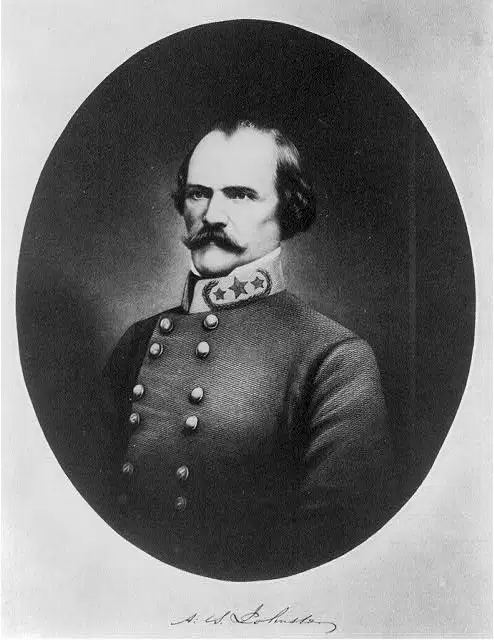
This General died at the Battle of Shiloh creating difficulties for his army after the battle.
Albert Sydney Johnston
Ulysses Grant
Robert E. Lee
Joseph Johnston

Who was given command of the Union army after McDowell was fired and Winfield Scott retired?
George McClellan
Robert E. Lee
Ulysses Grant
William Sherman

After Joseph Johnston was wounded at the Battle of Seven Pines, this man took over and defeated the Union Army.
Robert E. Lee
James Longstreet
Thomas Jackson
Ulysses S. Grant
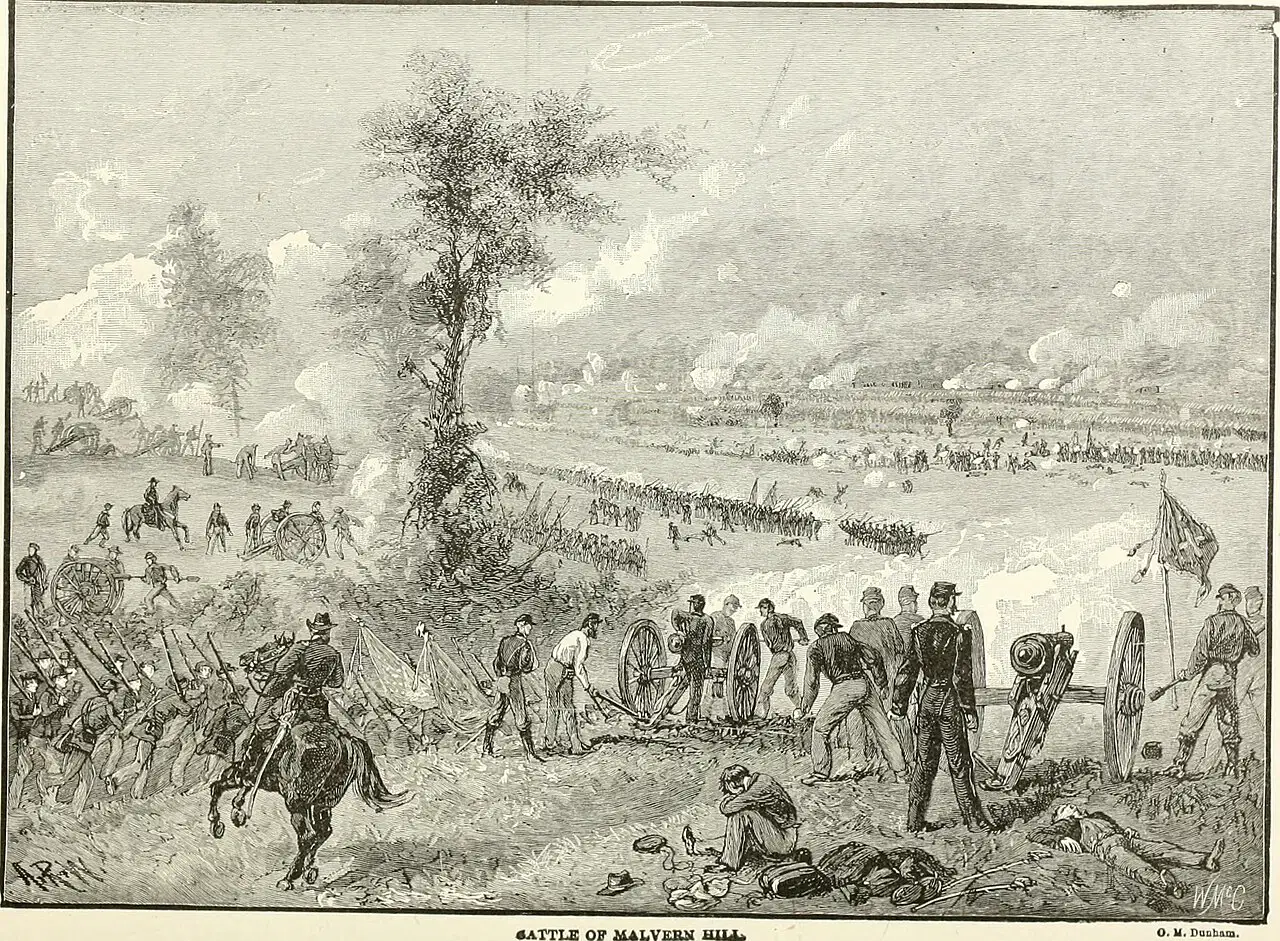
The Union fought the Confederacy on the James Peninsula seven times in a week during these battles from June 25th to July 1st, 1862.
Seven Days
Seven Pines
Seven Ponies
Seven Roads

After the failure of the Peninsular Campaign, this general replaced George McClellan as the leader of the Union army.
John Pope
James Longstreet
Ambrose Burnside
Joseph Hooker

The Union army suffered a second embarrassing defeat here, the same site they had been defeated in 1861, in late August 1862.
Second Battle of Bull Run
Second Battle of Fair Oaks
Second Battle of Hampton Roads
Second Battle of Shiloh
Abraham Lincoln returned this general to command of the Union Army as Lee took the Army of Northern Virginia into Maryland.
George McClellan
John Pope
John Fremont
Ulysses Grant
The Army of Northern Virginia met the Union army of the Potomac in battle near this town on September 17, 1862.
Sharpsburg
Hagerstown
Annapolis
Baltimore
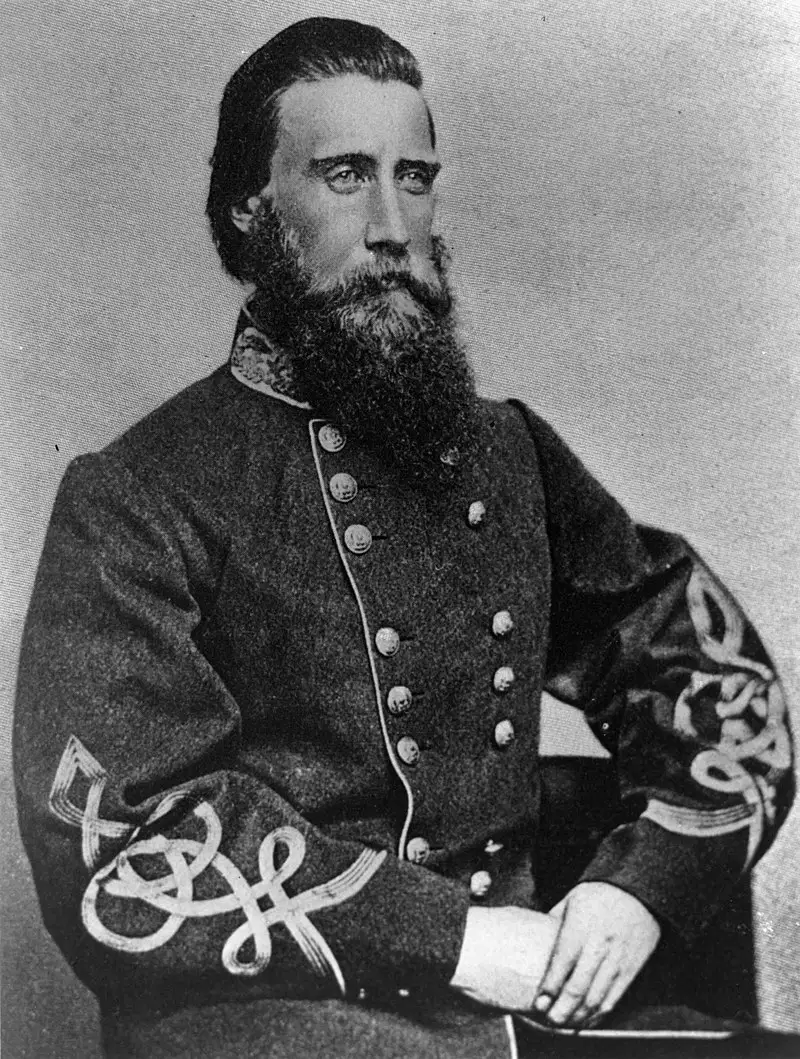
When asked where his division was after a morning of bloody fighting in the Cornfield, this confederate general replied, "Dead on the field."
John Bell Hood
James Longstreet
Joseph Hooker
Joseph Mansfield

5,600 soldiers became casualties in three and a half hours during the mid-morning portion of the battle along a sunken road that was renamed
Bloody Lane
The Hornet's Nest
The Mule Shoe
The Bloody Angle

The southern part of the Battle of Antietam took place at the Rohrbach's Bridge, renamed this after 500 men became casualties under Union general Ambrose Burnside.
Burnside Bridge
Bloody Bridge
Burnside's Foley
Snead's Ford.
This general arrived late in the afternoon at the Battle of Antietam with 3,000 men to save the day for the Confederate army.
A.P. Hill
James Longstreet
Robert E. Lee
Ulysses S. Grant
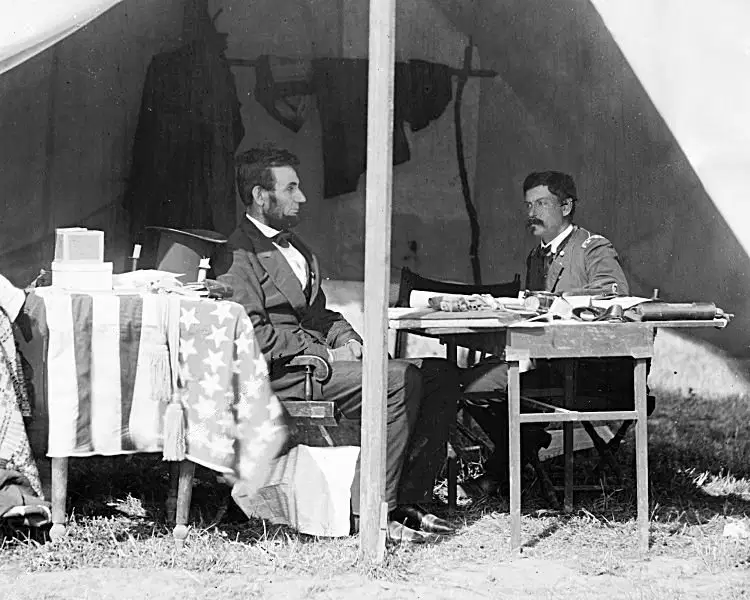
Abraham Lincoln visited the Antietam Battlefield on October 3rd, 1862 and fired this general from command of the Union army.
George McClellan
Ulysses Grant
Robert E. Lee
James Longstreet
Abraham Lincoln issued this document after the Battle of Antietam. It took effect on January 1st, 1863.
Emancipation Proclamation
Bill of Rights
Constitution
13th Amendment
The Emancipation Proclamation legally freed this many slaves.
zero
one million
10 million
all slaves in the United States
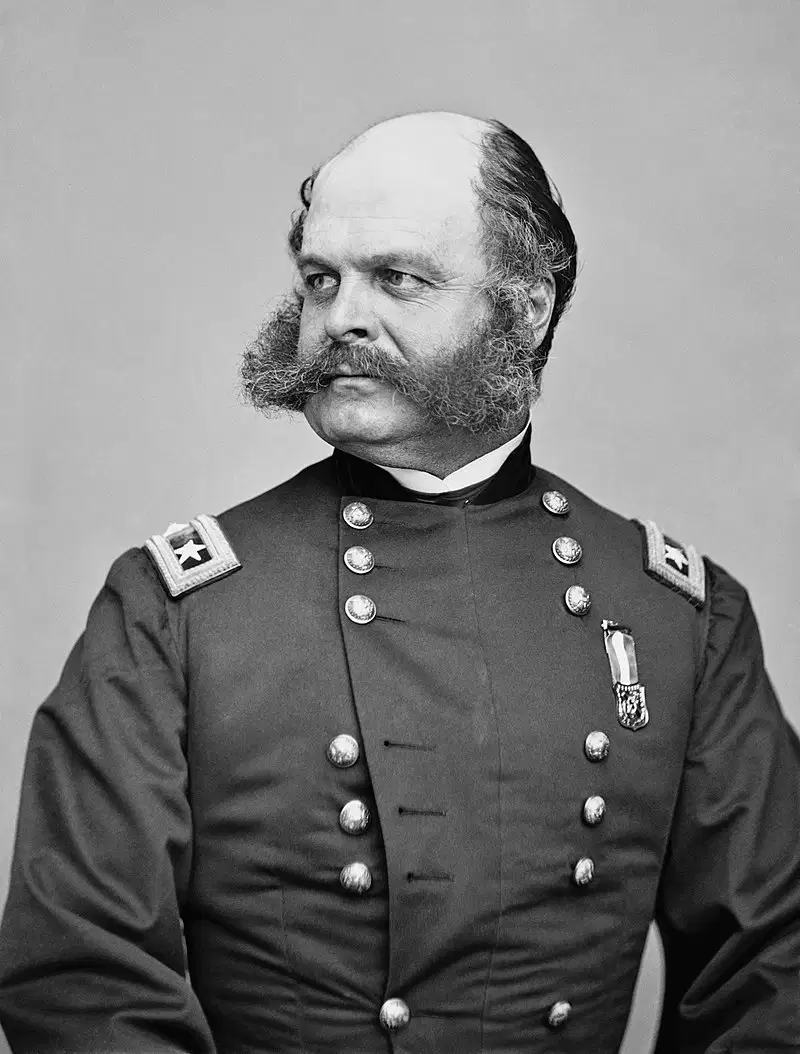
After McClellan was fired for the second time, this general was given command of the Union Army of the Potomac.
Ambrose Burnside
Joseph Hooker
Joseph Johnston
James Longstreet

Crossing a river and attacking up a hill, the Union army was soundly defeated at his battle on December 13th, 1862
Fredericksburg
Seven Days
Charleston
Gettysburg
This commanding general resigned his leadership after the Battle of Fredericksburg.
Ambrose Burnside
Robert E. Lee
Winfield Scott Hancock
Albert Sydney Johnson

This general was given command of the Union army after Ambrose Burnside was removed in January, 1863.
Joseph Hooker
George Meade
Ulysses Grant
Robert E. Lee

The Army of the Potomac was decisively defeated again on May 3rd and 4th, 1863 at this battle.
Battle of Chancellorsville
Battle of Antietam
Battle of Shiloh
Battle of New York
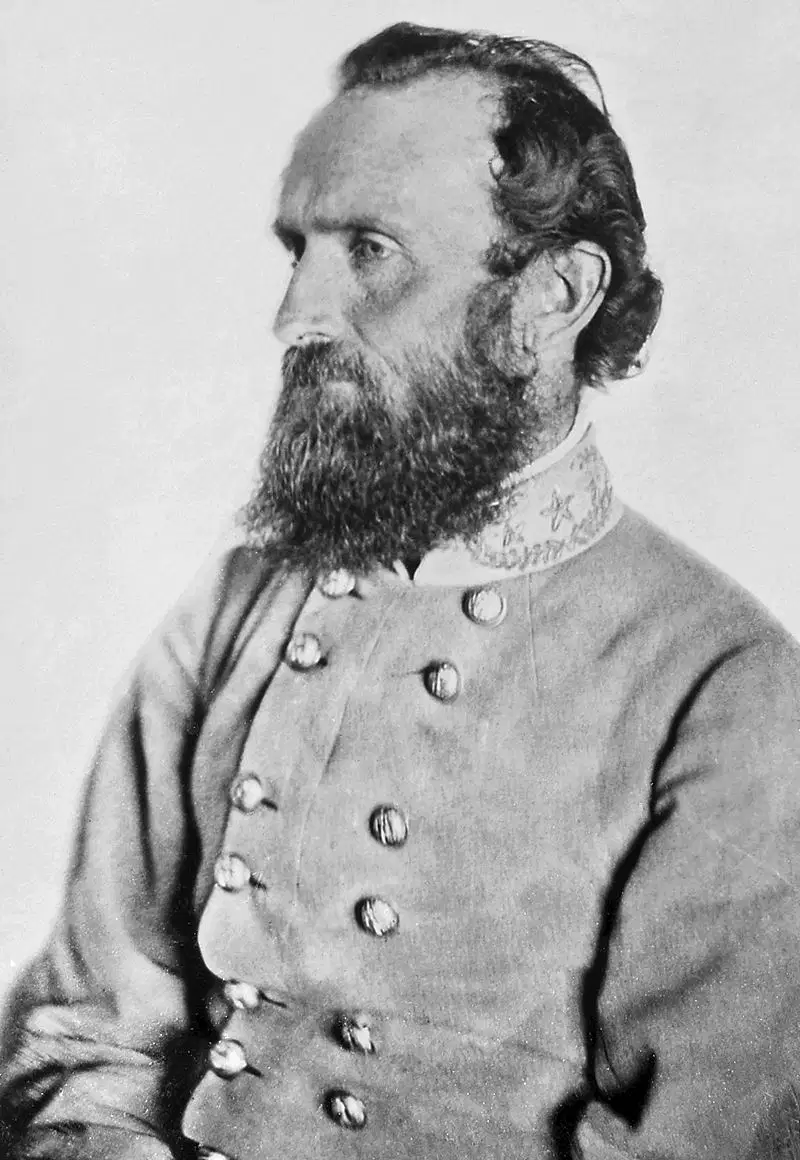
This important Confederate general died during the Battle of Chancellorsville after accidentally being shot by his own men.
Thomas "Stonewall" Jackson
Robert E. Lee
Ulysses Grant
Ambrose Burnside
This general was reassigned after the Battle of Chancellorsville.
Joseph Hooker
Joseph McClellan
Ulysses Grant
Robert E. Lee
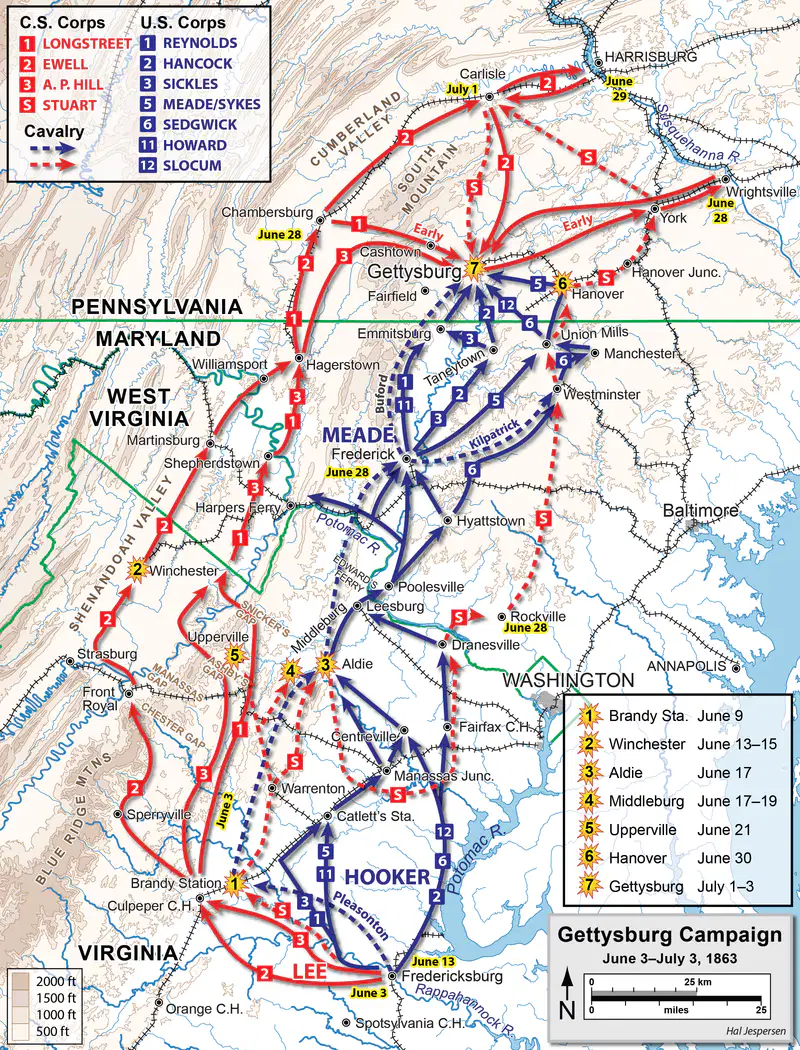
After the Confederacy won the Battle of Chancellorsville, Robert E. Lee decided to invade this state in hopes of ending the war.
Pennsylvania
New York
Massachusetts
New Jersey
This battle started as Confederate general Henry Heth scouted a nearby town for shoes.
Gettysburg
Antietam
Sharpsburg
Manassas
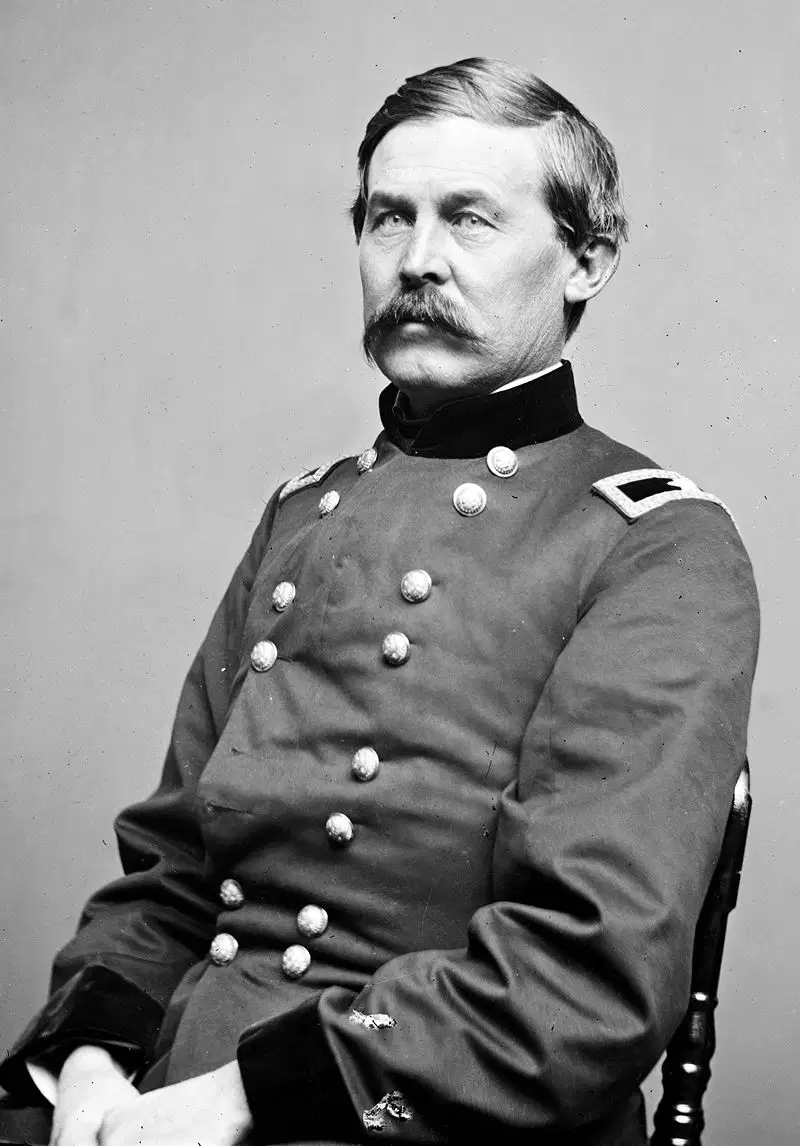
In charge of the Union First Division of cavalry, this general led a spirited defense of Gettysburg on the morning of July 1, 1863.
John Buford
Winfield Scott Hancock
George Meade
George Sykes
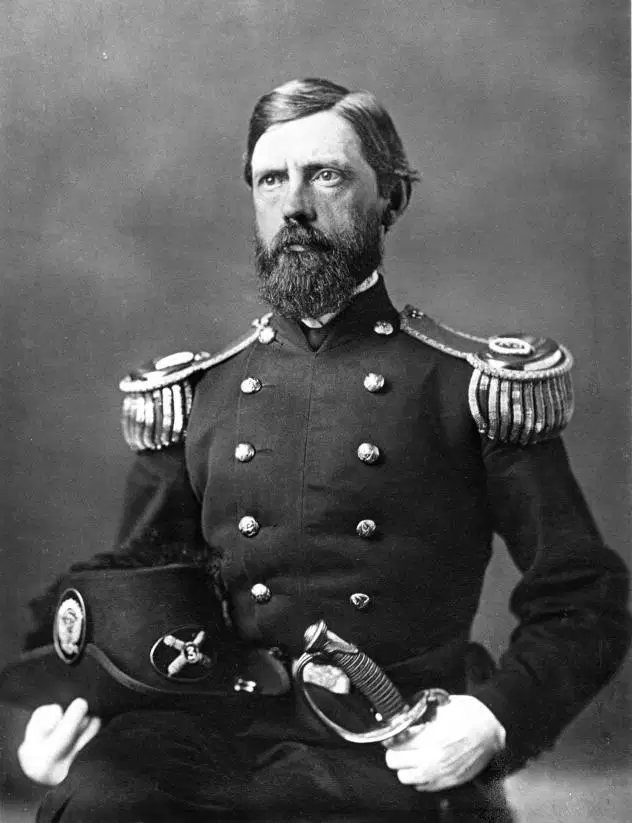
This commander of the First Corps of the Union Army died positioning reinforcements in front of Gettysburg on July 1st.
John Reynolds
George Meade
Ulysses Grant
George McClellan

At the end of the first day of the Battle of Gettysburg, the Confederate Army had driven the Union Army to this area south of the town.
Cemetery Hill
Missionary Ridge
Seminary Ridge
South Mountain
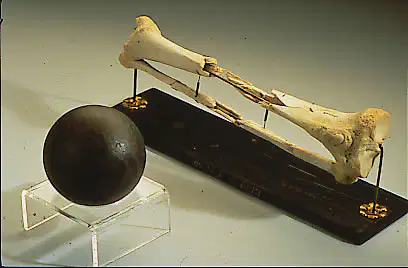
At the start of the second day at the Battle of Gettysburg, this commander of the Union Third Corps moved his men out of position to the Peach Orchard.
Daniel Sickles
George Meade
John Reynolds
Ulysses Grant

Joshua Lawrence Chamberlain led this unit in defense of Little Round Top on July 2, 1863.
20th Maine
54th Massachussets
15th Alabama
1st Georgia
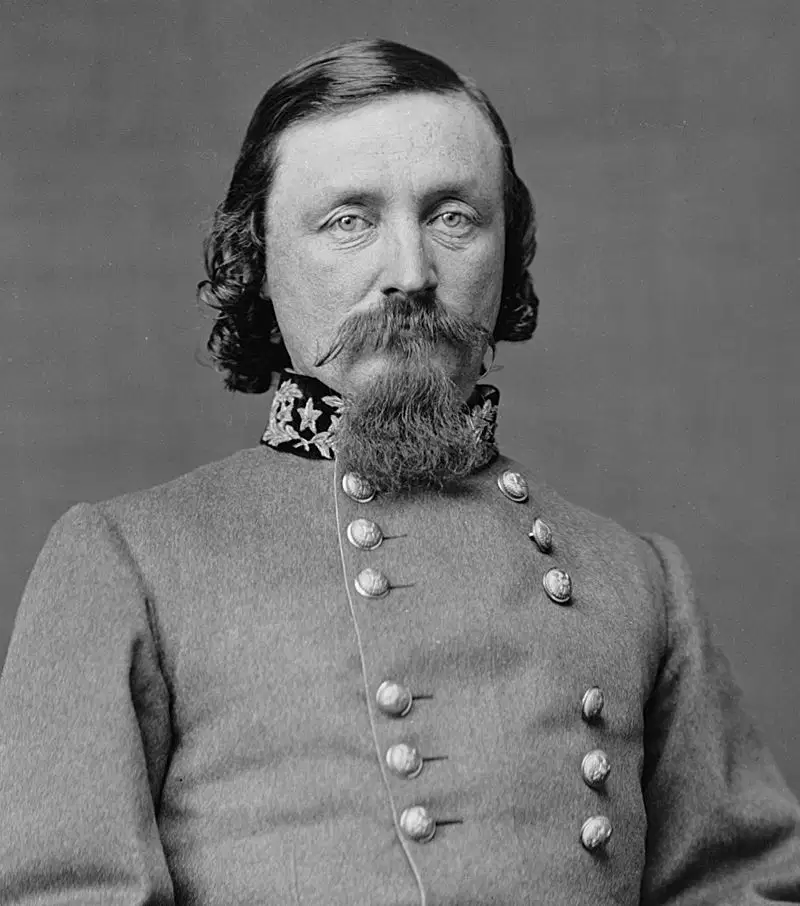
After attacking both flanks during the first two days of the Battle of Gettysburg, General Lee decided to send the division of this general into the Union center on day 3.
George Pickett
John Hood
Dorsey Pender
Stonewall Jackson

Leading the defense of the Union center, this general calmly rode his horse through a 45 minute artillery barrage saying, "There are times when a corps commander's life does not count."
Winfield Scott Hancock
Ulysses Grant
Robert E. Lee
Daniel Sickles
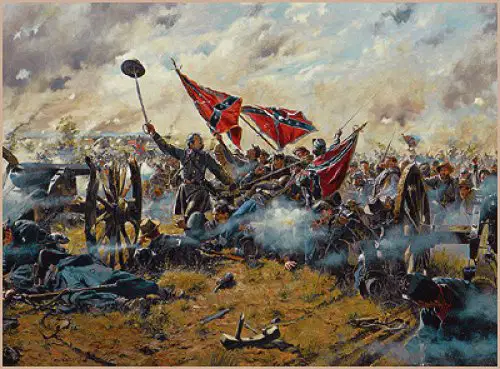
This general, the best friend of Union General Winfield Scott Hancock, died making the farthest advance during Pickett's Charge on July 3rd.
Lewis Armistead
George Pickett
John Bell Hood
PGT Beauregard
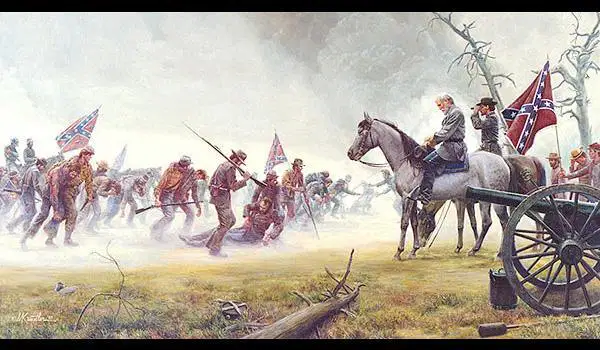
This general took total blame for the Confederate defeat at Gettysburg saying, "It's all my fault."
Robert E. Lee
James Longstreet
John Bell Hood
Stonewall Jackson
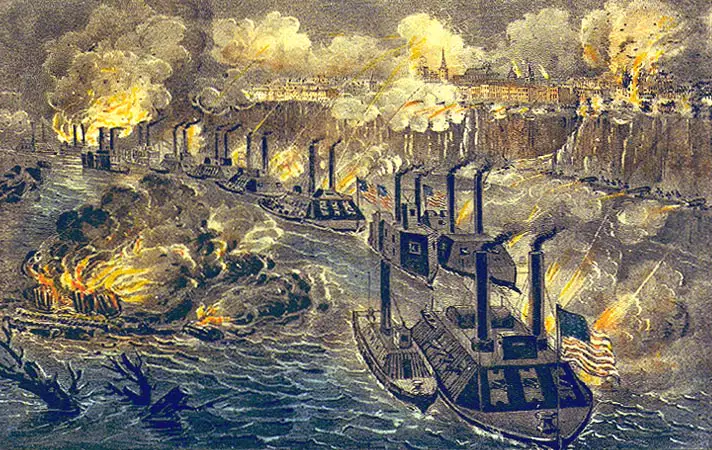
This city surrendered on July 4th, 1863 to Ulysses S. Grant opening the Mississippi River to the North.
Vicksburg
Chambersburg
Chicago
Charlotte
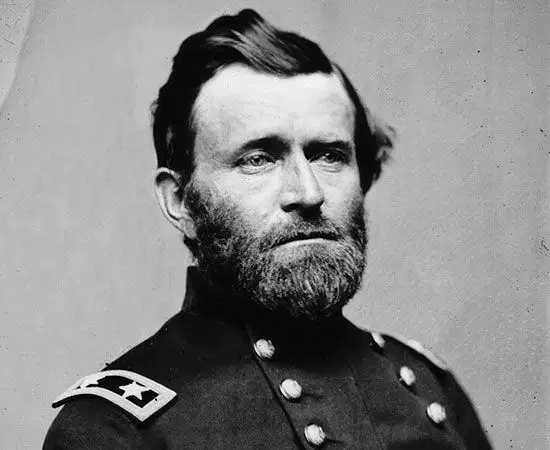
This general was given command of all Union armies at the beginning of 1864.
Ulysses Grant
George McClellan
Jefferson Davis
Joe Johnston

The USS Kearsarge sank this Confederate ship off the coast of France on June 19th, 1864.
CSS Alabama
CSS Virginia
CSS Ablemarle
CSS Shenandoah

This regiment, made-up of mostly black freemen and former slaves from Boston, Massachusetts, performed gallantly at this battle on July 18th, 1864.
54th Massachusetts
19th Pennsylvania
59th Vermont
18th Massachusetts

Forty or so men held of the Union invasion of Texas on September 8th, 1863 at his location.
Sabine Pass
Dallas
Houston
Rio Brazos

After saving the Union Army of the Tennessee from destruction, this general earned the nickname "The Rock of Chickamauga".
George Thomas
William Sherman
Ulysses Grant
George McClellan

This woman helped to clean up the Union encampments and hospitals. She also started the American Red Cross.
(a)

From May 4th to June 12th, 1864 the Union Army of the Potomac and the Army of Northern Virginia fought battles at The Wilderness, Spotsylvania Courthouse, North Anna, and Cold Harbor in what would later become known as
The Overland Campaign
The Peninsular Campaign
The Red River Campaign
The Vicksburg Campaign

A mine filled with 8,000 pound of gunpowder was exploded leaded to the horrific defeat of the Union Army at this place outside of Petersburg, Virginia.
The Crater
Malvern Hill
Gaines Mill
Seven Pines

This man yelled, "Damn the torpedoes! Full Speed ahead!" at the Battle of Mobile Bay August 5th, 1864.
David Farragut
George Meade
William Sherman
Robert Foote
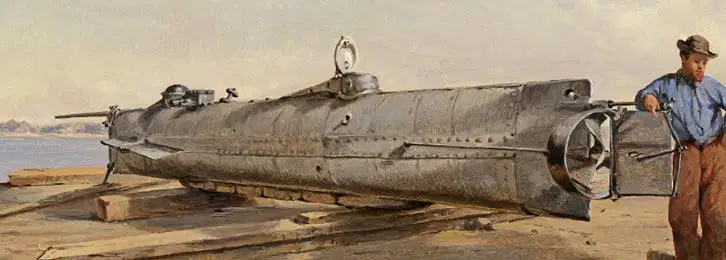
This Confederate submarine was the first submersible ship to sink another ship in war.
CSS Hunley
CSS Virginia
CSS Ablemarle
CSS Alabama
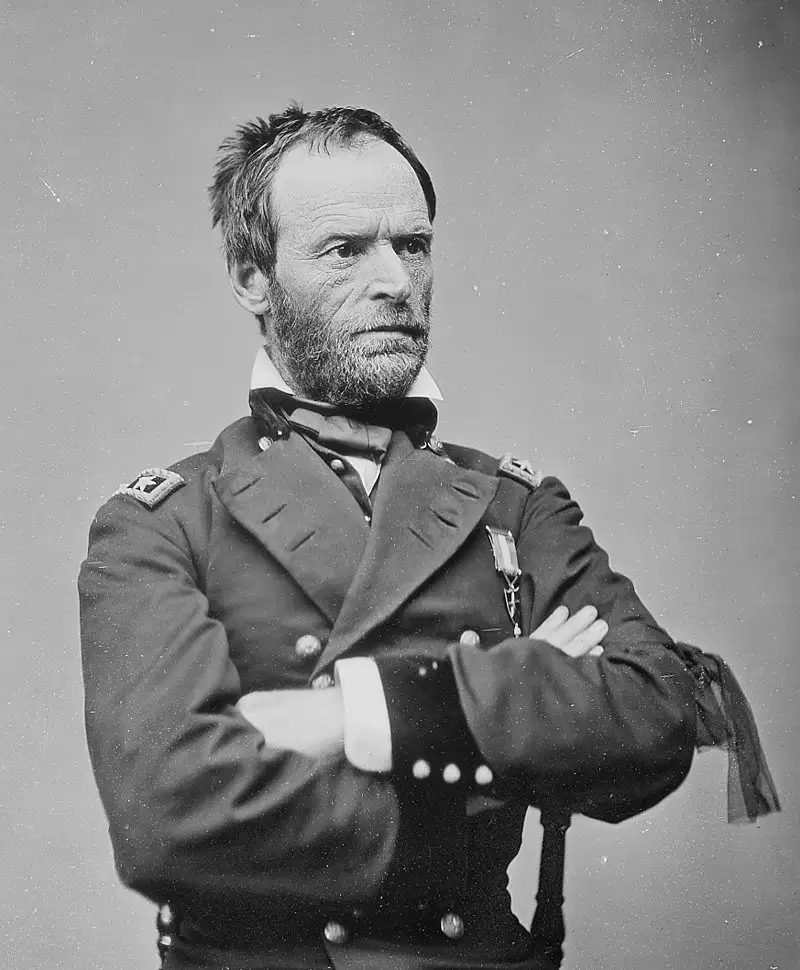
This Union general captured and the burned the city of Atlanta, Georgia, then marched his army to Savannah, Georgia, burning everything along his way. He wanted to "Make Georgia howl."
William Tecumseh Sherman
George Thomas
Judson Kilpatrick
Oliver Howard

This person defeated George McClellan in the presidential election of 1864.
Abraham Lincoln
Ulysses Grant
Millard Fillmore
Franklin Pierce
This word means to wear down your opponent so they will eventually run out of men and supplies to fight.
(a)
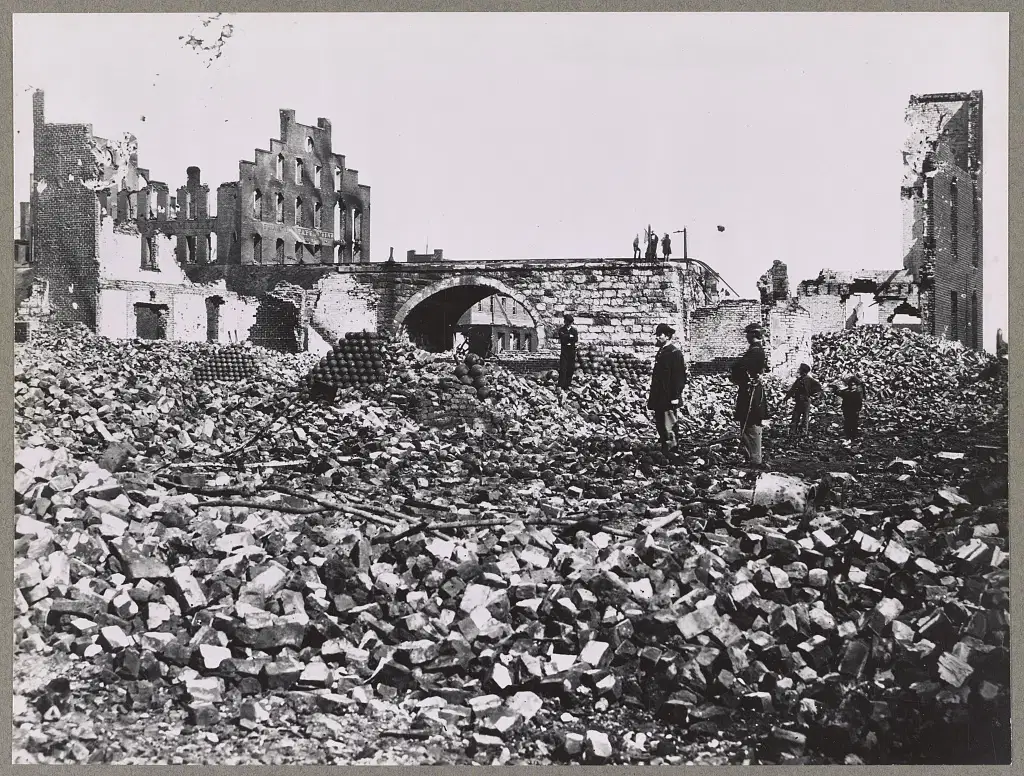
This term means to bring the war to every portion of your opponent's society including women, children, and buildings.
(a)
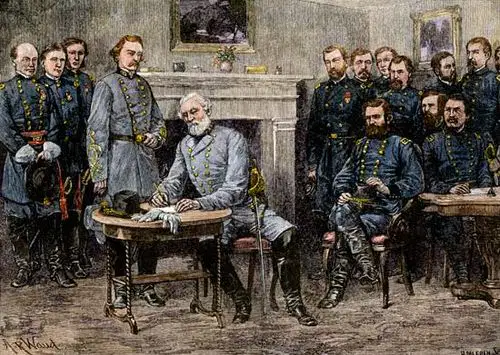
The Army of Northern Virginia finally surrendered at this place, April 9th, 1865.
Appomattox Courthouse
Petersburg
Richmond
Miami

This man shot President Lincoln at Ford's Theater on April 14, 1865. Lincoln died the next day.
John Wilkes Booth
CS Lewis
JRR Tolkien
Charles Martel
This amendment to the Constitution freed all of the slaves.
13th
14th
20th
25th
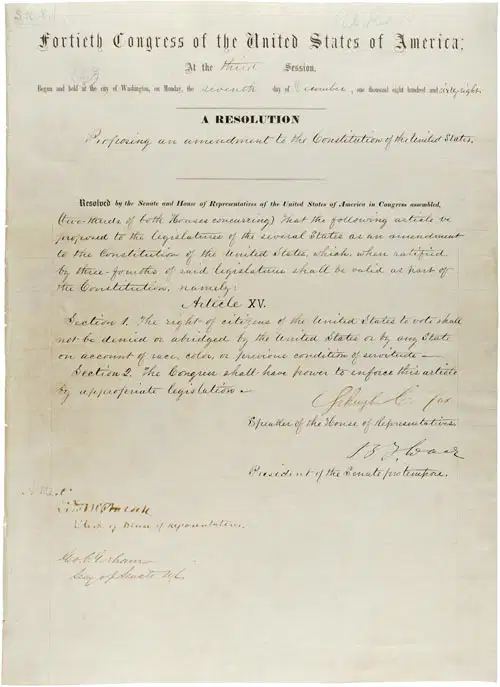
This amendment to the Constitution gave black men the right to vote and hold office in every state.
15th
16th
20th
25th
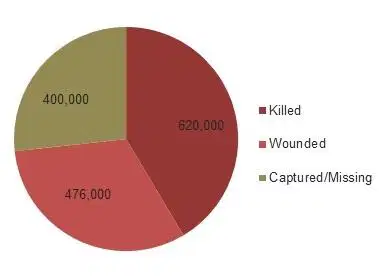
About this many casualties were reported during the four years of fighting during the American Civil War.
1.5 million
2 million
2.5 million
5 million

