

Wayground logo

Free Printable Worksheets

Font size

S
M
L
XL
Worksheets

Chapter 17 Test

Total questions: 52

Worksheet time: 26mins

Name
Class
Date
1.
Leader of the Nazi party
a)
Woodrow Wilson
b)
Albert Einstein
c)
Joseph Stalin
d)
Adolf Hitler
e)
Benito Mussolini
2.
American president who led in the formation of the League of Nations
a)
Woodrow Wilson
b)
Albert Einstein
c)
Joseph Stalin
d)
Adolf Hitler
e)
Benito Mussolini
3.
The father of modern physics
a)
Woodrow Wilson
b)
Albert Einstein
c)
Joseph Stalin
d)
Adolf Hitler
e)
Benito Mussolini
4.
The Soviet Union’s second dictator
a)
Woodrow Wilson
b)
Albert Einstein
c)
Joseph Stalin
d)
Adolf Hitler
e)
Benito Mussolini
5.
Facist/Communist Leader of Italy
a)
Woodrow Wilson
b)
Albert Einstein
c)
Joseph Stalin
d)
Adolf Hitler
e)
Benito Mussolini
6.
This European country was the largest producer of chemicals prior to World War I.
a)
Germany
b)
Italy
c)
Japan
d)
Russia
7.
Which of the following was not used as a weapon in World War I?
a)
machine guns
b)
tanks
c)
atomic bombs
d)
poisonous gas
8.
Pierre and Marie Curie pioneered work in
a)
astronomy
b)
German submarines
c)
radioactive matter
d)
wartime negotiations
9.
What treaty ended World War I and made Germany pay for war damages?
a)
Treaty of Berlin
b)
Treaty of Versailles
c)
Treaty of Paris
d)
Treaty of Washington
10.
Those who agreed to settle disputes by negotiation rather than war signed the
a)
Kellogg-Briand Pact.
b)
Lateran Treaty.
c)
Locarno Treaty.
d)
Olive Branch Agreement.
11.
Which of the following was NOT a cause of World War I?
a)
The formation of many alliances in Europe
b)
The imperialism of many nations around the world
c)
The nationalism, or pride in one’s country
d)
The sinking of the passenger ship, Lusitania
12.
Which of the following is NOT true about trench warfare in World War I?
a)
The trench systems were complicated with interlinking lines of trenches.
b)
The land between the trenches was called “No Man’s Land.”
c)
The trenches were mainly located in the Western Front.
d)
Soldiers were safe and protected in the trenches of the Western Front.
13.
13) What was Germany’s naval tactic during World War I?
a)
They posted U-Boats (submarines) in the German ports to keep British ships from entering.
b)
They posted U-Boats (submarines) in the Atlantic Ocean and destroyed ships carrying supplies to Britain.
c)
They posted U-Boats (submarines) in the Pacific Ocean and destroyed ships carrying supplies to Britain.
d)
They bombed any British battleship using planes and zeppelins in the sky.
14.
How many years did World War I last?
a)
One
b)
Two
c)
Ten
d)
Four
15.
What was the main goal of the League of Nations?
a)
To make Germany pay reparations
b)
To punish Germany
c)
To prevent future wars
d)
To unite Europe
16.
What was “No Man’s Land?”
a)
The trench
b)
The officer’s quarters
c)
The land between enemy trenches
d)
Where tanks were stored
17.
Which statement is accurate about the sinking of the Lusitania, according to the document above?
a)
The German authorities never gave warnings that the Lusitania would be attacked.
b)
The Lusitania delayed their voyage for a month due to the German warnings.
c)
People did not believe warning given that the Lusitania would be attacked.
d)
The Lusitania left Great Britain and sailed for New York.
18.
According to the document, how did Woodrow Wilson feel Germany should be punished after World War I?
a)
They should be punished harshly.
b)
They should not be punished at all.
c)
They should be seen as equals to rest of the countries.
d)
They should be divided and split among other European nations.
19.
Which event is described above?
a)
The start of World War I
b)
The assassination of Franz Ferdinand
c)
The abdication of Wilhelm II
d)
The murder of Gavrilo Princip
20.
What was the immediate effect of this event?
a)
Austria Hungary declared war on Serbia
b)
Germany declared war on Austria Hungary
c)
Russia joined the Central Powers
d)
Britain declared war on Germany
21.
What is Erich’s tone in the previous quote?
a)
hopeful
b)
hopeless
c)
angry
d)
optimistic
22.
How does Erich say he and his fellow soldiers felt at the beginning of the war?
a)
They were fearful and scared they may die.
b)
They were bored and lonely because they left home.
c)
They were hopeless and only believed in war.
d)
They were young and energetic and ready to fight.
23.

a period of economic decline characterized by high unemployment, high prices, and a lack of economic production

a)

stock market

b)

boom and bust cycle

c)

urban

d)

economic depression

24.

What was the main cause of the Great Depression?

a)

The collapse of the stock market in 1929

b)

The Dust Bowl

c)

World War I

d)

The New Deal

25.

During the Great Depression, what was the unemployment rate at its peak in the United States?

a)

About 10%

b)

About 25%

c)

About 50%

d)

About 15%

26.

What year did WW1 begin

a)

1914

b)

1915

c)

1918

d)

1940

27.

Who was killed that ultimately sparked the beginning of WW1?

a)

Gavrilo Princip

b)

Austria Hungary

c)

Franz Ferdinand

d)

Adolf Hitler

28.

Who were the Triple Alliance?

a)

US, France, and Russia

b)

Spain, Belgium, Germany

c)

Germany, Austria-Hungary, Italy

d)

France, Russia, and Britain

29.

Who were the Triple Entente?

a)

France, Italy, Russia

b)

France, Russia, and Britain

c)

US, Italy, Germany

d)

Serbia, Britain, Belgium

30.

What year did WW2 end?

a)

1981

b)

1918

c)

2023

d)

1914

31.

The trenches were clean and sanitary.

a)

true

b)

false

32.

The area of land between two opposing trenches was called-

a)

No Where Land

b)

Land of No Men

c)

Land of the Free

d)

No Man's Land

33.

When was WW1 fought?

a)

1880-1889

b)

1903-1914

c)

1914-1918

d)

1954-1958

34.

Who did the Allied Powers fight against in WW1?

a)

Central Powers

b)

Bad Guys

c)

Axis Powers

d)

China

35.

What was another name for the British Empire?

a)

Great Britain

b)

King's Land

c)

United States of America

d)

New England

36.

Who won WW1?

a)

Allied Powers

b)

Central Powers

c)

Axis Powers

d)

German Empire

37.

Who was the president of the United States during WW1?

a)

Wilhelm II

b)

Georges Clemenceau

c)

Woodrow Wilson

d)

Nicholas II

38.

Who was Emperor of the Russian Empire during WW1?

a)

Nicholas II

b)

George V

c)

Woodrow Wilson

d)

Donald Trump

39.

Which country was NOT a member of the Allied Powers?

a)

Ottoman Empire

b)

Russian Empire

c)

British Empire

d)

France

40.

The United States wanted to remain neutral during the war.

a)

true

b)

false

41.

America became involved in the war ______________________ because of many factors.

a)

excitedly

b)

reluctantly

c)

quickly

d)

enthusiastically

42.

What year did Woodrow Wilson ask Congress to join World War 1?

a)

1914

b)

1915

c)

1916

d)

1917

43.

Which countries were part of the Central Powers?

a)

Germany

b)

Great Britain

c)

Austria

d)

Hungary

e)

France

44.

The Treaty of Versailles included the creation of an international peacekeeping organization called the _______________________________________.

a)

League of Nations

b)

Avengers

c)

Justice League

d)

International League of Allies

45.

Militarism

a)

Austria-Hungary, Germany, Ottoman Empire

b)

an increase in the importance of the military of a country

c)

to prepare for war

d)

A form of warfare in which opposing armies fight each other from trenches dug in the battlefield.
46.

Stalemate

a)

A form of warfare in which opposing armies fight each other from trenches dug in the battlefield.

b)

A situation in which no progress can be made or no advancement is possible

c)

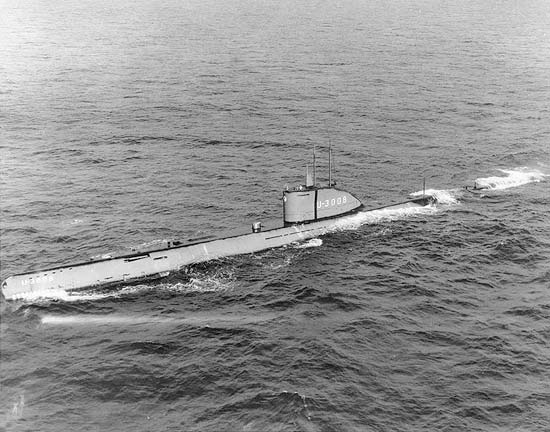
German submarines

d)

British passenger liner sunk in 1915 that helped sway American opinion of the war.

47.

mobilize

a)

A form of warfare in which opposing armies fight each other from trenches dug in the battlefield.

b)

A situation in which no progress can be made or no advancement is possible

c)

to prepare for war

d)

an increase in the importance of the military of a country

48.

Trench Warfare

a)

to prepare for war

b)

A form of warfare where soldiers fight from trees.

c)

Britain, France, Russia, Italy and the United States

d)

A form of warfare in which opposing armies fight each other from trenches dug in the battlefield.

49.

U-boats

a)

German submarines

b)

to prepare for war

c)

Agreement to stop fighting

d)

an increase in the importance of the military of a country

50.

Reparations

a)

As part of the Treaty of Versailles, Germany was ordered to pay fines to the Allies to repay the costs of the war.

b)

American citizens were lending money to the government to pay for the war.

c)

Law passed by Congress in 1917 that required all men from ages 21 to 30 to register for the military draft

d)

British passenger liner sunk in 1915 that helped sway American opinion of the war.

51.

League of Nations

a)

A world organization established in 1920 to promote international cooperation and peace. It was first proposed in 1918 by President Woodrow Wilson, although the United States never joined the League of Nations.

b)

As part of the Treaty of Versailles, Germany was ordered to pay fines to the Allies to repay the costs of the war.

c)

1917 - Germany sent this to Mexico instructing an ambassador to convince Mexico to go to war with the U.S.

d)

British passenger liner sunk in 1915 that helped sway American opinion of the war.

52.

Treaty of Versailles

a)

Treaty that ended WW I. It blamed Germany for WW I and handed down harsh punishment.

b)

Law passed by Congress in 1917 that required all men from ages 21 to 30 to register for the military draft

c)

American citizens were lending money to the government to pay for the war.

d)

British passenger liner sunk in 1915 that helped sway American opinion of the war.
