
 Worksheets
CHEM FINAL EXAM
Total questions: 25
Worksheet time: 19mins
The 3 types of chemical bonds are ________, ________, and ______. (Choose 3)
ionic
valence
covalent
metallic
atomic
If an atom gains two electrons, what charge will it have?
-2
-1
+1
+2
A bond between two nonmetal atoms is a __________ bond.
ionic
nuclear
metallic
covalent
Ionic bonds form between ---
nonmetals.
metals and nonmetals.
The octet rule states that most elements want to have _____ valence electrons.
2
4
6
8
A bond between a metal atom and a nonmetal atom is a __________ bond.
ionic
atomic
metallic
covalent
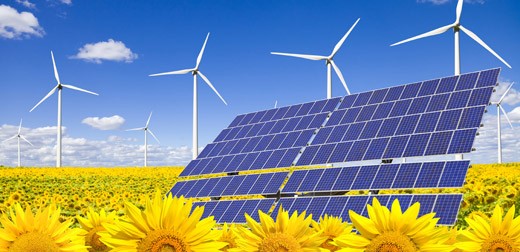
__________ is an energy resource that will not run out in the next several hundred years.
Renewable Energy Resource
Nonrenewable Energy Resource
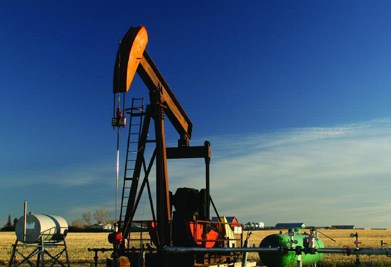
Energy that is made from the power of moving water
Hydroelectric
Coal
Biomass
Wind
Energy that is made from heat inside Earth
Coal
Fossil Fuels
Geothermal
Solar
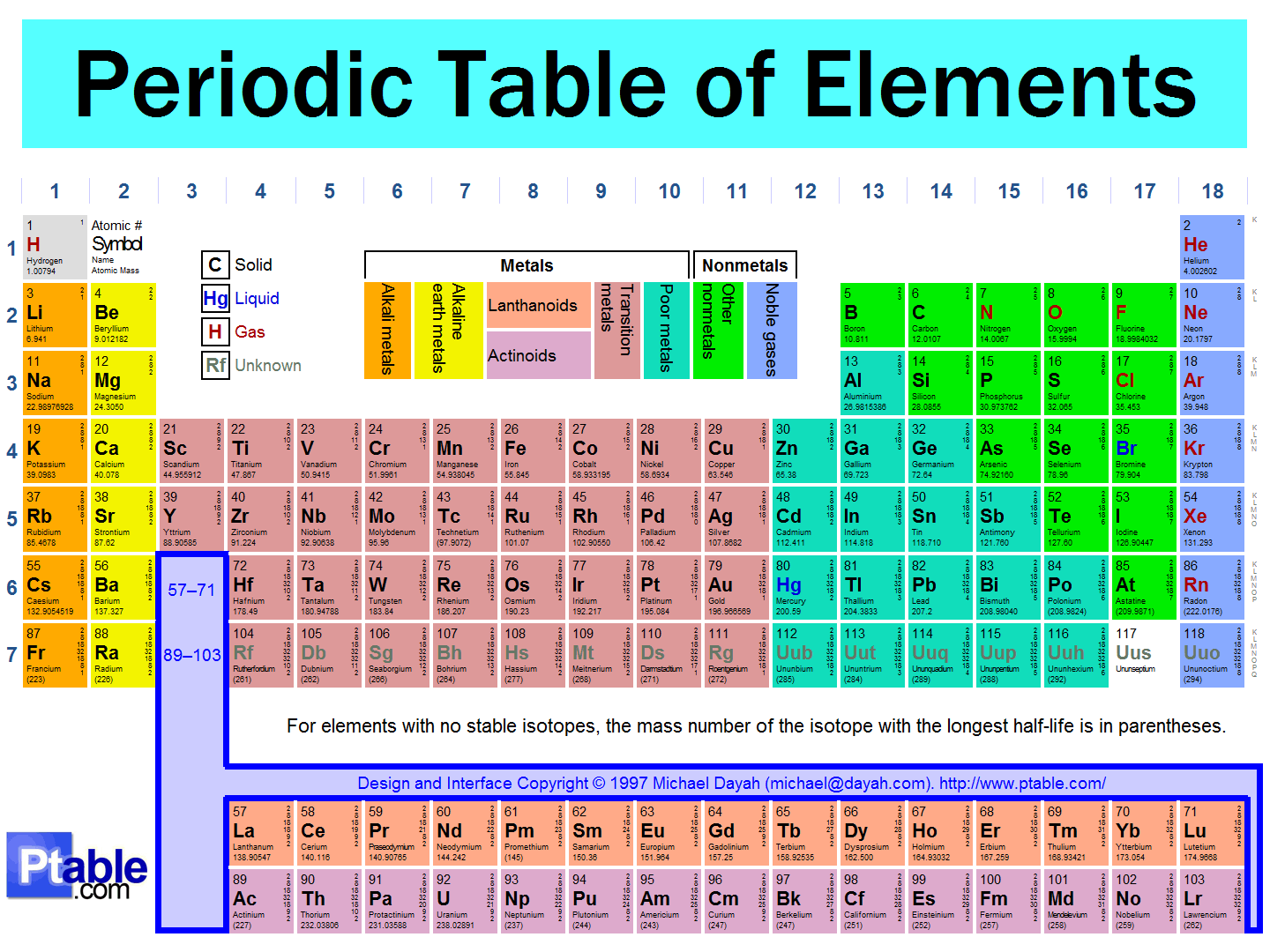
The vertical (up and down) columns in the Periodic Table are called
groups
towers
periods
atomic numbers
Which group of the periodic table is composed of inert (not reactive) gases?
alkali metals
alkaline earth metals
halogens
noble gases

As you move across the periodic table, atoms tend to get smaller because ______________.
the atoms have more mass.
the atoms have less mass.
the atoms have more protons.
the atoms have fewer electrons.
Elements in the same column of the periodic table always have the same number of _______ as one another.
Protons
Neutrons
Electrons
Valence Electrons
Chemistry class was...
easy peasy lemon squeezy
somewhat challenging
extremely challenging.
What's Chemistry?

