
NEW
Font size
 Worksheets
Unit 5 - Science 6th grade (Machines)
Total questions: 40
Worksheet time: 30mins
A device that has very few or no moving parts is a...
simple machine
complex machine
Which is NOT a type of simple machine?
spring
screw
pulley
wedge

This is an example of what simple machine?
pulley
lever
screw
inclined plane


Can you name this simple machine?
wheel and axle
lever
pulley
wedge


Can you name this simple machine?
lever
wedge
pulley
inclined plane

Which simple machine can we find in a stair?
wedge
pulley
inclined plane
wheel and axle

Which simple machine do we find in a lightbulb?
wedge
pulley
inclined plane
screw

What type of simple machine are these people using to move the wheelchair into the school bus?
lever
wedge
inclined plane
pulley

What do you call a machine made up of two or more simple machines?
complicated machine
complex machine
comprehensive machine
constructed machine

Is this a simple machine or a complex machine?
simple machine
complex machine

A wheelbarrow is an example of a complex machine. Which simple machine is NOT found in this object?
lever
wedge
wheel and axle

A shovel is an example of a complex machine. What simple machines are used to make up this complex machine?
lever and wedge
inclined plane and lever
pulley and wedge
lever and screw

A fishing pole is an example of a complex machine. What simple machines are used to make up this complex machine?
lever, wheel and axle, pulley
wheel and axle, inclined plane, pulley
wheel and axle, pulley, inclined plane

This machine needs energy from ________
electricity
people
wind
water
Which one is not a simple machine?
Scissors
Pulley
Lever
Screw
Which one is not a simple machine?
Scissors
Pulley
Lever
Screw
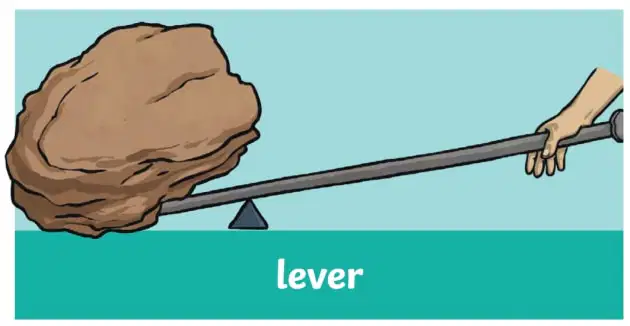
What's the name of the triangle in this simple machine?
Lever
Triangle
Push
Fulcrum
What is the difference between a simple and complex machine?
Simple machines have 2 or more parts and complex only one.
Simple machines don't have moving parts and complex machines do.
Simple machines makes life easier and complex machines don't.
Simple machines and complex machines are made of 2 pieces or more.
The way an object moves in the air is called....
Gravity
Take off
Aerodynamics
Flying
What is the force called that pulls everything to the ground?
Speed
Drag
Lift
Gravity
What determines whether an object can float or sink?
Weight
Density
Size
Buoyancy

What determines if an object will sink or float?
There is not enough information
The buoyant force compared to the weight of an object
The buoyant force compared to the volume of an object

If the density of an object is greater than the density of water, it will
sink
float
fly
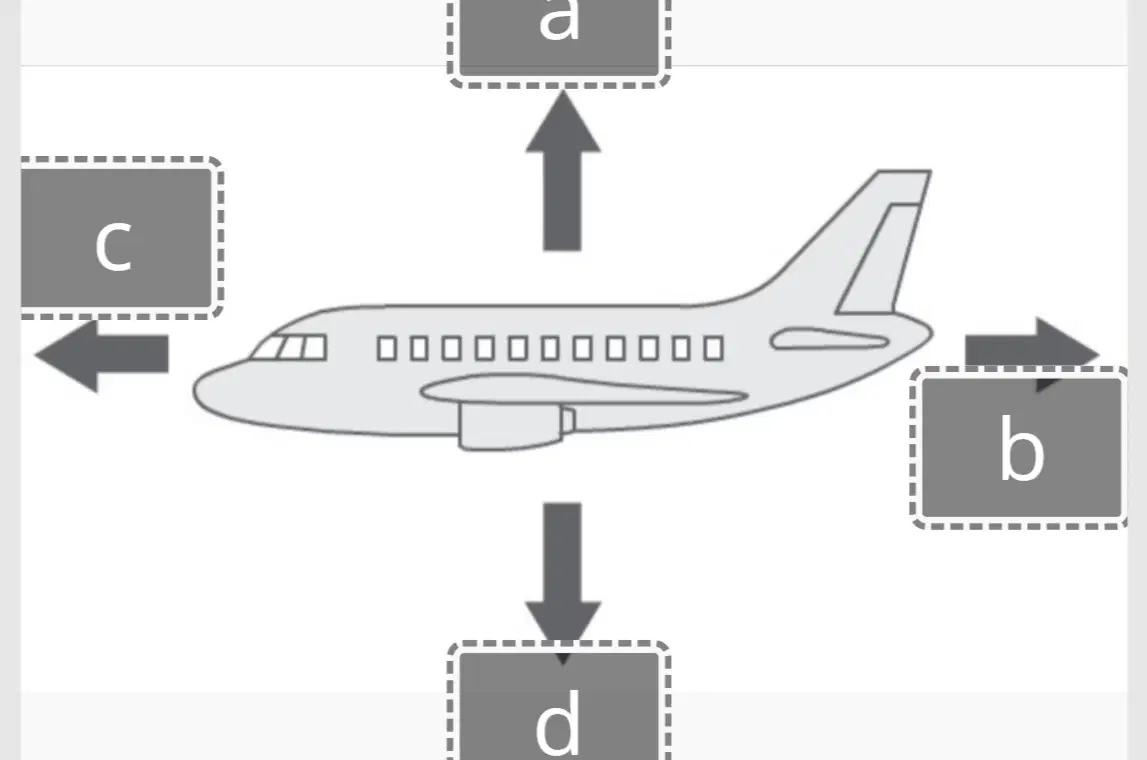
What is "a"?
gravity
drag
lift
thrust
What is "c"?
gravity
drag
lift
thrust
What is "b"?
gravity
drag
lift
thrust
There are four forces that impact a plane’s flight: ..............., Lift, .............., and Drag
gravity, thrust
engine, CG
drag, thrust
weight, lift
Which vehicle has low speed ?


Who invented the first car?
Cyrus McCormick
Henry Ford
Samuel Morse
Alexander Graham Bell
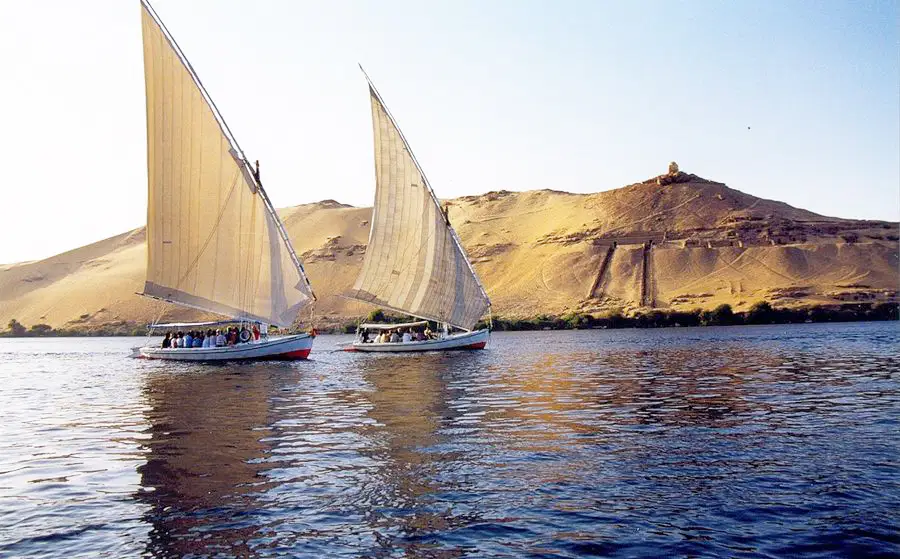
What's the name of the first ship known?
Medium ship
Faluca
Boat
Ship

Las sustancias de la imagen tienen diferente densidad e igual masa y volumen
FALSO
VERDADERO

¿Cuál de los siguientes objetos es más denso?
A (amarillo)
B (anaranjado)
C (verde)
Todos son iguales.

¿Cuál de los siguientes objetos es menos denso?
El tornillo
Las frutas
El líquido del vaso
El patito de plástico
La pasta (los macarrones)
¿Cuál es la fuerza que mantiene un avión en el suelo debido a la gravedad?
Resistencia
Peso
Empuje
Sustentación

¿El aire tiene peso?
Sí
No
Ninguna de las anteriores
Las cuatro fuerzas que actúan sobre una aeronave en vuelo son:
Sustentación, Fuerza, ascenso y descenso.
Sustentación, Peso, Empuje y Resistencia.
Elevación, Oposición, Avance y Gravedad.
Todas las anteriores.
Es la fuerza opuesta al movimiento. Se genera por el rozamiento del aire con el artefacto volador.
Sustentación
Empuje
Resistencia
Peso

