
 Worksheets
5th Grade Body Systems SUPER Review Challenge
Total questions: 50
Worksheet time: 44mins
What does the circulatory system do?
Breaks down our food
Decide our traits
Transports blood throughout our body
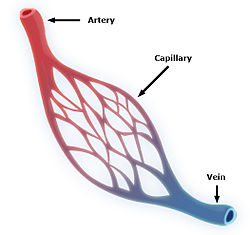
Our circulatory system is made up of the heart, arteries, and veins.
True
False
What does it mean to transport?
Move something from one place to another
Stay in the same place
What do veins do?
Carry blood towards the heart
Store food
Nothing


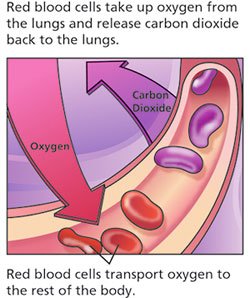
What do we take in when we inhale?
carbon dioxide
oxygen
lungs
What do we let out when we exhale?
oxygen
Carbon dioxide
lungs
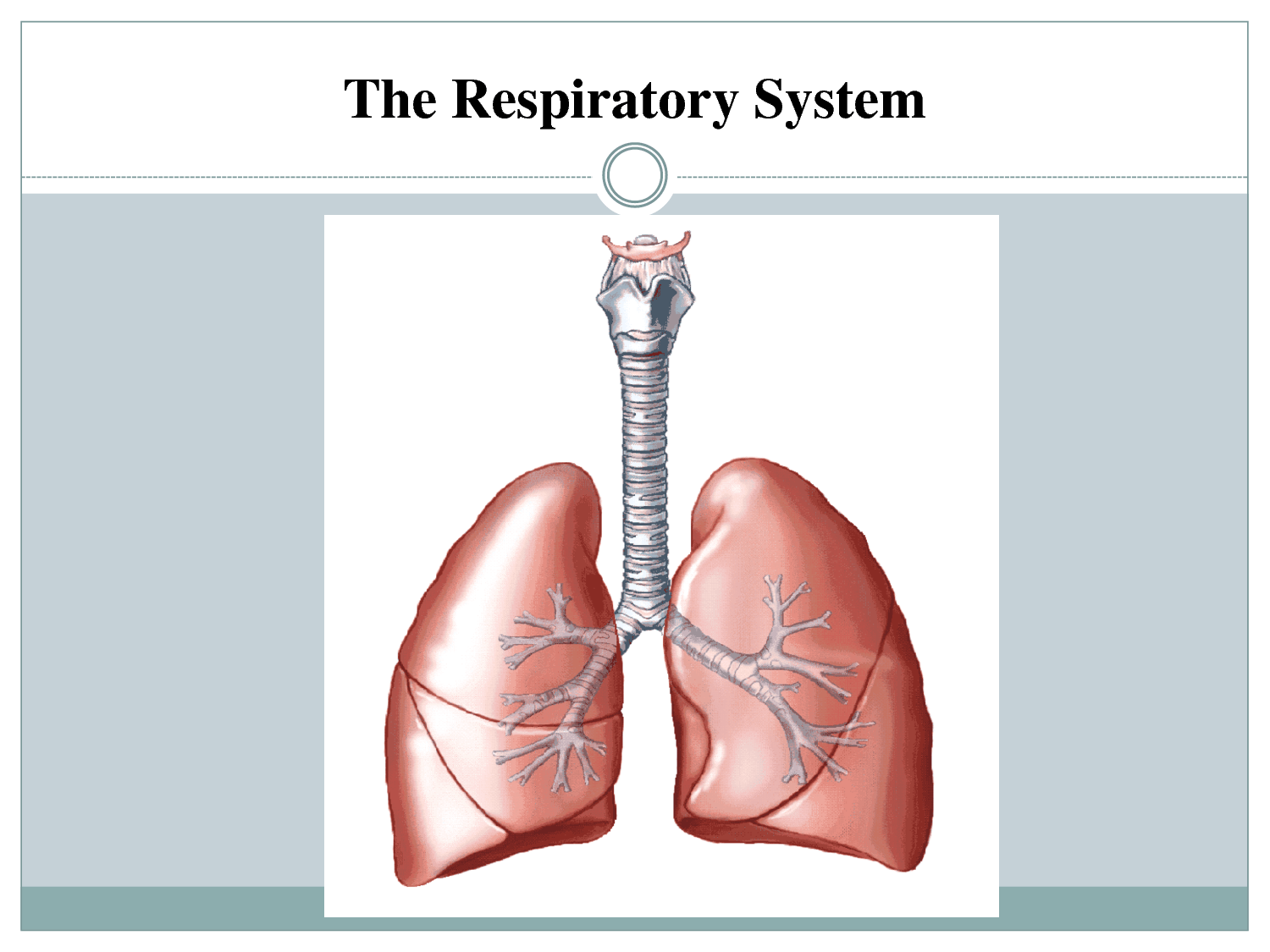
The "windpipe" is also called the...
trachea
bronchi
bronchioles
alveoli
Running is an activity that causes the cells in the muscular system to use oxygen at a faster rate. Which system responds by delivering more oxygen to these cells?
digestive
nervous
circulatory
endocrine
The digestive process starts in the:
Stomach
Esophagus
Mouth
Bathroom
What does the digestive system do?
Breaks down and handles food
Pumps blood throughout the body
Helps you breathe
Helps your arms and legs move
What tube moves food from the back of your throat to the stomach?
Epiglottis
Esophagus
Feeding tube
Pharynx
Which best describes the way the digestive and muscular systems are
related?
Swallowed food is pushed through the esophagus.
The diaphragm, above the intestines, inflates and deflates.
Nutrients are transported to the bones to help them function.
The heart absorbs oxygen and nutrients from various parts of the
body.
Why is the digestive system so important for the human body?
It circulates blood to all of the organs.
It moves oxygen through the lungs and into the blood.
It carries away waste products from the place they are created.
It breaks food into nutrients and moves the nutrients into the blood.
What role does the circulatory system provide to the digestive system?
It releases waste into the blood.
It transports nutrients to cells.
It moves food through the intestines.
It transports food particles to the muscles.
Which part of the digestive system removes the nutrients from the food we eat?
large intestine
esophagus
small intestine
gall bladder
In what way are the digestive and circulatory systems alike?
Both protect organs in the body.
Both control movement of the body.
Both absorb gases or nutrients into the body.
Both provide structural support for the body.
Which example best shows structures that make up the digestive system in the human body?
heart, blood, vessels
nose, trachea, lungs
brain, spinal cord, nerves
esophagus, stomach, intestines
Which body system provides a framework that supports the body?
skeletal
muscular
circulatory
nervous
The bones are connected by ______
arteries and veins
nerves
capillaries
cartilage and muscle
The skull, vertebrae, hips, ribs, arms, and legs are major ______ of the human body.
muscles
bones
nerves
cartilage
The skeletal system is a rigid structure that holds the body up and ______.
makes the body move
protects internal organs
provides the body with energy
sends signals to the brain
Which is a major difference between human bodies and the bodies of animals that do not have skeletal systems?
Animals without skeletal systems do not have organs.
Animals without skeletal systems do not move.
Animals without skeletal systems have less protection for their organs.
Animals without skeletal systems do not have muscles.


Nerve cells tell muscles what to do by using _______________.
plasma
vertebrae
spinal cord
electrical impulses

