
 Worksheets
PES_2_BONUS_QUIZ_1
Total questions: 156
Worksheet time: 2hrs 55mins
Mr. Marasigan (teacher): Hello!
You: __________.
Hi, Mr. Marasigan!
Hi, Marasigan!
Hello.
Goodbye.
Ms. Mendoza (teacher): How are you?
You: __________.
Fine.
I am good, Ms. Mendoza!
I am good, Mendoza!
Are you fine?
Ms. Tan (teacher): Nice to meet you!
You: __________.
I am fine, Tan.
I am fine, Ms. Tan.
Nice to meet you too, Ms. Tan!
Nice to meet you, Tan!
Ms. Reyes (teacher): Are you alright?
You: __________.
How about you?
See you!
I am alright, Reyes.
I am alright, Ms. Reyes.
You are looking for Mr. Marasigan in the teacher's office. What do you say?
Excuse me. Is Marasigan around?
Excuse me. Is Mr. Marasigan around?
Excuse me.
Excuse me. Is my teacher around?
What is '雰囲気' in English?
atmosphere
average
discover
obligation
What is '平均' in English?
opportunity
average
discover
obligation
What is '発見する' in English?
opportunity
population
discover
obligation
What is '義務' in English?
opportunity
population
stable
obligation
What is '機会' in English?
opportunity
population
stable
trust
What is '人口' in English?
population
stable
trust
unique
What is '安定している' in English?
whenever
stable
trust
unique
What is '信頼する' in English?
whenever
atmosphere
trust
unique
What is 'ユニークな' in English?
atmosphere
average
discover
unique
What is '度に' in English?
whenever
atmosphere
average
discover
It means 'the general feeling associated with a place and the area around it'.
atmosphere
average
discover
obligation
It means 'typical; not one extreme or the other'.
opportunity
average
discover
obligation
It means 'to find or learn something for the first time'.
opportunity
population
discover
obligation
It means 'something you are required to do'.
opportunity
population
stable
obligation
It means 'a good situation or chance for success'.
opportunity
population
stable
trust
It means 'the total number of people who live in an area'.
unique
population
stable
trust
It means 'unchanging; likely to remain as it is; in good condition'.
unique
whenever
stable
trust
It means 'to be confident in or rely on something or someone'.
unique
whenever
atmosphere
trust
It means 'interesting because it is different from the others'.
whenever
atmosphere
average
unique
It means 'any or every time'.
whenever
atmosphere
average
discover
What does 'atmosphere' mean?
the general feeling associated with a place and the area around it
typical; not one extreme or the other
to find or learn something for the first time
something you are required to do
What does 'average' mean?
a good situation or chance for success
typical; not one extreme or the other
to find or learn something for the first time
something you are required to do
What does 'discover' mean?
a good situation or chance for success
the total number of people who live in an area
to find or learn something for the first time
something you are required to do
What does 'obligation' mean?
a good situation or chance for success
the total number of people who live in an area
unchanging; likely to remain as it is; in good condition
something you are required to do
What does 'opportunity' mean?
unchanging; likely to remain as it is; in good condition
to be confident in or rely on something or someone
a good situation or chance for success
the total number of people who live in an area
What does 'population' mean?
unchanging; likely to remain as it is; in good condition
to be confident in or rely on something or someone
interesting because it is different from the others
the total number of people who live in an area
What does 'stable' mean?
unchanging; likely to remain as it is; in good condition
to be confident in or rely on something or someone
interesting because it is different from the others
any or every time
What does 'trust' mean?
the general feeling associated with a place and the area around it
to be confident in or rely on something or someone
interesting because it is different from the others
any or every time
What does 'unique' mean?
any or every time
the general feeling associated with a place and the area around it
typical; not one extreme or the other
interesting because it is different from the others
What does 'whenever' mean?
the general feeling associated with a place and the area around it
typical; not one extreme or the other
to find or learn something for the first time
any or every time
_____ people come to the Philippines, they always find something fun to do.
average
whenever
trust
atmosphere
This town is very _____. Not much has changed in the last 30 years.
discover
stable
unique
opportunity
Combining a movie theater with a cafe was a _____. I've never seen it before.
whenever
obligation
atmosphere
unique
Over 12 million people live in Sao Paulo. It has the second largest _____ in Brazil.
population
obligation
atmosphere
average
Davao city has a nice _____. It's not too crowded, and people are friendly.
stable
atmosphere
population
opportunity
It's important to have friends you can _____, who are there when you need them.
average
whenever
trust
discover
The people in my neighborhood have _____ incomes - not too high and not too low.
average
stable
unique
opportunity
If you _____ a new Filipino restaurant in Kyoto, please let me know.
atmosphere
discover
trust
obligation
If you borrow money, you have an _____ to pay it back. It's the right thing to do.
trust
atmosphere
average
obligation
His new job is a great _____. It gives him the chance to learn new skills.
stable
opportunity
obligation
atmosphere
Where are you from?
I am from Japan.
I'm Japanese.
I am fine, thank you.
Japan is a nice place.
Whereabouts in Japan are you from?
I am from Japan.
I'm from a city called Uji.
Uji is a great place.
I am Japanese.
Is Uji famous for anything?
Japan is famous around the world.
Uji is a famous city.
Yeah, it's famous for green tea.
I am a famous person from Japan.
What's it like living in Uji?
Japan is a fun place to live in.
Uji City is in Japan.
I am from Uji.
Uji is a small city, so it's quiet and peaceful.
Do you like it there in Uji?
I do. It's a comfortable place to live.
I like green tea.
Japan has many famous tourist spots.
I'm from a city called Uji.
What is '実際の' in English?
actual
appear
donation
event
What is '現れる' in English?
generous
appear
donation
event
What is '寄付' in English?
generous
impossible
donation
event
What is '行事' in English?
generous
impossible
issue
event
What is 'たっぷりの' in English?
generous
impossible
issue
participate
What is '不可能な' in English?
participate
positive
impossible
issue
What is '問題' in English?
participate
positive
support
issue
What is '参加する' in English?
participate
positive
support
actual
What is '良い' in English?
appear
positive
support
actual
What is '助け' in English?
actual
apppear
donation
support
What does 'actual' mean?
real
to be seen for the first time
money or other gift to help a person or place
a special or important happening
What does 'appear' mean?
more than the usual amount
to be seen for the first time
money or other gift to help a person or place
a special or important happening
What does 'donation' mean?
more than the usual amount
not able to happen
money or other gift to help a person or place
a special or important happening
What does 'event' mean?
more than the usual amount
not able to happen
a problem
a special or important happening
What does 'generous' mean?
more than the usual amount
not able to happen
a problem
to join an activity
What does 'impossible' mean?
good and helpful
not able to happen
a problem
to join an activity
What does 'issue' mean?
good and helpful
help and kindness
a problem
to join an activity
What does 'participate' mean?
good and helpful
help and kindness
real
to join an activity
What does 'positive' mean?
real
to be seen for the first time
help and kindness
good and helpful
What does 'support' mean?
help and kindness
real
to be seen for the first time
money or other gift to help a person or place
When a large object _____ in downtown Davao, many thought it looked like a giant durian.
appeared
appear
appears
appearing
This sculpture had a _____ effect on this area of Davao city. People enjoy gathering around it.
generous
positive
impossible
actual
Many people call it "The Land of the Free", but its _____ name is Davao city.
donation
event
actual
support
Halloween is an _____ when people wear masks.
support
positive
appear
event
When looking at the pyramids in Engypt, many experts said it was _____ for human hands to build it.
issue
generous
impossible
positive
There were several _____ during the building of our house, so it cost more than my wife thought it would.
issue
issues
issued
issuing
Cloud Gate cost over 20 million dollars. All the money came from _____. The city didn't pay for it.
donation
donations
donate
donating
Filipinos love to _____ in Filipino food festivals in Japan. I took part in it during an event in Tokyo.
generous
support
issue
participate
My Filipino friend is the most _____ person I know. He always gives me his time and attention when I need his help.
participate
impossible
generous
actual
His _____ helped during my sad days. He gave me the thing I need to feel good about myself again.
impossible
positive
support
issue
What kind of place is Osaka?
It is one of the biggest cities in Japan.
Japan is a convenient place to live in.
I am from Osaka.
Osaka has its downsides.
What do you think about living in the city?
The city of Osaka is where I was born.
I think it's great. I prefer the city to the countryside.
Japan is a great place to live in.
I believe Japan is a perfect place to work and live in.
What do you like about living in the city?
It can get too crowded, sometimes.
I am from Japan.
I really like the lively atmosphere.
The countryside is so quiet.
Are there any downsides to living in the city?
No, there isn't. I like the countryside very much.
I am from Osaka in Japan.
I love evrything about my country.
Yes, of course. It can get too crowded sometimes.
FILL IN THE BLANK: I _____ the city to the countryside.
prefer
prefers
preferring
is prefer
UNSCRAMBLE THE LETTERS TO FORM A WORD
raeppa
(a)
UNSCRAMBLE THE LETTERS TO FORM A WORD
poseviti
(a)
UNSCRAMBLE THE LETTERS TO FORM A WORD
lauact
(a)
UNSCRAMBLE THE LETTERS TO FORM A WORD
entve
(a)
UNSCRAMBLE THE LETTERS TO FORM A WORD
uessi
(a)
UNSCRAMBLE THE LETTERS TO FORM A WORD
usttr
(a)
UNSCRAMBLE THE LETTERS TO FORM A WORD
veagare
(a)
UNSCRAMBLE THE LETTERS TO FORM A WORD
revdisco
(a)
UNSCRAMBLE THE LETTERS TO FORM A WORD
niotolbiga
(a)
UNSCRAMBLE THE LETTERS TO FORM A WORD
ytinutroppo
(a)
What obligation do you have at school? (ANSWER + 1)
英語でより良い回答を書くと、より多くのポイントを獲得できます。
What kind of people do you trust? (ANSWER + 1)
英語でより良い回答を書くと、より多くのポイントを獲得できます。
If you were rich, what cause would you make a donation to? (ANSWER + 1)
英語でより良い回答を書くと、より多くのポイントを獲得できます。
Who is an author that you like? (ANSWER + 1)
英語でより良い回答を書くと、より多くのポイントを獲得できます。
What do you like about living in your hometown? (ANSWER + 3)
英語でより良い回答を書くと、より多くのポイントを獲得できます。
Which students show respect to the teacher?

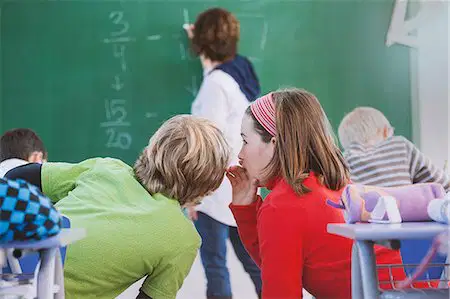


Which students are showing disrespect to the teacher during a classroom activity where the students are asked to do classwork using their computers?
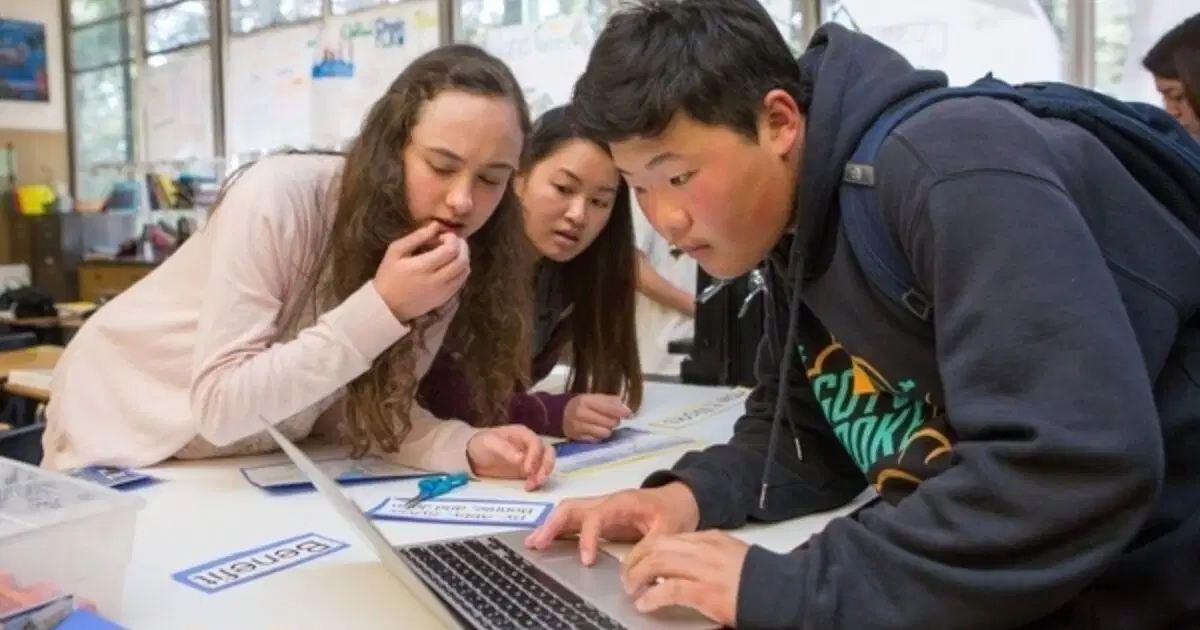
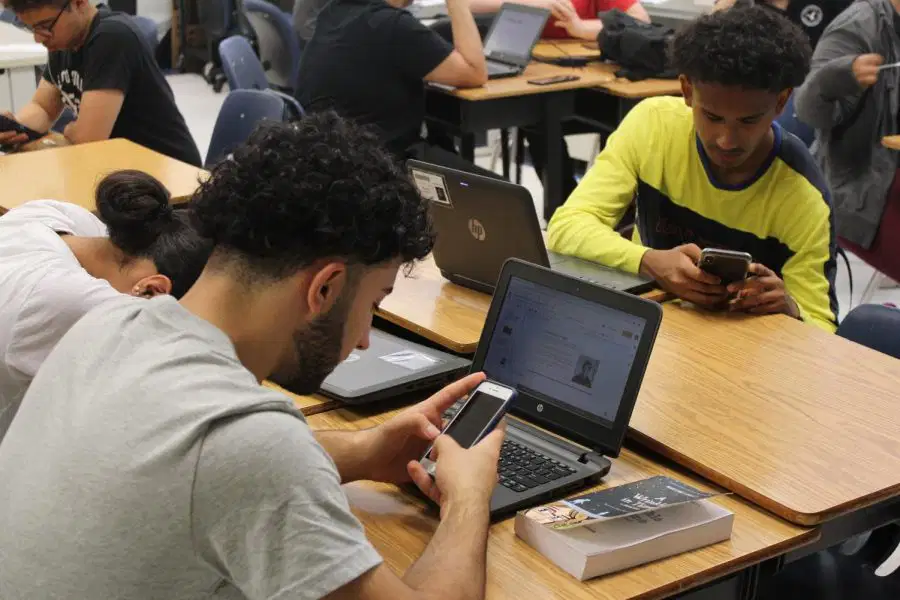


Draw a respectful student.
より良い絵を描くと、より多くのポイントを獲得できます。

What is '入学式' in English?
entrance ceremony
cultural festival
sports day
graduation ceremony
What is '身体測定' in English?
parent's day
health check-up day
overnight field trip
big cleaning day
What is '修学旅行' in English?
parent's day
end of term ceremony
overnight fieldtrip
big cleaning day
What is '大掃除' in English?
parent's day
end of term ceremony
beginning of term ceremony
big cleaning day
What is '授業参観' in English?
parent's day
end of term ceremony
beginning of term ceremony
graduation ceremony
What is '終業式' in English?
entrance ceremony
end of term ceremony
beginning of term ceremony
graduation ceremony
What is '卒業式' in English?
entrance ceremony
end of term ceremony
beginning of term ceremony
graduation ceremony
At school I have an obligation to follow school rules...
For example, I must not use my smartphone during class.
For example, I must use my smartphone during class.
For example, I must not wear my school uniform.
For example, I must always be late in class.
I trust people who do not lie...
I think lying is a good thing.
I think lying is a bad thing.
It is because lying can help people.
It is because lying can make people feel good.
An event that I participated in last year was the sports festival...
The parent's day was memorable for me because of the fun class I had that day.
Big cleaning day was fun.
It became a good memory that I will never forget.
My graduation ceremony became a good memory that I will never forget.
If I were rich, I would make a donation to an animal shelter...
It makes me feel bad about myself.
It makes me feel good about not making a donation.
I believe that all animals should have a home.
I believe that all animals should not have a home.
An author that I like is Haruki Murakami...
I feel like I am dreaming when I read his books.
I feel like I am dying when I read his books.
It is because I love Japanese food. For example, I really like sushi and tempura.
It is because Shohei Ohtani is my idol.
A field that I am interested in studying is business...
It’s because I don't want to work for a big company in the future.
For example, I want to work as an English teacher.
For example, I want to take care of my family.
It’s because I want to work for a big company in the future.
Which is NOT an information for the statement 'I like that my hometown has a lot of nature'?
For example, there is a big river near my house.
In the summer I go to the river to play.
Also, I can catch small fish.
For instance, there are a lot of buildings and skyscrapers.
Which is NOT an information for the statement 'Yes, my hometown has downsides'?
My hometown has many delicious restaurants and beautiful tourist spots.
For example, it is too hot in the summer.
I don’t want to go outside in my hometown during the hot summer.
This summer I think I will travel overseas because of the terrible hot summer in my hometown.
Which is NOT an information for the statement 'Living in my hometown is peaceful'?
It has a lot of amusement parks and casinos.
It’s in the countryside.
It's not crowded.
It has a lot of quiet nature.
An important value in Japanese culture is omotenashi or hospitality...
この発言に「plus 1 info」を添えてください。
When I hear the word diversity, I think of different cultures...
この発言に「plus 1 info」を添えてください。
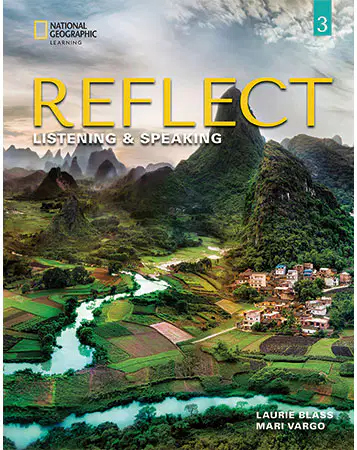
Page 2-3. How many people do you see in the photo?
3
4
2
5
Page 2-3. What are the man and woman doing in the photo?
They are talking.
They are studying.
They are buying food.
They are listening to music.
Page 6. In the photo there is a man playing Ping-Pong. What color is his shirt?
brown
red
yellow
orange
Page 8. Look at the photo at the bottom of the page. What is the man wearing yellow doing?
He is playing a tennis match.
He is registering for a tennis lesson.
He is learning how to play tennis.
He is teaching his student tennis.
Page 18-19. Look at the picture. Which sentence best describes the picture?
Two men are standing and talking to each other
Two men are sitting and talking to each other.
A man is sitting and relaxing.
Two men are relaxing and having a drink.
p. 21: Which language has the most native speakers? _(A)_ The most total speakers? _(B)_
(A) Chinese
(B) Spanish
(A) English
(B) Chinese
(A) Hindi
(B) English
(A) Chinese
(B) English
p. 21: Which two languages have more non-native speakers than native speakers? _(A)_ and _(B)_
(A) Chinese
(B) Spanish
(A) English
(B) French
(A) English
(B) Chinese
(A) Hindi
(B) French
p. 30: I _(A)_ first if nobody _(B)_.
(A) will go
(B) mind
(A) will go
(B) minds
(A) go
(B) minds
(A) go
(B) mind
p. 5: More than one quarter of the space in New York City is _(A)_ space with _(B)_ city parks and 500 miles of _(C)_.
(A) open
(B) 500
(C) beaches
(A) park
(B) 1700
(C) beaches
(A) open
(B) 1700
(C) beaches
(A) open
(B) 500
(C) parks
Page 4. A VOCABULARY.
1. ___ people come to Mountain Lake Park, they always find something fun to do.
(a)
Page 4. A VOCABULARY.
2. This neighborhood is very ___. Not much has changed in the last 20 years.
(a)
Page 4. A VOCABULARY.
3. Combining a movie theater with a cafe was a(n) ___ idea. I've never seen it before.
(a)
Page 4. A VOCABULARY.
4. Over 12 million people live in Sao Paulo. It has the second largest ___ in Brazil.
(a)
Page 4. A VOCABULARY.
5. Vancouver has a nice ___. It's not too crowded, and people are friendly.
(a)
Page 4. A VOCABULARY.
6. It's important to have friends you can ___, who are there when you need them.
(a)
Page 4. A VOCABULARY.
7. The people in my neighborhood have ___ incomesーnot too high and not too low.
(a)
Page 4. A VOCABULARY.
8. We ___ a new restaurant down the street. Now we eat there every weekend.
(a)
Page 4. A VOCABULARY.
9. If you borrow money, you have a(n) ___ to pay it back. It's the right thing to do.
(a)
Page 4. A VOCABULARY.
10. His new job is a great ___. It gives him the chance to learn new skills.
(a)
What is '現れる' in English?
(a)
What is '実際の' in English?
(a)
What is '良い' in English?
(a)
What is '助け' in English?
(a)
What is '寄付' in English?
(a)
What is '不可能な' in English?
(a)
What is '行事' in English?
(a)
What is '問題' in English?
(a)
FILL IN THE BLANK: The man was wearing a big hat, so people thought his (a) was strange.
FILL IN THE BLANK: My lunch box (a) rice, fish, and vegetables.
FILL IN THE BLANK: I was born in 2006, and my (a) brother was born in 2001.
FILL IN THE BLANK: I think the population of this city is (a) ing because I see more people recently.
FILL IN THE BLANK: During an earthquake an (a) amount of energy is released.
FILL IN THE BLANK: One reason I failed my test is because my skills were (a) .
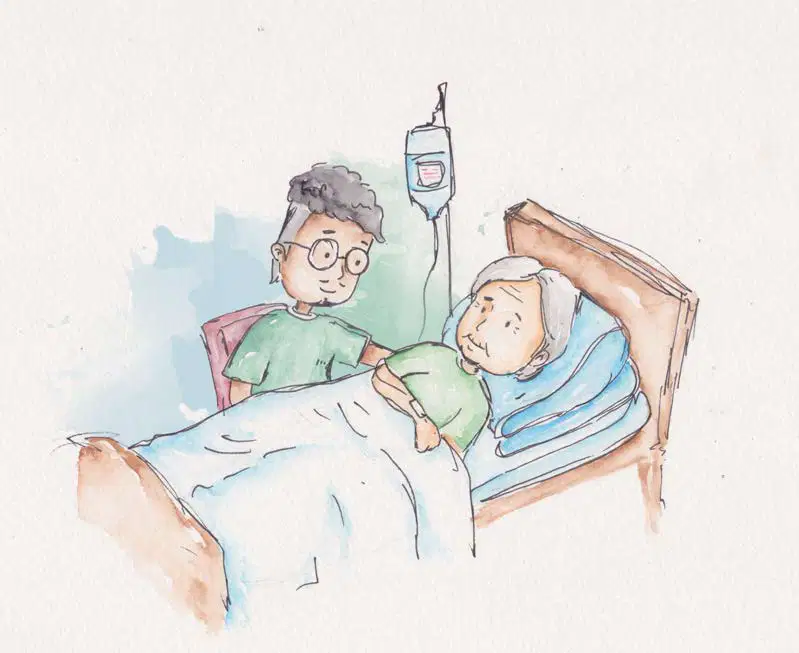
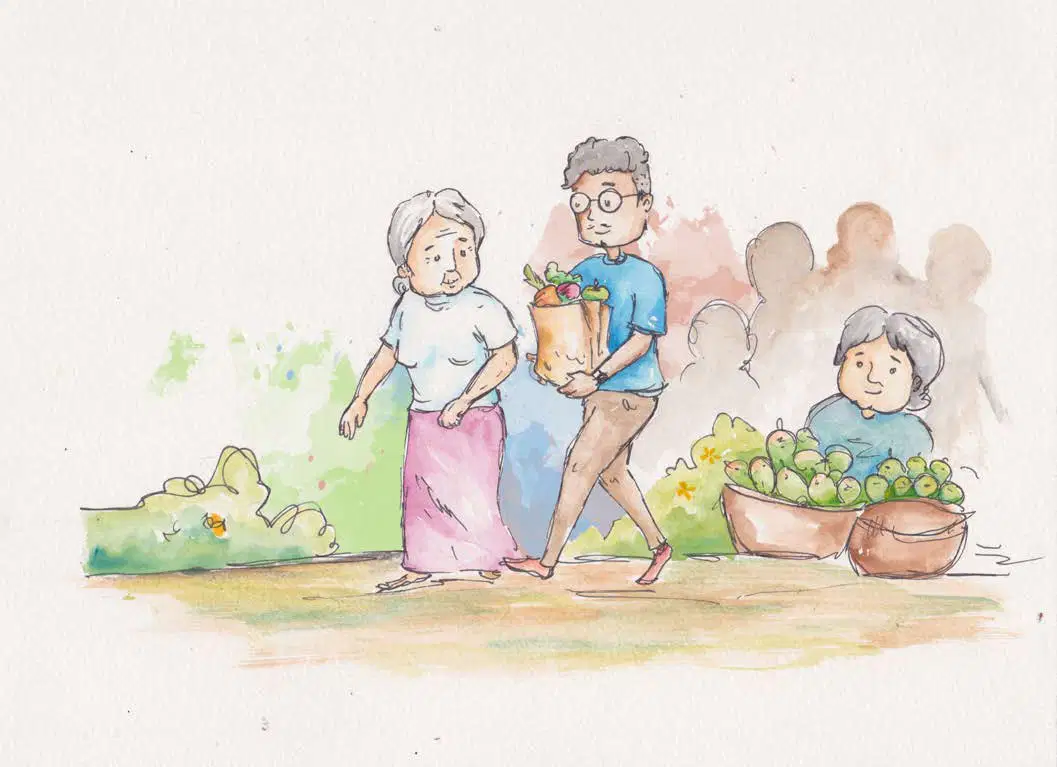
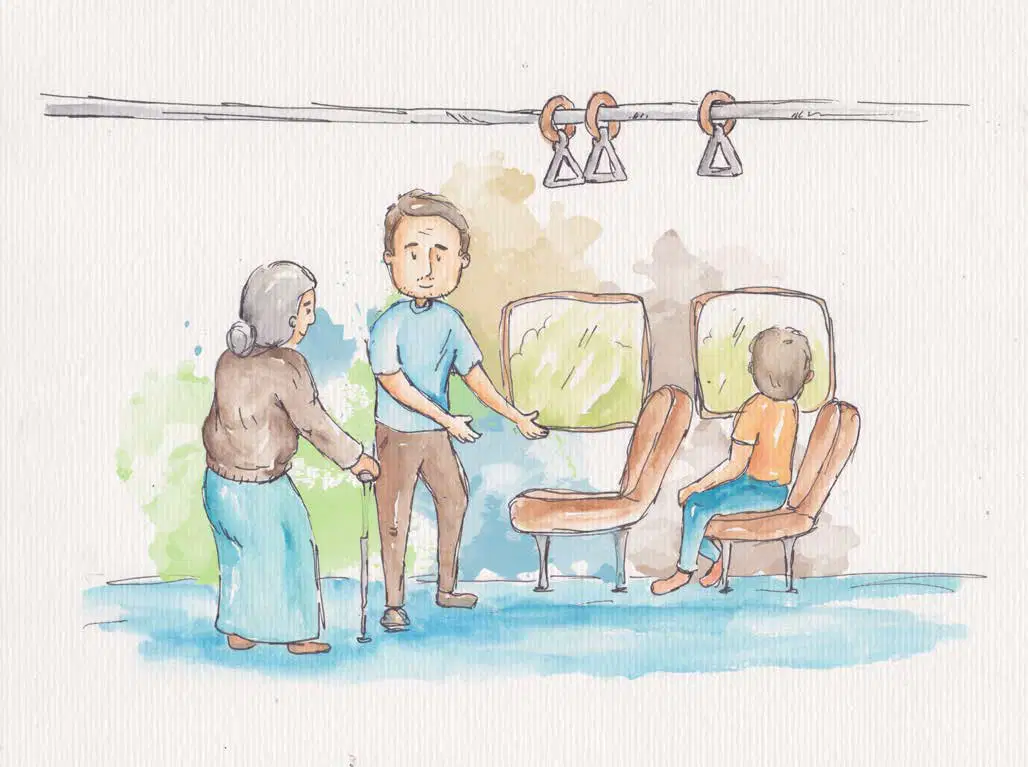
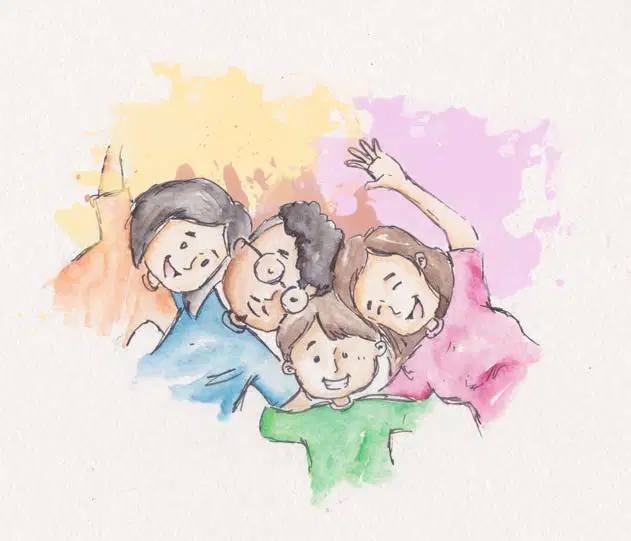
Which picture BEST shows the value of respect?
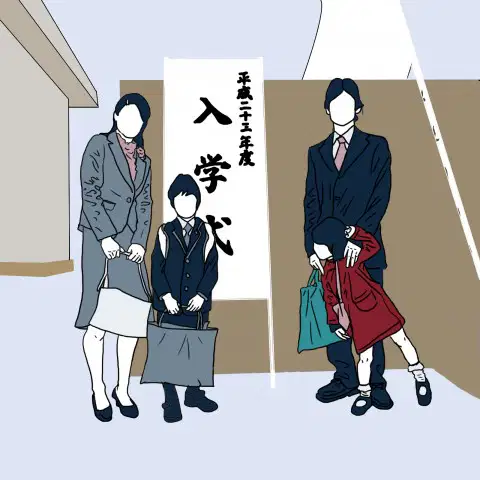
What event is this?
entrance ceremony
beginning of term ceremony
end of term ceremony
graduation ceremony

