Wayground logo

Free Printable Worksheets

Font size

S
M
L
XL
Worksheets

2nd Year CRO Review Questions

Total questions: 165

Worksheet time: 2hrs 14mins

Name
Class
Date
1.
Which of the following best describes how the Distance Sensor works?
a)
The Distance Sensor uses the time it takes for ultrasonic waves to reach an object from the sensor.
b)
The Distance Sensor uses the time it takes for ultrasonic waves to bounce off of an object and return to the sensor.
c)
The Distance Sensor uses the time it takes for the VR Robot to reach all objects in the Playground.
d)
The Distance Sensor uses the time it takes for ultrasonic waves to bounce off yellow and orange objects and return to the sensor.
2.
Which of the following best describes what the Distance Sensor reports?
a)
The time it takes the VR Robot to travel around the entire playground.
b)
The distance between the VR Robot and the Distance Sensor.
c)
The distance between the VR Robot and the nearest solid object.
d)
The total distance the VR Robot travels.
3.

Which of the following is the best description of what a <Less than> block reports while inside of a [Wait until] block?

a)

If the distance is a large number.

b)

The total time needed to run the project.

c)

A TRUE or FALSE value.

d)

The total time the VR Robot has until it reaches an object.

4.
In this example project the VR Robot should get to the number "2" in the Wall Maze, but it does not. Which of the following describes the error in this project?
a)

A [Drive for] block is missing.

b)

A <Greater Than> block was used instead of a <Less Than> Block.

c)

A [Turn for] block was used instead of [Turn] block.

d)

A [Turn to rotation] block is missing.

5.
Which of the following describes how the VR Robot will move in this project?
a)
The VR Robot will start driving and stop when the Distance Sensor is greater than 150 millimeters (mm) away from an object.
b)
The VR Robot will start driving and stop when the Distance Sensor is less than 150 millimeters (mm) away from an object.
c)
The VR Robot will drive 150 millimeters (mm) then stop.
d)
The VR Robot will drive forward, stop, drive forward again for 150 millimeters (mm) then stop.
6.
How can you monitor the value of the Distance Sensor in the Monitor Console?
a)

Select the checkbox next to the (Position of Robot) block.

b)

Select the checkbox next to the <Drive is moving> block.

c)

Select the checkbox next to the <Color near object> block.

d)

Select the checkbox next to the <Distance found object> or (Distance from) block.

7.
Which of the following describes why the VR Robot will not move in this example project?
a)
The distance between the Distance Sensor and the object is less than 150 millimeters (mm) away.
b)
The Eye Sensor is reporting the color red.
c)
The distance between the Distance Sensor and the object is greater than 150 millimeters (mm) away.
d)
The VR Robot will immediately crash into a wall if it moves.
8.

What values does the <Distance found object> block report?

a)

TRUE or FALSE.

b)

On or Off.

c)

Yes or No.

d)

Zero or One.

9.

Which of the following best describes what the <Less than> block reports?

a)

If the first value is less than the second value.

b)

If the first value is larger than the second value.

c)

If the first value and the second value are equal.

d)

The second value.

10.
What units does the (Distance from) block use when reporting values?
a)
Inches and centimeters.
b)
Meter and millimeters (mm).
c)
Meter and inches.
d)
Millimeters (mm) and inches.
11.
Which block reports if the Bumper Switch is pressed?
a)

<Distance found object>

b)

<Pressing bumper>

c)

<Color near object>

d)

<Bumper switch on>

12.

What values does the <Pressing bumper> block return?

a)

TRUE (pressed) or FALSE (released).

b)

Positive (pressed); Negative (released).

c)

Number values between one and ten.

d)

Distance from object in millimeters (mm).

13.
What will happen when the Bumper Sensor is pressed in this project?
a)
The VR Robot will turn left for 90 degrees.
b)
The VR Robot will stop moving.
c)
The VR Robot will turn right for 90 degrees.
d)
The VR Robot will drive in reverse for 200 millimeters (mm).
14.

What does the <Pressing bumper> block report if the Bumper Sensor is pressed?

a)

Reports TRUE.

b)

Reports FALSE.

c)

Reports a measured distance.

d)

Reports an object found.

15.
How could you use the Bumper Sensor in the Wall Maze challenge?
a)
To calculate the distances between the VR Robot and a wall.
b)
To instruct the VR Robot to turn when it bumps into a wall.
c)
To make the VR Robot ascend a wall to finish the maze faster.
d)
To determine the color of the wall.
16.
What do non-waiting blocks do in a VEXcode VR project?
a)
They repeat a behavior forever.
b)
They skip the next block in the stack.
c)
They allow the stack to continue even if the block's behavior is not yet complete.
d)
They should only be used in an emergency.
17.
Which statement is TRUE for waiting blocks?
a)
They wait for the user to select the "Step" button.
b)
They wait until the VR Robot has enough power to complete the task.
c)
They allow the rest of the stack to continue even if that block's behavior has not been completed.
d)
They pause the stack until that block's behavior has been completed.
18.
What does the highlighting feature do when a waiting block is being executed?
a)
A highlight will appear around the block until the behavior is complete.
b)
It will change colors depending on whether the project is running a waiting or non-waiting block.
c)
It will move to the next block to show the next behavior in the project.
d)
A highlight will stay on the block until the entire project is complete.
19.
What types of values does the [Wait until] block accept?
a)
Boolean values: TRUE or FALSE.
b)
Numeric values: one - ten.
c)
Color values.
d)
Time values.
20.
How often will the [Wait until] block check a Boolean condition?
a)
It will check repeatedly until the Boolean reports FALSE.
b)
It will check repeatedly until the Boolean reports TRUE.
c)
It will check once every minute until the project is complete.
d)
It will check only once.
21.

How is the <Pressing bumper> block used in this project?

a)

It pauses the project indefinitely.

b)

It causes the VR Robot to move forward for 200 millimeters (mm).

c)

It checks the condition of the Bumper Sensor. When TRUE, the VR Robot will turn right 180 degrees.

d)

It instructs the VR Robot to turn to 90 degrees.

22.

How is the [Wait until] block used with the <Pressing bumper> block?

a)

The <Pressing bumper> block is placed before the [Wait until] block.

b)

The [Wait until] block is placed before the <Pressing bumper> block.

c)

The <Pressing bumper> Boolean is placed in the hexagonal shape inside the [Wait until] block.

d)

Both blocks are placed side-by-side at the beginning of a project.

23.
How do you change a [Drive for] block from waiting to non-waiting?
a)
Select the arrow to expand "and don't wait".
b)
Place them in a Non Waiting "C" block.
c)
These blocks are always non-waiting blocks.
d)
Add a hexagonal Boolean inside the [Wait until] block.
24.
Which Boolean reporter block would you use with [Wait until] to create a project that instructs the VR Robot to drive forward until the bumper sensor is pressed in this project?
a)

<Distance found object>

b)

<Pressing bumper>

c)

<Drive is moving>

d)

<Color sensing>

25.
What is the order in which behaviors will be executed in this project?
a)
Drive Forward until Left Bumper is pressed, Turn right for 90 degrees, Drive Forward until Left Bumper is pressed, Turn Left for 90 degrees, Drive Forward.
b)
Drive Forward; Turn Right for 90 degrees; Drive Forward when Left Bumper is pressed; Turn Left for 90 degrees\: Drive Forward when Left Bumper is Pressed.
c)
Drive Forward until Right Bumper is pressed, Turn Left for 90 degrees, Drive Forward, Turn Left for 90 degrees, Drive Forward.
d)
Drive Forward,Turn Right for 90 degrees, Drive Forward until Left Bumper is pressed, Turn Left for 90 degrees, Drive Forward until Left Bumper is Pressed.
26.
What does the conditional evaluate in the [Wait until] block?
a)
Is the bumper pressed.
b)
Has the Distance Sensor found an object in front of the VR Robot.
c)
Is the Color sensor close to an object.
d)
The timer value.
27.
Which is NOT a reason to use a condition in a VEXcode VR project?
a)
To utilize sensors in a project.
b)
To control the flow of a project.
c)
To create the best way for the VR Robot to run properly in a specific playground.
d)
To instruct the VR Robot to perform different behaviors depending on the conditional values that are reported.
28.
Where is the "Step" function located on the VEX VR interface?
a)
In the File menu.
b)
In the Monitor Window.
c)
On the Dashboard.
d)
In the toolbar between the "Start" and "Stop" buttons.
29.
Which of the following is NOT a reason to use the "Step" feature?
a)
To allow the user to observe a program and behaviors, one block at a time.
b)
To step backwards through a project.
c)
To trace the flow of a project in order to find and fix problems.
d)
To visualize which blocks are being executed at a given moment.
30.
This project was used to drive the VR Robot from Start to the number '1' in the Wall Maze Playground, but does not work correctly. What is the error?
a)
The project is missing a [Drive] block.
b)
The Robot stops before it reaches the number "1".
c)
Sequence of the blocks is incorrect.
d)
The last [Turn for] should be right instead of left.
31.
What is the first step in coding the VR Robot to move the VR Pen down to draw a black line?
a)
[Drive for] block set to 2000 millimeters (mm).
b)
Drag the [Turn for] block into the workspace and set the parameter to "400 millimeters (mm)".
c)
Drag the [move robot pen] block into the workspace and use the drop-down menu to set the position to "down".
d)
Drag the [move robot pen] block into the workspace and use the drop-down menu to set the position to "up".
32.
What is the first step in coding the VR Robot to draw a red line?
a)
Drag the [Set Pen color] block into the workspace and use the drop-down menu to set the color to "red".
b)
Drag the [move robot pen] block into the workspace and use the drop-down menu to set the position to "up".
c)
Drag the [Turn for] block into the workspace and set the parameter to "200 millimeters (mm)".
d)
Drag the [Set Pen color] block into the workspace and use the drop-down menu to set the color to "blue".
33.
How many times will the [Repeat] block repeat the [Turn for] and [Drive for] blocks inside of it?
a)
Only once.
b)
Two times.
c)
Three times.
d)
Four times.
34.
What types of values can the [Repeat] block accept as parameters?
a)
Decimal values.
b)
Negative values.
c)
Words or text.
d)
Integers.
35.
What is the condition that will end this [Repeat] block?
a)
After the VR Robot places the pen down.
b)
After the VR Robot drives forward one time for 200 millimeters (mm).
c)
After the [Repeat] block has repeated the blocks inside of it four times.
d)
After the VR Robot has driven forward 200 millimeters (mm) then turned right 60 degrees six times.
36.
How can the following example be simplified by using a [Repeat] block?
a)
By placing the [Drive for] and [Turn for] blocks in a [Repeat] block that repeats four times.
b)
By placing the [Drive for] block in a [Repeat] block that repeats four times.
c)
By placing the [Turn for] block in a [Repeat] block that repeats four times.
d)
By changing all of the parameters of the [Drive for] blocks to 400 millimeters (mm) instead of 200 millimeters (mm).
37.
When will the VR Robot move the VR Pen up?
a)
Before the [Repeat] block has repeated all of the blocks inside of it twice.
b)
Before the VR Pen is set to the color red.
c)
After the [Repeat] block has repeated all of the blocks inside of it six times.
d)
After the [Repeat] block has repeated all of the blocks inside of it twice.
38.
The following project was created to draw a house, but it is unfinished. Which of the following blocks should be used next to begin drawing the roof of the house?
a)
[move robot pen] block set to "up"
b)
Drive for block set to 2000 millimeters (mm)
c)
[Repeat] block set to six
d)
[Turn for] block set to 135 degrees
39.
Which of these best describes a programming language?
a)
A set of rules where symbols represent actions.
b)
A set of spoken commands for a robot.
c)
An action performed by a robot.
d)
A list of behaviors the robot already completed.
40.
What is the name for an action performed by the VR Robot?
a)
Command
b)
Behavior
c)
Parameter
d)
Programming Language
41.
How do you change the behavior of the VR Robot?
a)
Change the programming language.
b)
Name and save your project.
c)
Change the programming blocks called commands.
d)
Change the Playground.
42.
How far will the VR Robot move based off of this command?
a)
200 millimeters (mm)
b)
400 millimeters (mm)
c)
500 millimeters (mm)
d)
300 millimeters (mm)
43.
What part of the block do you select to change the direction of the [Drive for] block?
a)
1
b)
2
c)
3
d)
4
44.
What is the default velocity of the VR Robot?
a)
0%
b)
50%
c)
25%
d)
75%
45.
What is the maximum velocity setting for the VR Robot?
a)
50%
b)
150%
c)
100%
d)
200%
46.
How will the VR Robot move based off of this command?
a)
Turn left 80 degrees.
b)
Turn right 90 degrees.
c)
Turn left 90 degrees.
d)
Turn right 80 degrees.
47.
Which block turns the VR Robot to a given clockwise heading?
a)
[Turn to heading]
b)
[Turn]
c)
[Set drive rotation]
d)
[Turn to rotation]
48.
What order will the buildings on the Castle Crasher Playground be knocked over according to this project?
a)
1, 2, 3, 4, 5
b)
3, 2, 5, 4, 1
c)
3, 1, 4, 5, 2
d)
5, 2, 1, 4, 3
49.
Which of the following is the best description of what the VR Robot will do based on this project?
a)
The VR Robot will drive forward 1000 millimeters (mm) at maximum velocity. It will turn right 180 degrees and drive forward 1000 millimeters (mm).
b)
The VR Robot will drive forward 1000 millimeters (mm) at maximum velocity. It will turn right 90 degrees, set velocity back to the default, and drive forward 1000 millimeters (mm).
c)
The VR Robot will drive forward 1000 millimeters (mm) at maximum velocity. It will turn right 180 degrees, set velocity back to the default, and drive forward 1000 millimeters (mm).
d)
The VR Robot will drive forward 1000 millimeters (mm) at maximum velocity. It will turn left 180 degrees, set velocity back to the default, and drive forward 1000 millimeters (mm).
50.
Why is it important to correctly sequence commands in a project?
a)
To make a project that works as intended.
b)
To make the VR Robot skip around to random commands.
c)
To have accurate values and parameters in commands.
d)
To make a project that does not work as intended.
51.
Which axis runs vertically?
a)
x
b)
Y
52.
Which axis runs horizontally?
a)
x
b)
y
53.
How do you write an ordered pair?
a)
(X,X)
b)
(Y,X)
c)
(X,Y)
d)
(Y,Y)
54.
In the ordered pair (4,9), which number is the y-coordinate?
a)
4
b)
9
c)
neither
d)
both
55.
Ordered pair (0,0) is also known as the ___.
a)
y-axis
b)
x-axis
c)
origin
56.
What letter is located at (5, 7)
a)
A
b)
B
c)
C
d)
D
57.
Where is point E located?
a)
( 2, 0 )
b)
( 2 , 2 )
c)
( 0 , 2 )
d)
( 0 , 0 )
58.
Where is T?
a)
(-3, -2)
b)
(-2,-3)
c)
(3,2)
d)
(-3,2)
59.
Which letter matches the coordinate (4, -6)?
a)
G
b)
Z
c)
K
d)
None of the above
60.
Where is point A located?
a)
( 7 , 2 )
b)
( 2 , 6 )
c)
( - 2 , 7 )
d)
( 2 , 7 )
61.
In what order to you follow ordered pairs?
a)
vertex first then y
b)
y first then x
c)
none of these
d)
x first then y
62.

Where is point A located:

a)

(1, 1,5)

b)

(1.5, -1)

c)

(-1.5, 1)

d)

(2, -1)

63.

Where is point F located:

a)

(-4, 0)

b)

(0, 4)

c)

( 4, 0 )

d)

(0, -4)

64.

Which point is located at ( -2, 2)

a)

A

b)

B

c)

C

d)

D

65.
Where is point E located?
a)
( 2, 0 )
b)
( 2 , 2 )
c)
( 0 , 2 )
d)
( 0 , 0 )
66.
The coordinates for the origin in the coordinate plane are________?
a)
(1,1)
b)
(0,0)
c)
(0,1)
d)
(1,0)
67.
What is the ordered pair of point E?
a)
(2,5)
b)
(5,2)
c)
(-5,2)
d)
(5,-2)
68.
What is Coordinate N?
a)
(7,6)
b)
(5,5)
c)
(6,6)
d)
(7,7)
69.
In which quadrant is the following point?
(-3, 12)
a)
Quadrant I
b)
Quadrant II
c)
Quadrant III
d)
Quadrant IV
70.

Which letter matches the coordinate (4, -6)?

a)

C

b)

Z

c)

K

d)

None of the above

71.

Which letter matches the coordinate (-4, -3)?

(a)  

72.

What is the vocabulary word for the horizontal line at the bottom of the coordinate plane?

a)

X-axis

b)

Y-axis

c)

Origin

d)

Ordered pair

73.
The X axis is _______?
a)
vertical
b)
diagonal
c)
criss-cross
d)
horizontal
74.
The vertical number line in the coordinate plane is called what? 
a)
y-axis
b)
origin
c)
quadrant
d)
x-axis
75.

Which of the following is the best description of what the Eye Sensor does?

a)

It reports the (X,Y) position of the VR Robot.

b)

It reports the distance between the VR Robot and the nearest solid object.

c)

It can be controlled to pick up and drop disks with metal cores.

d)

It detects if there is an object present and if so, the color of that object.

76.

Which two sensors are being pointed to on the VR Robot?

a)

The Left and Right Bumper Sensors.

b)

The Front Eye and Down Eye Sensors.

c)

The Electromagnet and Location Sensors.

d)

The Distance and Front Eye Sensors.

77.

What value will the <Eye Sensor near object> Boolean block report when the Eye Sensor is close to an object that has detectable colors?

a)

It will report TRUE.

b)

It will report FALSE.

c)

It will report how far in millimeters (mm) or inches the Eye Sensor is from the object.

d)

It will report the location angle of the VR Robot in degrees.

78.

What value will the <Color sensing> Boolean block report when the Eye Sensor detects a different color than the one that was selected?

a)

It will report the time elapsed of the project in seconds.

b)

It will report the current heading in degrees of the VR Robot.

c)

It will report FALSE.

d)

It will report TRUE.

79.

In what units does the (Position of Robot) block report the X or Y coordinates position of the VR Robot?

a)

Degrees

b)

Seconds

c)

Millimeters (mm) or inches

d)

Centimeters (cm)

80.

How does the X coordinate value change as the VR Robot moves forward in this project on the Numbered Grid Map Playground?

a)

It decreases as the VR Robot drives forward.

b)

It increases as the VR Robot drives forward.

c)

It remains -800 millimeters (mm) as the VR Robot drives forward.

d)

It remains -100 millimeters (mm) as the VR Robot drives forward.

81.

This project is intended to drive to number '6' on the Number Grid Map Playground but does not work. Number '6' has the coordinates X: 50 and Y: -900. What is the error?

a)

The <Less than> block should be set to -900 not 50.

b)

This project should use a <Greater than> block instead of a <Less than> block and be set to -900.

c)

The <Less than> block should be set to -900 not 50.

d)

This project should use a <Greater than> block instead of a <Less than> block and keep the same parameters.

82.

What are the approximate coordinates for the number '13' on the Number Grid Map Playground?

a)

X: -500 millimeters (mm)

Y: -700 millimeters (mm)

b)

X: 500 millimeters (mm)

Y: 700 millimeters (mm)

c)

X: 700 millimeters (mm)

Y: -300 millimeters (mm)

d)

X: -900 millimeters (mm)

Y: -900 millimeters (mm)

83.

What are the approximate coordinates for the number "56" on the Number Grid Map Playground?

a)

X: 100 millimeters (mm)

Y: 100 millimeters (mm)

b)

X: -100 millimeters (mm)

Y: -100 millimeters (mm)

c)

X: 100 millimeters (mm)

Y: -100 millimeters (mm)

d)

X: -100 millimeters (mm)

Y: 100 millimeters (mm)

84.

What does using comments in a project allow users to do?

a)

Launch the Playground window.

b)

Describe parts of their project for other users.

c)

Attach .VRBLOCKS files.

d)

Watch tutorial videos.

85.

What is computer Hardware?

a)

The outside of the computer

b)

The CPU

c)

Output Devices

d)

The physical components of a computer

86.

What is Software?

a)

IOS

b)

the insides of the computer

c)

Youtube

d)

The set of instructions that tell the computer what to do and how to do it

87.

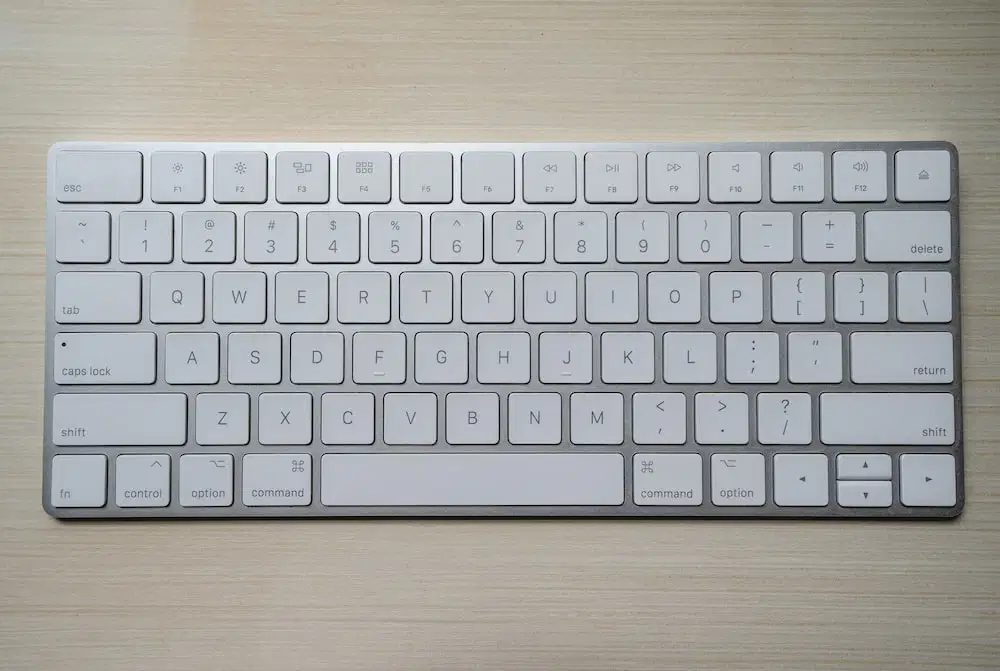
The CPU is an Output Device

a)

True

b)

False

88.

The Mouse is an Input Device

a)

True

b)

False

89.

The Monitor is an Input Device

a)

True

b)

False

90.

Information that a user physically enters into a computer by pressing a key on a keyboard, clicking a mouse, tapping a touch screen, pushing a button on a game controller, speaking into a microphone, etc.

a)

Input

b)

Output

c)

Processing

d)

Storage

91.

Information that a user physically enters into a computer by pressing a key on a keyboard, clicking a mouse, tapping a touch screen, pushing a button on a game controller, speaking into a microphone, etc.

a)

Input

b)

Processing

c)

Output

d)

Storage

92.

The operations performed by a computer to retrieve, transform, or classify information.

a)

Processing

b)

Output

c)

Storage

d)

Transistor

93.

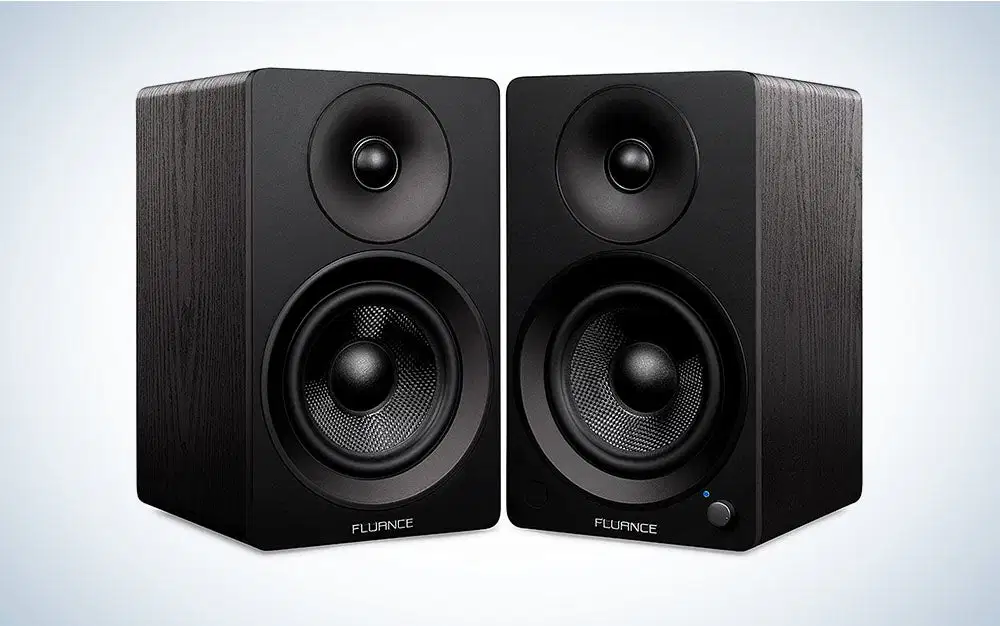
Information that a computer returns to a user such as images on a screen, sounds from speakers, and printed pages.

a)

Output

b)

Storage

c)

Microchip

d)

Input

94.

The saving of information on memory chips, discs, or other storage media by a computer for later use.

a)

Processing

b)

Storage

c)

Smartphone

d)

Supercomputers

95.

A system for making digital resources publicly available over the internet using a web browser that paved the way for email, chatrooms, and social media sites

a)

World Wide Web

b)

Supercomputers

c)

Dark Web

d)

Human-computer Interaction

96.

A mobile phone that functions as a computer and allows users to access the internet.

a)

Processing

b)

Output

c)

Smartphone

d)

Supercomputers

97.

What is a computer?

a)

A computer is case that manipulates information or data.

b)

A computer is an electronic device that manipulates information or data.

c)

A computer is powered box that manipulates information or data.

98.

A computer has the ability to:

a)

It has the ability to store, retrieve, and process data.

b)

It has the ability to store, retrieve, and pastas data.

c)

It has the ability to stage, retrieve, and process data.

99.

You can use a computer to (check all that apply)

a)

Type Documents

b)

Send Email

c)

Play Games

d)

Browse the web

100.

Hardware is ...

a)

any part of your computer

b)

any part of your computer that has a hard structure

c)

any part of your computer that has a software structure

d)

any part of your computer that has a physical structure

101.

Hardware is (check all that apply)

a)

Software

b)

Keyboard

c)

Mouse

d)

computer's internal parts

102.

Software is ...

a)

Hardware for your computer

b)

any set of instructions that tells the hardware what to do and how to do it

c)

all hardware components

d)

any set of instructions for you to read

103.

Desktop Computers have (CHECK ALL THAT APPLY)

a)

Mouse

b)

Computer Case

c)

Monitor

d)

Keyboard

104.

The laptop computer is commonly called a

a)

mobility device

b)

a persons preferred computer

c)

laptop

105.

Tablet computers

a)

Are worse than computers

b)

Are more portable than laptops

c)

Use a keyboard

d)

Use a mouse

106.

Which of the following are specialized computers. (click all that apply)

a)

house phone

b)

smartphone

c)

wearables (fitness trackers, smartwatches)

d)

game consoles

107.

A PC and Mac are known as:

a)

personal assistants

b)

automated tellers

c)

personal computers

108.

What is the most common type of PC operating system

a)

OS X

b)

Lynux

c)

Microsoft Windows

109.

Lets you do many things, like write book reports and stories.

a)

internet browser

b)

operating system

c)

application programs

d)

computer viruses

110.

Lets the computer's hardware and software work together.

a)

operating system

b)

application programs

c)

computer viruses

d)

games

111.

Tells the hardware what to do and how to do it.

a)

computer viruses

b)

hardware

c)

software

d)

internet browser

112.

Lets you explore the Internet to find information, pictures, videos and webpages.

a)

software

b)

application programs

c)

computer viruses

d)

internet browser

113.

An example of a word processing program.

a)

games

b)

Windows

c)

Microsoft Word

d)

antivirus software

114.

An example of a software program you have used before.

a)

games

b)

computer virus

c)

internet browser

d)

hardware

115.

Software can be placed in which 2 basic groups?

a)

System Hardware, Application Hardware

b)

System Software, Application Software

c)

System Controller, Application Controller

d)

System Console, Application Console

116.

What type of software is it?

a)

system system

b)

Application software

117.

What type of software is this?

a)

system software

b)

system hardware

c)

application software

d)

application hardware

118.

What type of software is this?

a)

system software

b)

system hardware

c)

application software

d)

application hardware

119.

What part of the information processing cycle is this?

a)

Output

b)

Input

c)

Processing

d)

Storage

120.

What part of the information processing cycle is this?

a)

Output

b)

Input

c)

Processing

d)

Storage

121.

What part of the information processing cycle is this?

a)

Output

b)

Input

c)

Processing

d)

Storage

122.

What part of the information processing cycle is this?

a)

Output

b)

Input

c)

Processing

d)

Storage

123.

What part of the information processing cycle is this?

a)

Output

b)

Input

c)

Processing

d)

Storage

124.

What part of the information processing cycle is this?

a)

Output

b)

Input

c)

Processing

d)

Storage

125.

What part of the information processing cycle is this?

a)

Output

b)

Input

c)

Processing

d)

Storage

126.

What type of software is it?

a)

system system

b)

Application software

127.

Generally, when you receive an email, it will end up in your__________

a)

Message pane

b)

Inbox

c)

Compose pane

d)

Calendar

128.

Identify the correctly written email address below.

a)

jane@gmail

b)

jane@gmail.com

c)

jane.gmail@com

d)

jane at gmail dot com

129.

True or False: Services such as Gmail offer free email accounts.

a)

True

b)

False

130.

The _______is a brief description of what the email is about.

a)

attachment

b)

forward

c)

recipient

d)

subject

131.

Which of the following features or fields can an email have? Choose all that apply.

a)

Attachemnts

b)

Body

c)

Subject

d)

Recipients

132.

After sending an email, when is it usually delivered?

a)

2-3 weeks

b)

2-3 days

c)

within minutes

d)

The first Tuesday of the month

133.

If you want to share a message you received, you can______it.

a)

foward

b)

Google

c)

reply

d)

archive

134.

________ is another term for junk email.

a)

Malware

b)

Bcc

c)

Attachment

d)

Spam

135.

How is traditional mail different than email?

a)

Traditional mail is faster.

b)

Traditional mail uses the @ sign.

c)

Email is sealed in an envelope and uses a stamp.

d)

Email is faster and is sent electronically.

136.

What is an appropriate GREETING when sending an email to your teacher?

a)

Dear Mr. Summerfield,

b)

Hey Mr. Schulze,

c)

What's up Athena,

d)

Varela,

137.

Which is the best SUBJECT when asking for homework help?

a)

I was wondering if you could answer a question about our homework assignment

b)

HELP

c)

How are you?

d)

Homework question

138.

How would you phrase the question to your teacher?

a)

You must answer my questions!

b)

Would you please explain number 5 again?

c)

I don't understand any of this assignment!

d)

What's up with number 5! It is so confusing.

139.

Why should you review an email before sending?

a)

So you don't appear to eager.

b)

To make sure the email of the receiver is correct.

c)

So you are finished with your dinner first.

d)

To check spelling and grammar.

140.

Why should you limit the use of text formatting in an email?

a)

Difficult to read

b)

They look beautiful and swirly

c)

Looks unprofessional

d)

Bolder highlights better

141.

Why should you avoid using all capitals in an email?

a)

It is too easy to read.

b)

People might think you are being silly.

c)

People might think you are shouting and angry.

d)

YOU SHOULD ALWAYS TYPE USING ALL CAPS!!!

142.

What is a PHISHING email?

a)

The sender is trying to get private information.

b)

A computer virus.

c)

A chain email to forward.

d)

Trying to sell something.

143.

_________is a programming language that is perfect for making games, animations, interactive stories and other visually rich programs.

a)

Pane

b)

Scratch

c)

Blocks

144.
Which command let the sprites walk ?
a)
Walk
b)
Run
c)
Move
d)
GO!
145.
The Scratch logo contains a....
a)
Koala
b)
Cat
c)
Lion
d)
Dog
146.
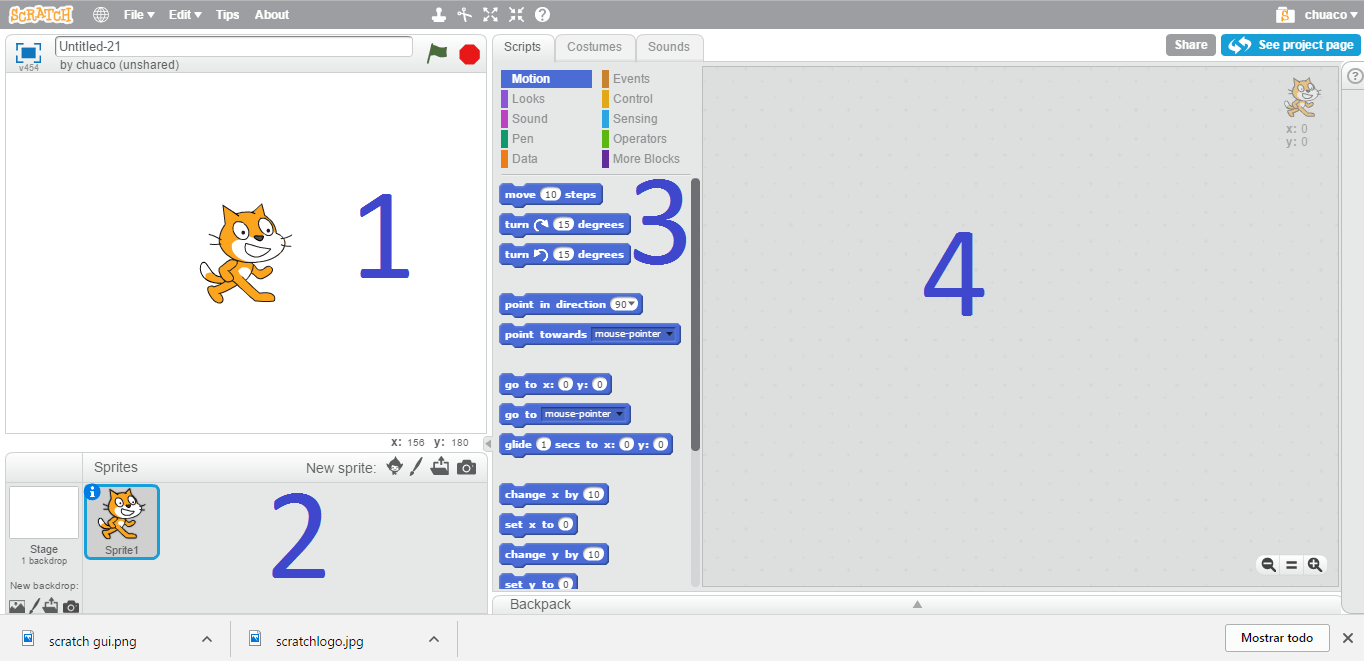
According to the image, the order of the elements in scratch are...
a)
1.Stage 2.Sprites 3.Blocks 4.Scripts
b)
1.Stage 2.Blocks 3.Sprites 4.Scripts
c)
1.Scripts 2.Blocks 3.Sprites 4.Stage
d)
1.Scripts 2.Blocks 3.Stage 4.Sprites
147.
In scratch, this is the place where we program. Where we give orders to our sprites and backdrops.
a)
Stage
b)
Sprites
c)
Blocks
d)
Scripts
148.
In scratch, this is the place where we  see all the animation happening. Where we put our backdrops and sprites.
a)
Stage
b)
Sprites
c)
Blocks
d)
Scripts
149.
In scratch, this is the place where we  see all the possible commands for our project. Includes movement, control, events and other options.
a)
Stage
b)
Sprites
c)
Blocks
d)
Scripts
150.
In scratch, this where we create our characters or objects. We can import or create a new one that later on will be on the stage.
a)
Stage
b)
Sprites
c)
Blocks
d)
Scripts
151.
An organized set of rules or steps to perform an action, is also known as...
a)
Scratch
b)
Software
c)
Algorithm
d)
Block
152.

Coordinates (x,y)

a)

determine the position of the Sprite on stage.

b)

are near the end of the alphabet.

c)

are a great way to organize your clothes.

153.

If the coordinates are set to x:0, y:0,

a)

the Sprite will be invisible.

b)

the Sprite will be in the center of the stage.

c)

the Sprite will be at the far left side of the stage.

d)

the Sprite will be at the bottom of the stage.

154.

The x coordinate is

a)

diagonal (from lowest left to highest right).

b)

vertical (up and down).

c)

horizontal (side to side).

155.

What is Scratch primarily used for?

a)

Writing essays

b)

Creating animations, games, and interactive stories

c)

Solving complex mathematical problems

d)

Editing photos

156.

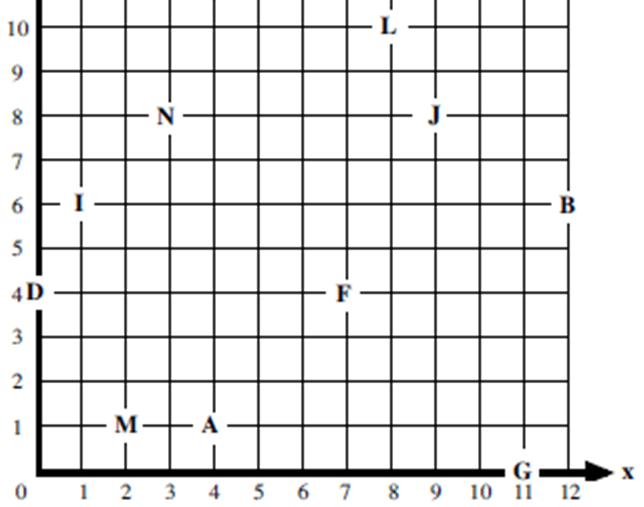
Identify the coordinates of the point A

a)

(4,1)

b)

(1,1)

c)

(4,4)

d)

(1,4)

157.

Identify the coordinates of the point D

a)

(4,0)

b)

(4,1)

c)

(0,4)

d)

(1,4)

158.

Identify the coordinates of the point F

a)

(4,7)

b)

(4,6)

c)

(7,4)

d)

(6,4)

159.
How do you write an ordered pair?
a)
(X,X)
b)
(Y,X)
c)
(X,Y)
d)
(Y,Y)
160.
In the ordered pair (4,9), which number is the y-coordinate?
a)
4
b)
9
c)
neither
d)
both
161.
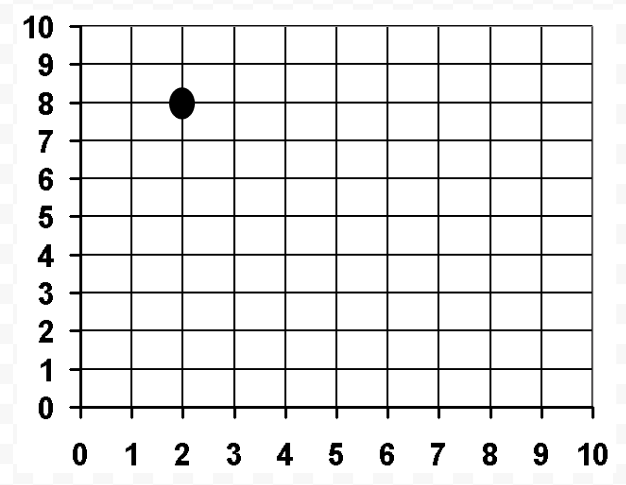
What is the ordered pair?
a)
(8, 2)
b)
(2,7)
c)
(2,8)
d)
(8,3)
162.

What are the coordinates of point X?

a)

(5,2)

b)

(2,3)

c)

(4,4)

d)

(6,6)

163.
When plotting points in a coordinate plane, which directions should you go first? Then what direction should you go second?
a)
right then up
b)
up then right
c)
down then right
d)
diagonal 
164.
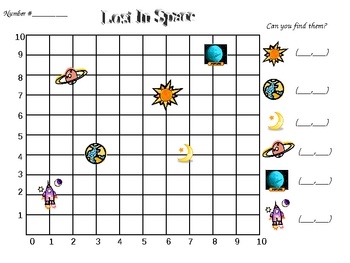
What is at (1,2)?
a)
the moon
b)
the sun
c)
a blue planet
d)
a robot
165.
What is coordinate R?
a)
(2,5)
b)
(0,1)
c)
(2,3)
d)
(1,0)