
Font size
 Worksheets
BioDiv_Phase3
Total questions: 25
Worksheet time: 13mins
Interactive system between a community and its inherent abiotic environment.
Density
Ecosystem
Population
Landscape
A group of individuals of the same species living in a certain region.
Community
Ecosystem
Population
Biosphere
A group of organisms with similar structures and functions that reproduce with each other by having fertile offspring.
Variety
Community
Population
Species
Number of individuals of a species per unit area, at a given time.
Abundance
Density
Mortality
Birth rate
Symbiotic relationship in which one organism benefits and the other neither benefits nor harms.
Antagonism
Commensalism
Mimicry
Mutualism
Biome characterized by plants with modifications, xerophytes and cacti distributed in dispersed form and large areas of bare soil, high temperatures during the day and very low at night.
Coniferous forest
Chaparral
Desert
Prairies
Name of the linear relationship of who eats whom within a community.
Food chain
Trophic level
Food pyramid
Food plot
In a linear food chain in which an eagle, a mouse, grass, an insect and a snake are found, indicate in which trophic level the mouse is located.
First (producer)
Second (primary consumer)
Third (secondary consumer)
Forth (tertiary consumer)
Fifth (decomposer)
The carrying capacity refers to the maximum number of individuals of a particular species that a specific environment can support over time.
True
False
When the number of organisms remains at a relatively constant level from one year to the next, it is said to be a fluctuating population.
True
False
Organisms with wide margins of tolerance for many factors are the least likely to have a wide distribution.
True
False
Ecological succession refers to the gradual and predictable process of change in species composition that takes place in an ecological community over time.
True
False
A biome is a classification of areas based on factors such as climate, soil type, and the plant and animal life they support, making each biome distinct from others.
True
False
Biotic factors are the different components that determine the physical space in which living beings inhabit; among the most important we can find: water, temperature, light, pH, soil, humidity, air and nutrients.
True
False
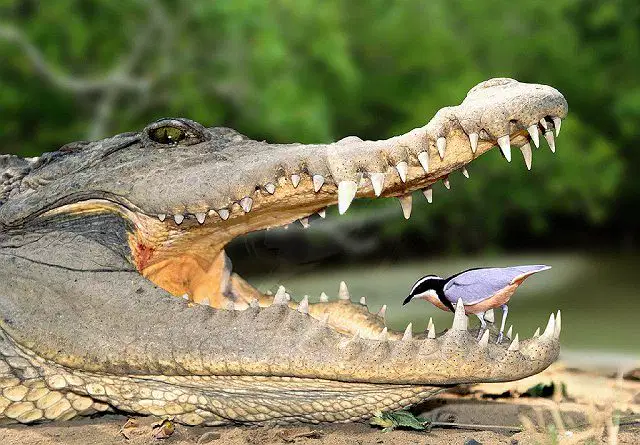
The Egyptian plover supposedly removes rotting meat & parasites from the snout of crocodiles. This type of symbiotic relationship is called mutualism.
True
False
Select the 3 factors that regulate the density of a population.
Birth rate
Symbiosis
Dispersion
Mortality
Migration

Identify the spatial distribution pattern of this dandelion population
Random
Uniform
Clumped

Identify the spatial distribution pattern of this penguin population
Random
Uniform
Clumped

Identify the spatial distribution pattern of this starfish population
Random
Uniform
Clumped
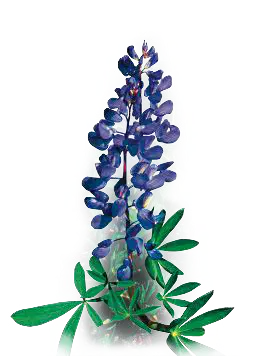
Identify the level of organization depicted
Biosphere
Ecosystem
Species
Community
Population
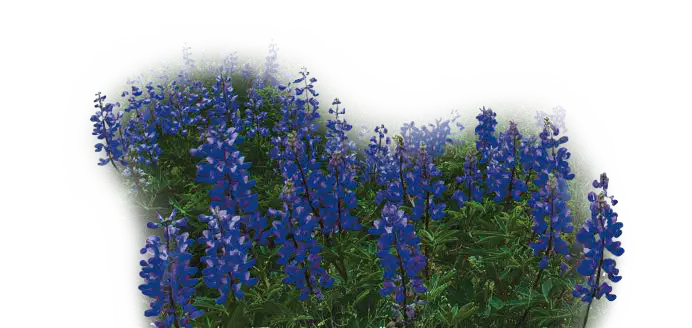
Identify the level of organization depicted
Biosphere
Ecosystem
Species
Community
Population

Identify the level of organization depicted
Biosphere
Ecosystem
Species
Community
Population

Identify the level of organization depicted
Biosphere
Ecosystem
Species
Community
Population
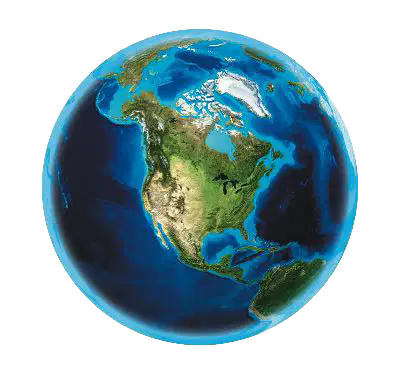
Identify the level of organization depicted
Biosphere
Ecosystem
Species
Community
Population
Which of the following animals are vertebrates?
Birds, reptiles and mammals
Sponges, jellyfishes and hydras
Fish and amphibians
Spiders, snails and earthworms

