
 Worksheets
OC - USH - Final Exam Practice #2 - 2024
Total questions: 40
Worksheet time: 22mins

What was the economic result of Coolidge's presidency?
High unemployment and a "Bust Economy"
Increased federal budget
Low taxes, low unemployment, and a "Boom Economy"
Nationalization of industries

Which of the following was NOT a cause of the Great Depression?
Unequal distribution of wealth led to underconsumption by lower classes
Easy Credit led to high average debts for Americans
Speculation creating a vulnerable stock market
World War 1 created a major debt for the U.S. and paying it back made it vulnerable
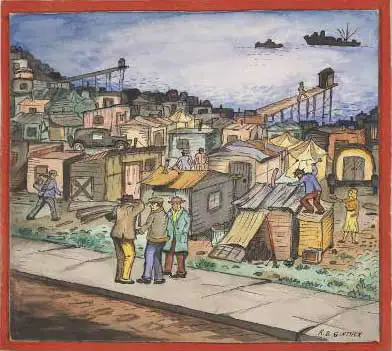
Which President had the misfortune of having shantytowns, tent cities, and encampments for the homeless named after him? (Hint: _______villes)
Hoover
Roosevelt
Harding
Lincoln
The CCC (Civilian Conservation Corps) included numerous LARGE projects over the entire United States to help with caring and managing land and improving it for all Americans to enjoy. It's MAIN PURPOSE was...
to provide jobs
to create more national parks
to save the planet from climate change
conserving natural habitats to prevent species from becoming extinct
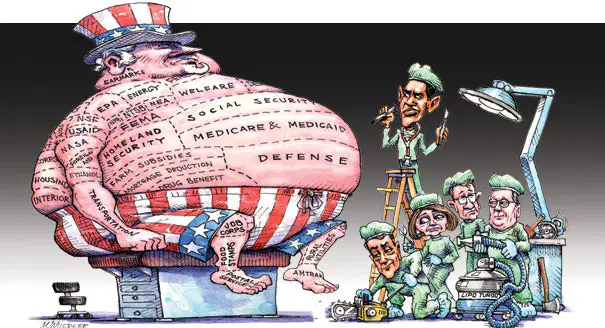
What does it mean that the New Deal created a BIG government, unprecedented in the nation's history?
The FEDERAL government became more active in the lives of Americans by creating more government jobs and welfare programs.
The state governments begin to do more to be involved in their local citizens' lives.
The size of the military was increased dramatically in order to put people to work.
Which of the following best describes a "Welfare State"?
The Federal Government becomes responsible for the welfare of those in need (as opposed to state governments and private citizens)
All the people in the nation are entitled to checks (income) every month.
The Federal Government passes laws that forces businesses to pay their employees more $
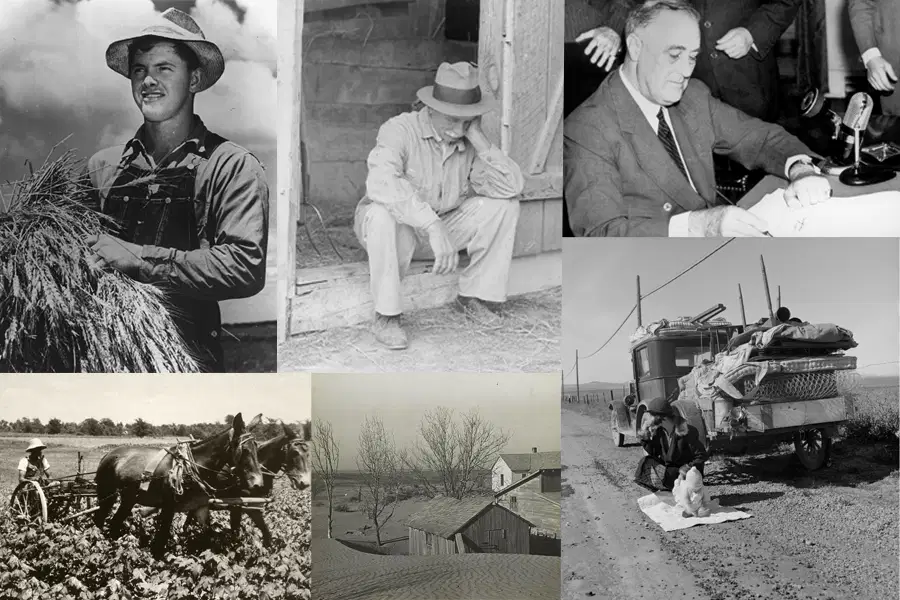
Which of the following is NOT true concerning farmers during the Great Depression?
Many experienced a devastating drought
Commodity prices fell (meaning they could not make enough money from their crops and livestock)
Many were forced out of farming.
They selfishly held on to surplus food for themselves and to sell on the "black market"
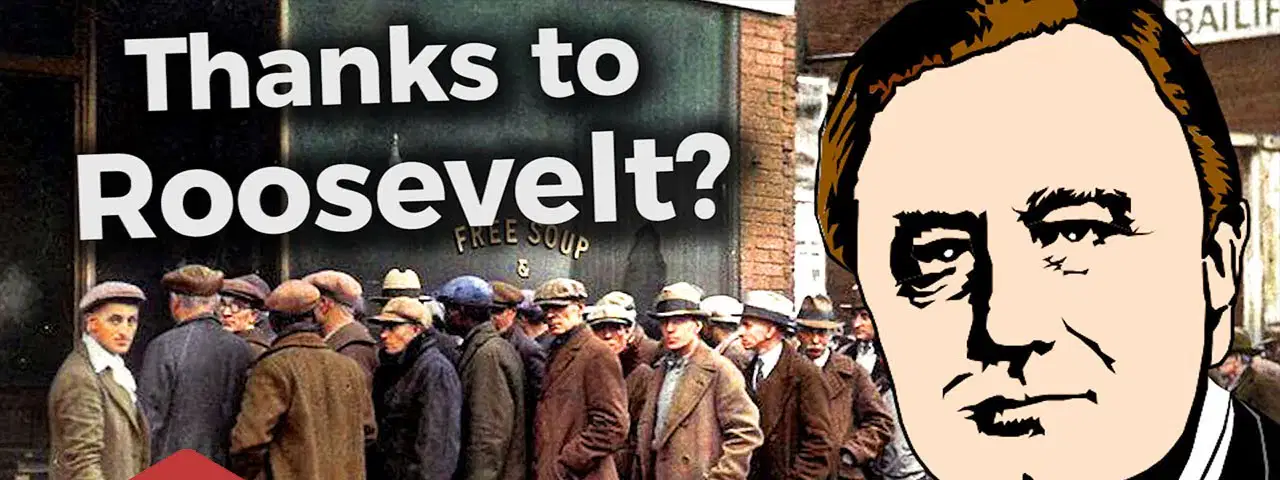
While the New Deal failed to stop the Great Depression, what EVENT ultimately pulled the U.S. out of the Great Depression?
World War 1
World War 2
The Roaring Twenties
The creation of the Nuclear Bomb
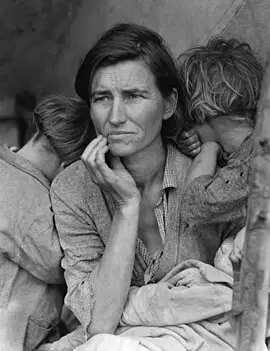
One of the most famous pictures in American history entitled, "Migrant Mother" (taken during the Great Depression). Who took this famous photo?
A photographer working for the "New York Times" newspaper.
A family member of this migrant family who shared the photo with John Steinbeck (a famous 1930s author)
A photographer hired by the U.S. Government as part of FDR's New Deal programs for artists.
A famous French photographer who traveled to America during the Great Depression as part of a photo book he was working on.

What were Jim Crow laws?
Laws that legalised slavery
Laws that legalized segregation
Laws that prohibited African Americans from leaving the country
Laws that denied African Americans an education


What was the result of the Korean War in the early 1950s?
Korea became fully Communist
Korea became fully Capitalist
Korea became part of China
Korea was split North and South, Communist and Capitalist.

What was a major factor in the creation of teenage culture in the post-war period?
Growth of suburban life
Decrease in educational standards
Reduction in media consumption
Increase in agricultural jobs
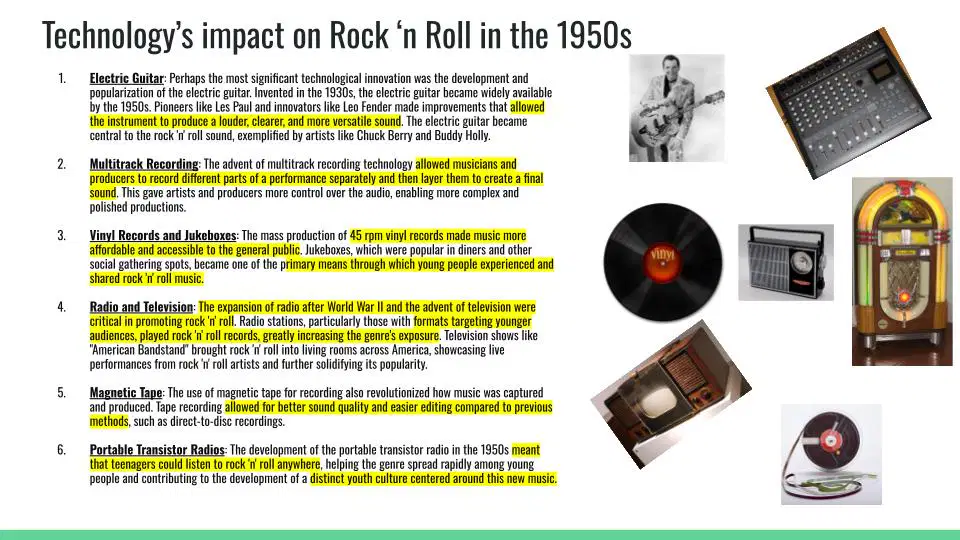
How did the expansion of radio and television after World War II impact rock 'n' roll?
It decreased the genre's exposure.
It was critical in promoting rock 'n' roll to younger audiences.
It led to the production of less rock 'n' roll music.
It made rock 'n' roll music less popular.
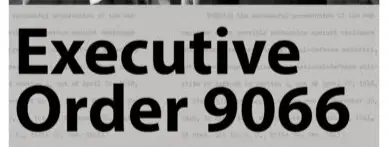
What ethnic group was rounded up and put in camps on the American west coast by Executive Order 9066?
German-Americans
Itallian-Americans
Russian-Americans
Japanese-Americans

What is an Executive Order (in the American Government)? (NOTE: multiple choices are correct.)
An act by the President alone (Congress does NOT have a role)
An order by the President that has the same effect of a law;
Gives the President the power to do something WITHOUT the checks and balances of Congress.
While Congress can vote to BLOCK and executive order, it is rare because the President can VETO the block.

What was the major reason for U.S. neutrality in the 1930's?
The U.S. didn't care.
The U.S. had committed itself to a policy of total nonviolence.
The economic and emotional effects of WWI made Americans reluctant to get involved in another war
The U.S. was confident that Britain and France could handle the situation.

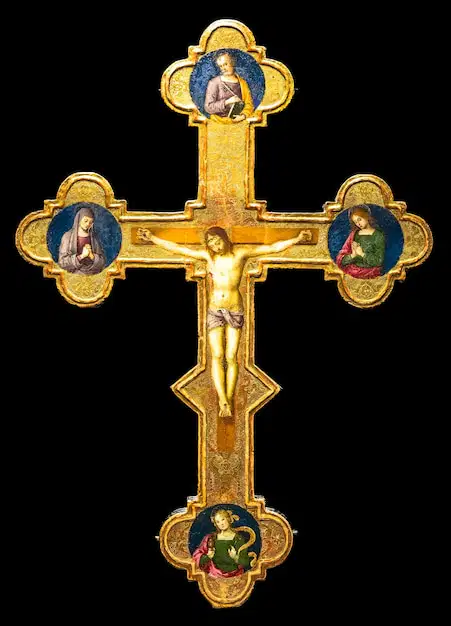
Which president was the first Roman Catholic to hold the office?
Theodore Roosevelt
Harry S. Truman
Franklin D. Roosevelt
John F. Kennedy

Who was the U.S. President after Kennedy's assassination?
Dwight D. Eisenhower
Harry S. Truman
Lyndon B. Johnson
Richard Nixon
Which two prominent figures were assassinated in 1968?
Martin Luther King and Robert Kennedy
John F. Kennedy and Malcolm X
Abraham Lincoln and Mahatma Gandhi
Winston Churchill and Che Guevara
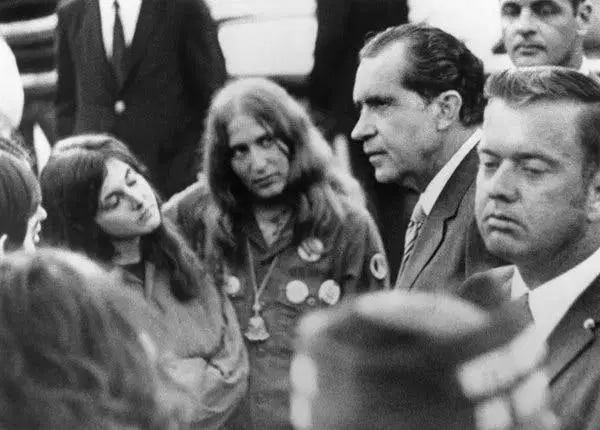
What platform did Richard Nixon run on in the 1968 election?
Foreign diplomacy and peace treaties
Education and healthcare
Economic reform and trade
Silent majority and Law and Order

What was the term Richard Nixon used to describe the softening of relations between the Soviet and American governments?
Glasnost
Perestroika
Detente
Dayon

What approach did Nixon take during his presidency regarding the Cold War?
He focused solely on domestic policies.
He intensified military actions.
He sought to lighten relationships with Communist countries.
He ignored the tensions.

What was a major consequence of the 1970s oil crisis in America?
Long lines and shortages at gas stations
Reduction in oil prices
Decrease in car usage
Increase in electric vehicle production
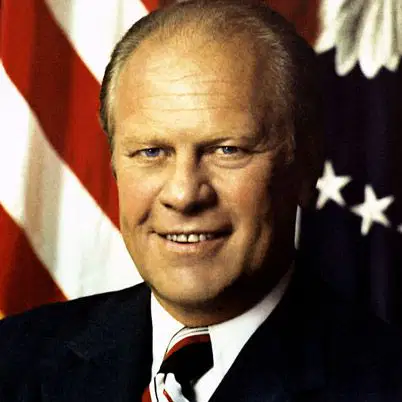
Who became president after Nixon resigned?
Spiro Agnew
Gerald Ford
Lyndon B. Johnson
Jimmy Carter
What crisis occurred at the end of the 1970s involving Iran?
Iranian Revolution
Iran Nuclear Deal
Iran-Iraq War
Iran Hostage Crisis
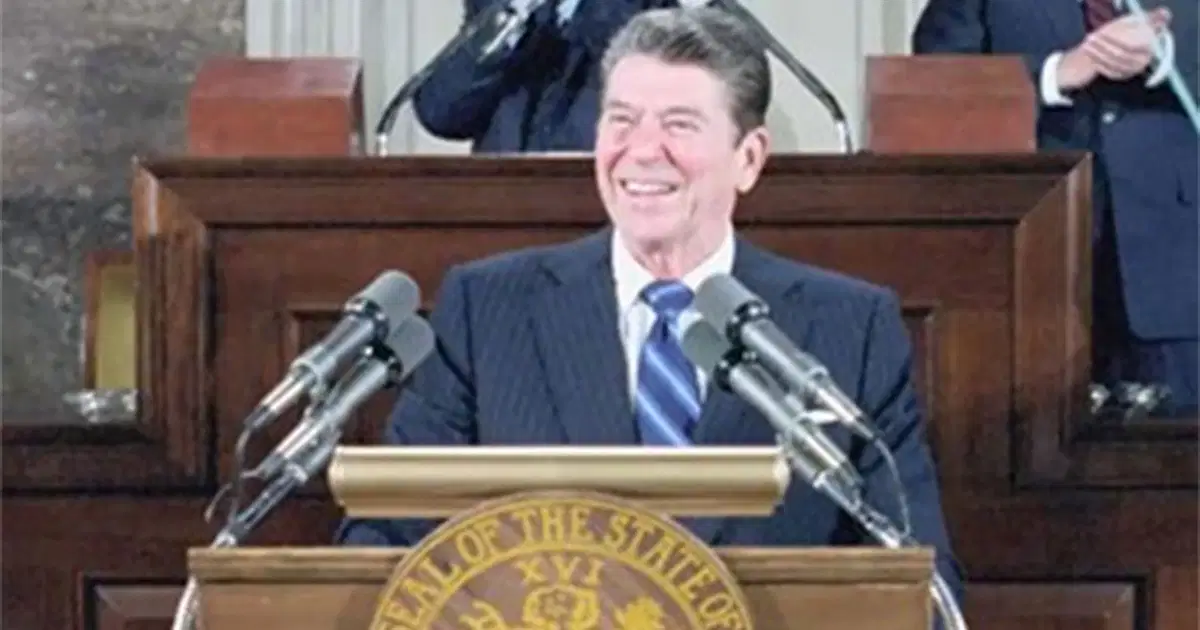
What was the primary focus of Reagan's campaign rhetoric?
Expanding healthcare
Strengthening foreign alliances
Increasing taxes
Reducing government size
What ideological shift did Reagan's election in 1980 signify?
Shift towards socialism
Shift towards conservatism
Shift towards monarchism
Shift towards liberalism
What was the primary goal of Reagan's military policies during his presidency?
To build up arms and strengthen the military
To reduce military spending
To engage in more international conflicts
To dismantle the military
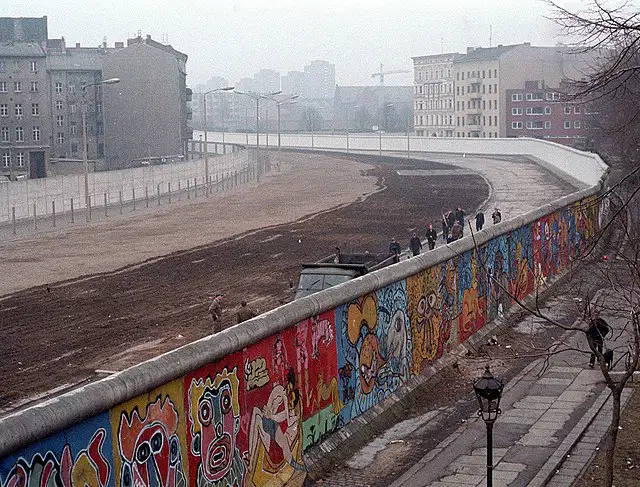
What was the ultimate fate of the Berlin Wall?
It was reinforced and made taller
It became a protected landmark
It was torn down in 1989
It was relocated to Moscow

What was the main focus of the Persian Gulf War?
To spread democracy in the Middle East
To take control of oil fields in Iran
To defend Kuwait from Iraqi invasion
To support Saddam Hussein
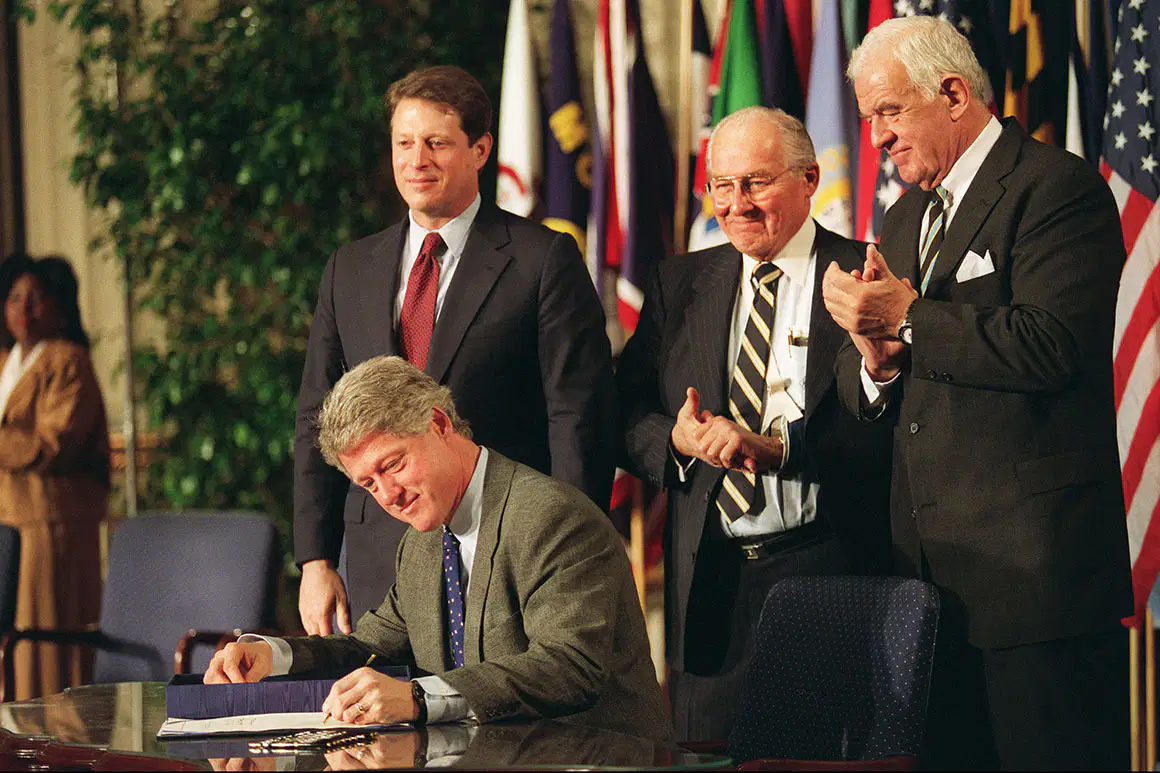
What major trade agreement did Bill Clinton help implement?
Trans-Pacific Partnership
ASEAN
NAFTA
European Union
What was a major domestic policy failure for Bill Clinton?
Welfare reform
Balanced budget
National Health Care system
NAFTA

What major event did Timothy McVey carry out?
Hijacking of an airplane
Cyber attack on government networks
Shooting in a public square
Bombing of a federal building in Oklahoma City
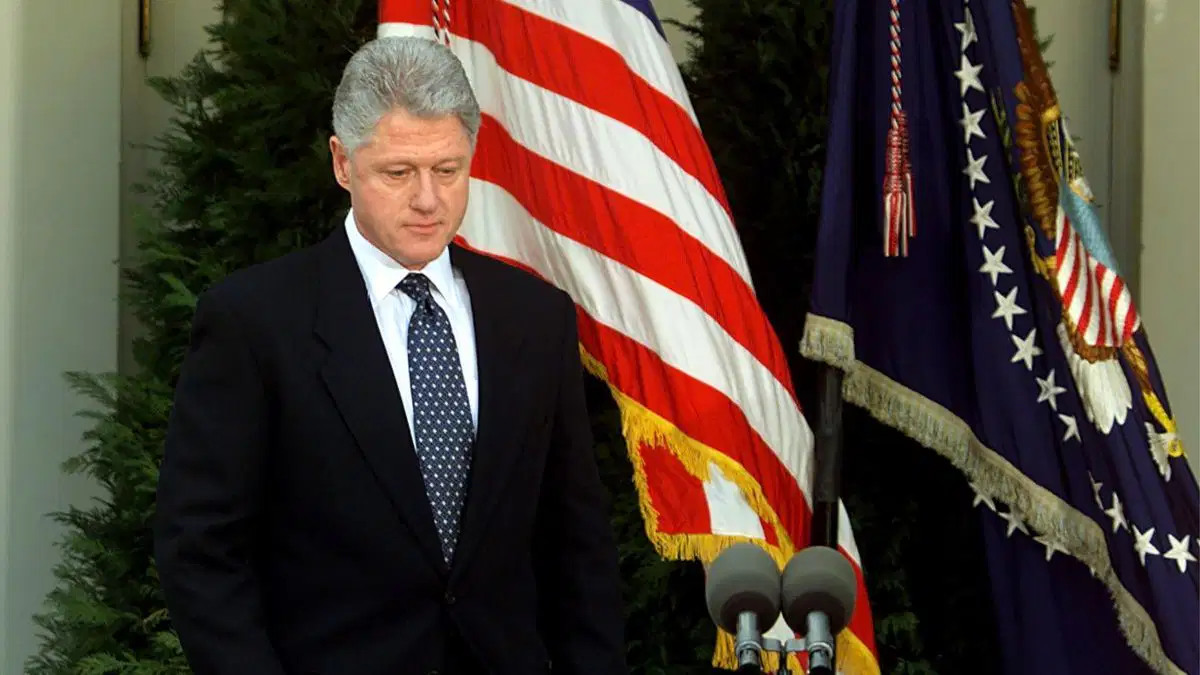
What was the result of Bill Clinton's impeachment process?
The charges were dropped
He was removed from office
He resigned before the trial
He was acquitted by the Senate
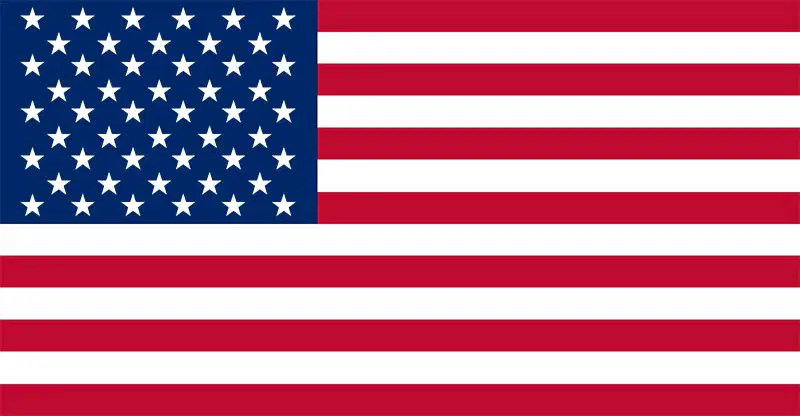
How many states are in the United States?
21
25
48
50

Which 21st Century President passed a major national health care program for "uninsured" Americans, dealt with gridlock with Congress, and successfully captured and killed the 9/11 mastermind Osama Bin Laden ? (a)
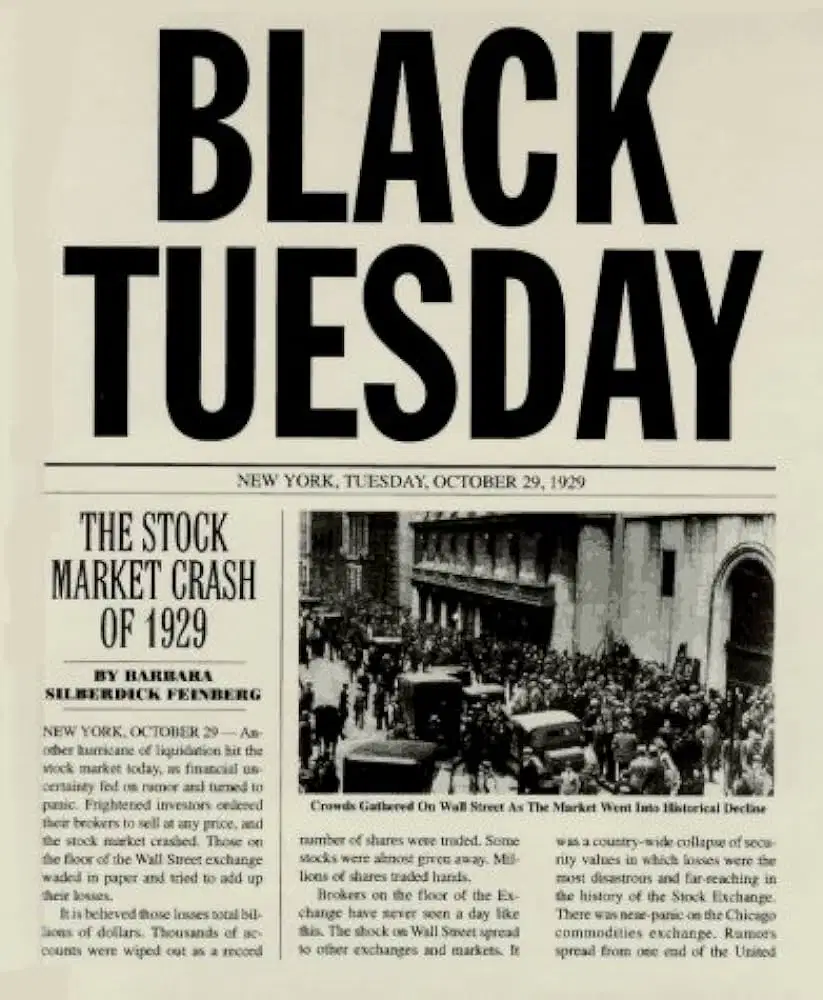
What was the primary cause of the stock market crash in 1929?
Overproduction and underconsumption
High tariffs on imported goods
Excessive speculation and buying on margin
Government intervention in the economy

