
 Worksheets
solar system , matter
Total questions: 129
Worksheet time: 1hrs 16mins
Anything that has mass and occupies space is called.....
liquid
matter
solid
volume
One characteristic of solid and liquid is....
it has definite shaped
it has definite volume
it can flow
it can be compressed
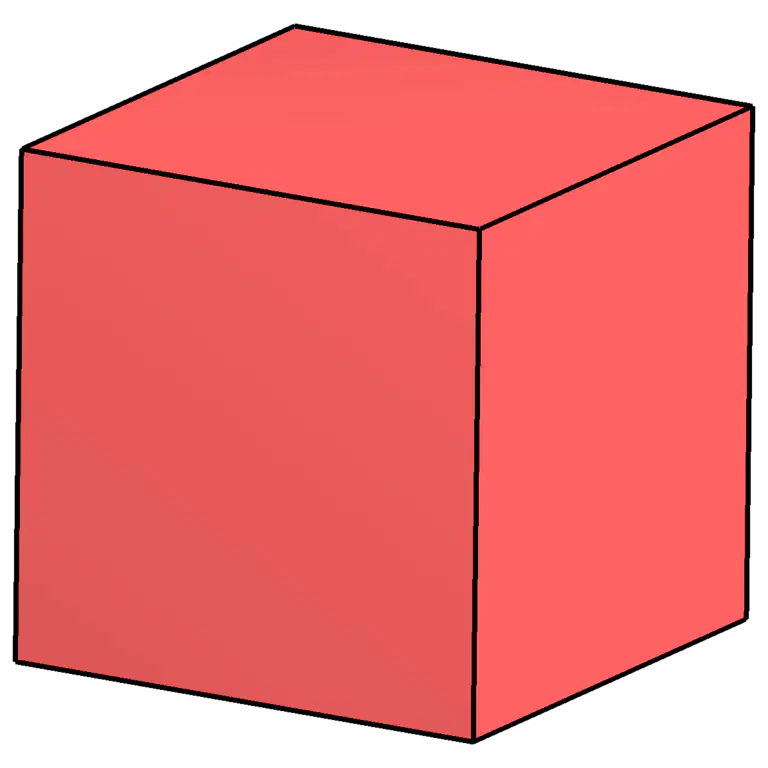
Look at the picture!
The picture shown is an example of .
solid
liquid
gas
plasma
The characteristic of matter that has fixed volume is found in...
rock and oxygen
book and plasma
stone and milk
oil and helium
Solid, liquid and gas are
three states of volume
three states of mass
three states of meter
three states of matter
Mass is the amount of... in an object.
objects
matters
length
Gram or kilo gram is the unit of.
meter
mass
matter
volume
Measuring cylinder is a tool that we use to measure the volume of....
solid object
gas object
liquid object
plasma object
The characteristics of matter that has fixed shaped and volume are found in
oil and gas
rock and book
air and milk
ice and water vapor
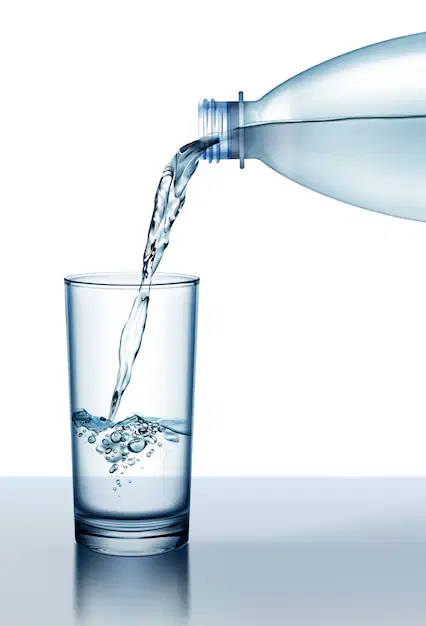
The liquid flows from bottle to glass because the position of bottle is _____
than glass.
lower
higher
smaller
bigger
Matters that cannot be compressed are
.
solid and liquid
liquid and gas
solid and plasma
solid and gas
A matter that has no fixed shape and no fixed volume is....
solid
gas
liquid
ice
A matter that has no fixed shape but has fixed volume is
ice
helium
juice
plasma
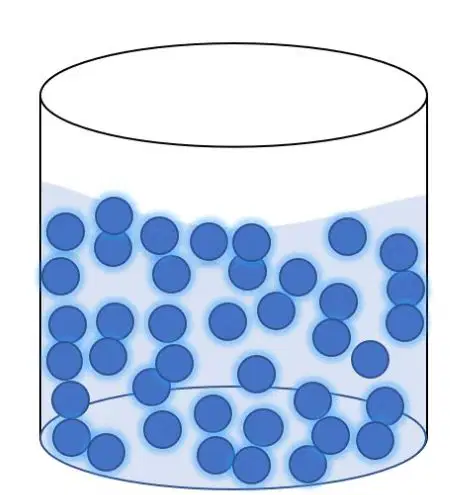
Look at the picture!
The arrangement of molccules shown in the picture is....
molecules are packed tightly
intermolecular space is very less
molecules are freely to move around
molecules have intermolecular space
A matter that fills all the entire of container is
solid
gas
liquid
plasma
The matters that take up the shape of container are.
book and oil
oil and air
ice and air
book and ice
The arrangement of molecules in liquid and gas will increase when they are
cooled
heated
sunk
blown
We have to know the length, width and height if we want to measure the volume of...
irregular-shaped solid
unregular-shaped solid
regular-shaped solid
deregular-shaped solid
When the matter is very small , the unit of measurement is
kilograms
liters
grams
milliliters
The unit of mass is ....
meters or kilometers
liters or milliliters
grams or kilograms
meters or centimeters
The amount of matter in an object is called
mass
length
volume
width
There are three sates of matters, they are
solid, melting and gas
freezing, solid and liquid
solid, liquid and gas,
We can measure the volume of a liquid using
measuring balance
measuring lever
measuring cylinder
measuring spring
When the water is heated, the arrangement of molecules will
decrease
increase
break
blow
We can measure the volume of a regular-shaped solid if we know its
length, mass, and width
length, volume and height
length, width and height
mass, volume and height
We use the unit of grams to measure the matters that are
big and heavy
small and cheap
small and expensive
small and heavy
Which planet is an inner planet?
Uranus
Venus
Saturn
Neptune
Which list shows the correct order of planets from the sun?
Mercury, Venus, Earth, Mars
Earth, Mars, Venus, Jupiter
Mars, Venus, Earth, Saturn
Uranus, Jupiter, Neptune, Saturn
Which is an object in the solar system that is a frozen mass of ice and dust?
an asteroid
a comet
a moon
a planet
What do Jupiter, Saturn, Uranus, and Neptune have in common?
They all have rocky surfaces.
They all appear to be similar to Earth.
They all are gaseous planets.
They all appear to be made of rock and ice.
Why does the sun seem to change position in the sky?
Earth's rotation
Earth's orbit
The sun's rotation
The sun's orbit
What causes it to appear as if the sun rises and sets each day?
Earth's gravity
The spinning motion of Earth
The revolution of the Earth around the sun
Earth's distance from the sun


Which of these planets is the farthest from the sun?
Mercury
Earth
Neptune
Jupiter
Which planet is sometimes called the "red planet"?
Jupiter
Mercury
Mars
Uranus
Which of these sets of planets are terrestrial planets?
Mercury, Saturn, Mars, Venus
Mars, Earth, Venus, Mercury
Earth, Mars, Neptune, Jupiter
Venus, Mercury, Earth, Uranus
What is in our Solar System?
Planets
Moons
Sun
All of the above
Which planet is the hottest in the Solar System?
Earth
Mercury
Venus
Mars
Which planet is the sixth from the sun?
Venus
Jupiter
Uranus
Saturn
Which planet is Earth's sister planet?
Neptune
Mars
Venus
Saturn
About how many days does it take to revolve around the sun on Earth?
30
365
24
1
Which planet is third from the sun?
Venus
Mars
Jupiter
Earth
Solar System is made up of... planets.
6
7
8
9
The smallest planet in the Solar System is.
Venus
Mercury
Earth
Mars
The largest moon of Jupiter is called
Makemake
Titan
Triton
Ganymede
Two planets that don't have moon area.
Mercury and Jupiter
Mars and Venus
Mercury and Venus
Venus and Earth
Jupiter takes ____
hours to spin on its axis.
7
8
9
10

Look at the picture!
Object that shown in the picture is called
planet
comet
meteorite
star
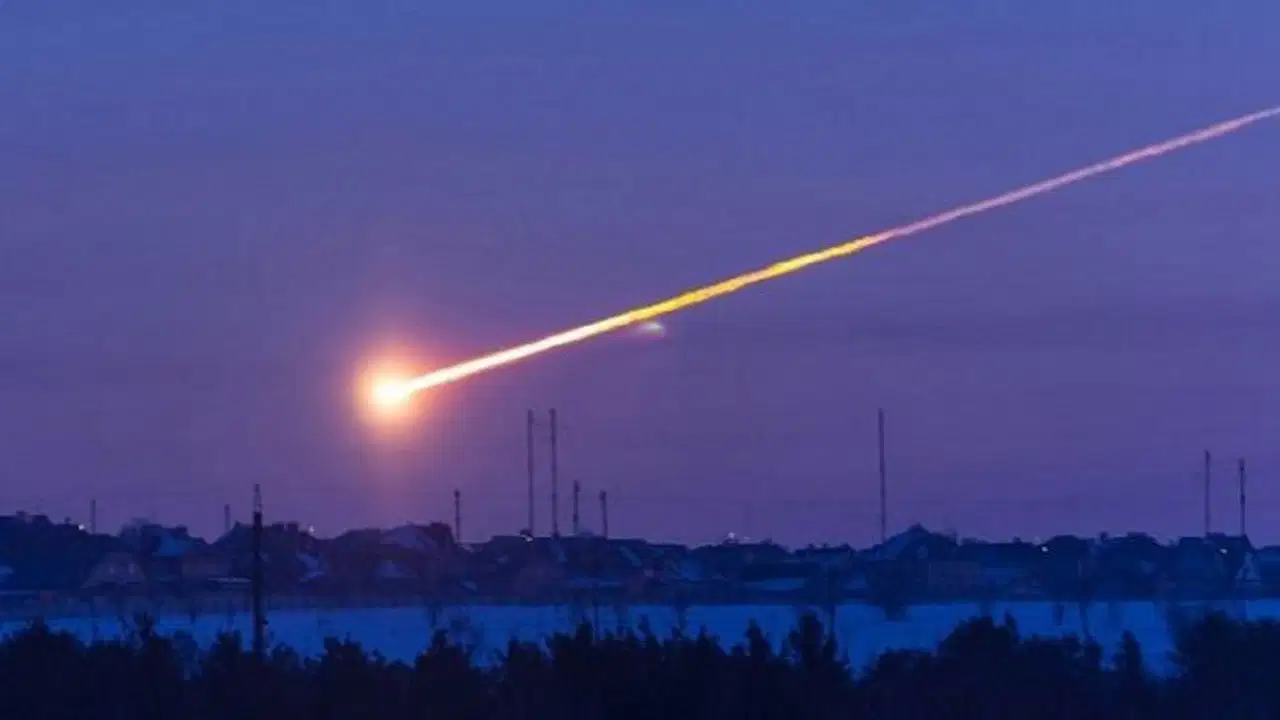
Look at the picture!
Object that shown in the picture is called
planet
comet
meteor
star
Neptune takes... years to orbit the Sun.
11
84
29
164
Object in the Solar System that produce its own light and heat is called
moon
planet
star
asteroid
Object in the Solar System that orbit the planet is called.
asteroid
meteoroid
satellite
star
A matter that exists in solid , liquid and gas is
(a)
The amount of space taken up by an object is called
(a)
We can use (a) to measure the mass of solid object.
Which state of matter has no definite shape or volume?
liquid
plasma
gas
solid
Which state of matter has a definite shape but takes the shape of its container?
Liquid
Solid
Plasma
Gas
In which state of matter do particles have the most energy and are far apart from each other?
Solid
Gas
Plasma
Liquid
Which state of matter takes the shape of its container but has a definite volume?
Liquid
Gas
Solid
Plasma
What is the state of matter in which particles are tightly packed and have a definite shape and volume?
Solid
Gas
Plasma
Liquid
1. ______ is anything that has mass and occupies space (volume).
mass
volume
matter
weight
_______ is the amount of matter in an object.
mass
matter
volume
weight
The unit of mass is _________
kg or gram
litre or ml
kg or liter
______ is the amount of space that is occupied by an object.
matter
mass
volume
weight
we can measure the volume of object using __________
lever, syringe and bottle
balance , flask and measuring cylinder
measuring cylinder, syringe and flask
The characteristics of solid are: __________
fixed shape, fixed volume, can not be compressed
doesn't have fixed shape, can be compressed, can flow
fixed volume, flow faster than liquid, fixed shape
The characteristics of liquid are: __________
fixed shape, fixed volume, can not be compressed
doesn't have fixed shape, can not be compressed, can flow
fixed volume, flow faster than liquid, fixed shape
We can measure the volume of a regular-shaped solid if we know its ________.
mass
weight
length, width and height
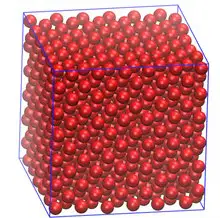
The picture of the arrangement of molecules in _______.
solid
gas
liquid
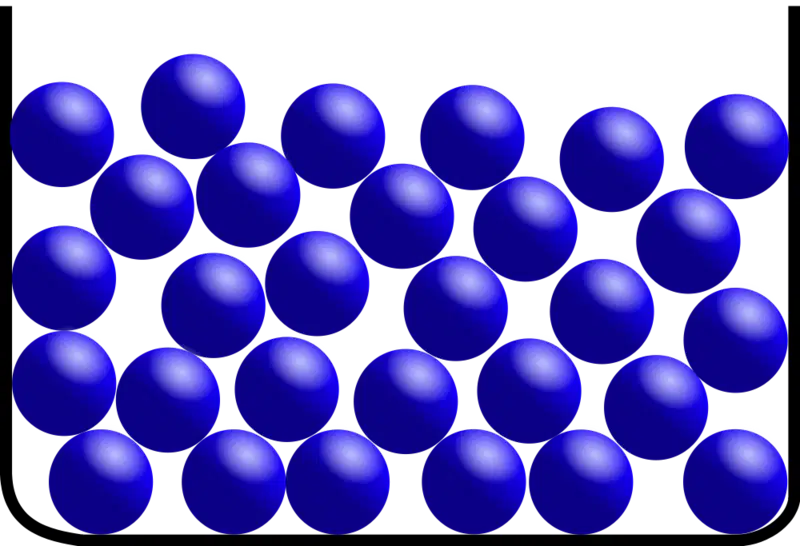
The picture of the arrangement of molecules in _______.
solid
gas
liquid
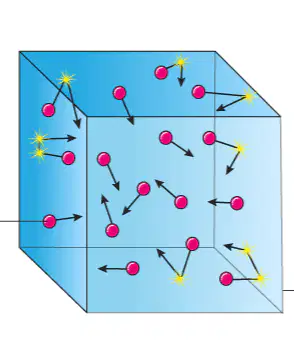
The picture of the arrangement of molecules in _______.
solid
gas
liquid
When the ice, water and gas are heated, the arrangement of molecules will ___.
decrease
increase
stay normal
A matter that exists in solid, liquid and gas is _____
soil
water
air
A resource is considered renewable if it -
can be created only over millions of years
is made of Earths’ materials like rocks and minerals
can be replaced in a relatively short amount of time
is useful to humans in making energy and materials
Which of the following is a non-renewable resource?
Paper
Coal
Milk
Water

Students were asked to generate a list that contained nothing but renewable resources. Which student was the the only one to make a correct list?
Student A
Student B
Student C
Student D
Why is water classified as a renewable rather than a nonrenewable resource? Water is classified as renewable because it -
is constantly replaced
is important to all life
can be frozen into ice
evaporates into the air
Fossil fuels form when organic matter is buried and then exposed to heat and pressure for millions of years. Fossil fuels are classified as nonrenewable resources because they –
take a long time to form
are used to produce heat
form from organic matter
can be found underground

Which of the following resources is collected by the panels on the roof of this home?
air
water
wind
sunlight

Choose an example of how nonrenewable resources can be used up.
Mining for coal and using it to heat homes
Rainwater collecting in a barrel
Sun rays being changed into solar energy
Planting plants to create more oxygen
Using a plastic soda bottle after it is melted down to make jacket stuffing, is an example of ___.
reduce
reuse
recycle
Giving your clothes that you wore when you were two to your baby sister is an example of _____.
reduce
reuse
recycle
Turning off running water while I brush my teeth, many students taking the bus to school instead of going to school in a car, and using paper bags instead of plastic are all examples of _____.
reduce
reuse
recycle
What is conservation?
Saving natural resources.
Watching television throughout the day.
Using natural and human resources.
Leaving the water running.
Drive a big car with no passengers.
Cut off lights when exiting a room.
Brush teeth with hot water.
Ride the bus instead of biking to school.
Which of the following is an example of a natural resource? Choose 2.
Coal
Paper
Plastic
Cotton
What is a natural resource?
Something that fills a basic need
Everything in the world
Anything from nature that people can use.
Anything that is living
Which of the following are humanmade resources?
Spaghetti
Wood
A table
Water
Which is not a way humans can help the environment?
Recycling paper and plastic.
Planting new trees.
Using more resources.
Protecting endangered species.
How are human actions harmful to the environment?
Cutting down trees to make farmland.
Taking too much resources from the environment.
Dumping trash and waste products.
All of the above.
How can trees help prevent erosion?
Their leaves make new food.
Their stems hold the rock and soil in place.
Their flowers can attract bees and other animals.
Their roots can hold the rock and soil in place.
A long time without rain is called _______________.
A glacier.
A drought.
A flood.
A tsunami.
Natural Gas is a ________ energy resource
Animal
Renewable
Non-renewable
Changeable resource
Which of these is one cause of deforestation?
cutting down trees
overbreeding of birds in the wild
throwing toxic chemicals in the river.
over fishing

What are the effects of deforestation ?
animals and other organisms will lost their habitats
increased green house gasses
soil erosion and flooding
all of the above
Does deforestation contribute to global warming?
No, trees aren't that important
Sometimes, because only the cutting down big trees contributes to global warming
No, deforestation adds more oxygen to the atmosphere, which makes the Earth cooler
Yes; less trees means less carbon dioxide (CO2) is turned into oxygen.

Smog is an example of ______________ pollution.
land
water
air
noise
To reduce pollution in the environment, people should ______________ materials.
recycle
pollute
throw away
clean
Which of the following does NOT cause water pollution?
oil spills
garbage
fertilizers from farms
smoke
How can trash affect wildlife?
Wildlife and other animals cannot hunt prey because of the smell of garbage.
Trash makes it hard for wildlife to camouflage.
Wildlife could eat trash that they think is food.
Wildlife and other animals are afraid of trash.
Which of the following items could you recycle?
An old newspaper
A plastic soda bottle that is empty
An empty cereal box
All of the above
Which of the following is a source of air pollution?
Difficulty in breathing
Factories
Eye irritation
Drinking water

This picture shows people walking through a highly-polluted city in China. From what type of pollution are they protecting themselves based on what they are wearing?
air pollution
water pollution
land pollution
noise pollution
To help our environment, you should_______.
Note: (3R's)
recycle, remember, and reduce.
reduce, reuse, and recycle.
reduce, repair, and recycle.
reuse, replace, and recycle.
__________ means to use something old to make something new.
reduce
reuse
recycle
Biodegradable waste is...
An animal of the forest
Everything that can be eaten.
Is any product that can be easily broken down naturally by water, oxygen, the sun's rays, radiation, or microorganisms.
A kind of substance which cannot be broken down by natural organisms and acts as a source of pollution
Examples of Non Biodegradable wastes are..
(Click all that applies)
plastics
glass
diapers
food
What are non-renewable energy sources?
Hydropower and geothermal energy
Biomass and biofuels
Solar and wind energy
Fossil fuels (coal, oil, natural gas) and nuclear energy
What are fossil fuels?
Man-made fuels created in laboratories
Renewable energy sources
Natural fuels formed from the remains of living organisms over millions of years.
Fuels extracted from outer space
List three examples of renewable energy sources.
Biomass energy
Solar energy, Wind energy, Hydropower
Geothermal energy
Nuclear energy

