
 Worksheets
Digestive System
Total questions: 24
Worksheet time: 2hrs 0mins
Which of the following animals are ruminants?
Cattle
Sheep
Deer
All of the above
Which organ produces bile?
Liver
Stomach
Colon
Esophagus
The stomach performs which of the following functions?
Mechanical processing
Digestion
Secretion
All of the above
Which stomach compartment of ruminants is considered to be the true "stomach?"
Rumen
Reticulum
Omasum
Abomasum
Which structure governs the passage of food material into the small intestine?
Pylorus or pyloric valve
Omasum
Cecum
Large intestine
Which of the following make up the small intestine?
Duodenum
Ileum
Jejunum
All of the above
Which of the following structures aids in absorption?
Papillae
Villi
Microvilli
All of the above
What is a horse's organ of prehension?
Lips
Teeth
Hoof
Tail
Prehension is a term referring to:
How an animal gathers food
Digesting food
Chewing food
Eating feed or forage
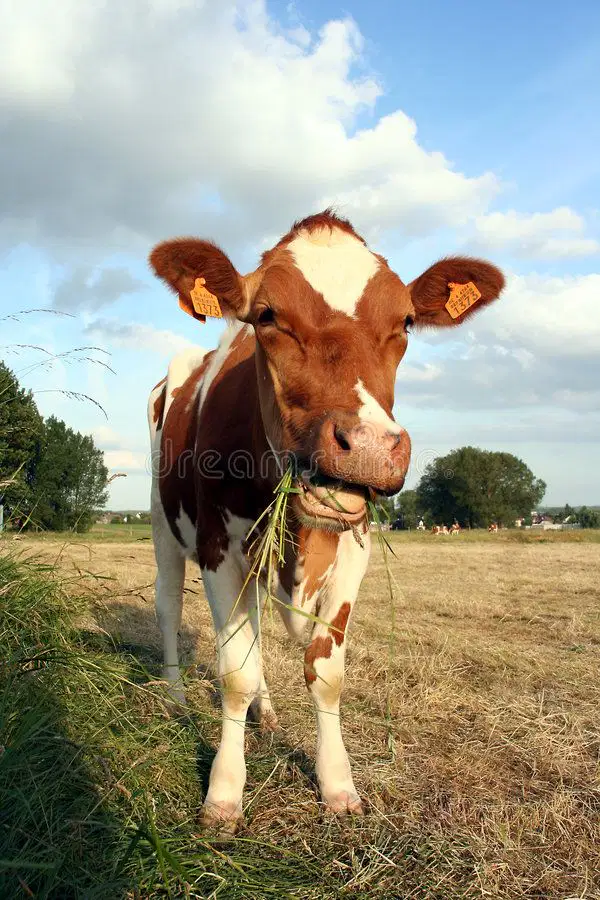
What is different about the mouth structure of ruminants compared to that of humans?
There is no difference.
Ruminants do not have a true tongue.
Cattle, sheep and goats have a dental pad instead of upper incisors
Humans do not have upper incisors
Which of the following is not directly involved in mechanical processing?
Mouth
Liver
Teeth
Stomach
The body’s release of enzymes, water and acid into food is known as _______.
Absorption
Excretion
Mastication
Secretion

Waves of muscular contractions which push food through the esophagus are part of the process known as ______
Animal with a four-chambered stomach, consumes large quantities of roughages.
Roughage
Ruminant
Silage
Vitamin
Digestion starts from _____.
Mouth
Stomach
Liver
Ribs
Why are magnets administered to cattle?
To add weight
To speed digestion
To help circulation
To catch wire and bolts
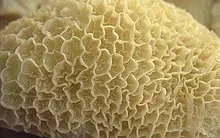
The "honeycomb" refers to which structure in a ruminant system?
Rumen
Abomasum
Omasum
Reticulum
What is colic?
an enzyme that helps digest food
an additive included in most animal feed
a medication given to ease abdominal pain
digestive disorder

What is the chicken's true stomach?
gizzard
cloaca
crop
proventriculus

How many ceca do chickens have?
1
2
3
4
What is the function of the esophagus in ruminants?
carry material down
carry material back up
none of the choices
both carry material down and back up
What does mastication mean?
eating
smelling
breathing
chewing
The teeth of what animal continue to grow throughout its life?
Which of the following is produced by the liver, stored in the gallbladder and secreted into the small intestine to aid in fat digestion?

