
Font size
 Worksheets
Yr 8 Food Technology: Sustainability
Total questions: 11
Worksheet time: 9mins
What does the term "food provenance" refer to?
The nutritional value of food
The origin and history of food
The price of food
The packaging of food
Which of the following is a key principle of sustainability in food production?
Maximising profit
Reducing environmental impact
Increasing food miles
Using more packaging
What are "food miles"?
The distance food travels from farm to consumer
The number of calories in food
The cost of transporting food
The weight of food
Which of the following is a benefit of buying local produce?
Higher food miles
Increased carbon footprint
Support for local farmers
Longer shelf life
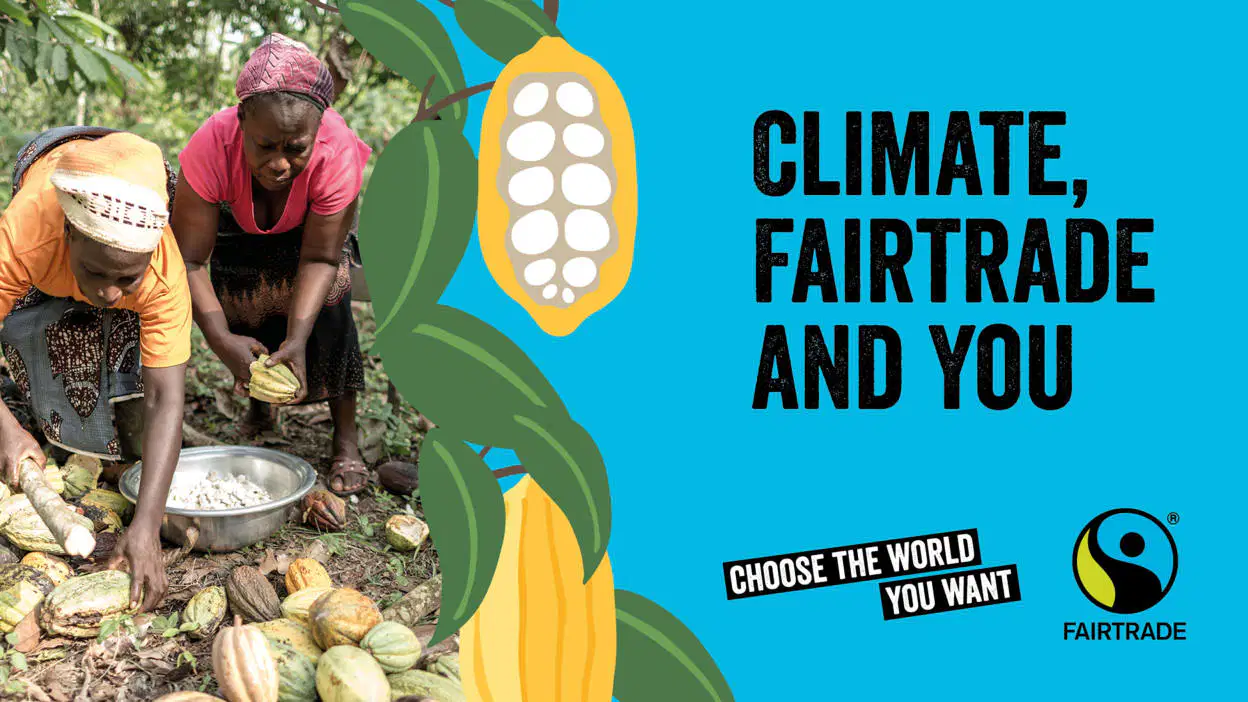
What does the Fair Trade label signify?
The product is the cheapest available
The product is made with fair wages and ethical practices
The product is organic
The product is locally sourced
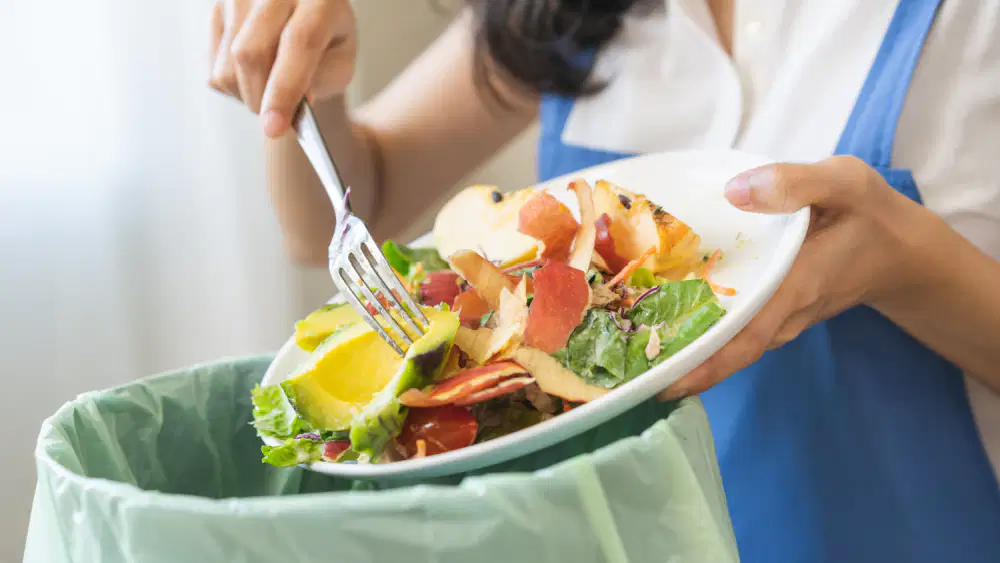
Which of the following is a method to reduce food waste at home?
Buying in bulk without planning
Storing food improperly
Composting food scraps
Ignoring expiration dates

What is one way the food industry can contribute to recycling?
Using single-use plastics
Disposing of waste in landfills
Implementing packaging take-back schemes
Increasing food production
Which of the following is an example of sustainable farming practice?
Monocropping
Using synthetic pesticides
Crop rotation
Overgrazing
How can consumers help reduce food miles?
Buying imported goods
Shopping at local markets
Purchasing out-of-season produce
Ignoring the origin of food

What is a common practice in Fair Trade to ensure ethical treatment of workers?
Paying below minimum wage
Providing safe working conditions
Using child labour
Ignoring workers' rights
How do sustainable fishing practices contribute to sustainable food production?
By depleting fish stocks in the seas
By polluting the oceans
By allowing fish stocks to repopulate our seas
By overfishing and causing imbalance in marine ecosystems
What does sustainable food production involve?
Cultivating the land without protecting it
Protecting the land without cultivating it
Cultivating the land whilst also protecting it for future generations
Using pesticides to increase crop yield
How does grass-fed animal rearing without the use of hormones contribute to maintaining a balance between food production and environmental conservation?
It reduces the carbon footprint of food production
It increases water usage in agriculture
It leads to deforestation
It promotes the use of synthetic fertilizers

