
 Worksheets
5th Grade Science Review P4 2026
Total questions: 44
Worksheet time: 22mins
Name
Class
Date
1.
Full Name:
4 lines
2.
1- What is the layer of gases that surrounds the planet and makes conditions on Earth suitable for living things?
a)
Gravity
b)
Atmosphere
c)
Air pressure
d)
Density
3.
2- Which of the following is NOT a layer of the atmosphere?
a)
The stratosphere
b)
The mesosphere
c)
The troposphere
d)
The introsphere
4.
3- What does the term Renewable energy source mean?
a)
Energy that can be replenished
b)
Energy that can be all used up
c)
Energy that can be lost
5.
4- Choose three key advantages of Renewable sources:
a)
Higher Capital Costs.
b)
Clean, Safe & Efficient.
c)
Zero Carbon Emissions.
d)
It’s Impacted by Environmental Conditions.
e)
A Fuel Supply That Never Runs Out.
6.
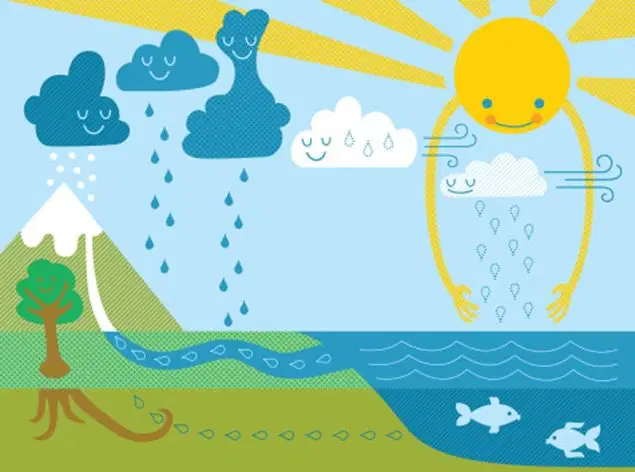
5- What are the 4 main steps in the Water Cycle?
a)
Collection, Evaporation, Condensation, Precipitation.
b)
Condensation, Precipitation, Movement, Evaporation.
c)
Transportation, Precipitation, Evaporation, Solidification.
7.
6- Clouds are made of:
a)
Water droplets
b)
Ice crystals
c)
Water vapor
d)
All options are true
8.
7- What is the water cycle?
a)
The 3 forms of water
b)
The movement of water on, above, or below the surface of the Earth.
c)
When water melts
d)
When clouds form
9.
8- _______________ is the long term average of weather for a particular area.
a)
Weather
b)
Climate
c)
Precipitation
d)
Air Mass Phenomena
10.
9- _______________ is the short term condition of the atmosphere in one area at a particular time
a)
Precipitation
b)
Climate
c)
Weather
d)
Wind Phenomena
11.
10-A person who travels to locations where a tornado or other severe weather is forecast
a)
Biologist
b)
Scientist
c)
Storm Chaser
12.
11-A form of precipitation, water that falls from the sky
a)
Storm
b)
Rain
c)
Thunders
13.
12- It is the concentration of water vapor in the air
a)
Rain
b)
Humidity
c)
Precipitation
14.
13- Refers to short-term changes in the atmosphere
a)
Weather
b)
Climate
c)
Temperature
15.
14- Measures air temperature
a)
Rain Gauge
b)
Barometer
c)
Thermometer
16.
15- Measures the relative humidity and dew point in an area
a)
Sling Psychrometer
b)
Temperature
c)
Barometer
17.
16- They are part of the Biosphere
a)
Plants, flowers, living things
b)
Exosphere, Stratosphere, Thermosphere
c)
Rivers, lakes, oceans, sea
18.
17- Choose the correct answer: A mobile, destructive vortex of violently rotating winds
a)
Tornado
b)
Storm
c)
Volcano
19.
18- Condition of the air, or the atmosphere in our planet
a)
Temperature
b)
Weather
c)
Rain
20.
20- It is a measure of how hot or cold something is
a)
Rain
b)
Temperature
c)
Atmosphere
21.
21- What the weather is like over a long period of time in a specific area
a)
Temperature
b)
Climate
c)
Weather
22.
22- Measures atmospheric pressure.
a)
Rain Gauge
b)
Barometer
c)
Thermometer
23.
23- Measures the amount of precipitation
a)
Sling Psychrometer
b)
Barometer
c)
Rain Gauge
24.
24- Measures wind speed and direction
a)
Anemometer
b)
Barometer
c)
Thermometer
25.
25- They are layers of the Atmosphere
a)
Rocks, Land, mountains
b)
Rivers, lakes, oceans, sea
c)
Exosphere, Stratosphere, Thermosphere
26.
26- The layers of the Earth:
a)
Exosphere, Stratosphere, Meosphere
b)
Crust, Mantle, Core
c)
Plants, water, sun
27.
27- It Was a theory that explained how continents shift position on Earth's surface.
a)
Layers of the Earth
b)
Continental Drift
c)
Layers of the Atmosphere
28.
28- It's the total amount of water on a planet.
a)
Biography
b)
Biosphere
c)
Hydrosphere
29.
29- Process of the water cycle:
a)
Collection, evaporation, condensation, precipitation
b)
Evaporization, water, clouds
c)
Sun, rain, hail, precipitation
30.
30- It's the contamination of water bodies, usually as a result of human activities.
a)
Water pollution
b)
Drinking Water
c)
Rivers
31.
31- Water suitable for human consumption
a)
Oceans
b)
Drinking Water
c)
Water Pollution
32.
32- Atmospheric Phenomena explained in the class:
a)
Hurricane
b)
Volcano eruption
c)
Storms and Tornadoes
33.
33- A violent disturbance of the atmosphere with strong winds and usually rain, thunder, lightning, or snow.
a)
Storm
b)
Volcano
c)
Tornado
34.
34- A violently rotating column of air touching the ground, usually attached to the base of a thunderstorm.
a)
Tornado
b)
Storm
c)
Earthquake
35.
35- Types of tornadoes:
a)
Supercell and Non-supecell
b)
Tornados and storms
c)
High and low
36.
36- How tornadoes are formed:
a)
When cold air and other cold air collides
b)
When warm, humid air collides with cold, dry air.
c)
When warm air and other warm air collides
37.
37- Fresh water in lakes and rivers that does not contain salt.
a)
False
b)
True
38.
38- Water that evaporates from the ocean contains salt.
a)
True
b)
False
39.
39- More evaporation occurs during the day.
a)
True
b)
False
40.
40- Precipitation is when water is heated in the ocean by the sun and turns into water vapor.
a)
True
b)
False
41.
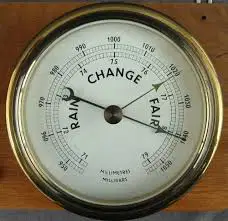
41- Choose the correct weather Instrument.
a)
Barometer
b)
Wind Vane
c)
Rain Gauge
42.
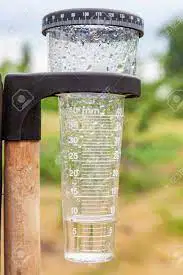
42- Choose the correct weather Instrument.
a)
Barometer
b)
Thermoter
c)
Rain gauge
d)
Wind Vane
43.

43- Choose the correct weather Instrument:
a)
Barometer
b)
Rain Gauge
c)
Wind Vane
d)
Thermometer
44.
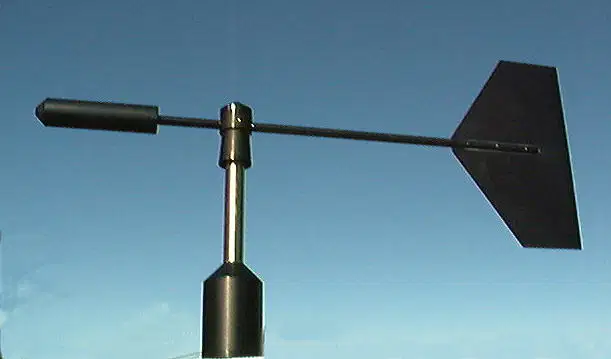
44- Choose the correct weather Instrument:
a)
Barometer
b)
Rain Gauge
c)
Wind Vane
d)
Thermometer
100 %

