
 Worksheets
GCSE SUMMER MOCK REVIEW 2024
Total questions: 49
Worksheet time: 29mins
What is the maximum number of states that can be represented by a binary pattern of 8 bits?
128
256
1024
512
How do computers represent and manipulate signed integers using two's complement?
Leave the binary representation unchanged
Subtract 1 from the binary representation
Add 1 to the binary representation
Invert all the bits and add 1
What is the decimal equivalent of the 8-bit binary number 10101010?
42
85
170
240
What is the concept of overflow in relation to the number of bits available to store a value?
The value is exactly the same as the maximum representable value
The value exceeds the maximum representable value
The value is less than the minimum representable value
The value is exactly the same as the minimum representable value
How are characters encoded using 7-bit ASCII?
Using 8-bit representation
Using 6-bit representation
Using 5-bit representation
Using 4-bit representation
What is the unit of data storage that is equivalent to 1024 bytes?
Tebibyte
Mebibyte
Kibibyte
Gibibyte
Convert 64 to binary
10000000
01111110
01000000
11001100

Encrypt the word alphabet using a Caesar cipher with a shift of 3
DVSDULQV
DOOFOHDU
DOSKDEHW
DORQHBHV

Pixels get their colour from a combination of which colours?
cyan magenta yellow black
red green blue
primary colours
black white

Which factors affect the file size of a bitmap image? (select all that apply)
pixel density
image dimensions
colour depth
software used to create it
format of image meta-data

A landscape photographer wishes to publish a series of preview images online. He is concerned about file sizes.
The 24-bit RGB images are to be displayed on screen at a resolution of 400 x 250 pixels.
Which of these expressions calculates the size of one of the image files (in KB).
(400 x 250 x 24) / (8 x 1000)
(400 x 250 x 24) / 1000
(400 x 250 x 24) / (8 x 1024)
400 x 250 x 24 x 8 x 1000

A simple bitmap image has the following characteristics:
4-bit colour depth (bit depth)
resolution of 100 pixels by 300 pixels.
Calculate the size of this image in bytes.
(a)

Identify the meaning of the blue dots on the waveform chart.
amplitude
bit depth
wave frequency
sample frequency

Identify the meaning of the red arrow on this waveform chart.
wave frequency
sample frequency
amplitude
bit depth

Different types of data can be represented digitally.
Sound can be stored on a digital device, but only after being converted from its naturally occurring state.
Identify each of the items (A, B, C) shown on the image in relation to the conversion required to store sound on a digital device.
A = waveform B = sampling frequency C = amplitude
A = waveform B = wave frequency C = bit depth
A = sampled wave B = amplitude C = sampling frequency
a = waveform B = sampling frequency C = bit depth
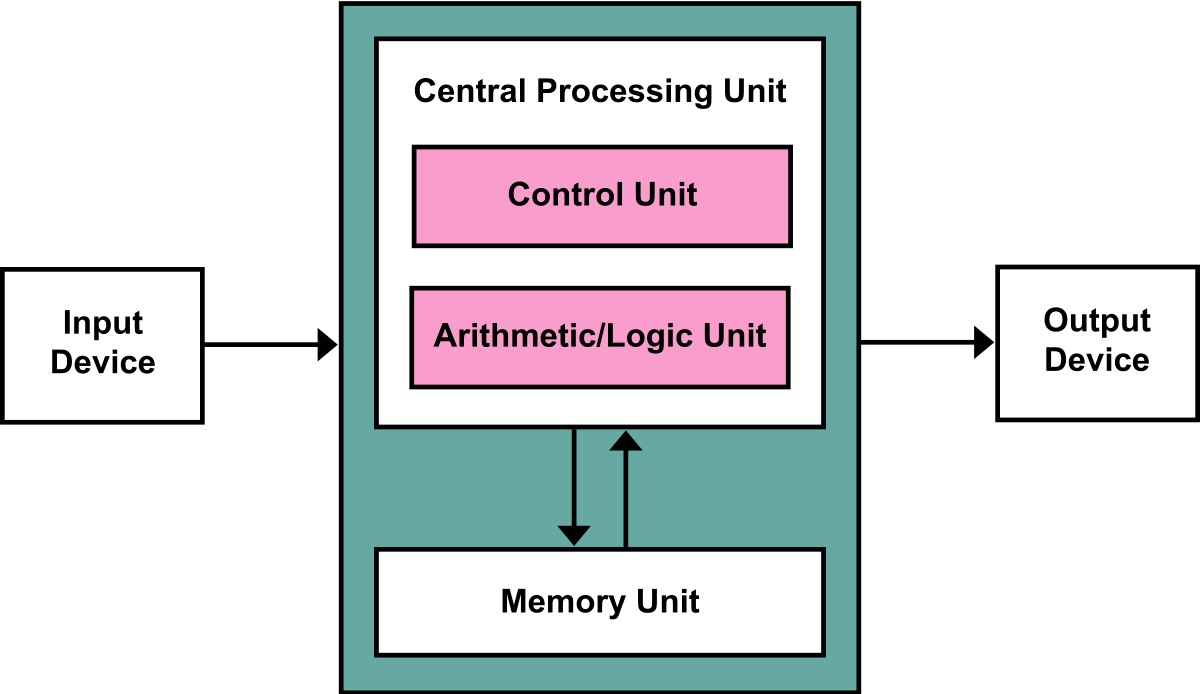
What is meant by a von Neumann computer architecture?
Where the program instructions are stored in a seperate memory storage from the data
Where the program instructions are stored in the same memory storage as the data
Where the program instructions are stored in ROM and the data is stored in RAM
Where the program instructions are divided across several CPUs

Choose all the registers found in a typical processor?
Current Instruction
Accumulator
Memory Data
Memory Address
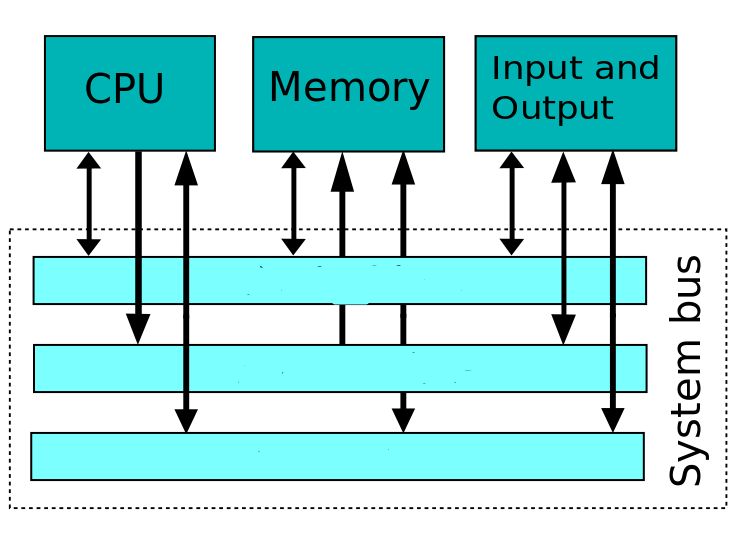
Choose all the types of system bus?
Address
Data
Control
Register
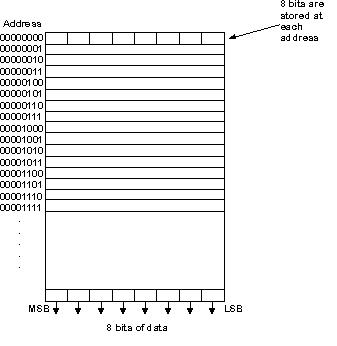
Choose all statements that are TRUE about primary memory addresses
Each one has a unique address
They all store the same amount of data
The number of addresses is determined by the width of the address bus
Addresses are stored internally as hexadecimal numbers
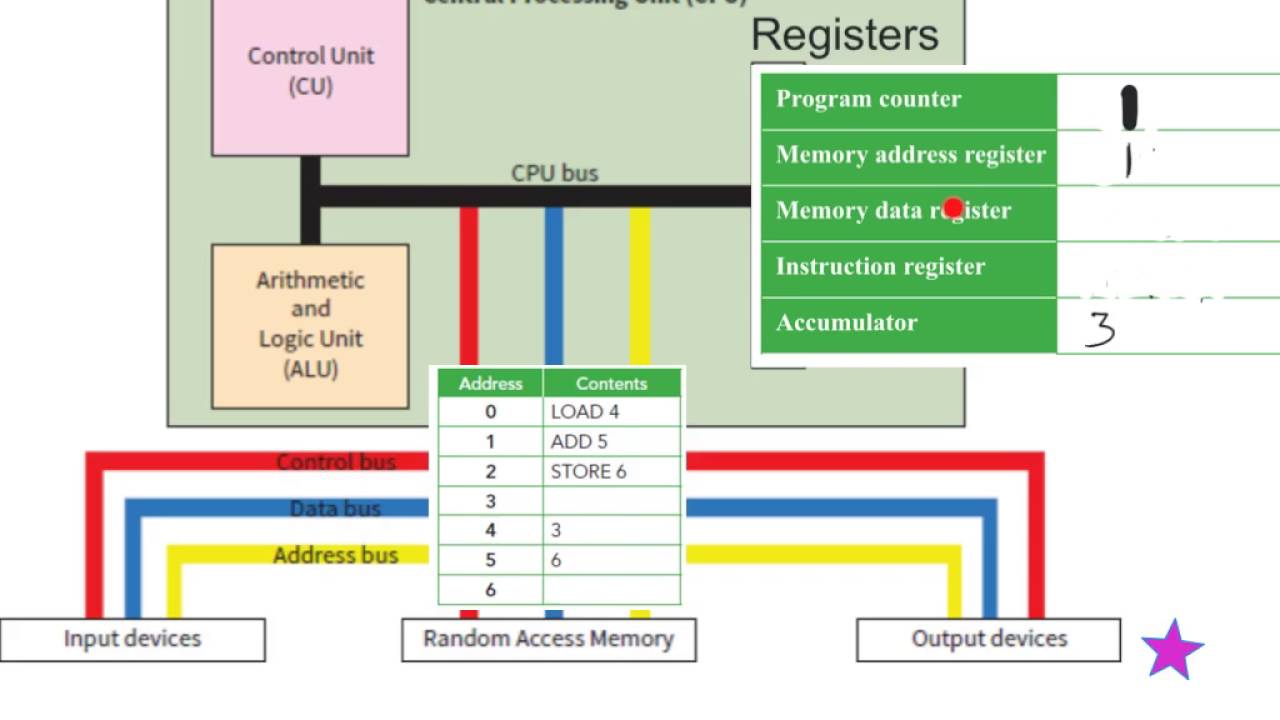
What is the correct sequence of operations between CPU and RAM?
Fetch-decode-execute
Fetch-execute-decode
Decode-fetch-execute
Fetch-execute-fetch
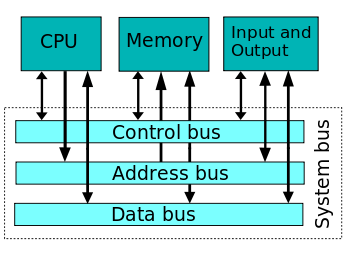
The larger the width of the address bus ....
... the larger the size of each memory location
... the faster the data can be transferred
... the more addressable memory locations there are
... the more bits there are in each 'word'
Choose all the factors that could potentially affect the performance of the CPU ...
Frequency of internal clock
Number of processor cores
Size of cache memory
Type of cache (L1, L2, L3)
Amount of RAM
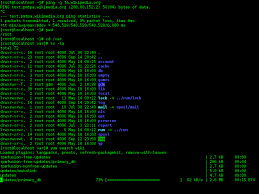

Which of the following functions might be carried out by user management features on an operating system? *choose all appropriate answers*
Identifying which are users are on the network
Creating a default log-off time for all users
Monitor network usage by each user
Create or change access rights for an individual user
_______________ protect against someone accessing your computer via the Internet or a wireless connection
Firewall Programs
Antivirus and Antispyware
File Management Program
Uninstall and Cleanup Program
__________________ protect against malicious software being installed on your computer
Antivirus and Antispyware
Firewall
Cleanup Tool
File Explorer
__________________ protect against malicious software being installed on your computer
Antivirus and Antispyware
Firewall
Cleanup Tool
File Explorer
Utility programs that helps users to reduce the size of files so they take up less storage space on a storage medium or can be transmitted faster over the Internet
File Compression Programs
File Management Programs
File Explorer
Disk Management Programs
Define the term algorithm.
A sequence of steps to solve a problem.
A collection of data.
A computer program.
A mathematical equation.
Explain why an algorithm must be accurate and consistent?
To make it more complicated.
To make it faster.
To ensure it works for all cases.
Define the term decomposition.
Breaking something into small pieces.
Combining different things.
Analyzing data.
Sorting data.
Define the term abstraction.
Showing all the details.
Hiding the unnecessary details.
Using random data.
Creating a physical model.
Which three are examples of unnecessary detail on a map when planning a journey by train.
Train schedule.
Names of all passengers.
Street names irrelevant to the train route.
Colour of the train
Prices
A programmer wants to use a search algorithm for this array
[3, 8, 9, 15, 12, 8]. Explain how a linear search would search for the target value 12.
It would start from the middle and divide the array.
It would jump directly to the target value.
It would go through the array element by element until it finds 12.

State which logical operator is represented by this truth table.
AND
XOR
NOT
OR
Which of these are pillars of computational thinking?
Decomposition: Breaking down data, processes, or problems into smaller, manageable parts
Pattern Recognition: Observing patterns, trends, and regularities in data
Abstraction: Identifying the most important details and discarding the unimportant aspects to make the solution manageable
Algorithm Design: Developing the step by step instructions for solving this and similar problems
functional programming - treats computation as the evaluation of mathematical functions and avoids changing-state and mutable data

A = 1 B = 1 C = 0
What is the final output Y?
0
1
2
3

An algorithm that manipulates sales figures is shown.
The first four values in the data structure SalesFile are 355, 554, 199, and 409.
Which trace table shows the correct execution of the pseudocode for these four values?


How much of this lesson have you understood?
None of it
Some of it
Most of it
All of it

Thinking Hard
Write a set of step-by-step instructions to guide a student how to trace an algorithm using a trace table
(press Shift+Enter to take a new line ...)

