
 Worksheets
DMV PRACTICE TEST 2.1
Total questions: 20
Worksheet time: 10mins

At a red light, come to a complete stop
100 feet before the intersection.
50 feet before the stop line.
Two car lengths begin the vehicle in front of you.
Before you reach the intersection, stop line, or crosswalk.

You do not have to come to a complete stop before turning right on a red light.
True
False

Lane use signals are often used to
indicate where you can and cannot drive during different hours of the day.
indicate heavy traffic ahead.
warn motorists that a work zone is ahead
all of the above
You may turn left at a red light if you are on a one-way street and turning left onto another one-way street.
True
False

Before turning right on red
slow down and proceed with caution.
Come to a complete stop, look both ways and yield the right-of-way to pedestrians and other traffic.
Check your rear-view mirror.
Come to complete stop and proceed when the light turns green.
Traffic signals do not apply to bicyclists.
True
False
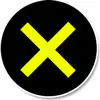
Yellow X or Yellow Diagonal Downward Arrow: These signals mean that you should move out of the lane as soon as safely possible.
True
False
Traffic signals apply to pedestrians.
True
False
It is legal to avoid traffic controls by cutting through a parking lot or field.
True
False

If the traffic light is green and a police officer motions you to stop, you should:
Obey the traffic light
follow the officer's direction
obey the police officer or the traffic light
proceed with caution
Traffic signals apply to
Drivers.
Bicyclists.
Pedestrians.
All of the above
Obey all signs and signals unless directed by a police officer.
True
False

You see a flashing yellow traffic signal at the next intersection. You should:
Slow down and proceed with caution.
Come to a complete stop before proceeding
speed up before the light changes red.
maintain speed since you have the right-of-way
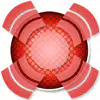
A flashing red light means:
reduce your speed.
stop, yield to oncoming traffic and pedestrians, and proceed when the way is clear
drive with caution
a fire engine or ambulance is ahead.

A right turn on a red traffic signal is permitted:
After stopping, if no sign prohibits right turn on red.
When the traffic light first changes.
At any time.
In daylight hours only
Lane use signals indicate where you can and cannot drive during different hours of the day.
True
False
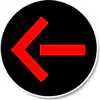
A red arrow indicates that you may turn after you come to a complete stop and look both ways for traffic and pedestrians.
True
False

If a police officer directs you to go through an intersection with a red light, you should
Stop until the light turns green.
Stop until the light changes to yellow
Stop, then drive on carefully
Follow the officer's direction

A left turn at a red traffic signal is allowed when:
You are on a one-way street and turning left onto another one-way street.
Traffic is stopped.
Between midnight and 6 a.m.
No one is coming

Never drive in a lane marked with a red X signal.
True
False

