
 Worksheets
190 Week 2: AB-Can You-C-D?
Total questions: 10
Worksheet time: 6mins
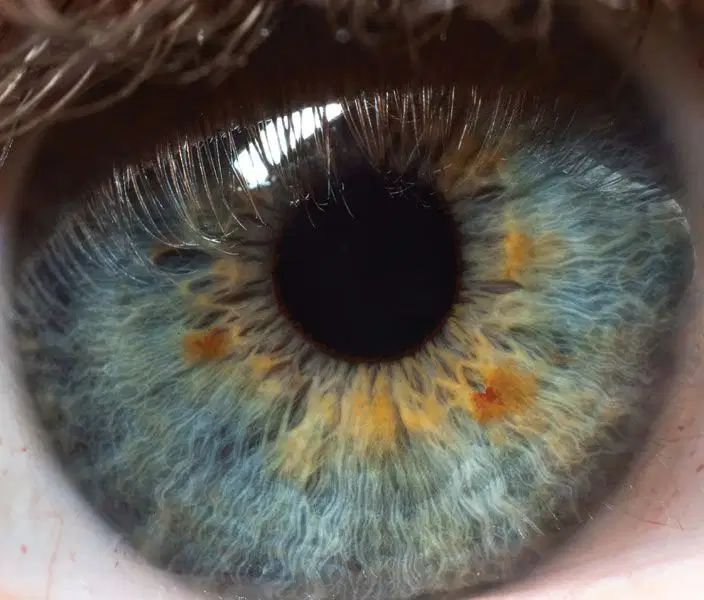
(a) is pupillary constriction.

Put the steps for using a Snellen chart to assess visual acuity in order.
Place patient 20 ft away from chart
Have patient cover one eye
Have the patient read left to right down to the smallest line
Have patient cover the other eye and read the chart
Have patient read the chart with both eyes uncovered.

The nurse is conducting a focused interview on a client. Which statement by the client indicates the nurse need to follow up on?
“My father has glaucoma so I know there’s a chance I could get it as well.”
“I wear my safety glasses at work when I use my saw.”
“I take a couple medications that the pharmacist says may cause double vision, but I haven’t experienced any.”
“I drive during the day because it’s hard for me see at night.”

When using the Snellen Chart, the patient should be standing (a) feet away.
The student nurse is performing an eye assessment on a patient with a history of Graves’ disease. What is an expected assessment finding?


Which assessment finding is most likely caused by blunt trauma?


Normal findings in an eye assessment include? (Select all that apply)
Sclera is pink
Conjunctiva is clear
Pupils and irises are round
Eyelids close completely
Eyebrows evenly distributed
Label each eye abnormality correctly.
Ptosis
Subconjunctival Hemorrhage
Cataract
Conjunctivitis/Pink Eye
Hordeolum/Stye
Hyphema
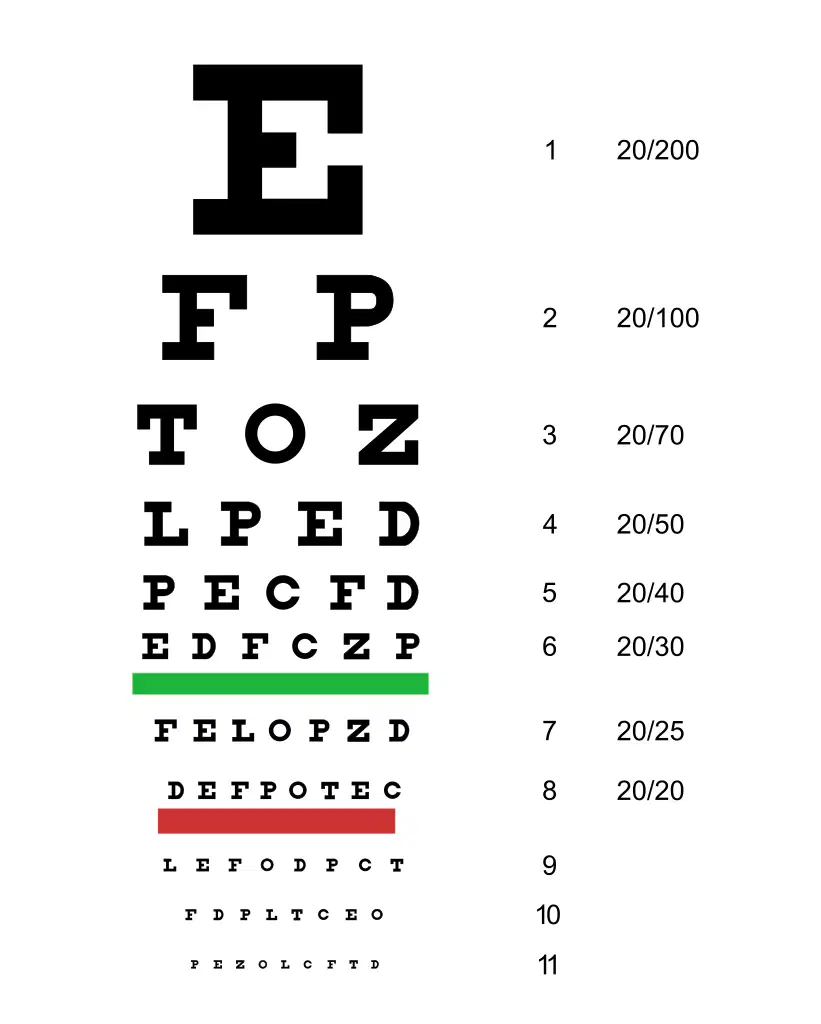
When using a Snellen chart, the nurse records the client’s vision as 20/50. Which of the following statements best describes 20/50 vision?
The client has alterations in near vision and is legally blind.
The client can see at 20 feet what the person with normal vision can see at 50 feet.
The client can see at 50 feet what the person with normal vision sees at 20 feet.
The client has a 20% decrease in acuity in one eye, and a 50% decrease in the other eye.

A droopy eyelid is associated with a dysfunctional cranial nerve (a)

