
 Worksheets
sesia
Total questions: 190
Worksheet time: 2hrs 35mins
1. What is the purpose of a Single Line Diagram?
a) To provide a visual representation of system
a) To calculate electrical loads
a) To design mechanical systems
a) To provide 3D visualization
a) To protect electrical system
1. What is a bus duct?
a) Type of electrical transformer
a) Cable used for data transmission
a) Type of protection device
a) System for distributing electrical power within a building or industrial facility
a) Device used for voltage regulation in power systems
1. What does the switch symbol typically represent in electrical diagrams?
a) Voltage source
a) Grounding point
a) Power supply
a) Circuit protection device
a) Control for electrical circuit
1. What does SPST mean?
a) Single pole single throw
a) Single phase single throw
a) Single pole single tap
a) System protection switch tap
a) Single phase single tap
What does DPST mean?
a) Double pin single throw
a) Double phase single tap
a) Double pole single throw
a) Double pin single tap
a) Double phase single throw
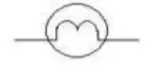
1
Define the symbol
a) Light
a) Distribution box
a) Transformer
a) Fuse
a) Terminal
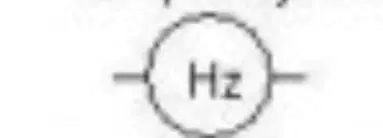
Define the symbol
a) Tachometer
a) Frequency meter
a) Varmeter
a) Power supply
a) Synchroscope

1.
Define the symbol
a) Triangular Voltage
a) AC Current source
a) Exponential Current source
a) DC Current source
a) Exponential Voltage

1.
Define the symbol
a) Voltage Summer
a) Bipolar Voltage source
a) DC Current source
a) VCC
a) AC Current source

1.
Define the symbol
a) Ground
a) Circuit Ground
a) Earthing
a) Chasis Ground
a) Analog Ground
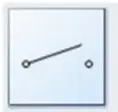
1. Define the symbol
a) SPST
a) SPDT
a) SPSD
a) DPST
a) DPDT
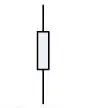
1.
Define the symbol
1.
a) Fixed Value Resistor(IEC Symbol)
a) Fixed Value Resistor(IEEE Symbol)
a) Variable Resistor(Potentiometer)
a) Fuse
a)
Variable Resistor(Rheostat)

1. Define the symbol
a) Tapped Air Cored Inductor
a) Fixed Ferrite Cored Inductor
a) Tapped Ferrite Cored Inductor
a) Fixed Air Cored Inductor
a) Variable Air Core Inductor

1.
Define the symbol
a) Bell
a) Loudspeaker
a) Junction Box
a) Buzzer
a) Pilot Lamp Indicator
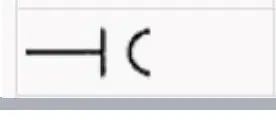
1.
What symbol is this?
a) Indicating light
a) Capacitor
a) Low voltage motor control
a) Switch
a) Meduim voltage motor starter
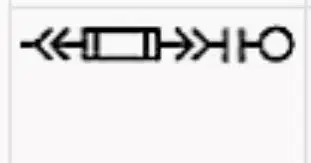
1.
What symbol is this?
a) Indicating light
a) Capacitor
a) Protection Relay
a) Low voltage motor control
a) Meduim voltage motor starter
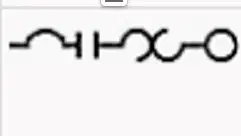
1.
What symbol is this?
a) Indicating light
a) Protection Relay
a) Capacitor
a) Low voltage motor control
a) Meduim voltage motor starter
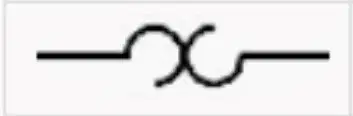
1.
What symbol is this?
a) Motor
a) Normally open contact
a) Normally closed contact
a) Low voltage motor control
a) Overlead relay
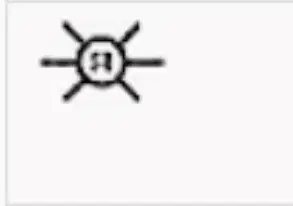
1.
What symbol is this?
a) Indicating light
a) Capacitor
a) Low voltage motor control
a) Meduim voltage motor starter
a) Inductor
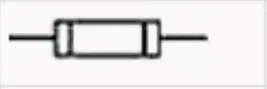
1.
What symbol is this?
a) Fuse
a) Bus duct
a) Fixed value Resistor
a) Ground
a) Battery
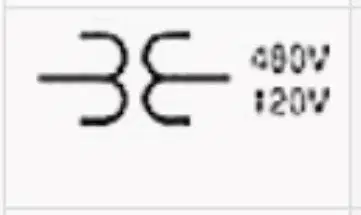
1.
What symbol is this?
a) Current transformer
a) Voltage transformer
a) Ground(earth)
a) Instrument transformer
a) Battery
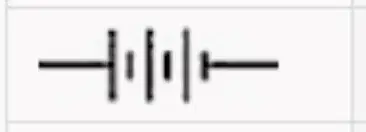
1.
What symbol is this?
a) Current transformer
a) Voltage transformer
a) Ground(earth)
a) AC supply
a) Battery
1.
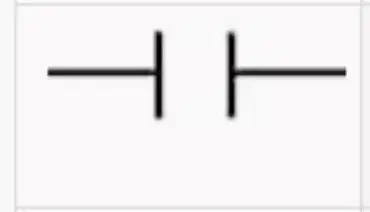
What symbol is this?
a) Motor
a) Normally open contact
a) Normally closed contact
a) Overlead relay
a) Switching contact
1.
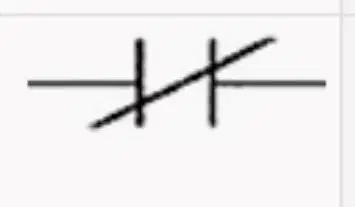
What symbol is this?
a) Motor
a) Normally open contact
a) Normally closed contact
a) Overlead relay
a) Switching contact
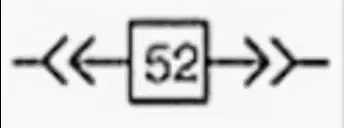
1. What symbol is this?
a) Future removable
a) Non-drawout circuit breaker
a) Sign
a) Drawout circuit breaker
a) Disconnect switch
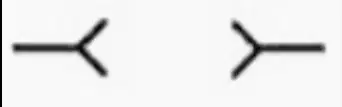
1. What is symbol is this?
a) Future removable
a) Non-drawout circuit breaker
a) Drawout circuit breaker
a) Spare part
a) Disconnect switch
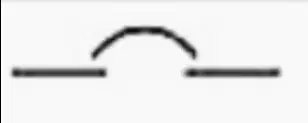
1. What is symbol is this?
a) Future removable
a) Non-drawout circuit breaker
a) Drawout circuit breaker
a) Disconnect switch
a) Spare part
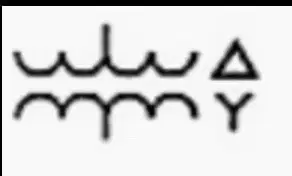
1. What is symbol is this?
a) Removable
a) Transformer
a) Drawout circuit breaker
a) Inductor
a) Disconnect switch
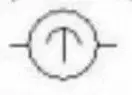
1. What is symbol is this?
a) Tachometer
a) Varmeter
a) Synchroscope
a) Frequency meter
a) Light bulb
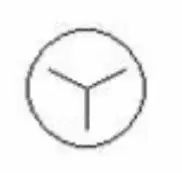
1. What is symbol is this?
a) Two winding transformer
a) Current Transformer
a) Synchronoscope
a) Three phase delta winding
a) Three phase star winding
1. What is grounding and why is it important for switchgear?
a) Earth connection for safety
a) Wire insulation testing method
a) A way to prevent overheating of the wires
a) Live part
a) None of the above
1. Which of the listed devices is usually responsible for the automatic switching on and off of the electrical load?
a) Time relay
a) Circuit breaker
a) Switchboard
a) Relay
a) None of the above
1. What is a common maintenance practice for distribution devices?
a) Replacing fuses annually
a) Replacing transformers every 10 years
a) Inspecting equipment every 5 years
a) Cleaning insulators every 2 years
a) Inspecting everyday
1. What is the purpose of a protective relay in distribution systems?
a) To distribute electricity
a) To transmit electricity
a) To generate electricity
a) To regenerate electricity
a) To protect equipment from damage
1. What is the purpose of regular inspection of insulators on distribution devices?
a) To reduce the risk of equipment failure
a) To improve electrical conductivity
a) To prevent electrical shock
a) Part of instructions
a) All of the above
1. What is the main function of a relay?
a) To amplify the current in a circuit
a) To control the flow of current in a circuit
a) To store energy in a circuit
a) To regulate the flow of current
a) None of these
1. A Buchholz relay is commonly used for the protection of which of the following?
a) Generators
a) Transformers
a) Transmission lines
a) Motors
a) Busbars
1. Which of the following arresters is also called as a protector tube?
a) Multi-gap arrestor
a) Expulsion type lighting arrestor
a) Valve type lighting arrestor
a) Horn gap arrester
a) Surge arrestor
1. A negative sequence relay is commonly used to protect
a) An alternator
a) A transformer
a) A motor
a) A transmission line
a) A bus bar
1. The normal resistance of a pilot wire is:
a) More than 500 Ohms
a) More than 1500 Ohms
a) 500 Ohms
a) Less than 500 Ohms
a) Less than 1500 Ohms
1. On which of the following effects of electric current a fuse operates?
a) Heating
a) Electrostatic
a) Photoelectric
a) Short circuit
a) Overload
1. Outdoor switchgear is generally used for voltage?
a) 11 kV
a) 33 kV
a) 66 kV
a) 132 kV
a) 220 kV
1. Arcing voltage will be the least in case of
a) Copper
a) Silver
a) Tungsten
a) Carbon
a) Titan
Which material is used for bus bars?
a) Copper rods
a) Aluminium rods
a) Titan rods
a) Silver rods
a) Any conducting material
1. The thermal circuit breaker has _____.
a) Instantaneous trip action
a) Delayed trip action
a) Instantaneous short action
a) Delayed on/off action
a) Any of the above
1. What is the main function of a disconnector?
a) To control the flow of current in an electrical circuit.
a) To provide visual picture of the circuit break.
a) To prevent overheating of the equipment.
a) To provide circuit protection
a) To regulate the voltage output
1. Why are disconnectors connected with switches when installed on equipment with high voltage?
a) To enhance the efficiency of power distribution.
a) To regulate the voltage output.
a) To provide additional safety measures.
a) To enable remote control of the circuit.
a) To minimize power losses.
1. How many contact knives disconnectors designed for high voltages have?
One
Three
a) Five
a) Four
Two
1. How is the operation of a disconnector achieved?
a) By turning the insulators on or off
a) Automatically
a) Manually or by using a special mechanism
a) By adjusting the contact pressure
a) Automatically through remote control.
1. What should be absent during the switching on and off disconnectors?
a) Extraneous noise and sparks
a) Increased voltage
a) Corrosion wear
a) Extra protection
a) Insulation resistance
1. What tests are conducted to determine insulation resistance in disconnectors?
a) Measurement of current flow
a) Continuity test
a) IR test applying an increased voltage with a frequency of 50 Hz
a) Determining the contact pressure
a) Checking the response time
1. How is the DC resistance value determined in disconnectors?
a) By measuring the contact pressure
a) Using a double bridge or ammeter and voltmeter
a) Applying an increased voltage
a) Applying a decreased voltage
a) Checking the response time
1. What is the purpose of regular external examinations of disconnectors?
a) To identify defects and corrosion wear
a) To determine insulation resistance
a) To measure DC resistance value
a) To give extra work for workers
a) To check the contact pressure
1. What are the main elements mounted on the rigid frame of disconnectors?
a) Voltage regulators and transformers.
a) The mechanism the knives and locks
a) Insulators and static contacts.
a) Circuit breakers and fuses.
a) Fixed insulators, static contacts and knives, the mechanism controlling the knives, and locks.
1. What is the purpose of the isolation gap in the disconnected position of a disconnector?
a) To enhance the visual visibility of the disconnector.
a) To prevent overheating of the equipment.
a) To provide the air ventilation
a) To provide a visible circuit break and ensure safety.
a) To regulate the flow of current in the circuit.
1. How are the contact knives of disconnectors designed to minimize the risk of breakdown?
a) They are made of insulating material.
a) They are connected with switches.
a) They are covered with insulating material
a) They are divorced in opposite directions.
a) They are coated with a spark extinguishing material.
1. What are the different types of contact knives used in disconnectors?
a) Sliding, rotating, and swinging.
a) Insulating, chopping, and swinging.
a) Swinging, insulating, and chopping.
a) Rotary, chopping, and swinging.
a) Fixed, sliding, and rotating.
1. What are the operating conditions for disconnectors in terms of their installation location?
a) Indoor and outdoor.
Underground and overhead
a) Only overhead
a) Residential and commercial.
a) High voltage and low voltage
1. What are the methods of operation for disconnectors?
a) Manual, electromechanical, hydraulic, pneumatic.
a) Manual, automatic, remote control, digital.
a) On-off, open-close, start-stop, reset.
a) On-off, automatic, hydraulic.
Switching, toggling, rotating, and sliding
1. Why is the determination of insulation resistance important for disconnectors?
a) To ensure proper contact pressure.
a) To identify overheating
a) To prevent overheating of the equipment.
a) To identify potential faults or weaknesses in the disconnector.
a) To regulate the flow of current in the circuit.
1. What is the purpose of checking the response time of disconnectors?
a) To measure the insulation resistance.
a) To determine the contact pressure.
a) To ensure quick and effective circuit interruption.
a) To identify defects and corrosion wear.
a) To identify overheating
1. Why should disconnectors be selected based on the conditions of use and technical characteristics?
a) To regulate the voltage output.
a) To identify overheating
a) To enhance the efficiency of power distribution
a) To ensure safe operation and compatibility.
a) To minimize power losses and overheating.
1. Why are disconnectors devoid of elements designed for spark extinguishing?
a) To minimize power losses
a) To identify overheating
a) To simplify the design and construction
a) To prevent the occurrence of an arc when installed on high voltage equipment
a) To ensure smooth and efficient circuit interruption
1. What is the main function of locks in disconnectors?
a) To secure the rigid frame
a) To control the mechanism controlling the knives
a) To identify overheating
a) To provide visual visibility of the current position
a) To prevent unauthorized operation and ensure safety
What is the maximum allowed value for insulation resistance in each individual element
a) 100 kOhm
a) 300 MOhm
a) 500 MOhm
a) 1 GOhm
a) 300 kOhm
1. What is the purpose of the mechanism controlling the knives in disconnectors?
a) To determine the contact pressure
a) To regulate the flow of current
a) To compensate current
a) To provide visual visibility of the current position
a) To open and close the circuit by controlling the contact knives
1. What should be absent during the switching on and off of disconnectors to ensure safe operation?
a) Defects and traces of corrosion wear
a) Extraneous noise, sparks, and short circuits
a) Damage to insulators and foreign objects
a) Easy controlling
a) Conditions of individual elements and temperatures
1. What is a transformer?
a) Stationary machine that convert alternating voltage of value into another while maintaining the current frequency
a) Protective device that burn out if the voltage exceeds fixed operational value
a) Protective device that create circuit break once the leakages occur
a) Device that produce energy
1. What is the difference between power and distribution transformer?
a) Power transformer is much heavier
a) Distribution transformer is used to step-down voltage, while power transformer is used to step-up
a) Power transformer is used in distribution substations while distribution substation for transferring electricity through transmission lines
a) There is no difference
a) None of the above
1. What is the principle of operation of a transformer?
a) Electromagnetic induction
a) Coulomb's law
a) First law of thermodynamics
a) Kirchoff’s law
a) Ohm's law
1. What connection configuration has the possibility of using neutral wire?
a) delta
a) open star
a) delta-star
a) star
a) square
1. What is the shift of the primary and secondary windings in a star-delta or delta - star connection?
a) 30°
a) 60°
a) 90°
a) 120°
a) 150°
1. What is the main advantage of instrument transformers?
a) moisture protection
a) step up
a) overload protection
a) ability of measuring
a) step down
1. What is the main feature of autotransformers?
a) it can convert AC voltage into DC voltage
a) it is used for much higher voltage amplitudes compared to simple transformer
a) it has 4 windings
a) it can supply by current
a) it has 1 winding
1. What is the main disadvantage of autotransformer?
a) it works only with DC voltage
a) it will heat up after 1 use
a) It heats up very quickly
a) any undesirable condition at primary will affect the equipment on secondary winding because they aren't isolated
a) it doesn't have neutral conductor
1. How to decrease eddy current loss?
a) Make a core of plates isolated from each other
a) Provide natural cooling
a) Decrease the volume of the core
a) Increase the current level
a) Decrease the current level
1. What is the danger of eddy currents?
a) Destruction of insulation due to overheating
a) The occurrence of humidity
a) Undercooling
a) Destruction of device due to overcooling
a) There is no danger
1. What is the full load efficiency of majority of transformers?
a) 50-60%
a) 70-80%
a) 93-95.5%
a) 85-93.5%
a) 95-98.5%
The winding of a transformer that is connected to an initial AC voltage source is called?
a) primary
a) load
a) core
a) consumer
a) secondary
1. What is the material of the winding in transformer?
a) copper
a) silver
a) copper bismuth
a) platinum
a) tungsten
1. What is the material of the core in transformer?
a) platinum
a) iron
a) copper
a) copper bismuth
a) silver
1. The winding that is connected to the load is called?
a) primary
a) secondary
a) first
a) third
a) core
1. What is decreased in step up transformers?
a) voltage
a) current
a) frequency
a) temperature
a) power
1. What is staying the same in step up and step down transformers?
a) voltage
a) current
a) temperature
a) power
a) temperature
1. Number of turns on primary winding is 2400 while on secondary 1200. If voltage on secondary winding 20V, what is the voltage on primary winding?
a) 40
a) 10
a) 35
a) 80
a) 20
1. What is the most common operational frequency of the transformers?
a) 5 or 10 Hz
a) 20 or 30 Hz
a) 30 or 45 Hz
a) 40 or 45 Hz
a) 50 or 60 Hz
Why transformation coefficient is important?
a) it allows to check the correct number of turns of the winding
a) it allows to change the frequency
a) it allows to check the correct number of cores
a) it allows to change the resistance
a) none above
What error percentage should not exceed the measured value of transformer manufacturer?
a) 5%
a) 3%
a) 2%
a) 1%
a) 0.5%
1. What is the main advantage of laboratory autotransformer?
a) it has moisture protection
a) it gives smooth voltage control
a) it allow control frequency
a) it allow to use in small devices
What is the operational voltage range of single phase laboratory autotransformer?
a) 0-48 V
a) 0-250V
a) 0-400V
a) 0-1000V
a) 0-2000V
1. What is the designed power in power transformers that are used oil cooling system?
a) 10kW
a) 50kW
a) 16kW
a) 10MW
a) 16MW
What is temperature must not exceed top layer of oil?
a) 50 C°
a) 60 C°
a) 75 C°
a) 80 C°
a) 95 C°
1. Where is surge arrester placed?
a) Near transformer
a) At the end of substation
a) Under Circuit Breaker
a) Near electric meter
a) On overhead lines
1. What is rated voltage of Distribution arrester?
a) From 1kV to 36kV
a) From 6kV to 32 kV
a) From 112 kV
a) Up to 1kV
a) Above 220 kV
1. What is the maximum operational current for terminal block?
a) 100A
a) 200A
a) 300A
a) 400A
a) 500A
1. Disconnector operations are performed....
a) when the circuits are de-energized
a) at low voltages
a) anytime
a) only at high voltage
a) there is no correct answer
1. Thermal conductivity is
a) the process of transferring thermal energy from a heated body to bodies located in the surrounding space by electromagnetic vibrations with different wavelengths
a) the process of lifting a heated layer of gas or liquid up
a) the property of the material to storage the heat
a) the property of the material to transfer heat from more heated places to less heated ones
a) there is no correct answer
1. In oil tank switches, oil is used for…
a) extinguishing the electric arc
a) heating the elements
a) insulation of live parts
a) arc quenching and isolation of current-carrying parts
a) for lubrication of transformer parts
1. An apparatus whose spark gap breaks through at a certain voltage value is called
a) vacuum circuit breaker
a) short-circuit breaker
a) disconnector
a) air circuit breaker
a) spark gap
1. The start-up devices include
a) contactors, starters, power and command controllers, rheostats
a) relays and sensors
a) fuses
a) rheostats, contactors and controllers
a) switches, switches
1. Protective devices include
a) contactors, starters, power and command controllers, rheostats
a) relays and sensors
a) fuses
a) switches and starters
a) contactors and fuses
1. The monitoring devices include
a) contactors, starters, power and command controllers, rheostats
a) relays and sensors
a) fuses
a) switches and starters
a) contactors and fuses
1. To extinguish the arc, it is necessary
a) a sharp increase in current
a) a sharp decrease in current
a) the current value should not change
a) the current value does not matter
a) the current value should drop to zero
1. High-voltage switches are devices designed for
a) for switching on and off sections of electric circuits under voltage in the absence of a load current
a) for operational short circuits and opening of low voltage circuits
a) for operational short circuits and opening of high voltage circuits in nominal operating modes and automatic opening in emergency modes.
a) the spark gap of which breaks through at a certain value of the applied voltage, thereby limiting overvoltage’s in the installation.
a) for current measurement and power supply of protection circuits
1. Which of the following factors should be taken into account when choosing the installation location of the switchgear?
a) Close to cooling systems.
a) The available access to numerous rays.
a) Close to loads
a) The level in the environment.
a) Proximity to high-voltage electrical networks.
1. The current transformer has
a) the primary winding included in the measured circuit and the secondary closed to the load.
a) the secondary winding included in the measured circuit and the primary closed to the load.
a) the secondary winding included in the primary winding
a) a high voltage winding and two low voltage windings
a) a low voltage winding and two high voltage windings
1. What is the surge arrester?
a) A protective device that is used to protect the electrical power system from surges caused by lightning
a) A device that is used to protect electrical circuit
a) A device to prevent any vibrations and oscillations
a) A device to protect from overheating
a) A device that is used to prevent overload or short circuit
1. Which of the following precautions should be taken before installing or connecting the switchgear?
a) Turn off the power before starting work.
a) Turn on the power before starting work.
a) Use insulating gloves and goggles.
a) Make sure that the voltage and frequency of the network correspond correctly to the device.
a) All of the above.
1. Which of the following statements is true about the designations and markings of ports on the switchgear?
a) Ports are usually indicated by letters of the Latin alphabet.
a) Ports are indicated by numbers and symbols.
a) Use insulating gloves and goggles.
a) The port designation depends on the device manufacturer.
a) The ports do not require labeling, since they are the same.
1. What function does the grounding wire perform when connecting the switchgear?
a) Ensures safety from electric shock.
a) Transmits signals between devices.
a) Spare cable in the system
a) Regulates the voltage in the electrical network.
a) Does not perform any functions.
1. Which of the following connection methods is the safest when installing a switchgear?
a) Connecting a plugged-in device.
a) Connecting the grounding wire first.
a) Connecting the device with the power off.
a) Connecting the device using an extension cord.
a) Connecting the device without using protective covers.
1. Which of the following statements is true regarding the choice of wires for connecting the switchgear?
a) The wires must be the same color for all connections.
a) The wires must correspond to the maximum load of the device.
a) The wires are randomly selected without taking into account the requirements of the device.
a) The wires must correspond to the minimum load of the device.
a) Wires are not important for the proper functioning of the device.
1. Which of the following additional components may be required when installing the switchgear?
a) Cable ducts or routes.
a) Protective circuit breakers.
a) Grounding pads or wires.
a) All of the above
a) None of the above
1. Name all types of surge arrester?
a) distribution, primary, secondary
a) intermediate, primary, secondary, fixed
a) intermediate, secondary, distribution, fixed
a) intermediate, secondary, distribution, station class
a) stationary, primary, timely, secondary
1. Determine the voltage level of intermediate arrester?
a) 3 to 120 kV
a) up to 220 kV
a) 120 to 220 kV
a) up to 120 kV
a) only 3 kV
1. Determine the voltage level of station class arrester?
a) 3 to 684 kV
a) up to 1000 kV
a) 3 to 120 kV
a) 3 to 864 kV
a) 3 to 220 kV
1. What is the maximum rated voltage for a single pressure puffer type SF6 circuit breaker?
a) 72.5 kV
a) 145 kV
a) 320 kV
a) 245 kV
a) 420 kV
1. What is the recommended frequency for testing the mechanical operation of a single pressure puffer type SF6 circuit breaker?
a) Every 2 years
a) Every 5 years
a) Every 10 years
a) Every 2 days
a) Testing mechanical operation is not required for a single pressure puffer type SF6 circuit breaker
1. What is the purpose of the auxiliary contacts in a single pressure puffer type SF6 circuit breaker?
a) To regulate the voltage
a) To increase the current capacity
a) Just spare parts of system
a) To provide a signal to external devices
a) There are no auxiliary contacts in a single pressure puffer type SF6 circuit breaker
1. What is the purpose of a disconnector?
a) To reduce starting current
a) To provide full voltage
a) To isolate electrical equipment
a) To protect electrical equipment
a) To switch on/off system
1. Which of the following is NOT a type of disconnector?
a) Load break switch
a) Circuit breaker
a) Knife switch
a) Isolator switch
a) All of the above
1. What is the main difference between a disconnector and a circuit breaker?
a) A disconnector is used for maintenance
a) A disconnector is manually operated
a) A disconnector only isolates the equipment
a) A disconnector is used for high voltage
a) There is no difference
1. When should a disconnector be used?
a) To start a motor
a) To switch on/off
a) To protect a motor from overload
a) To isolate electrical equipment before maintenance or repair
a) To regulate the voltage of a motor
1. Which of the following is an example of a disconnector?
a) Transformer
a) Capacitor bank
a) Isolator switch
a) Contactor
a) Circuit breaker
1. What is the primary function of a vacuum circuit breaker?
a) To regulate voltage
a) To interrupt electrical current
a) To generate electricity
a) To store energy
a) To isolate electrical current
1. Which type of SF6 circuit breaker is most commonly used in high voltage applications?
a) Single pressure type
a) Double pressure type
a) Puffer type
a) Self-blast type
a) Plunger type
1. What is the main component of switchgear?
a) Circuit breaker
a) Isolator
a) Busbar
a) Instrument transformer
a) All of the above
1. What is the function of secondary arresters in a power system?
a) Protecting transformers
a) Protecting substation equipment
a) Protecting transmission lines
a) Protecting grounding
a) None of the above
1. Which type of arrester is used to provide secondary protection in a power system?
a) Station class arrester
a) Medium class arrester
a) Intermediate class arrester
a) Distribution class arrester
a) None of the above
1. What types of distribution devices are divided into?
a) closed-open
a) open-shared
a) closed-divided
a) closed-shared
a) open-divided
1. When is distribution devices considered open?
a) It is located outdoors
a) Located indoors
a) The components are not covered by anything
a) Located inside another device
a) In nameplate
1. What is distribution devices?
a) An electrical installation that serves for receiving and distributing electrical energy of the same voltage class
a) A device that completely turns off the circuit if an error occurs
a) An electrical installation that serves for receiving and distributing electrical energy of the different voltage class
a) A disposable device that expels after overexerting the circuit
a) A device that allows the circuit to be closed
1. Which distribution devices is considered closed?
a) It is located indoors
a) It is located outdoors
a) In nameplate
a) It is located inside of other device
a) The components are not covered by anything
1. Which type of device is designed to protect electrical equipment from overcurrent by melting and breaking the circuit?
a) Circuit breaker
a) Fuse
a) Isolator
a) Contactor
a) Disconnector
1. Which type of device is used to protect electrical equipment from damage due to excessive heat?
a) Thermal overload relay
a) Fuse
a) Circuit breaker
a) Time relay
a) Isolator
1. Which type of device is used to protect electrical equipment from damage due to overvoltage conditions?
a) Surge arrester
a) Fault current limiter
a) Arc-resistant switchgear
a) Disconnector
a) Load shedding switchgear
1. Which type of breaker uses a large amount of oil to break the arc?
a) Air circuit breaker
a) Bulk Oil Circuit Breakers
a) Minimum oil circuit breaker
a) External oil circuit breaker
1. Where is the oil tank located to isolate it from the ground?
a) on porcelain insulator
a) on non-porcelain insulator
a) in open area
a) on figuration insulator
a) on cooler insulator
1. What is it SF6?
a) Dielectric water
a) Water circuit breaker
a) Dielectric gas
a) gas
a) Dielectric liquid
1. Two main parts of SF6 circuit breaker?
a) radiator and arc
a) switch button and gas
a) indicator and frame
a) the interrupter unit and gas system.
a) cooling unit and filtration
1. What happens as soon as a fault occurs in the SF6 circuit breaker?
a) nothing
a) CB will blow up
a) SF6 circuit breaker will stop working
a) circuit breaker contacts will be pulled out separately
a) the contacts of the circuit breaker will melt and a fire will occur
1. Through which the displacement of the moving contacts can be synchronized?
a) through the valve
a) through the arc
a) through the gas
a) through the cable
a) through the motor
1. Why does SF6 gas attract free electrons in the arc band?
a) for gas cooling
a) to form ions
a) for gas removal
a) to charge the generator
a) to form molecules
1. Automatic double pressure switch SF6 which includes pressurized SF6 gas in the arcing cylinder?
a) Double Pressure Puffer Type
a) Triple Puffer Type
a) Double Pressure Single Type
a) Single Pressure Puffer Type
a) there is no correct answer
1. Which of the following is a part of construction of the SF6 circuit breaker?
a) Fuse
a) Bushings
a) Corrector
a) Gas filling connector
a) Locks
1. What parameters should be considered when selecting pipes for installation of distribution circuits?
a) Diameter, material, length
a) Capacity, frequency, resistance.
a) Power, voltage, line length
a) Current, voltage, resistance.
a) All of above
1. What parameters should be considered when selecting tools for installing distribution circuits?
a) Reliability, accuracy, convenience.
a) Power, speed, size.
Current, voltage, resistance
a) Material, color, shape.
a) All of above
1. What type of connection is commonly used for wires in distribution circuits?
a) Soldering.
a) Screw connection.
a) Welding.
a) Star connection.
a) Delta connection.
1. What parameters should be considered when selecting the type of connection for wires in distribution circuits?
a) Reliability, ease of installation, aesthetics.
a) Power, voltage, line length.
a) Current, voltage, resistance.
a) Speed of installation, cost of materials, environmental characteristics.
a) All of the above
1. What is the purpose of regular inspection of fuse cutouts on distribution lines?
a) To reduce the risk of equipment failure
a) To prevent power outages
a) To ensure proper operation in the event of a fault
a) None of the above
a) All of the above
1. What is the purpose of regular testing of voltage regulators on distribution lines?
a) To ensure proper voltage levels
a) To reduce the need for repairs
a) Part of the instructions
a) To improve electrical conductivity
a) None of the above
7. What is the purpose of regular inspection of capacitor banks on distribution lines?
a) To reduce the risk of equipment failure
a) To improve electrical conductivity
a) To prevent power outages
a) None of the above
a) All of the above
7. What is the purpose of regular inspection of lightning arrestors on distribution lines?
a) To reduce the risk of equipment failure
a) To prevent lightning strikes
a) To improve electrical conductivity
a) Following by rules
a) None of the above
What is the purpose of regular inspection of reclosers on distribution lines?
a) To ensure proper operation in the event of a fault
a) To reduce the need for repairs
a) To improve electrical conductivity
a) To check the presence
a) None of the above
7. Which of the following is a common maintenance practice for distribution switchgear?
a) Replacing circuit breakers every 5 years
a) Checking the device everyday
a) Inspecting equipment every 10 years
a) Lubricating moving parts annually
a) Cleaning insulators every 2 years
7. What is the purpose of regular inspection of insulators on distribution devices?
a) To reduce the risk of equipment failure
a) To improve electrical conductivity
a) To prevent electrical shock
a) To check the presence
a) All of the above
7. What is the purpose of regular inspection of transformers on distribution lines?
a) To reduce the risk of equipment failure
a) To improve electrical conductivity
a) To prevent interference with the lines
a) To check the presence
a) All of the above
7. What is the purpose of regular inspection of switchgear on distribution lines?
a) To reduce the risk of equipment failure
a) To improve electrical conductivity
a) To check the presence
a) To prevent power outages
a) All of the above
7. What is a common repair technique for distribution devices?
a) Replacing entire equipment
a) Welding damaged parts
a) Rebuilding equipment from scratch
a) Replacing broken parts
a) Painting equipment
7. How distribution device works?
a) Electricity is diverted to circuits that are controlled and protected by circuit breakers and fuses.
a) Provide protection from fire hazard
a) Generate a voltage
a) To regulate voltage levels
a) Protect the circuit from overheating
7. What is the purpose of a protective relay in distribution systems?
a) To generate electricity
a) To protect electricity
a) To protect equipment from mechanical damage
a) To distribute electricity
a) To protect equipment from damage
7. Which of the following is a common issue with distribution transformers?
a) Overheating
a) Overcooling
a) Rise of voltage
a) Mechanical issues
a) All of the above
7. What is the purpose of a voltage regulator in distribution systems?
a) To regulate the frequency of the electricity
a) To regulate the voltage of the electricity
a) To regulate the power factor of the electricity
a) To regulate the transmission
a) To regulate the current of the electricity
7. Which of the following is a common cause of insulator failure in distribution systems?
a) Overheating
a) Mechanical stress
a) Corrosion
a) Dust
a) All of the above
7. What is secondary circuit?
a) External electrical circuit that receives information signals from the secondary winding of the measuring transformer
a) 3 phase system
a) External electrical circuit that sends signals
a) Configuration in which end 1 is connected to beginning of other
a) Configuration which is all ends connected in 1 point
7. Which of the following reasons can cause a malfunction of the secondary circuits?
a) Overcurrent
a) Mechanical stress
a) Incorrect installation of switches
a) All of the above
a) None of the above
7. What safety measure should accompany the repair of switchgear?
a) Check for grounding
a) Power off before starting work
a) Check for voltage appearance
a) Use of insulating gloves
a) All of the above
7. What types of switchgear are there?
a) Switching panels
a) Circuit breakers
a) Switchboards
a) All of the above
7. Which tool is usually used for the installation of switchgear?
a) Screwdriver
a) Soldering iron
a) Terminal block
a) Wrench
7. What function is performed by switchgear?
a) Separation of electrical energy into separate circuits
a) Conversion of direct current to alternating current
a) Workflow management
a) Workflow management
a) Combine of electrical energy into one circuit
7. What are secondary circuits?
a) Circuits connected to the main electrical network
a) Circuits used for data transmission
a) Circuits diverting electrical energy from switchgear to end users
a) Circuits connected to backup power sources
a) Circuits that are combined in one system
7. What tool usually used to designate wires in switchgear?
a) Paint
a) Marker
a) Pointer
a) Labels
a) None of the above
7. Which part of the electrical system is responsible for overload and short circuit protection?
a) Switchgear
a) Secondary circuits
a) Staff
a) Backup power supplies
a) Alternators
7. What type of wiring is usually used for mounting secondary circuits?
a) Copper wire
a) Aluminum wire
a) Fiber optic cable
a) Undergroung cable
a) None of the above
7. What is a primer and why is it used when installing switchgear?
a) Protective layer over the wires
a) Surface cleaning before installation
a) Circuit test method for short circuit
a) Protection device
a) None of the above
7. What is grounding and why is it important for switchgear?
a) Earth connection for safety
a) Wire insulation testing method
a) Live wire
a) A way to prevent overheating of the wires
a) None of the above
7. What is the main purpose of distribution devices in a power system?
a) To generate electricity
a) To transmit electricity
a) To separate electricity
a) To distribute electricity
a) To store electricity
7. What is a common maintenance practice for distribution devices?
a) Replacing fuses annually
a) Replacing transformers every 10 years
a) Inspecting equipment every 3 years
a) Inspecting equipment every 5 years
a) Cleaning insulators every 2 years
7. What is the primary reason for conducting routine maintenance on distribution devices?
a) To extend the lifespan of the equipment
a) To increase the capacity of the equipment
a) To improve the efficiency of the equipment
a) To reduce the cost of electricity
a) To increase the cost of the device
7. What is the most common cause of power outages in distribution systems?
a) Equipment failure
a) Lightning strikes
a) Animal interference
a) Human error
a) All of the above
7. A thermal protection switch can protect against ____.
a) Short-circuit
a) Overvoltage
a) Overload
a) Temperature
a) Overheating
7. What is the maximum operational voltage for terminal block?
a) 1 kV
a) 3 kV
a) 3 kV
a) 5 kV
a) 10 kV
7. What is the minimum cross-sectional area of the wire that the terminal block can hold?
a) 0.1 mm^2
a) 0.14 mm^2
a) 0.2 mm^2
a) 0.3 mm^2
a) 0.5 mm^2
7. What is the maximum cross-sectional area of the wire that terminal block can hold?
a) 120 mm^2
a) 240 mm^2
a) 360 mm^2
a) 180 mm^2
a) 480 mm^2
7. What is the minimum operational voltage range of 3 phase step-down transformer in complex transformer substations for indoor installation?
a) 230V
a) 400V
a) 600V
a) 500V
a) 1000V
7. What is the maximum operational voltage range of 3 phase step-down transformer in complex transformer substations for indoor installation?
a) 1-3 kV
a) 4-5 kV
a) 6-10 kV
a) 10-20 kV
a) 6-20 kV
7. What is the difference between vertical and horizontal buses?
a) Vertical buses are more compact
a) Horizontal buses are easier to maintain
a) Vertical buses are used for high currents.
a) Horizontal buses are used for lower loads
a) No difference
7. How relays, RCDs, contactors and circuit breakers attached in switchboard?
a) busbar
a) Din rail
a) Hook
a) Bolting
a) hanger
7. What is the terminal block is used for?
a) for measuring active power
a) for temporary fastening of wires
a) for tightening the connections
a) for power cable connection
a) for safety and reliable connection of the wires
7. What can bad sealing of switchboards lead to?
a) moisture and dust penetration
a) overcooling of the internal parts
a) explosion
a) short circuit and overload
a) none above

