
 Worksheets
Heating Systems Quiz
Total questions: 1
Worksheet time: 21mins
Which of the following factors is NOT mentioned as a consideration when choosing a heating system?
Availability
Cost
Energy efficiency
What is one of the factors to consider when choosing a heating system?
Which heating system option is derived from organic materials?
Natural gas
LPG
Oil
What is one of the most popular choices for heating in the UK?
Electric heating
Solar heating
Natural gas heating
Oil heating
What does natural gas heating involve?
Burning coal
Burning methane gas
Using solar panels
Using wind turbines
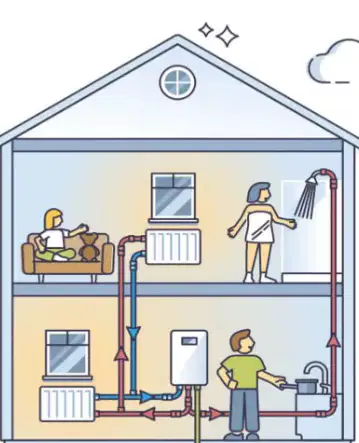
Which type of boiler is depicted in the leftmost house in the diagram?
System Boilers
Regular Boilers
Combi Boilers
Electric Boilers
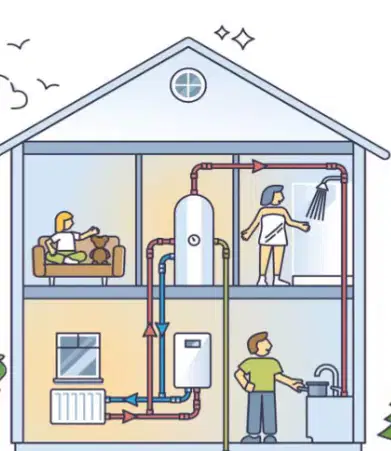
Which type of boiler is depicted in the middle house in the diagram?
System Boilers
Regular Boilers
Combi Boilers
Electric Boilers
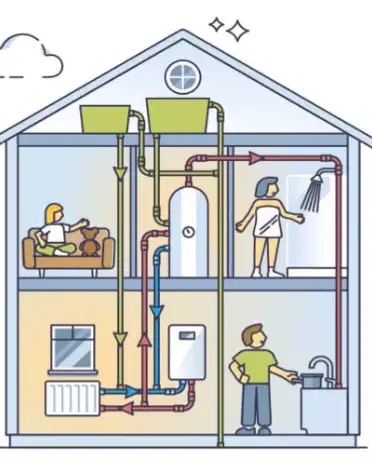
Which type of boiler is depicted in the rightmost house in the diagram?
System Boilers
Regular Boilers
Combi Boilers
Electric Boilers
What forms of gas are typically used in LPG heating systems?
Methane and Ethane
Propane and Butane
Hydrogen and Oxygen
Nitrogen and Helium
Why are LPG boilers suitable for certain properties?
They are cheaper than electric boilers
They are suitable for properties not connected to the gas mains
They are more environmentally friendly
They require less maintenance
What makes LPG a viable alternative for heating in various locations?
Its high cost
Its flexibility and convenience
Its low efficiency
Its complex installation process
What is the primary fuel used in oil type heating systems?
Diesel
Kerosene
Petrol
Naphtha
Which of the following is NOT a characteristic of oil type heating?
Large storage tanks are required
It is environmentally friendly
Oil boilers are expensive
It provides efficient heat output
Approximately how much more expensive are oil boilers compared to gas boilers?
The same price
Half the price
Twice the price
Three times the price
What is the primary energy source for solid mineral fuel heating systems?
Natural gas
Solar power
Coal
Wind energy
Which of the following is NOT a characteristic of solid mineral fuel heating systems?
High soot emissions
Easy to mine
Non-renewable resource
Requires proper maintenance
How long is the current estimated time before solid mineral fuel resources run out?
50 years
100 years
132 years
200 years
What type of materials do biomass heating systems utilize as a fuel source?
Fossil fuels
Organic materials
Nuclear materials
Synthetic materials
Which of the following is NOT a benefit of biomass heating systems mentioned in the text?
Sustainable heating
Reduces carbon emissions
Low upfront costs
Environmentally friendly heating solutions
What has increased the cost of raw materials for biomass heating systems?
Decreased supply
Popularity
Government regulations
Technological advancements
Which of the following is a disadvantage of biomass heating systems?
Low upfront costs
Can be more expensive to run than gas boilers
High efficiency
Low maintenance
What is a key advantage of electric heating systems compared to gas or oil-based heating options?
They are more expensive to install.
They rely on burning fuels.
They are suitable for properties without access to gas or oil.
They are difficult to maintain.
How do modern electric heating systems, such as air source heat pumps, function?
They burn fuels to generate heat.
They take heat from the outside air and condense it into heat for the home.
They use gas to generate heat.
They rely on solar panels to generate heat.
What is the function of the condenser in an air source heat pump system?
To evaporate the refrigerant.
To condense the refrigerant into heat.
To generate electricity.
To cool the air.
What is a ground source heat pump (GSHP)?
A device that extracts heat from the air
A device that extracts heat from the ground
A device that extracts heat from water
A device that extracts heat from solar panels
How efficient can a ground source heat pump (GSHP) be?
Up to 100% efficient
Up to 200% efficient
Up to 300% efficient
Up to 400% efficient
What is one of the benefits of using a ground source heat pump (GSHP)?
Increases your carbon footprint
Reduces your carbon footprint
Increases your energy bills
Reduces the need for insulation
How much more energy does a GSHP transfer into the property as heat compared to the energy it uses to extract it from the ground?
Two times more energy
Three times more energy
Four times more energy
Five times more energy
Why is it important to weigh the advantages and disadvantages of various heating systems?
To understand their unique features
To make informed decisions when choosing a heating system
To know the environmental impact
To compare cost considerations
What is one of the heating systems mentioned that uses a renewable energy source?
Natural Gas
Coal
Biomass
Oil
Which factors are important when choosing a heating system according to the conclusion?
Availability, cost, energy efficiency, and environmental impact
Color, size, brand, and warranty
Design, popularity, and user reviews
Speed, connectivity, and battery life
What does considering the diverse range of heating systems ensure?
Comfort and efficiency in homes and commercial spaces
Lower electricity bills
Increased property value
Better internet connectivity

