
 Worksheets
ENG MANG
Total questions: 93
Worksheet time: 2hrs 33mins
Management is the embodiment of
(a)
is the embodiment of decision-making.
(a)
The process by which managers are compelled to choose from many alternatives is called
(a)
The outcome of this process is the _, from which the manager's next courses of actions are anchored.
(a)
There are two important components to a manager’s decision:
(a)
The _is the knowledge from which a decision is based
(a)
the _refers to the steps taken in coming up with the decision.
(a)
The _is most of the time unique.
(a)
THE DECISION-MAKING PROCESS
(a)
Accept that there is a problem or an opportunity to be decided at.
(a)
The problem or opportunity should be properly defined to make certain that your decision will address the correct problem or opportunity.
(a)
Gather data to structure your knowledge about the problem.
(a)
Make value judgment on the relevance of the sourced information which will be the basis of your possible courses of actions.
(a)
Take into account the consequences of each alternative, listing down both advantages and disadvantages.
(a)
Ethical consequences must likewise be considered
(a)
Decide which course of action to take.
(a)
Plan on how you are going to implement your decision.
(a)
This may involve resources to support the implementation.
(a)
Monitor the implementation of the decision and assess the results for effectiveness.
(a)
This may require realignment of plans when results prove to be wanting.
(a)
Managers make decisions depending on their knowledge of the situation.
(a)
make decisions depending on their knowledge of the situation.
(a)
The environment with which the decision is to be made greatly contributes to the decision including the decision’s outcome.
(a)
The environment with which the decision is to be made greatly contributes to the decision including the _
(a)
This decision environment includes:
(a)
This is the ideal problem-solving and decision-making environment.
(a)
A _ is one where the manager has complete access to all information needed to make an informed decision.
(a)
_exists when information is sufficient to predict the results of each alternative prior to implementation.
(a)
The _can only be known with certainty when the case in question is routinary and repetitive.
(a)
The cause-and-effect relationship can only be known with certainty when the case in question is _
(a)
A _is where the decision maker is not completely certain of the outcomes of different courses of actions but has a good idea on the probabilities of outcomes occurrence.
(a)
When making decisions under this environment, managers have to rely on the probability associated with each alternative based on experience and on what information is available.
(a)
Probabilities can be assigned through objective statistical procedures or intuition.
(a)
_can be assigned through objective statistical procedures or intuition.
(a)
exists when the decision maker have so little or no information at all about the outcomes of alternatives.
(a)
With _, probabilities cannot even be assigned to the possible outcomes so that managers only have to depend on their judgment and experience and a great deal of creativity in coming up with a decision.
(a)
is part and parcel of a manager's life.
(a)
This task is both consciously and unconsciously done by managers in the performance of their duties and responsibilities.
(a)
The end-result will strongly impact the attainment of _...
(a)
A manager’s decision can be classified according to two major types:
(a)
These decisions are based on established policies or procedures in determining the course of action to take.
(a)
These are normally taken to deal with routinary and repetitive situations where the solution is in place and only needs to be acted on.
(a)
With _, decisions can be made in a short time and are consistent.
(a)
The most important decisions that managers make fall into this category.
(a)
When the situation to deal with is unique and is not recurrent in nature, standard responses are not practical.
(a)
With _, managers are required to exert time, energy, and resources to learn how to best approach Situations that are uncertain.
(a)
_ play important roles in the decision-making process.
(a)
This theory has scientific and logical bases and views the manager as acting in a world of complete certainty and is applicable for programmed decision types.
(a)
It uses the “_” model where the economic man is completely rational.
(a)
This theory is idealistic and is not, most of the time, fully practical.
(a)
It may not fit well in a chaotic world.
(a)
Classical Decision Theory The following are the features of the economic man model according to Venkatesh (n.d.):
(a)
This theory threads on acceptance of a world with bounded reality.
(a)
It uses the “_” model with bounded rationality and cognitive limitations.
(a)
In this theory, managers are perceived to be human beings and cannot be fully rational especially when challenged with difficulties.
(a)
In stable settings, this theory may be more appropriate.
(a)
Behavioral Decision Theory Ventakesh (n.d.) further stressed that there are major limitations to a manager's rationality which are:
(a)
However, in dynamic settings the two traditional decision-making theories may not be appropriate which leads us to the “_” model.
(a)
This model views problems, solutions, participants, and choice situations as mixed together in the “garbage can” of the organization.
(a)
The assumption is that organizations are far from perfect and operates without rules.
(a)
The_ change frequently and Is subject to misinterpretations.
(a)
In this model many problems go unsolved
(a)
_is the key element of decision making in risk and uncertain environments.
(a)
_, on the other hand, are used to the simplifications of strategies in making decisions which makes dealing with uncertainty and limited information easier.
(a)
Some of the most common heuristics include:
(a)
It is a type of judgment where the decision is based on the immediate information and events relating to the situation at hand that first come to mind.
(a)
It is a type of judgment where the decision is based on assessments involving similarities of objects or events and categorizing them in a particular mental prototype.
(a)
Decision making is a cognitive process and is prone to _ as influenced by personality and experience.
(a)
mess with objectivity which can affect our judgment.
(a)
Two of the more common cognitive biases are:
(a)
It is the tendency to seek affirmation for what is already thought to be true and discounting evidences in support of differing conclusions.
(a)
Itis the tendency to convince oneself to have accurately predicted the outcome of an event before it happened which can lead to a conclusion that other events can be accurately predicted as well.
(a)
Decisions are best made after thorough consideration of _.
(a)
When _are not clear, managers need to be creative and try new possibilities which involves both reasoning and imagination.
(a)
_is especially important in a dynamic environment that Is full of nonroutine problems in the development of novel responses.
(a)
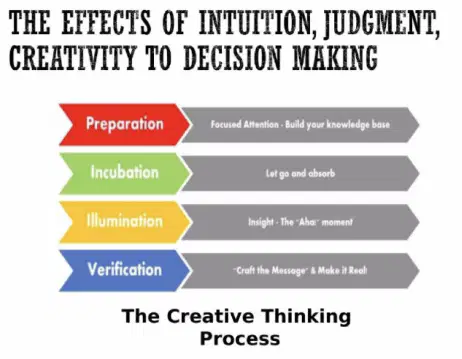
The Creative Thinking Process
(a)
The Creative Thinking Process
(a)
It is the stage where the problem is defined and information is gathered from which the content of the solution is based.
(a)
In this stage, the information gathered in the first stage Is allowed to sink In.
(a)
The mind begins to form associations, filtering out those that are unnecessary to cultivate new thoughts.
(a)
It is in this stage where incubated idea takes shape - the “light bulb” moment - and it usually comes when you are least concerned with the solution.
(a)
It is the final stage where analytical and critical thinking skills are used to evaluate or test if the idea from the illumination stage could work.
(a)
In management, coming up with the best decisions is the _.
(a)
However, there is no such thing as perfect _all of the time.
(a)
You just have to know when to quit in order to eliminate _
(a)
happen when continued effort is given to the implementation of a chosen course of action even when feedback suggests that it is failing.
(a)
Failure in decision making can be attributed to a lot of factors and the most prevalent include:
(a)
The decision as to who will participate in the decision making process can come from one of the following:
(a)
The decision is made by the manager, using information that he/she possess, without involving other people.
(a)
The decision is made by an individual after seeking input from team members.
(a)
The decision is collectively made by all members of the team.
(a)
Following the _ decision making framework, in choosing from among authority, consultative or group methods, managers should analyze the quality requirements, the availability and location of relevant information, the commitments required to implement the decision, and the availability of time.
(a)
In choosing which problem to address, ask yourself and answer the following questions:
(a)

