
 Worksheets
ATC Duty Priority
Total questions: 45
Worksheet time: 23mins

What is the primary purpose of the ATC system?
To prevent collision involving aircraft operating in the system
To maintain safe and efficient aircraft operations
To provide weather updates to pilots
To manage airport ground services

Which of the following is the phraseology used in ATC communication that is neither approval or denial from the controller?
"Able"
"Holdup"
"Stand by (callsign)"
"Stand by"
What are some reasons why additional services can be declined?
Volume of Airspace
Frequency Changes
Quality inside the tower
Controller Overload
Higher Priority Duties
The physical inability lower the radio inside the tower
Volume of Traffic
Frequency Congestion
Quality of Surveillance
Controller Workload
Higher Priority Duties
The physical inability to scan and detect situations in this category
Volume of Aircrafts
Frequency Overload
Quality of Communication
Controller Course
Higher Priority to ATFCO
The physical inability to scan and detect situations in this category
Volume of Traffic
Frequency Congestion
Quality of Surveillance
Controller Workload
Higher Priority Duties
The physical inability to scan and detect situations outside the aircraft

What aircraft are ATC services NOT provided for?
ANY model aircraft and UAS operating at or below 400'
ANY type of aircraft and UAV operating at or below 600'
ANY model aircraft and UAS operating at or below 1000'
ANY model aircraft operating at or below 400'
What is the minimum cruising altittude for a VFR aircraft heading EAST?
2,500 feet
4,500 feet
1,500 feet
3,500 feet
Which of the following is the correct phraseology for an ATC who does not want a pilot to change their frequency but the pilot is expecting or may want a frequency change?
"HOLD THIS FREQUENCY"
"DELAY THIS FREQUENCY"
"REMAIN THIS FREQUENCY"
"STAY THIS FREQUENCY"

What is the phraseology used by ATC to instruct a pilot when you are aware of another aircraft at an altitude that places the pilot in an unsafe proximity?
"TRAFFIC ALERT (call sign)(position of aircraft) ADVISE YOU TURN LEFT/RIGHT (heading)
and/or
CLIMB/DESCEND (altitude)"
"(call sign) TRAFFIC ALERT (position of aircraft) ADVISE YOU TURN LEFT/RIGHT (heading)
and/or
CLIMB/DESCEND (altitude) IMMEDIATELY"
"TRAFFIC ALERT (call sign)(position of aircraft) ADVISE YOU TURN LEFT/RIGHT (heading)
and/or
CLIMB/DESCEND (altitude) IMMEDIATELY"
"TRAFFIC ALERT (call sign) ADVISE YOU TURN LEFT/RIGHT
and/or
CLIMB/DESCEND IMMEDIATELY"

For Procedural Preference, Use Automation procedures in preference to ______
Nonautomation procedures when workload, communications and equipment capabilities permit
Nonradar procedures when workload, communications and equipment permit
Nonautomation procedures when workload, communities and equipment capabilities permit
Nonautomation procedures when workoverload, communications and equipment teams permit

What is the vertical separation for aircrafts operating in RVSM airspace?
3 nautical miles
5000' interval
1000' interval
2000' interval
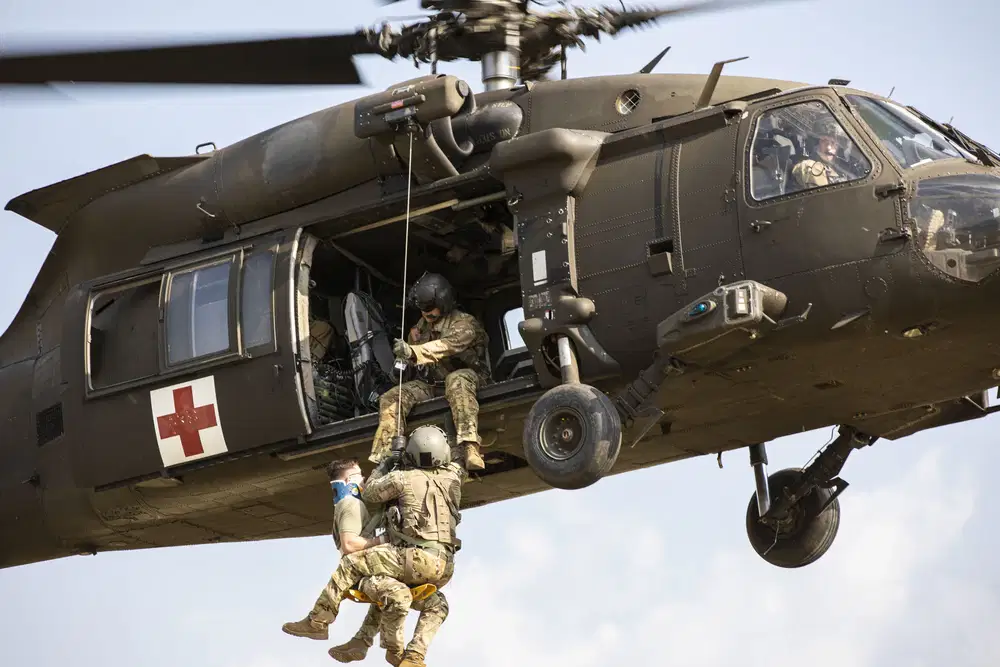
Which of the following is the correct ATC procedure when a pilot requests priority as MEDEVAC?
Verbally state "AIR EVAC"
Verbally state "EMERGENCY"
Verbally state "MEDEVAC"
Don't say anything you have immediate priority as MEDEVAC

What are the additions to the primary purpose of the ATC System?
Provide Safe, On top of it, and Exploritious flow of air traffic
Support National Wellfare and Homeland Defense Missions
Provide Safe, Orderly, and Expeditious flow of air traffic
Support National Security and Homeland Defense Missions
Provide Safe, Orderly, and Expeditious flow of air traffic
Support National Wellness and Homeland Security
Provide Safe, Orderly, and Expeditious flow of aircrafts
Support National Security and Homeland Missions

For Standard Formation flights all the aircrafts will squawk stanby.
TRUE
FALSE
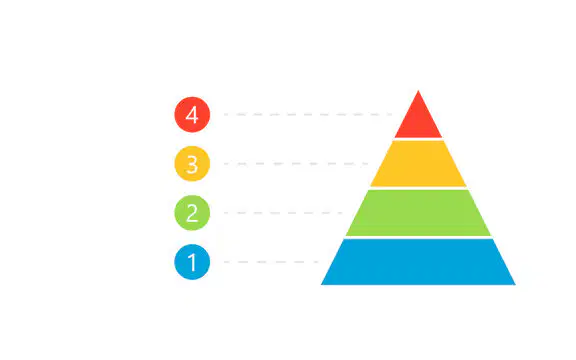
What are the four levels of duty priority?
separating aircraft and issuing safety alerts
provide support to national security and homeland defense activities
providing/soliciting weather information
other services to the extent possible
All The Above
Ground control frequency is what bandwidth?
112.0
111.0
211.0
212.0
121.0
When should you use RADAR separation in preference to NONRADAR separation?
When it will be an operational advantage and when not permitted by:
* Workload
* Communications
* Equipment
When it will be permitted by:
* Workload
* Communications
* Equipment
When it will be an operational advantage and when permitted by:
* Workload
* Communications
* Equipment
When it will be an operational advantage and when permitted by:
* Workload
* Communities
* Equipment

When should you use NONRADAR separation in preference to RADAR separation?
When the situation dictates that an operational advantage will be gained
When the situation dictates that an operational advantage will not be gained
When the situation dictates that an advantage will be gained
When the situation denotes that an operation in the advantage will be gained

What is the order of operational priority?
1. Fallen Hero aircraft
2. Air ambulance flights
3. Presidential aircraft
4. SCOOT aircraft
5. Interceptor Aircraft
6. Search and Rescue aircraft (SAR)
7. Flight Check aircraft
8. IFR over SVFR aircraft
9. Aircraft in distress
1. Presidential aircraft
2. Search and Rescue aircraft (SAR)
3. Aircraft in distress
4. Air ambulance flights
5. Interceptor Aircraft
6. IFR over SVFR aircraft
7. Flight Check aircraft
8. SCOOT aircraft
9. Fallen Hero aircraft
1. Aircraft in distress
2. Air ambulance flights
3. Presidential aircraft
4. Search and Rescue aircraft (SAR)
5. Interceptor Aircraft
6. SCOOT aircraft
7. Flight Check aircraft
8. IFR over SVFR aircraft
9. Fallen Hero aircraft
1. IFR over SVFR aircraft
2. Air ambulance flights
3. Presidential aircraft
4. Search and Rescue aircraft (SAR)
5. Interceptor Aircraft
6. Flight Check aircraft
7. SCOOT aircraft
8. Aircraft in distress
9. Fallen Hero aircraft

How are normal aircraft prioritized?
First come, first served
*VFR does NOT take priority over IFR
First come, first serve
*IFR does NOT take priority over VFR
First come, first save
*IFR does take priority over VFR
First come, last served
*IFR does take priority over VFR
First come, first served
*IFR does NOT take priority over IFR
When should you use the word "immediately"?
When expeditious is to avoid an imminent situation
When expeditious compliance is required to avoid a situation
When expeditious compliance is required to avoid an imminent situation
When expeditious compliance is required to an imminent situation
Should you state why you gave an "immediate" or "expedite" command?
Right away
On the pilots flight plan
Just in time before landing.
Only if time permits

When should you issue a safety alert?
If you are aware the aircraft is in a position that, in your judgment, places it in an unsafe proximity to TERRAIN, OBSTRUCTIONS, or OTHER AIRCRAFT
If you are aware the aircraft is in a position that, in your judgment, places it in an unsafe proximity to TERRARIA, OBSTRUCTIONS, or OTHER AIRSPACE
If you are aware the aircraft is in a position that, in your judgment, places it in an unsafe proximity to TERRAIN, OBSTRUCTIONS, or OTHER AIRSHIP
If you are aware the aircraft is in a position that, in your judgment, places it in an unsafe proximity to TERRAIN, OBSIDIAN, or OTHER AIRCRAFT

When can you stop issuing safety alerts?
When the pilot confirms that action resulted in a succesful landing in the hudson.
When the pilot confirms that action is not being taken to resolve the action
When the pilot confirms that action is being taken to resolve the action
When the pilot confirms the tower solved the action

Who has the final say if action will be taken during the issuance of a safety alert?
ARTCC
The Tower
Your Instructor
The Pilot
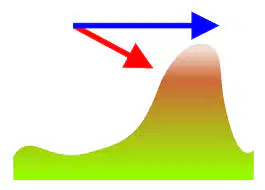
What is a Terrain/Obstruction Alert?
A type of safety alert that should be issued immediately if you recognize an aircraft is at an altitude that, in your opinion, places it in unsafe proximity to terrain and/or obstruction
What is the phraseology for a Terrain/Obstacle Alert?
"LOW ALTITUDE ALERT (call sign), CHECK YOUR ALTITUDE TURN LEFT/RIGHT"
"(call sign) LOW ALTITUDE ALERT, CHECK YOUR ALTITUDE IMMEDIATELY"
"TERRAIN ALERT (call sign) CHECK THE NEARBY TERRAIN, DESCEND IMMEDIATELY "
"LOW ALTITUDE ALERT (call sign), CHECK YOUR ALTITUDE IMMEDIATELY"
What is a Aircraft Conflict/Mode C Alert?
Aircraft Conflict/Mode C Alert is a situation where two or more aircraft are on a collision course or are too far from each other, triggering a Mode C alert which indicates the altitude of the aircraft.
A type of safety alert that should be immediately issued if a situation where an aircraft is experiencing engine failure
A type of safety alert that should be immediately issued in a situation where two aircraft are communicating effectively
A type of safety alert that should be immediately issued if an aircraft if you are aware of another aircraft at an altitude that places them in an unsafe proximity. If time allows, give a course of action.
What word should follow safety alerts?
Immediately
Immediate
Stand by for further clearance
Immediately (call sign)
How do you control formation flights?
As a primary aircraft
As an induvidual aircraft
As a single aircraft
As a flight lead aircraft
When can you support the join-up of a formation?
1. When requested by any civillian
2. When all pilots involved concur
3. When any of the pilots report each other in sight
1. When requested by any participating pilot
2. When all pilots involved concur
3. When any of the pilots report each other in sight
1. When requested by any participating pilot
2. When all pilots involved concur
3. When any of the pilots report a danger
1. When requested by any participating pilot
2. When all pilots tilt wings
3. When any of the pilots report each other in sight
How do aircraft in a NONSTANDARD formation squawk to ATC?
Each aircraft should squawk separately but ATC can have all non-lead aircraft squawk standby if operationally advantagous
Each aircraft should squawk together but ATC can have all non-lead aircraft squawk standby if operationally advantagous
Each aircraft should squawk separately but ATC can have the lead aircraft squawk standby if operationally advantagous
Each aircraft should squawk separately but ATC can have all non-lead aircraft squawk beacon code assigned by ATC if operationally advantagous
How do you support the breakup of a formation?
Issue instructions through the lead aircraft and directly to the aircraft requesting to together
Issue instructions through the other aircraft or directly to the aircraft requesting to separate
Issue instructions through the lead aircraft or directly to the aircraft requesting to separate
Issue instructions through the lead aircraft and to the airship requesting to break up
Who is responsible for separation between aircraft within a formation including during transition periods like join-up and break-away?
individual pilots
The flight leader or individual pilots
The flight leader
The flight leader and individual pilots

When will you do a controlled transfer of an aircraft?
At a prescribed Flight, Location, Altitude, or Time
At a prescribed Fix, Location, Altitude, or Time
At a prescribed Fix, Location, Altitude, or Temp
At a prescribed Fix, Location, Altimeter, or Time
When can you officially transfer control of an aircraft?
Only DURING eliminating any potential conflict with other aircraft for which you have separation responsibility
Only BEFORE eliminating any potential conflict with other aircraft for which you have separation responsibility
Only AFTER eliminating any potential conflict with other aircraft for which you have separation responsibility
Only AFTER eliminating any potential conflict with other airship for which you have seperated their ability
When can you officially assume control of an aircraft?
Only AFTER it is in your area of jurisdiction unless specifically communicated by the Commanding Officer
Only AFTER it is in your area of jurisdiction unless specifically coordinated
Only AFTER it is in your area of play unless specifically coordinated
Only DURING it is in your area of jurisdiction unless specifically coordinated
When do you transfer radio communications between ATC facilities?
BEFORE an aircraft enters the receiving controller's jurisdiction
AFTER an aircraft enters the receiving controller's jurisdiction
BEFORE an aircraft leaves the receiving controller's jurisdiction
BEFORE an airship enters the receiving towers jurisdiction
When can you omit the location (Time, Fix, Altitude) when transferring radio comms?
When compliance is operationally advantegous
When expedited upon recieving comms
When compliance is expected upon receipt
When compliance is expected upon receipt
What do you include in a wake turbulence advisory?
Position
Altitude if known
Direction of airspace
Presidential
Altitude if known
Direction of flight
Position
Altitude if known
Direction of flight
Position
Altimeter if known
Direction of flight
How long are bird activity advisories good for?
30 Minutes
25 minutes
5 minutes
15 minutes
What CFR is used for operating near other aircraft?
Who is NOT allowed to fly in formation?
Any aircraft who is carrying passengers for hire
What CFR is used for Right-of-Way Rules?
CFR 91.113
CFR 91.111
CFR 91.331
CFR 91.212
Who has right-of-way over ALL other air TRAFFIC?
AF1
MEDEVAC
Aircraft in distress
Who has right of way for two aircraft of the same category who are converging on the same spot OTHER THAN head on?
The aircraft to the right
The aircraft to the side
The aircraft that's going around back
The aircraft to the left
While landing, which aircraft has the right of way?
The one on final approach
The aircraft overtaking
The one with the lowest altitude
The aircraft coming in on approach

