
 Worksheets
SCIENCE
Total questions: 120
Worksheet time: 4hrs 46mins
What is science?
Skeletal System: What part of the skeletal system protects the brain?
spine
ribs
sternum
skull
Skeletal System:What part of the skeletal system protects the heart and lungs?
thorax
skull
spine
muscles
Skeletal System: Bones store materials such as fat, _____________ and other minerals for later use.
heart
calcium
lungs
iron
Skeletal System: Larger bones of the skeletal system contain bone ___________.
oxygen
heart
skull
marrow
Skeletal System: The skeletal system provides a ______________ and attachment point for muscles, tendons, ligaments, skin and organs.
framework
leg
skull
marrow
Skeletal System: What bone in the legs bears the weight of the upper body?
tibia
humerus
femur
spine
Skeletal System: The spinal column makes the body straight and supports the _______.
heart
thorax
marrow
head
Skeletal System: The skeletal system provides a framework for __________ to attach.
lungs
muscles
femur
weight
Skeletal System: What type of joint at the knee enables it to move back and forth?
hinge
ball and socket
screw
lever
Skeletal System: What type of joint does the hip have?
lever
hinge
ball and socket
none of the above
Circulatory System: Veins are blood ________ that transport blood from various regions of the body back to the heart.
vessels
oxygen
waste
ventricles
Circulatory System: The Superior ________ ________ is a vein that carries deoxygenated blood from the upper half of the body.
Vena Cava
Aorta
ventricles
deoxygenated vessels
Circulatory System: Arteries are blood _____.
bones
waste
muscles
vessels
Circulatory System: What is the largest artery in the body?
Aorta
ventricle
Superior Vena Cava
atria
Circulatory System: The Aorta passes over the _____ from its left ventricle and runs down the center of the body in front of the backbone.
skull
feet
brain
heart
Circulatory System: The heart is a __________ pump that circulates blood throughout the body.
muscular
skeletal
circular
deoxygenated
Circulatory System: Select ALL of the materials below that are carried in blood.
oxygen
glucose
waste
carbon dioxide
Circulatory System: Capillaries are _____, thin blood vessels that are found throughout the body.
large
body
small
heart
Circulatory System: Where are capillaries found?
all throughout the body
only in the feet
only in the brain
only in the heart
Circulatory System: Select ALL the things capillaries do?
deliver nutrients and oxygen to tissues
remove waste created during cellular processes
pump blood all throughout the body
none of the above
Respiratory System: What is the main external opening for the respiratory system?
nose
lungs
windpipe
heart
Respiratory System: What enters and exits the body?
air
blood
bronchi
muscle
Respiratory System: What are the main passageways into the lungs?
alveoli
hiccups
windpipe
bronchi
Respiratory System: What is the trachea also known as?
cartilage
lungs
windpipe
mouth
Respiratory System: The diaphragm is the most important __________ in the respiratory system.
bronchi
trachea
muscle
oxygen
Respiratory System: The trachea is made of rings of ________.
cartilage
oxygen
hiccups
lungs
Respiratory System: What is the primary organ in the respiratory system?
heart
lungs
kidneys
liver
Respiratory System: Our lungs take in ________ and expel carbon dioxide.
oxygen
bronchioles
carbon dioxide
blood
Respiratory System: The alveoli are tiny _________ in the lungs that allow oxygen and carbon dioxide to move between the lungs and the bloodstream.
bronchi
air
hiccups
sacs
Respiratory System: Spasms of the diaphragm cause ___________.
cough
air
hiccups
breathing

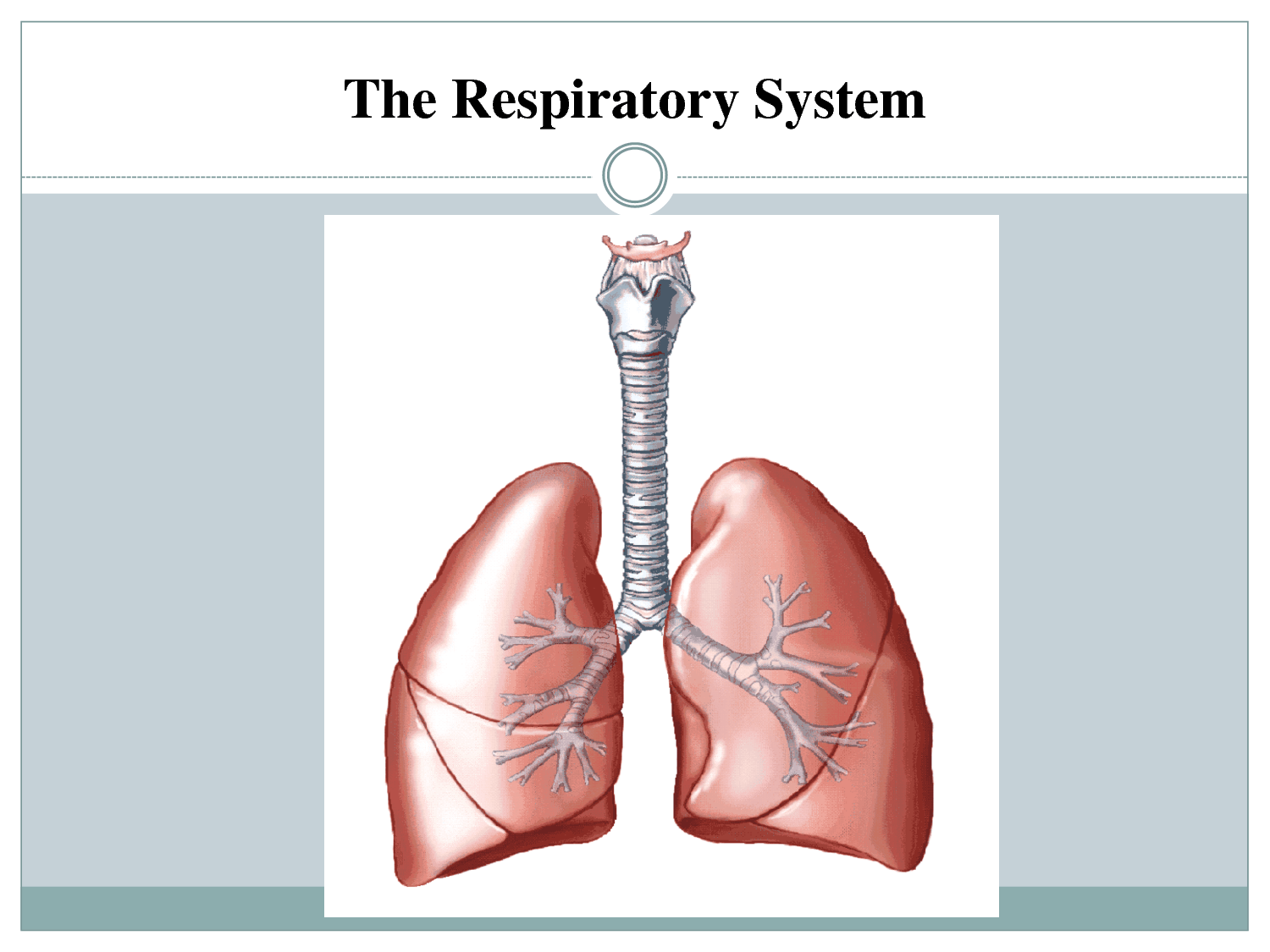
This organ is the...
lung
heart
blood vessel
trachea

These are the...
heart
blood vessels
lungs
trachea

This is the...
heart
lung
blood vessel
trachea

These are the...
alveoli
lungs
heart
blood

These are the...
trachea
bronchi
heart
alveoli
The nose...
warms the air and the little hairs clean it.
exchanges oxygen and carbon dioxide.
pumps the blood.

These are the...
heart
blood vessels
lungs
bronchi

The blood...
carries oxygen and nutrients around the body.
is like a tube.
pumps the blood to every part of the body.
exchange oxygen and carbon dioxide.

Blood vessels...
are like tubes that carry blood.
pump the blood.
exchange oxygen and carbon dioxide.
take the air from the nose to the lungs.

The lungs...
are like big sacks.
pump blood to every part of the body.
are like tubes that carry blood.
carries oxygen and nutrientes around the vody.

Our cells need.................. to work.
food and shelter
oxygen and nutrients
breakfast and pasta
hugs and kisses
The trachea...
is a tube that takes the air from the nose to the bronchi.
takes the blood to every part of the body.
is a little sack.
The alveoli...
carry blood around the body.
take the air from the nose to the lungs.
exchange oxygen and carbon dioxide.
is a muscle that pumps blood.
When we rest or sleep, our heart beats...
faster
slower
The purpose of the this body system is to break down the food that you eat. Your body absorbs nutrients from healthy food to help you grow and stay strong.
digestive system
muscular system
circulatory system
skeletal system
The purpose of this body system is to move your body. It moves small muscles such as the ones that make your heart beat or eyes blink. It also moves large muscles such as the ones in your back that help you to stand tall.
digestive system
muscular system
circulatory system
skeletal system
The purpose of this body system is to give our bodies shape and strength and protect the organs that are on the inside. Without this body system, we would not be able to stand up!
digestive system
muscular system
skeletal system
circulatory system
The purpose of this body system is to bring oxygen into your body. Breathing sends oxygen to all parts of your body. Breathing is necessary for humans and animals to live.
digestive system
respiratory system
skeletal system
muscular system
This body system is like the body’s control center. It is the path that your brain uses to send and receive signals. These signals tell your body what to do and how to move.
respiratory system
muscular system
nervous system
circulatory system
This body system is responsible for pumping blood to all the different areas of our bodies.
digestive system
muscular system
skeletal system
circulatory system
Your heart is the main part of what body system?
digestive system
muscular system
circulatory system
skeletal system
This body system is made up of 3 parts: brain, spinal cord and nerves.
digestive system
nervous system
circulatory system
skeletal system
Your lungs are the main part of what body system?
respiratory system
muscular system
circulatory system
skeletal system
Your skull, ribcage, and joints are the main parts of what body system?
respiratory system
muscular system
circulatory system
skeletal system
Your stomach, small intestine, and large intestine are the main parts of what body system?
respiratory system
muscular system
digestive system
skeletal system
Skeletal muscles, smooth muscles, and cardiac muscles are all part of what body system?
respiratory system
muscular system
digestive system
skeletal system
The human body is a complex biological system involving cells, tissues, organs, and systems all working together to make up a human being.
True
False
Your body couldn’t breathe without this system. Which one is it?
Respiratory system
Circulatory system
Digestive system
A dome shaped sheet of muscle, the _________, separates the chest from the abdomen
diaphragm
epiglottis
alveoli
bronchial tubes
The tubes that go from the trachea into the lungs
alveoli
diaphragm
epiglottis
bronchial tubes
A flap of tissue that closes when we eat so food doesn't not go down the trachea
larynx
pharynx
trachea
epiglottis
_______ is known as the voice box
windpipe
larynx
pharynx
epiglottis
The gas known as _______ is needed to stay alive and properly.
oxygen
carbon dioxide
nitrogen
helium
What is the main bone structure that protects the lungs?
Vertebrae
Rib cage
Skull
Pelvis

The process of ________ is when your diaphragm moves downward and your ribcage moves up and out.
talking
exhalation
sleeping
inhalation
Which organs transport air? (More than one answer)
Trachea
Nasal Passages
Pharynx
Bronchioles
Bronchi
Which organ performs the function of speech and sound for our respiratory system?
Pharynx
Larynx
Mouth
Lungs

What is the function of the bronchi?
Transport air from nose to lungs
Transport air from trachea to bronchioles
Transport air from nose to alveoli
What is the main bone structure that protects the lungs
Vertebrae
Rib cage
Skull
Cartilage

Organ that contains alveoli, bronchioles, and bronchi.
Diffuse
Kidney
Drake
Lungs
Tiny hairlike structures that is present in your nose and in the most other part of the respiratory system.
larynx
alveoli
cilia
diaphragm
Which one is the skeletal system?


Which one is the muscular system?
Which one is the digestive system?

Which of the following is NOT what the skeletal system does?
Support our body
Takes air into and removes air from our body
Gives our body shape
Protects the delicate organs in our body

We have only one lung.
True
False

This is the picture of our heart.
True
False

________ protects our heart and lungs.
Rib cage
Skull
Joints
Backbone

_____ system and _____ system working together to help us move.
Digestive, skeletal
Respiratory, muscular
Circulatory, digestive
Skeletal, muscular

_____ system is made up of the heart, blood vessels, and blood.
Digestive
Respiratory
Circulatory
Muscular

Working out makes our ______ stronger.
intestine
muscle
mouth
muscular

Which organ system is directly affected when there is haze?
Skeletal system
Muscular system
Respiratory system
Circulatory system

The windpipe belongs to the respiratory system.
True
False
In which organ systems that we can find the lungs?
circulatory system
skeletal system
respiratory system
muscular system

When we have cold, which organ systems that affected?
circulatory system
muscular system
skeletal system
respiratory system
Our bones are connected by _________.
Skull
Ribs
Joints
Backbone


What is the most important job of the muscular system?
To help you move
To give your body shape and protect your organs
To break down food
To help you breathe
What is the function of large intestine in our digestive system?
It absorbs digested food
It produces digestive juices
It removes water from the undigested food
It breaks down food into simpler substances

The picture above represents which system?
Skeletal
Circulatory
Digestive
Respiratory
Digestion does not occur in the _______________.
mouth
gullet
stomach
small intestine

The food I eat goes down my gullet to my __________.
Bladder
Kidney
Stomach
Big Toe

My small ___________ breaks down the food so my body can use it for energy.
intestine
kidneys
stomach
bladder
What are the advantages of having a long small intestine?
A: This provides more time for digestion of food
B: This provides more time for absorption of food into the bloodstream
C: This provide more time for the absorption of water from the undigested food
A and B only
A and C only
B and C only
A, B and C

Which one of our body systems consists of the lungs?
Respiratory
Circulatory
Muscular
Skeletal
There are many capillaries in the wall of the small intestine. These capillaries have walls that are only one-cell thick.
Why is it important for these capillaries to have very thin walls?
This is to carry digestive juices to other digestive organs.
This allows undigested food to enter the large intestine.
This allows digestive juices to get into the blood easily.
This allows the digested food to pass through their thin walls easily.

What will happen if the small intestine of a patient has to be removed?
All kinds of food will be digested.
All kinds of food will not be stored temporarily
Watery waste will be passed out.
More food will not be digested and the digested food will not be absorbed into the bloodstream.

