
 Worksheets
6th Grade TRIMESTRAL
Total questions: 89
Worksheet time: 42mins
Escribe el pasado del siguiente verbo: study
(a)
Escribe el pasado del siguiente verbo: stop
(a)
Escribe el pasado del siguiente verbo: live
(a)
Escribe el pasado del siguiente verbo: finish
(a)
Escribe el pasado del siguiente verbo: enjoy
(a)
Escribe el pasado del siguiente verbo: rob
(a)
Escribe el pasado del siguiente verbo: tidy
(a)
Escribe el pasado del siguiente verbo: allow
(a)
Escribe el pasado del siguiente verbo: bake
(a)
Escribe el pasado del siguiente verbo: cry
(a)
Escribe el pasado del siguiente verbo: destroy
(a)
Escribe el pasado del siguiente verbo: guess
(a)
Escribe el pasado del siguiente verbo: Like
(a)
Escribe el pasado del siguiente verbo: Obey
(a)
Escribe el pasado del siguiente verbo: Print
(a)
Selecciona la opción correcta:
El pasado simple del verbo ESTUDIAR es:
Stuyed
Studied
Stuid
Studyed
Conjuga la siguiente palabra en pasado:
WAIT
waited
watied
waitted
Conjuga la siguiente palabra en pasado:
CLOSE
closied
closeed
closed
Conjuga la siguiente palabra en pasado:
Call
Caled
Called
Callled
Conjuga la siguiente palabra en pasado:
FRY
Fried
Fryed
Conjuga la siguiente palabra en pasado:
FIX
Fixed
Fixxed
Fixied

¿Qué se añade al final de un VERBO REGULAR para convertirlo en pasado?
ER
ED
ING
ES

¿Cuál de los siguientes verbos es un VERBO REGULAR?
SAW
WENT
PLAYED
FORGOT
Jump : is regular or irregular verb
Regular
Irregular
Regular and Irregular
Neither option
Past form of: Listen
Listent
Listened
Loose
Lisen

What did you do after school yesterday?
I play the piano
I played the piano
I pliyed the piano
You played the piano.

Did you use the computer last Monday?
Yes, I don't.
No, you didn't
Yes, yes.
Yes, I did.

Last Wednesday after school I _________ home
walk
walked
talked
talk

I ______ read a book last month.
didn't
did
walked
listened

Yesterday he __________ late at school.
listened
walked
arrived
started

Last Saturday you ________ use the computer.
did't
don't
do
didn't

Last Monday I _________ play the guitar with my friends.
payed
did
don't
didn't

______ she _______ to music last week?
Does , play
Did, listened
Did, listen
Does, listen

Did they play the guitar last weekend?
Yes, they did.
Yes, he did.
Yes, the didn't.
No, they did

Did we talk to friends at school yesterday?
Yes, yes.
No, we didn't.
No, we don't.
No, we want.

You didn' t _________ TV yesterday night.
listened
play
watch
watched

Last Sunday the film __________ at twenty-five to seven in the evening.
walk
walked
start
started

Yesterday morning they didn't ________ to eat a sandwich.
walked
arrived
wanted
want

_______ we play the violin last weekend? No, we ________.
Did, didn't
Do, don't
Does, doesn't
Did, did

Yesterday afternoon, when I _________ home I ______ my homework.
eat, do
played, do
watch, did
arrived, did
LA ESTRUCTURA DE PASADO SIMPLE EN SU FORMA AFIRMATIVA ES:
SUJETO + VERBO INFINITIVO + COMPLEMENTO
SUJETO + VERBO EN PASADO + COMPLEMENTO
SUJETO + VERBO +COMPLEMENTO
SUJETO + VERBO EN PRESENTE + COMPLEMENTO
EN INGLÉS, ¿QUÉ SE LE AGREGA AL VERBO REGULAR PARA PONERLO EN PASADO?
ING
EDD
ED
ES
WHICH OF THESE SENTENCES IS IN SIMPLE PAST?
SHE LIKES TO SIT IN THE SUN
YOU WORK VERY HARD
I LIKE PIZZA
I FINISHED MY HOMEWORK
LA ESTRUCTURA DEL PASADO SIMPLE EN SU FORMA NEGATIVA ES:
ARTÍCULO + DIDN'T + VERBO INFINITIVO + SUJETO
SUJETO + DIDN'T + VERBO EN FORMA SIMPLE + COMPLEMENTO
¿CUÁL ES EL PASADO DE LA PALABRA ANSWER?
ANSWERED
ANSWEREED
ANSWERING
ANSWEREDD
WHAT IS THE PAST OF THE VERB ADD?
ADDED
ADDS
ADED
ADDEDED
WHAT IS THE PAST OF THE VERB CARRY?
CARRIED
CARRYEDS
CARRYED
LOS VERBOS REGULARES QUE TERMINAN EN -Y- SE LES QUITA LA -Y- Y SE LES AGREGA LA TERMINACIÓN...
ING
S
IES
IED
THE PAST OF THE VERB GO IS:
GOES
GOESED
WENT
GONE
WHAT IS THE INTERROGATIVE FORM OF THE SENTENCE "BAILASTE TODA LA NOCHE"?
DID YOU DANCED ALL NIGHT?
YOU DID NOT DANCES ALL NIGHT?
DO YOU DANCE ALL NIGHT?
DID YOU DANCE ALL NIGHT?
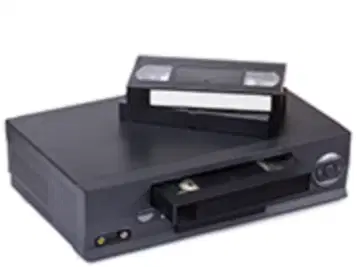
What is this?
VCR
Record Player
Typewriter
Film camera
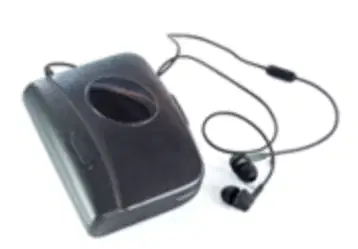
What is this?
Personal cassette player
Typewriter
Record Player
VCR
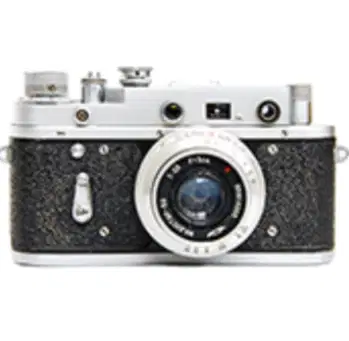
What is this?
Record Player
VCR
Film camera
Typewriter
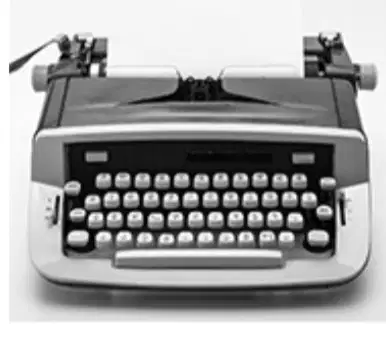
What is this?
Typewriter
VCR
Record Player
Personal cassette player
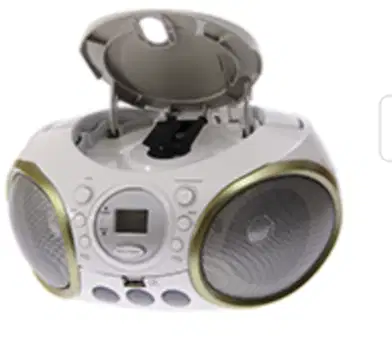
What is this?
CD player
Film camera
Typewriter
Personal cassette player
¿Cómo se construye la forma comparativa de los "short adjectives"?
Se añade antes de la palabra "more".
Se agrega al final la terminación "er".
Se añade la terminación "est".
Un adjetivo comparativo sirve para:
Mostrar la superioridad de una cosa sobre las otras
Ver las diferencias entre dos cosas
Calificar al verbo
¿Cuál es la forma correcta del comparativo para "Tall"?
Tall
Taller
Tallest
¿Cómo se escribe en Inglés "El león es más rápido que el elefante"?
The lion is more fast than the elephant.
The lion is faster than the elephant.
The lion is fast than the elephant.
COMPARATIVE OF "OLD"
(a)
COMPARATIVE FORM OF "INTELLIGENT"
More intelligent
intelligenter
COMPARATIVE FORM OF "BEAUTIFUL"
beautifuler
More beautiful
COMPARATIVE FORM OF "HAPPY"
More happy
Happyer
Happier
"intelligent" es un...
short adjective
long verb
long adjective
short adverb
¿Qué oración es correcta?
The elephant is intelligenter than the crocodile.
The elephant intelligent the than crocodile.
The elephant is more intelligent the crocodile.
The elephant is more intelligent than the crocodile.
Selecciona el comparativo que está construido de manera INCORRECTA
sensitive - more sensitive
heavy - heavier
big - biger
fast - faster
¿Cómo se construyen comparativos para adjetivos con dos o más sílabas?
Se añade la terminación -er
Se añade la palabra the antes del adjetivo, y la terminación -est
Se repite la última consonante y se añade la terminación -er
Se añade la palabra more antes del adjetivo
Cuando el adjetivo termina con -y , ___________ y ___________
Se agrega la palabra "the" al principio y la terminación "-er" al final
Se agrega la palabra "more" al principio y el adjetivo se queda igual
Se remueve la "-y" y se agrega la terminación "-ier"
Se remueve la "-y" y se agrega la terminación "-iest"
The horse is ............................ than elephant.
further
faster
more fast
fast
English class is __________ than Math
easier
easiest
more easy


¿Qué comparativo se puede usar según la imagen ?
Ugly
Dangerous
Beautiful
He is stronger than she is.
Ella es más fuerte que él.
Él es más alto que ella.
Él es más fuerte que ella.
Heo iso strongero thano sheo iso.

Tiger is _________________than a bull
most dangerous
dangerous
more dangerous
Un adjetivo comparativo sirve para:
Mostrar la superioridad de una cosa sobre las otras
Ver las diferencias entre dos cosas
Calificar al verbo
¿Cuál es la forma correcta del comparativo para "Tall"?
Tall
Taller
Tallest
The most tall
¿Cómo se construyen comparativos para adjetivos de una sílaba?
Se agrega al final la terminación "-er"
Se repite la última consonante y se añade la terminación "-er"
Se añade la terminación "-est"
Se añade al principio la palabra "The" y al final la terminación "-er"
¿Cómo se construyen comparativos para adjetivos con dos o más sílabas?
Se añade la terminación -er
Se añade la palabra the antes del adjetivo, y la terminación -est
Se repite la última consonante y se añade la terminación -er
Se añade la palabra more antes del adjetivo
Cuando el adjetivo termina con -y , ___________ y ___________
Se agrega la palabra "the" al principio y la terminación "-er" al final
Se agrega la palabra "more" al principio y el adjetivo se queda igual
Se remueve la "-y" y se agrega la terminación "-ier"
Se remueve la "-y" y se agrega la terminación "-iest"
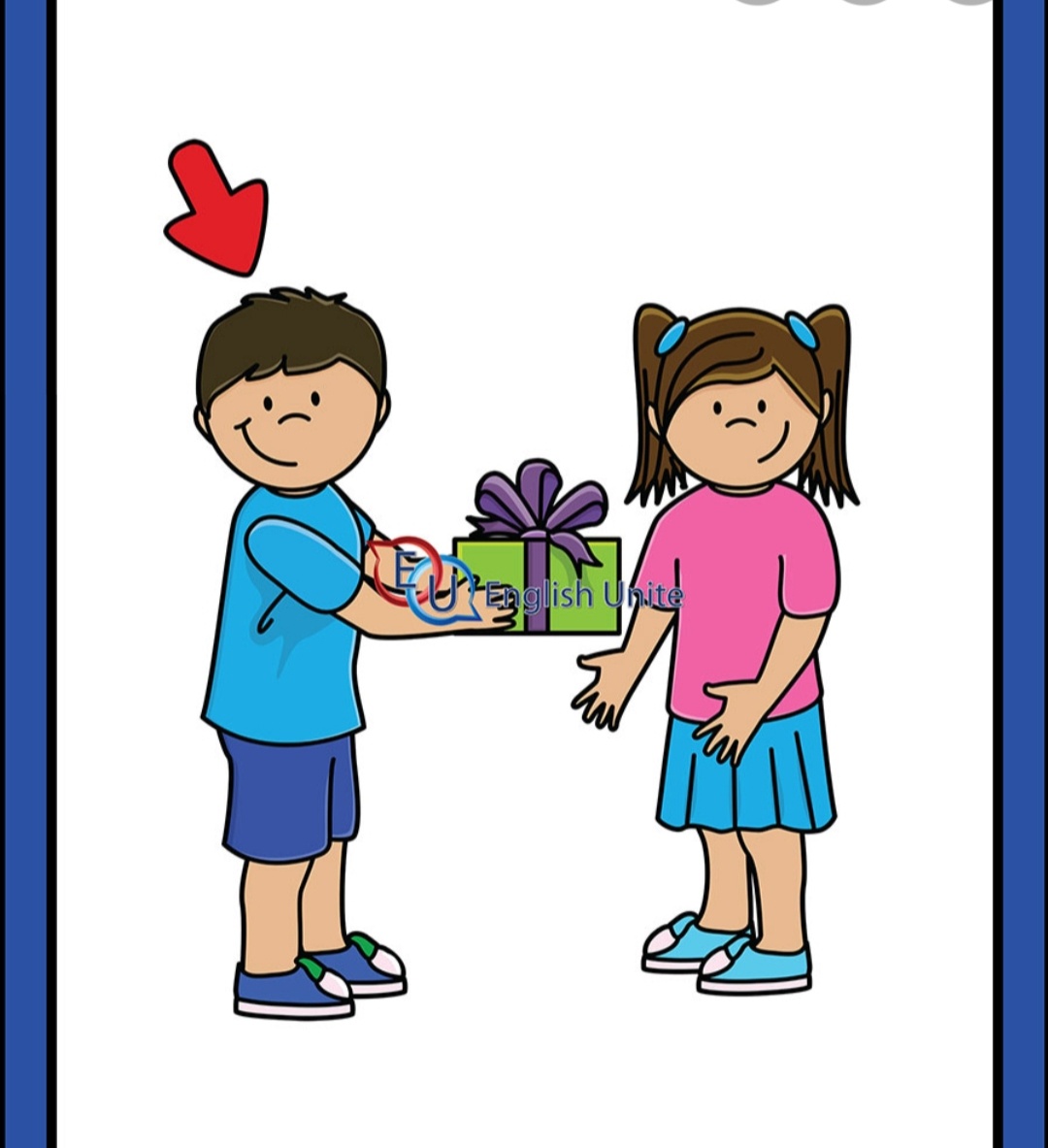
Complete the sentences: He is ______ than Mary.
tall
tallers
taller
tallier
What is the comparative of "GOOD" ?
Better
Goodier
Gooder
Goodest
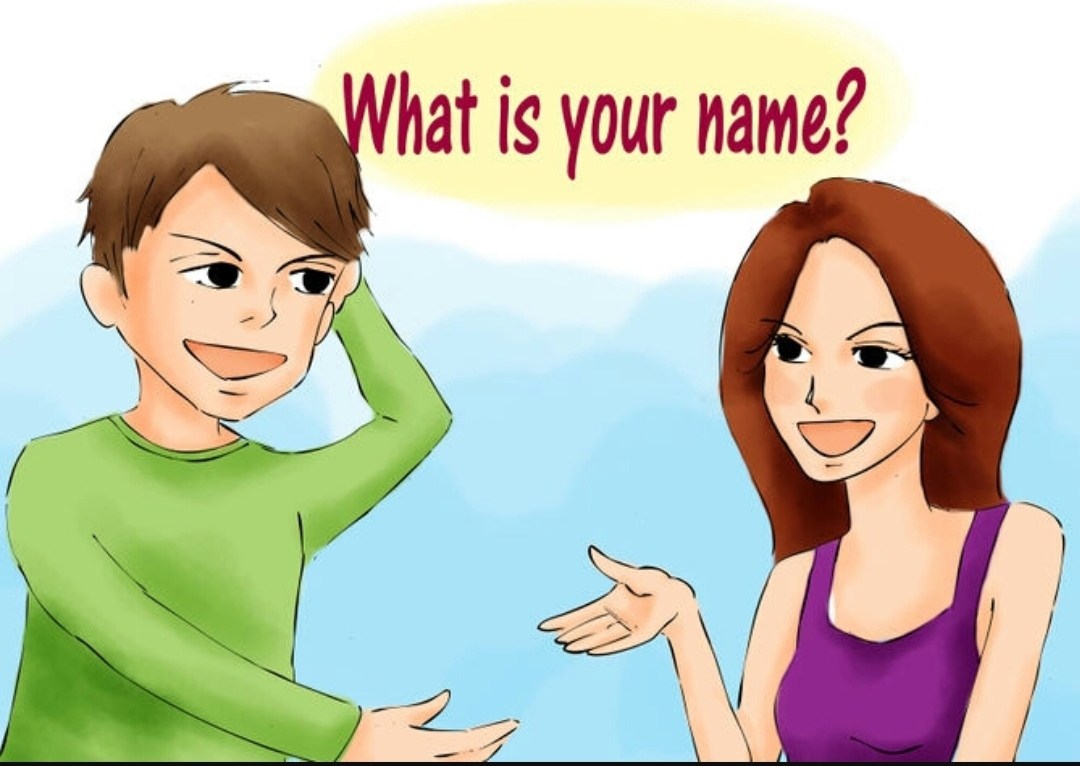
Look at picture and choose the Comparative: Friendly
friendliest
friendlier
friends
more friendly
The compartive form of interesting is:
the more interesting
interestinger
more interesting
Carlos is ___________ than Luis
short
shortest
shorter
more short
Salsa is _______________ than romantic music
happier
more happy
happiest
English class is __________ than Math
easier
easiest
more easy
Your brother is _______________ than me
fater
faters
fatter

