
 Worksheets
Woodworking planes Quiz
Total questions: 32
Worksheet time: 16mins
What is the range of cutting angles for block planes?
10°to15°
20°to12°
20°to15°
15°to10°
What does the cutting angle of block planes enable them to do?
Cut through metal
Cut end grain
Cut plastic
Cut softwood

What is the smallest of the hand planes?
Jack plane
Smoothing plane
Block plane
Jointer plane
How should the smoothing plane be used to achieve a clean smooth finish with no plane marks showing?
By using one hand only
By using both hands
By using it at an angle
By using it with a rough surface
What is the length range of a jack plane?
250mm to 300mm
350mm to 380mm
400mm to 450mm
500mm to 550mm
What is the primary use of a jack plane?
Cutting wood into small pieces
Smoothing rough surfaces
Removing waste from doors prior to hanging
Drilling holes in wood
How does the blade width of a jack plane compare to a smoothing plane?
It is narrower
It is wider
It is the same
It is adjustable
What is the length range of the try plane?
300mm to 450mm
450mm to 600mm
600mm to 750mm
750mm to 900mm
What is the primary use of the try plane?
Cutting wood into small pieces
Drilling holes in wood
Smoothing long edges of timber
Painting wood surfaces
What is the general blade width of the try plane?
30mm
45mm
60mm
75mm
Why is the length of the try plane important?
It helps to cut wood faster
It makes the surface as level as possible
It allows for more precise drilling
It reduces the weight of the tool
What is the primary use of a bull nose plane?
Cutting large pieces of wood
Cleaning out housing joints, rebates, and stopped chamfers
Sanding wood surfaces
Drilling holes in wood
Where is the blade located on a bull nose plane?
At the back of the tool
In the middle of the tool
Very close to the front of the tool
On the side of the tool
What is the range of cutter widths for a bull nose plane?
5mm to 15mm
10mm to 28mm
20mm to 35mm
15mm to 25mm
What feature do some bull nose planes have to allow the blade to get into corners?
Adjustable handle
Removable front end
Extendable blade
Interchangeable cutter heads
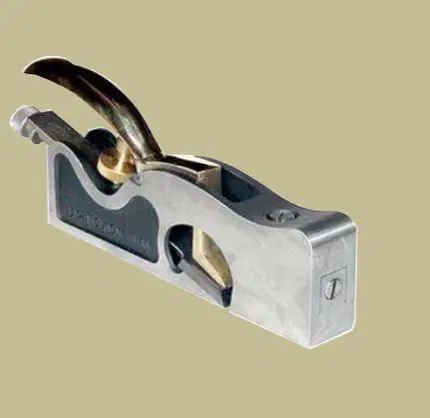
What is the primary use of a shoulder plane?
Cutting dovetail joints
Smoothing large surfaces
Working on the shoulders of tenon joints
Drilling holes
What is the blade width of a shoulder plane?
10mm
15mm
20mm
25mm
What is the primary use of a rebate plane?
Rebating timber and cleaning rebates up
Cutting metal sheets
Drilling holes in wood
Sanding wooden surfaces
How wide is the blade of a rebate plane?
25mm
37mm
50mm
60mm
At what angle is the guide fence for the blade of a rebate plane set?
30° to 35°
40° to 45°
55° to 60°
65° to 70°
What is the primary use of a Plough plane?
Cutting grooves for panels
Sanding wood surfaces
Drilling holes
Painting wood
What is the range of blade widths available for a Plough plane?
1mm to 5mm
3mm to 12mm
5mm to 15mm
2mm to 10mm
What feature does a Plough plane have?
A handle
A fence
A motor
A laser guide
What types of cutters can a Plough plane come with?
Circular and triangular
Square and shaped
Flat and round
Hexagonal and octagonal

What is a spokeshave designed for?
Cutting metal
Flat or curved woodworking
Painting surfaces
Drilling holes
How is a spokeshave typically used?
With one hand
By pushing the tool along the wood with two hands
By pulling the tool towards you with one hand
By rotating the tool in a circular motion
What are the two main types of spokeshave faces?
Round face for concave surfaces and flat face for convex surfaces
Square face for flat surfaces and round face for curved surfaces
Triangular face for angled surfaces and round face for curved surfaces
Flat face for concave surfaces and round face for convex surfaces
What is the range of cutter widths for a spokeshave?
20mm to 50mm
30mm to 70mm
50mm to 100mm
60mm to 120mm
What will you be shown a video on during the plane exercise?
How to take a smoothing plane apart and how to re-assemble it
How to fly a plane
How to build a model airplane
How to paint a plane
What will you be asked to do after watching the video?
Write an essay on the video
Demonstrate what you have observed
Draw a diagram of a plane
Take a written test
How will you be working during the plane exercise?
Individually and untimed
In teams and timed
In pairs and untimed
Individually and timed
What might you wish to do with the video?
Watch it only once
Watch it on more than one occasion
Ignore it
Take notes on it

