
Font size
 Worksheets
New PFLE unit 1 review
Total questions: 25
Worksheet time: 17mins

Blane decides to go to the movies instead of going to work. The option that Blane did not choose is known as...
Alternative factor
Opportunity Cost
Additional Benefit
Factor of Production

Which point on the graph represents "underutilization of the economy?"
A
B
F
E

Which point is not possible today but could be possible in the future?
A
B
F
E

The law of demand states that as prices decrease
Quantity demand increases.
Demand increases.
Quantity demand decreases.
Demand decreases.
Buying a Honda Civic and then suddenly seeing Honda Civics everywhere is an example of
Confirmation bias
Self-Limiting Bias
Ocerconfidence
Self-serving bias
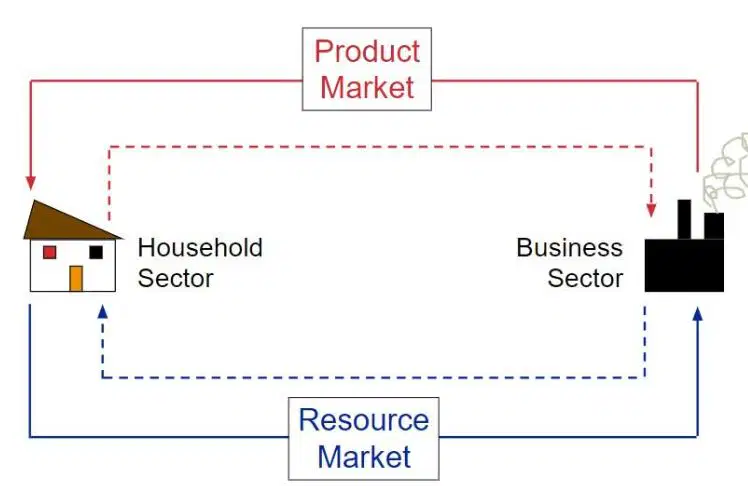
In which market do you sell your labor?
Product market
Resource market
Resource sector
Product sector
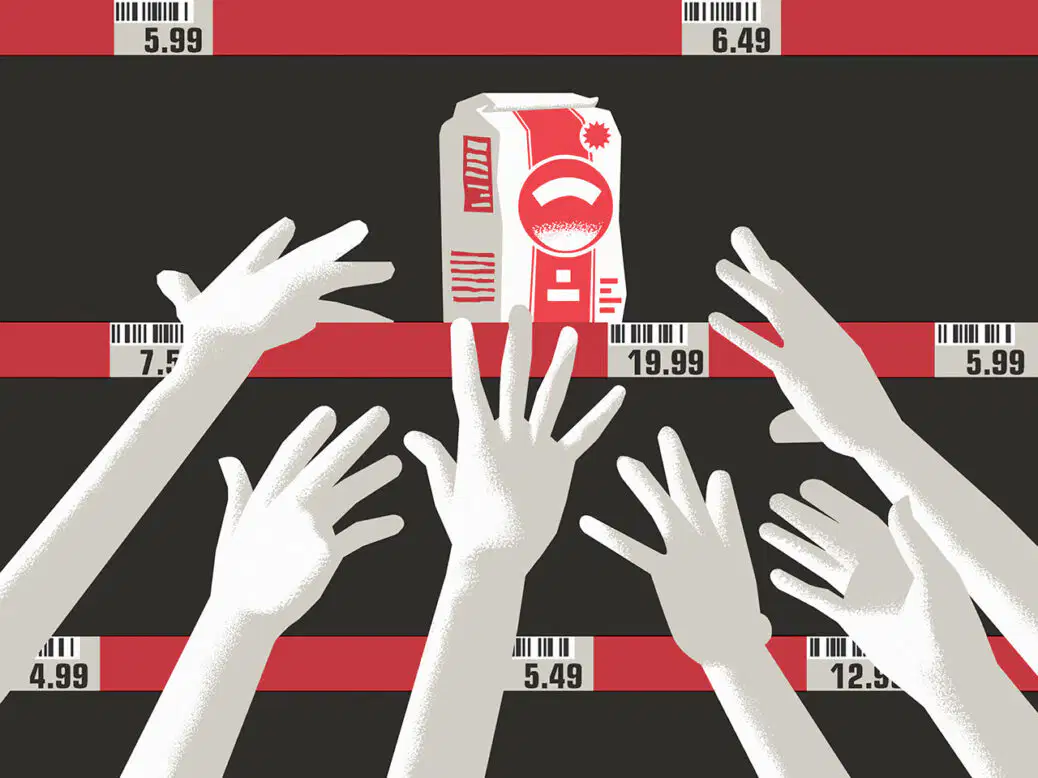
Limited resources and unlimited wants leads to the fundamental economic problem of
(a)
Which is an example of the Law of Demand?
An increase in the price of Ice Cream will cause an increase in the quantity of ice cream demanded.
An increase in the price of Ice Cream causes no change in the quantity of candy bars demanded.
An increase in consumer income causes the demand for Ice Cream to increase.
A decrease in the price of Ice Cream causes an increase in the quantity of Ice Cream demanded.
What best describes sunk cost fallacy?
Consumers will buy more of a good when its price is lower and less when its price is higher.
Law of Demand
Law of Supply
Price Floor
Price Ceiling
When the price of a good increases, the quantity demanded ____.
decreases
increases
stays the same
cannot be determined

Plot each point from the provided demand schedule:

A preconceived opinion about an object that a person is unaware of making is known as a
Certified Fact
Conscious Bias
Unconscious Bias
Precognitive awareness
Which is an example of a Capital good?
Gold
Wheat
Farmer
Plow
Which is the following is an example of Entrepreneurship?
A farmer planting crops on the farm she owns.
An employee working in a store.
A robot building a car.
A broken ice cream machine.
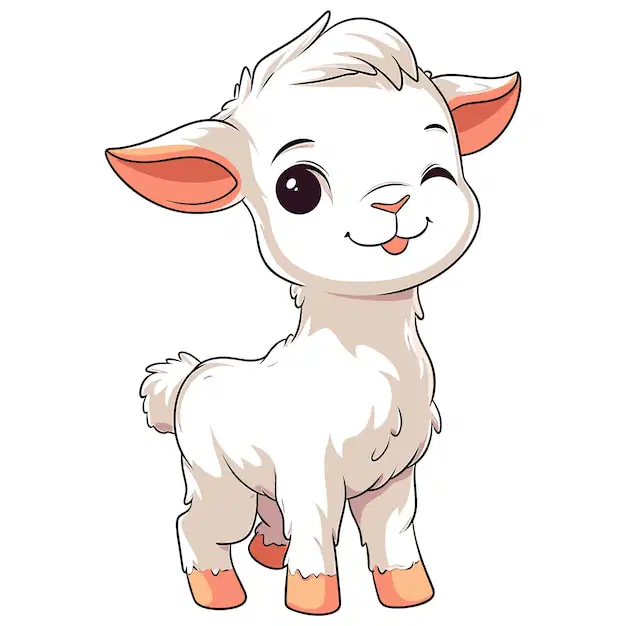
Goats are considered which of the factors of production?
Labor
Land
Capital
Entrepreneurship
Which of the following is an example of cognitive bias in economic decision-making?
Carefully analyzing all available data before making an investment.
Overestimating the probability of positive outcomes based on recent successes.
Considering both short-term and long-term consequences of a financial decision.
Seeking advice from multiple experts before making a major purchase.
How does scarcity relate to the concept of opportunity cost?
Scarcity eliminates the need for opportunity cost.
Scarcity increases the importance of opportunity cost in decision-making.
Opportunity cost only applies to abundant resources, not scarce ones.
Scarcity and opportunity cost are unrelated economic concepts
Which cognitive bias might lead a consumer to continue investing in a failing business venture?
Availability bias
Anchoring bias
Sunk cost fallacy
Representativeness heuristic
Which of the following best describes unconscious bias?
A deliberate prejudice against certain groups.
An automatic, unintentional preference or aversion.
A bias that only affects economic decisions.
A preference that people are always aware of making.

Match the following Factors of production with their incomes.
Land
Rent
Labor
Wages
Capital
Interest
Entrepreneur
Profit
Match the following cognitive biases with their definitions:
FOMO
The fear that you are missing out.
Herd Mentality
Copying the the people around you.
Confirmation bias
Searching for information you agree with
Hedonic Adaptation
Returning to a base level of happiness
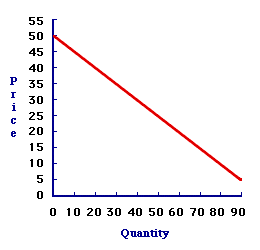
Q11: What does this curve represent?
supply
equilibrium
demand
surplus

