
Font size
 Worksheets
Unit 1 Citizenship and the Rule of Law
Total questions: 30
Worksheet time: 22mins
the process by which an immigrant becomes a citizen
citizen
law of blood
law of soil
naturalization
Alejándro was born to Cuban parents in Miami, Florida – his parents are legal permanent residents. Is Alejándro a U.S. Citizen? Why?
Yes, Law of Soil
Yes, Law of Blood
Only if his parents go through naturalization
No, he would need to be naturalized

SS.7.C.2.1
The diagram above shows the requirements for becoming a naturalized citizen.
Which statement completes the diagram?
Pay federal income tax
Have an annual income of $20,000 or more
Have resided in the United States for five years
Have a close relative (parent, spouse or child) who is a U.S. citizen

Ricky Martin, famous singer, was born in Puerto Rico (a U.S. territory). Is Ricky Martin considered a U.S. citizen?
Yes
No
alien
jury duty

Why is it important for citizens to meet the obligation requested in this document?
immigrant
native-born citizen
common good
obligation
14th (Fourteenth) Amendment
law of soil

-Pay Taxes
-Attend school until 16
-Defend the Nation
-Obey Laws
-???
What is missing from the list of obligations above?
Vote
Volunteer
Stay informed
Serve on juries

What practice is part of the obligation of a U.S. citizen to help defend the nation?
Serve on Juries
Volunteer
Register for Selected Service
Vote in National Elections

Requirements for Naturalization
-Be of good moral character
-Read, write, and speak English
-Be at least 18 years old
-Been admitted lawfully into the U.S. (lawful permanent resident)
-???
Which requirement is missing from the list above?
Pay federal income taxes
Have a close relative who is a U.S. citizen
Have an annual income of $20,000 or more
Have lived/resided in the U.S. for five years

Why is it important to pay your taxes?
To make sure that laws are up-to-date
To pay for private universities
To make sure that people are good citizens
To provide money to pay for government services

Who of the following is a U.S. citizen?
Julia moved to the U.S. when she was 3 years old. She moved back to Mexico when she was 12.
Raymond was born in Canada and has been working in the U.S. the past 3 years.
Oscar was born in Spain. His mother is a citizen of Spain and his father is a U.S. citizen.
Nina is a foreign exchange student going to school in California.

Why does the government require qualified 18-year-old males to register for the selective service?
To allow the government to quickly draft them in times of crisis
To provide jobs for more people
To ensure that they are also registered to vote
To provide money for government services

The 14th Amendment allows for equal protection under the law and it defines citizenship. According to this amendment, who is a citizen?
Someone born or naturalized in the U.S.
Someone who lives in the U.S. and has a job
Someone who owns property in the U.S.
Someone going to school in the U.S.

Which one would need to go through the process of naturalization if they want to be a U.S. citizen?
Note: all of the people below entered the country legally and follow laws
Jorge: born in a U.S. territory like Puerto Rico, to parents who are not U.S. citizens.
Edward: born in Germany, to parents who are U.S. citizens.
Sara: born on a U.S. military base.
Mary: born in Canada, to parents who are citizens of Canada.

A young person getting involved in community service that promotes the common good of the community is an example of _______.

Which of the following is an example of contributing to the common good?
Studying for a test so that you get a better grade.
Making a donation of food or money so that a local homeless shelter can feed the poor.
Participating on a recreational sports team.
Getting paid to cut the grass at a local nursing home.

Which of the following actions are considered responsibilities of a U.S. citizen?
Registering and voting in elections.
Obeying the laws.
Serving on a jury.
attending school.
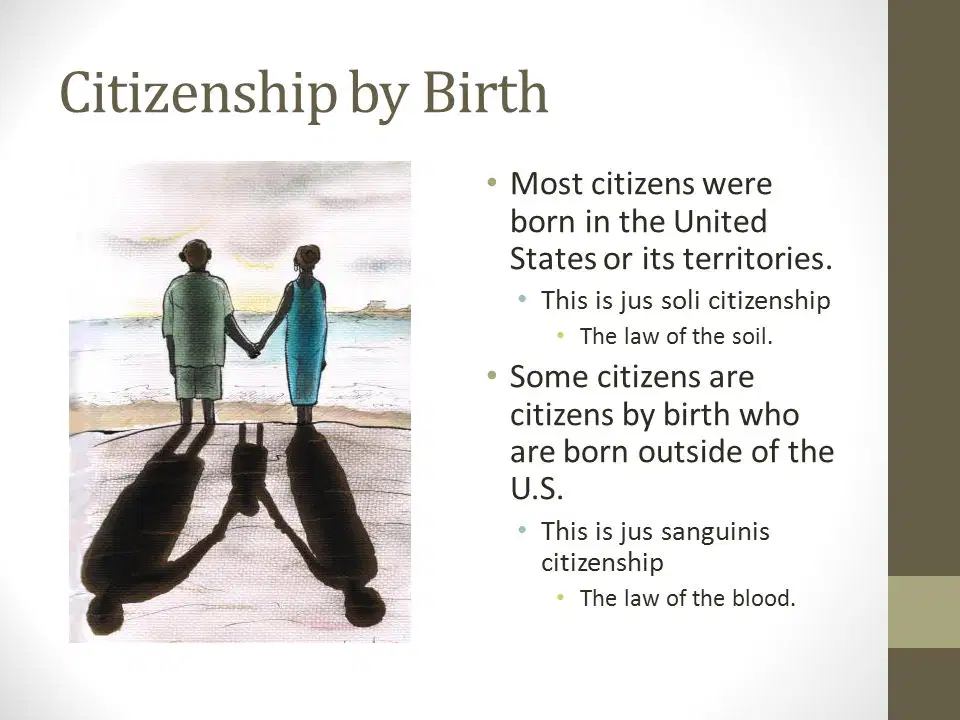
What two ways can a person be considered as a natural-born U.S. citizen?
be naturalized and serve in the miliary.
Law of blood and law of soil.
Permanent legal resident or have a work visa.
have a job or college visa.
What is the age range of male citizens and male immigrants in the United States that are required by law to register with the Selective Service System?
16-21 years old
18-25 years old
20-30 years old
17-26 years old
Which describes a component of rule of law?
consistent application
enforcement of the law
decisions based on the law
all of the above
News article, "Miami Ex-Officer Gets 2 Years' Prison for Gambling Bribes, " www.cbslocal.com, May 17, 2015
Based on the title of this article what can s
Leaders and government officials are held accountable to the law.
Leaders and government officials are not accountable to the law.
There is no transparency of institutions.
The laws are not legitimate.

