
 Worksheets
Photography Quiz
Total questions: 37
Worksheet time: 32mins
What is the colour mode to choose when printing out photo?
RGB
CMYK
Index colour
Lab colour
What is the MOST important aspect of photo manipulation?
Perspective of all the photos used must match
Shadow should not be used
Highlight of all the photos used should match
White balance should be indoor
What is the tool to use to increase the darkest spot of the photo?
Exposure
Shadow/Highlight
Hue and saturation
Curves
Which type of compression does JPG uses?
Lossy
Lossless
ZIP
LZW
During the incubation stage of idea development, how do the conscious and subconscious minds contribute to the process?
The conscious mind creates new ideas while the subconscious mind removes unnecessary information.
The subconscious mind generates new ideas while the conscious mind processes and organizes them.
Both the conscious and subconscious minds work together to form new connections, remove unnecessary information, and generate new thoughts.
The conscious mind and subconscious mind work independently, with no interaction between them during this stage.
Mind mapping always starts in the center and branches out in a _________ structure.
Top down
Bottom up
Sequential
Random
White balance
What is the photographic exposure triangle?
A method to calculate image resolution
A technique to arrange subjects in a frame
A relationship between aperture, shutter speed, and ISO
A way to balance colour in a photograph
Setting the exposure level for a photo
What will be the effect of fast shutter speed in motion photography?
It freezes motion with blurry object and sharp background
It freezes motion with sharp object and blur background
It blurs motion with blurry object and sharp background
It blurs motion with sharp object and blur background
What is the relationship between aperture and depth of field?
Smaller aperture creates a shallower depth of field
Larger aperture creates a deeper depth of field
Smaller aperture creates a deeper depth of field
Aperture does not affect depth of field
What is the function of the aperture in a camera lens?
To adjust the camera's sensitivity to light
To control the duration of the exposure
To determine the amount of light entering the lens
To balance the colours in an image
What is the BEST setting for sunny outdoor motion photography?
ISO 100, f/16, 1/60
ISO 100, f/11, 1/80
ISO 200, f/8, 1/125
ISO 200, f/4, 1/250
What is the approximate ratio for the Golden ratio in photography?
1 to 2
1 to 1.618
2 to 3
3 to 1
What is the BEST setting for a dimly lit indoor classroom shoot?
ISO 800, f/8, 1/500
ISO 800, f/5.6, 1/250
ISO 1600, f/4, 1/125
ISO 1600, f/2.8, 1/60
What is the Rule of Thirds in photography?
A technique for ensuring all elements in a photo are centered in the frame.
A method for dividing an image into nine equal parts by two equally spaced horizontal lines and two equally spaced vertical lines to place key elements along these lines or their intersections.
A guideline for adjusting the colour balance and contrast of an image.
A strategy for ensuring that the subject is always in the foreground of the photograph.
What is the "center of interest" in photography?
The area with the most light
The point where all lines converge
The main subject or focal point of the image
The place with the highest contrast
What should you consider when planning for an unfamiliar outdoor shoot?
Visit onsite to understand the environment and the safety aspect before the shoot
Carry along all the equipment no matter if you require it or not
Wear high heels and inappropriate clothing
Bring sunblock and cap
What does luminance refer to in colours?
The hue of the colour
The saturation of the colour
The brightness of the colour
The contrast of the colour
What is the primary function of the Patch tool in Adobe Photoshop?
To adjust colour balance in an image.
To remove unwanted objects by blending the area with surrounding pixels.
To apply a Gaussian blur to selected areas of an image.
To create and manage layer masks for non-destructive editing.
Royalty free images be used by paying ____.
Fees on every use
One-time fee to use forever
No amount
Monthly
What is the purpose of Adjustment Layers in Adobe Photoshop?
To permanently alter the original image data with colour and tonal adjustments.
To create and manage different image layers for compositing and masking.
To apply non-destructive colour and tonal adjustments to an image without altering the original layer.
To convert image layers into vector graphics for scaling.
What is the purpose of compression in digital files?
To increase the file size for better quality.
To reduce the file size for more efficient storage and transfer.
To enhance the colour depth of the file.
To increase the resolution of the file.
Which composition rules can create a sense of depth?
Symmetry
Colours
Leading lines
Rule of third
Which of the THREE following practices helps maintain your camera in good condition?
Regularly clean the lens and sensor.
Store the camera in a dry, dust-free environment.
Use the camera only in extreme weather conditions.
Perform routine maintenance checks.
Leave the camera exposed to direct sunlight for extended periods.
When compositing a photo, what elements should you consider?
What is the reason for images to look messy?
Too many distractions and bad compositions of image
Over or under exposed images
No depth of field in the photo
Incorrect colour in the scene
Name the most common file format for delivering digital photos on the web?
(a)
When using RGB mode, what colour results from mixing Red, Green, and Blue?
white
black
key
grey
When Black is added to any colour what is it called?
tints
tones
shades
black
When Grey is added to any colour what is it called?
tints
tones
shades
black
CMYK Mode has _______ colours?
4
million colours
3
256 colours
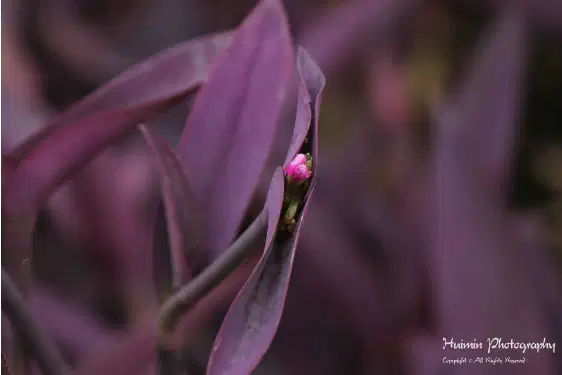
State the composition rules used in the image above.
depth of field
leading lines
All of the above
bokeh effect
center of interest
What is the problem that will occur to the camera lens when you exit a cold classroom to a warm corridor?
(a)
3 methods that are safe to resolve fogged lens
Wipe lens with suitable cloth
wait for the fog to clear off
gradually bring up heat to the lens using your breath
wipe lens with wet tissue

When using hue/saturation in adjustment layer, how do I achieve this black and white image above?

How to achieve a plain white image from the grey scale image in question above?
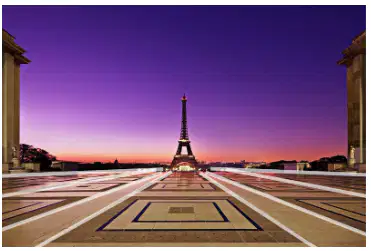
Why is the composition guideline useful in the photo?
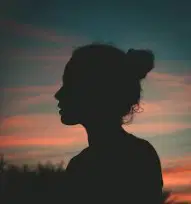
Explain your answer and how is the photo above taken?

