
 Worksheets
Unit 1 - Bio - Review
Total questions: 45
Worksheet time: 34mins
The function of the digestive system is to...
support and protection
deliver oxygen to the cells and remove waste
move the body
break down food
What is the function of the respiratory system?
bring in oxygen and remove carbon dioxide
break down food
helps all parts of the body to communicate with other parts
maintain fluid levels in the body
The function of the circulatory systems is to...
deliver oxygen to the cells and remove waste from the cells
break down food
support and protection
move the body
How do the respiratory and circulatory systems work together?
They move and support the body.
They circulate blood and oxygen throughout the body.
They digest food and circulate nutrients throughout the body.
They maintain fluid levels within the body.
How does the digestive system and circulatory system work together?
One breaks down food and the other delivers these nutrients throughout the body.
They move and support the body.
They bring in oxygen and circulate it throughout the body.
They maintain fluid levels in body.
What is the level of organization?
cells - tissues - organs - organ systems - organism
cells - organs - tissues - organ systems - organism
organism - organ systems - organs - tissues - cells
cells - tissues - organs - organism - organ systems
What are the parts of the circulatory system?
nasal cavity, trachea, bronchi and lungs
soft and compact bone
heart, veins, arteries, and capillaries
mouth, esophagus, stomach and intestines
What are the parts of the digestive system?
heart, veins, arteries, and capillaries
mouth, esophagus, stomach and intestines
soft and compact bone
nasal cavity, trachea, lungs and diaphragm
What are the parts of the respiratory system?
nasal cavity, trachea, bronchi, lungs
heart, veins, arteries, and capillaries
soft and compact bones
mouth, esophagus, stomach and intestines

A group of tissues that work together is a(n) ______________________.
cell
organ
organ system

Organs that work together are part of a(n) ________________________.
cells
tissue
organ system
Why do all the cells in the body need oxygen?
to send signals to the brain
to feel better
to respire and get energy
to separate nutrients from waste
Which of the following elements is a waste product of the human respiratory system?
oxygen
water
carbon dioxide
When does carbon dioxide leave our bodies?
when we sweat
when we breathe out/ exhale
when we breathe in/ inhale

Another name for the windpipe that takes air from your mouth to your lungs.
pharynx
larynx
esophagus
trachea
What is the function of "The Respiratory System"
A way of breathing
Brings oxygen into the body and elimiates the waste carbon dioxide through breathing
To rest your body
A system to Respirate????

What is the function of the "Trachea"
Fillters the blood out
Let's air pass into the left/right bronchi
Carries the chin
Kills bacteria


The act of eating or putting food in the mouth
digestion
ingestion
absorption
elimination
The mechanical and chemical breakdown of food into small particles and molecules that your body can absorb and use....
ingestion
elimination
digestion
absorption
Occurs when the cells of the digestive system take in small molecules of digested food
absorption
digestion
elimination
ingestion
The folds of the small intestine are covered with fingerlive projections called...
bolus
bile
villi
vicky
The body system that breaks down food into tiny pieces so that the body's cells can use it for energy.
Digestive system
Nervous system
Skeletal system
Circulatory system
An organ of the digestive system that removes nutrients and water from digested food. You have a large one and a small one.
stomach
esophagus
liver
intestine
A fluid in the mouth that helps digest food.
gastric juice
blood
acid
saliva
Which organ of the digestive system helps to put nutrients into the blood stream?
pancreas
large intestine
mouth
small intestine

Liquids are being removed from the solid waste in the __________________.
small intestine
large intestine
liver
stomach

Food leaves the stomach and travels to the ___________.
small intestine
large intestine
mouth
liver

Which parts of the diagram is the small and large intestine?
A~ small intestine
E~ large intestine
D~ small intestine
E~ large intestine
C~ large intestine
B~ small intestine
A~ large intestine
C~ small intestine
E~ small intestine
D~ large intestine

Which body system includes the lungs, trachea, and diaphragm?
cardiovascular system
respiratory system
digestive system
skeletal system

Which body system includes the stomach, intestines, liver, and pancreas?
digestive system
respiratory system
muscular system
cardiovascular system
Which body system includes the bones?
respiratory system
cardiovascular system
muscular system
skeletal system
Which statement describes what happens when you eat a hamburger?
The digestive system breaks down the hamburger, and the excretory system carries nutrients throughout the body.
The digestive system carries nutrients to all the cells of the body through the blood, and the excretory system removes wastes.
The digestive system breaks down the hamburger, and the circulatory system carries the nutrients throughout the body through the blood.
The circulatory system carries the nutrients through the body, and the excretory system breaks down the hamburger.
Which two body systems work together to break down food and get rid of wastes?
digestive and excretory
digestive and nervous
excretory and respiratory
nervous and digestive
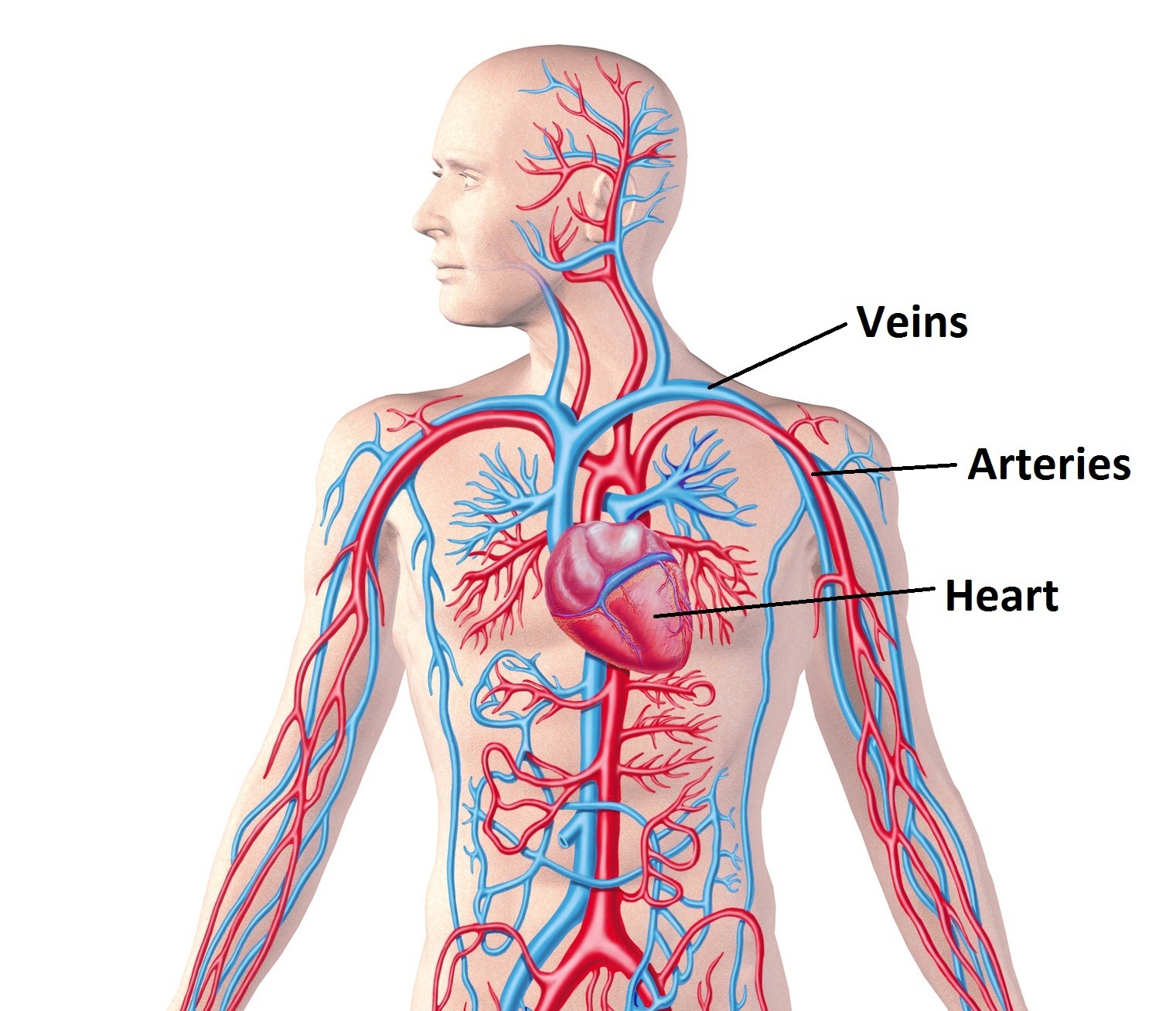
What is the circulatory system made up of?
Lungs, blood, blood vessels
Liver, kidneys, and stomach
Heart, Blood Vessels, and Blood
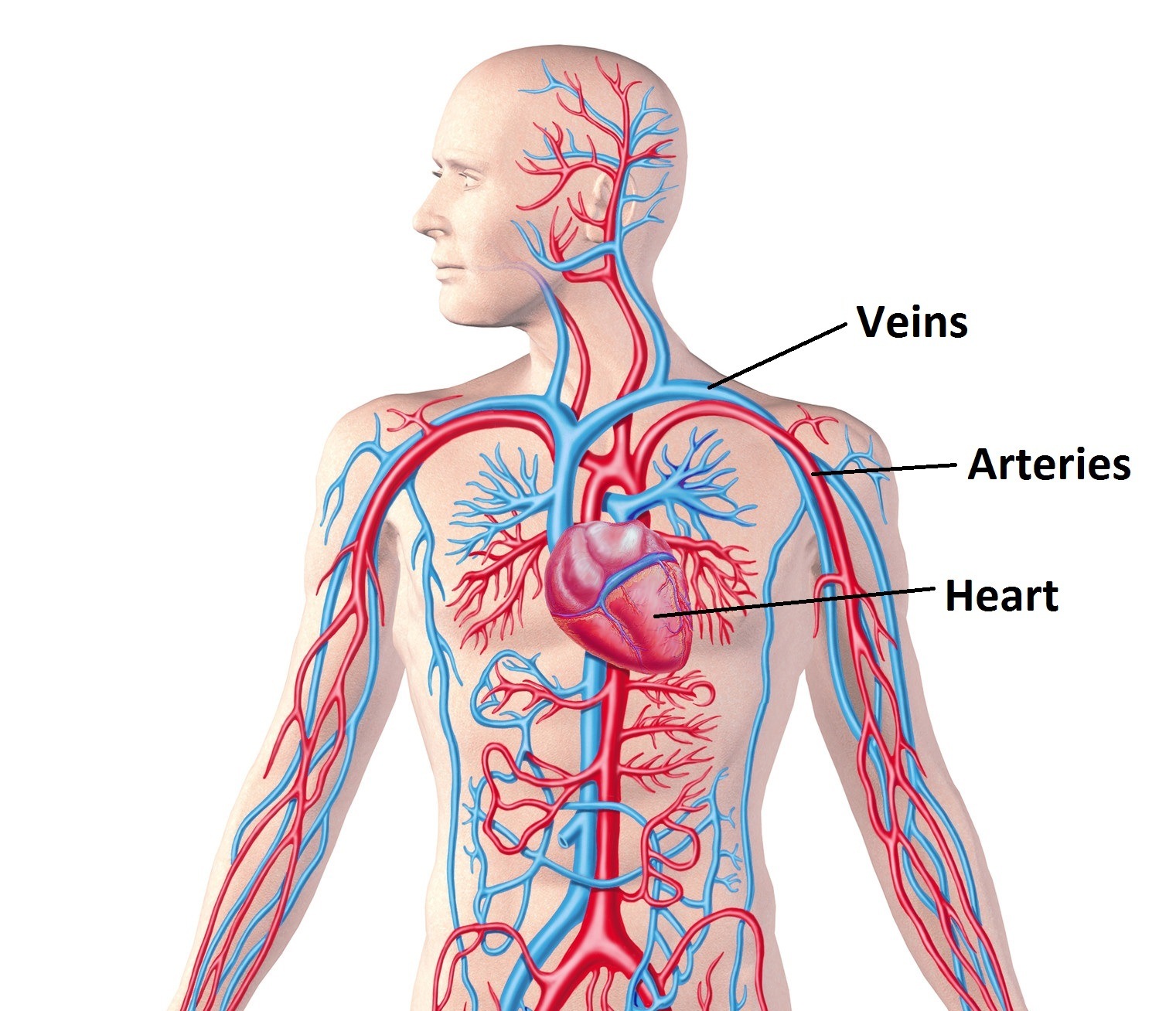
The circulatory system works with the ___________ system to provide our body with oxygen.
respiratory
digestive
muscular
The job of the heart is to . . .
pump blood around the body.
send food to the small intestines.
break down food.
give energy to the body.
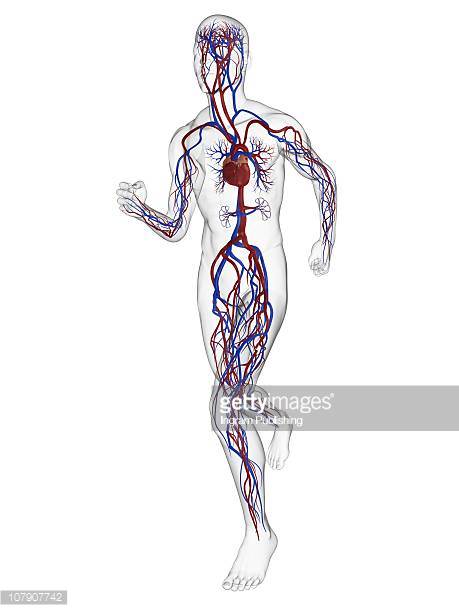
What is the main organ of the circulatory system?
small intestine
bone
lungs
heart
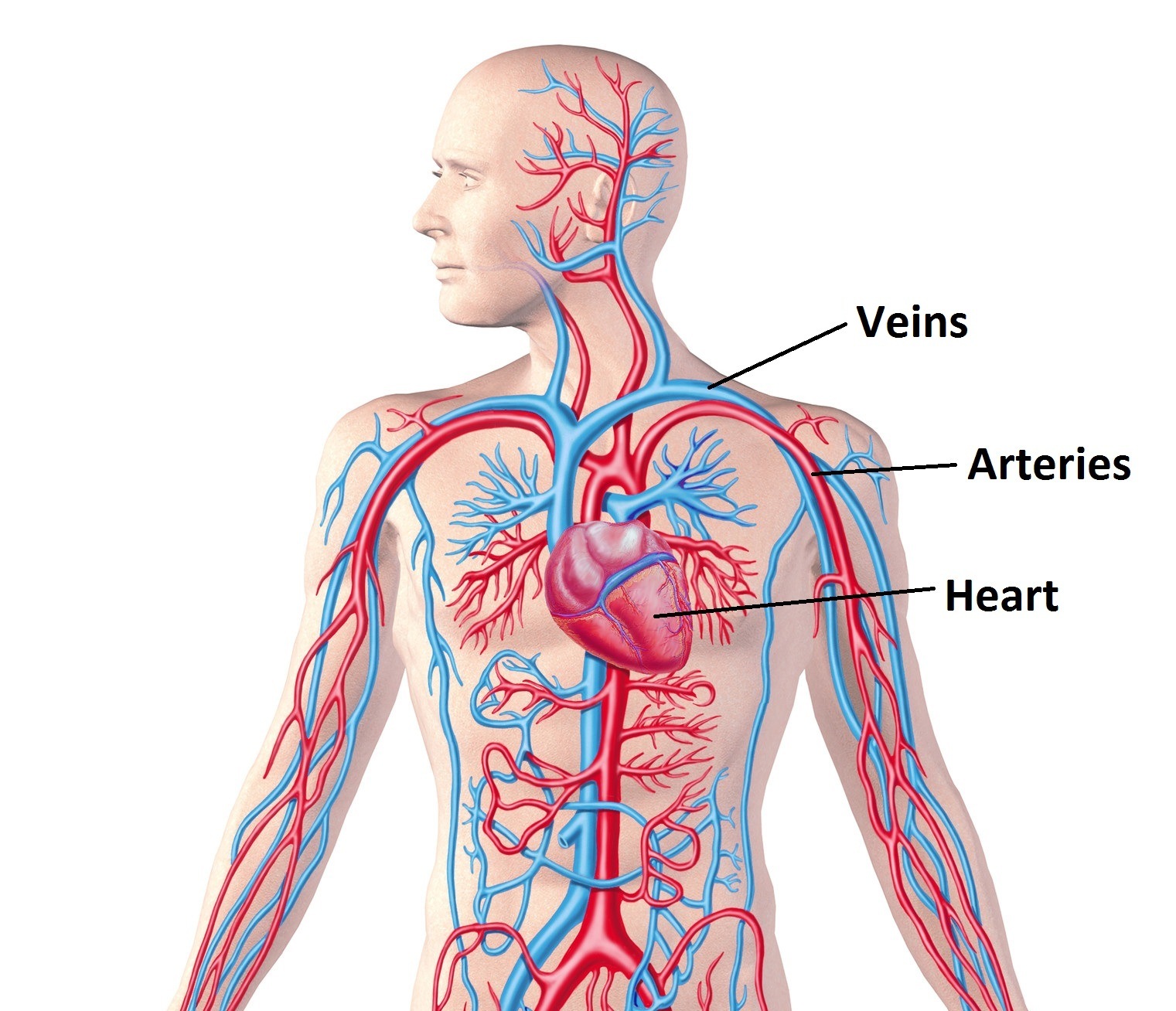
The circulatory system works with the __________ system to obtain energy from nutrients that we eat.
respiratory
digestive
skeletal
nervous
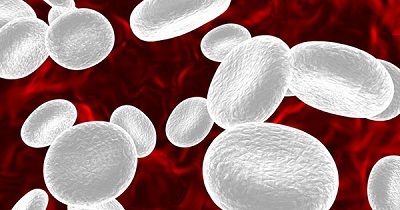
The cells in the blood that help fight germs like bacteria and viruses
red blood cells
platelets
white blood cells
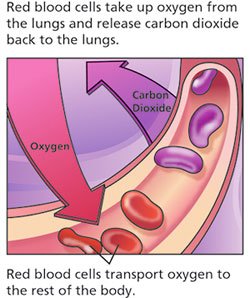
These cells, in the blood, carry oxygen and give the blood its color.
white blood cells
plasma
platelets
red blood cells
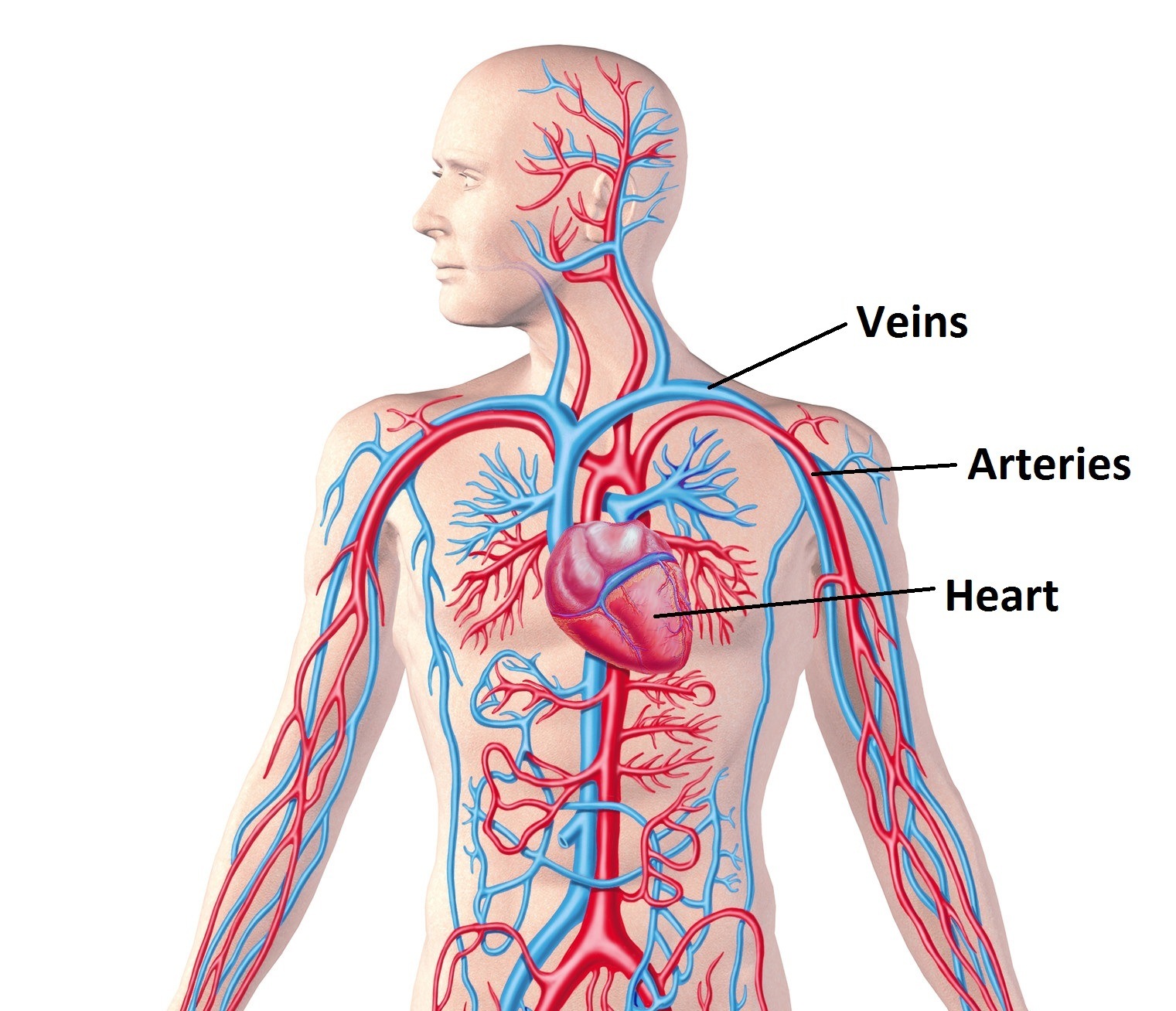
Which system allows blood to circulate throughout the body to transport oxygen and nutrients to all the cells and tissues?
Nervous
Respiratory
Circulatory

