wayground logo

Free Printable Worksheets

NEW

Font size

S
M
L
XL
Worksheets

Human Body Practice Test

Total questions: 44

Worksheet time: 24mins

Name
Class
Date
1.
The process by which the body breaks down food so that it can be used for energy.
a)
composition
b)
digestion
c)
deposition
d)
absorption
2.
The muscular organ in the body where chemical and mechanical digestion take place.
a)
pancreas
b)
liver
c)
stomach
d)
esophagus
3.
A long folded tube inside the body attached to the stomach where nutrients in the food are absorbed.
a)
large intestine
b)
small intestine
c)
esophagus
d)
rectum
4.
The opening at the end of the digestive track where feces exits the body.
a)
large intestine
b)
small intestine
c)
rectum
d)
anus
5.
A fluid in the mouth that helps digest food.
a)
pepsin
b)
pepsi
c)
saliva
d)
salty
6.
A muscular tube that helps move food from the mouth to the stomach.
a)
esophagus
b)
trachaea
c)
small intestine
d)
gall bladder
7.
Provides additional enzymes(pancreatic juice) to help nutrients get absorbed by the small intestine.
a)
liver
b)
kidneys
c)
gall bladder
d)
pancreas
8.
The tube after the small intestine where the liquid is absorbed.
a)
large intestine
b)
small intestine
c)
rectum
d)
stomach
9.
A substance such as a fat, a protein, or a carbohydrate that a living thing needs to survive.
a)
saliva
b)
carrots
c)
nutrients
d)
minerals
10.
A series of wave-like muscle contractions that moves food to different processing stations in the digestive tract.
a)
adduction
b)
primary wave
c)
peristalsis
d)
inversion
11.
a)
esophagus
b)
liver
c)
stomach
d)
pancreas
12.
a)
stomach
b)
pancreas
c)
large intestine
d)
small intestine
13.
a)
pancreas
b)
trachea
c)
liver
d)
esophagus
14.

What do we take in when we inhale?

a)

carbon dioxide

b)

oxygen

c)

lungs

15.

What do we let out when we exhale?

a)

oxygen

b)

Carbon dioxide

c)

lungs

16.
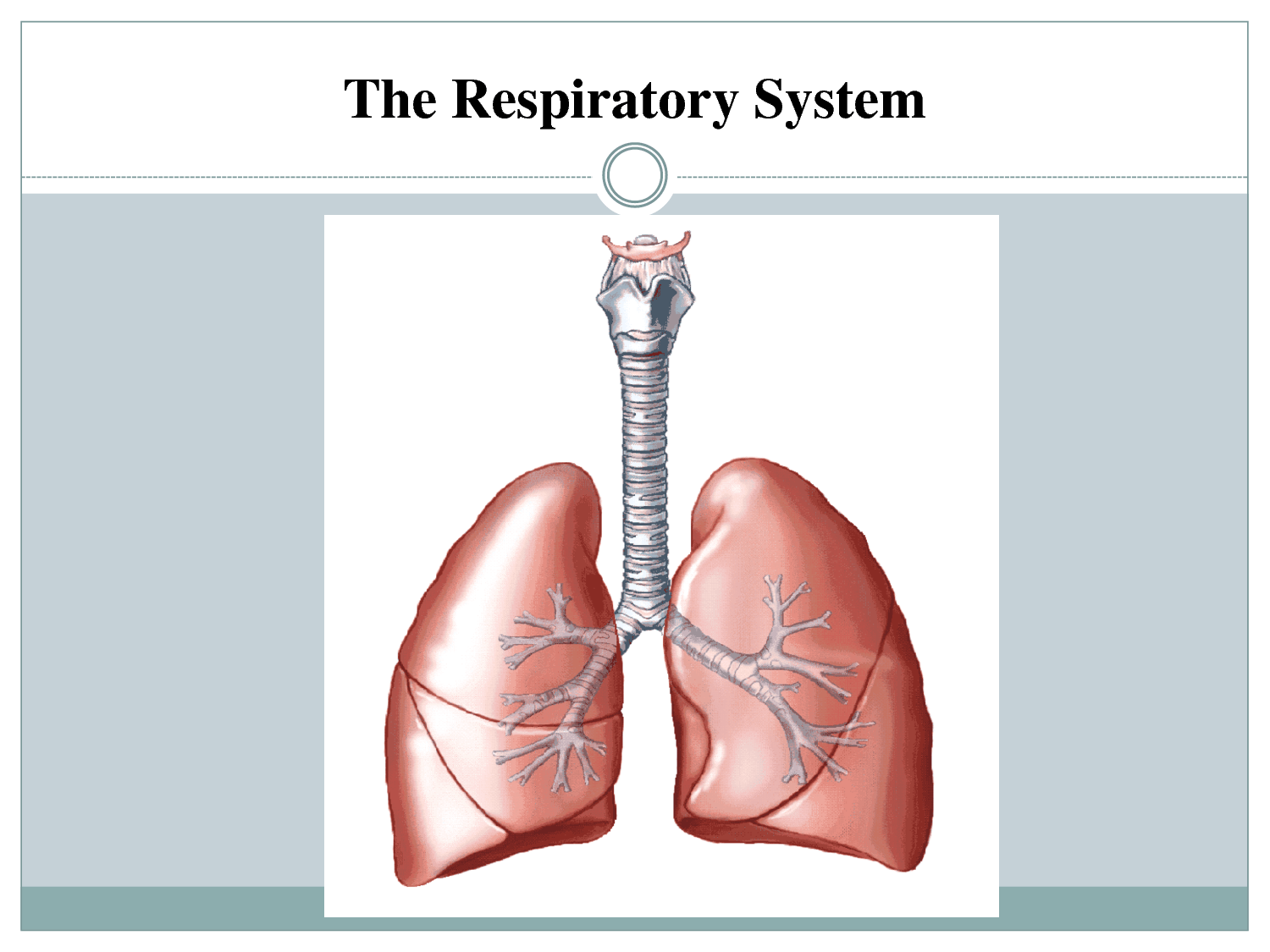
What is the main function of the respiratory system?
a)
to provide oxygen and remove carbon dioxide from the body
b)
to bring oxygen to the body
c)
to break down food and absorb nutrients
d)
to remove oxygen from the body and deliver carbon dioxide
17.
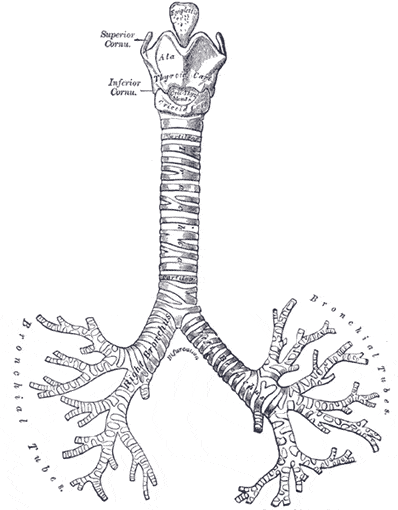
The two main branches from the trachea (one to each lung)
a)
bronchi
b)
alveoli
c)
capillaries
d)
bronchioles
18.
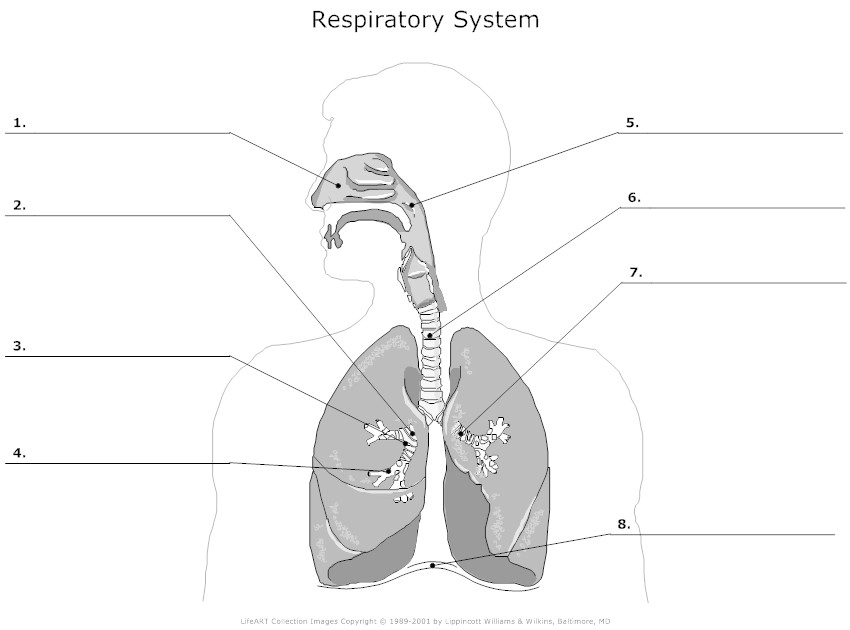
Name the organ label # 6. 
a)
alveoli 
b)
bronchi 
c)
trachea 
d)
lungs 
19.
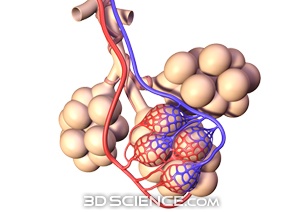
The air sacs that are covered with capillaries where gas exchange takes place
a)
bronchi
b)
lungs
c)
oxygen
d)
alveoli
20.

Which part of the Respiratory System plays a major role in speech? Also known as the voice box.

a)

nose

b)

pharynx

c)

larynx

d)

trachea

21.

The large muscle that contracts and relaxes and moves air in and out of the lungs.

a)

epiglottis

b)

alveoli

c)

diaphragm

d)

trachea

22.

What is the main function of the nervous system?

a)

to inhale oxygen and exhale carbon dioxide

b)

to break down food consumed by a person for nutrients

c)

to control the body's activities by relaying messages

d)

to control the body's movements

23.

What are the two divisions of the nervous system?

a)

Central and Lower nervous systems

b)

Central and Peripheral nervous systems

c)

Lower and Cerebral nervous systems

d)

Central and Muscular nervous systems

24.

A nerve cell is called a:

a)

neutron

b)

nerve

c)

neuron

d)

synapse

25.

Dendrites are part of a neuron that carries electrical signals _______ the cell body.

a)

to

b)

away

c)

in between

26.

Axons are part of a neuron that send electrical signals ________ the cell body

a)

to

b)

away from

c)

in between

27.

The space between an axon of a neuron that is communicating with a dendrite of another neuron is called a ________________.

a)

Neuron

b)

Brain message

c)

Stimulus

d)

Synapse

28.

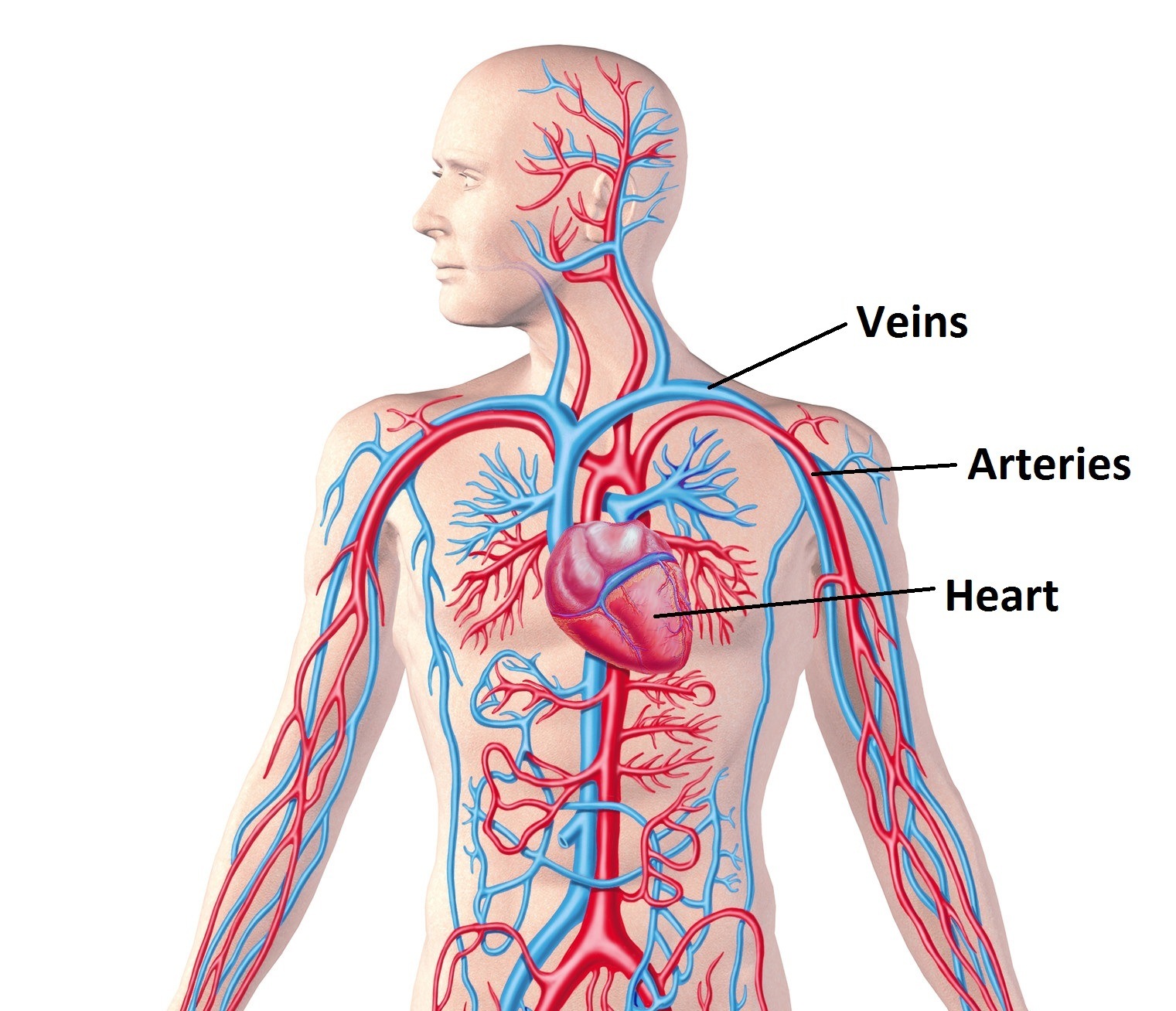
Which system allows blood to circulate throughout the body to transport oxygen and nutrients to all the cells and tissues?

a)

Nervous

b)

Respiratory

c)

Circulatory

29.

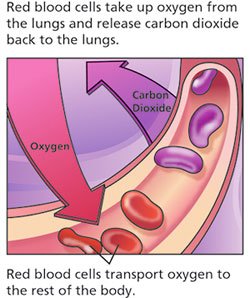
These cells, in the blood, carry oxygen and give the blood its color.

a)

white blood cells

b)

plasma

c)

platelets

d)

red blood cells

30.

The job of the heart is to . . .

a)

pump blood around the body.

b)

send food to the small intestines.

c)

break down food.

d)

give energy to the body.

31.

Arteries carry oxygen rich blood away from the heart.

a)

True

b)

False

32.

Veins carry oxygen poor blood back to the heart.

a)

False

b)

True

33.
______________ are the smallest blood vessels.
a)
Arteries
b)
Veins
c)
Capillaries
34.
The circulatory system works with the ___________ system to provide our body with oxygen.
a)
respiratory
b)
digestive
c)
muscular
d)
skeletal
35.
What does Deoxygenated mean?
a)
Oxygen-rich
b)
Blood flow
c)
Oxygen-poor
d)
Water Flow
36.
arteries, veins, and capillaries are three types of __________
a)
heart valves
b)
blood vessels
c)
cells
d)
veins
37.
The penis and scrotum are part of the male's genitals.
a)
True
b)
False
38.
An egg cell leaves the _______________ and goes into the fallopian tube.
a)
Testicle
b)
Ovary
c)
Uterus
d)
Scrotum
39.
The meeting of a sperm and ovum.
a)
Intercourse
b)
Implantation
c)
Conception
d)
Fertilization
40.
reproductive organs that produce eggs and hormones
a)
cervix
b)
vagina
c)
ovaries
41.
The part of the female reproductive system where fertilization takes place
a)
Uterus
b)
Womb
c)
Vaginal opening
d)
Fallopian Tubes
42.
What do we call a fertilized egg?
a)
Sperm
b)
Testosterone
c)
Zygote
d)
Egg
43.

A diagram of the human male reproductive system is given. Which structure produces cells that become sperm?

a)

A

b)

B

c)

C

d)

D

44.

What is #11 pointing to?

a)

Penis

b)

Scrotum

c)

Testis

d)

Sperm tube

e)

Urethra