
 Worksheets
Shop Safety Quiz
Total questions: 30
Worksheet time: 15mins
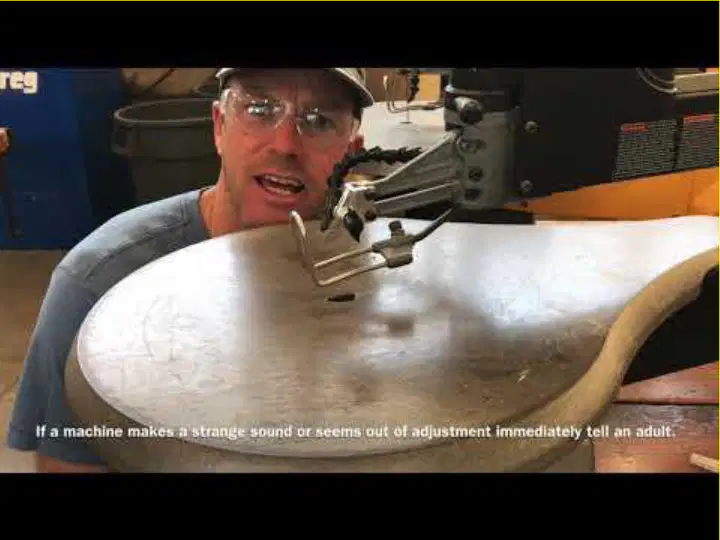
What should you do if a machine makes a strange sound or seems out of adjustment?
Qué debes hacer si una máquina hace un sonido extraño o parece fuera de ajuste?
Continue using the machine carefully.
Continúe usando la máquina con cuidado.
Try to fix the machine yourself.
Intente arreglar la máquina usted mismo.
Immediately tell the Instructor
Informe inmediatamente al Intructor
Ignore the sound and keep working.
gnora el sonido y sigue trabajando.
What is one of the key tips for maintaining a clean and safe workplace according to the housekeeping tips?
¿Cuál es uno de los consejos clave para mantener un lugar de trabajo limpio y seguro según los consejos de limpieza?
Keep aisles clear
Mantenga los pasillos despejados.
Allow spills to dry naturally
Deje que los derrames se sequen naturalmente
Store tools and equipment in random places
Guarde herramientas y equipos en lugares aleatorios..
Dispose of waste at the end of the week.
Eliminar los residuos al final de la semana.
What should be done immediately after a spill occurs?
¿Qué se debe hacer inmediatamente después de que ocurre un derrame?
Leave it to dry.
Déjalo secar.
Clean it up immediately.
Límpielo inmediatamente.
Cover it with a cloth.
Cúbrelo con un paño.
Ignore it.
Ignóralo.
How should tools and equipment be maintained according to the housekeeping tips?
¿Cómo se deben mantener las herramientas y equipos según los consejos de limpieza?
Keep them dirty and oily.
Mantenlos sucios y aceitosos.
Store them in random places.
Guárdalos en lugares aleatorios.
Keep them clean and oil-free.
Mantenlos limpios y sin aceite
Use them until they break.
Úsalos hasta que se rompan.
What should be done with waste in the workplace?
¿Qué se debe hacer con los residuos en el lugar de trabajo?
Leave it in the aisles.
¿Qué se debe hacer con los residuos en el lugar de trabajo?
Dispose of it properly and promptly.
¿Qué se debe hacer con los residuos en el lugar de trabajo?
Burn it.
Quemarlo
Store it in a corner.
Guárdalo en un rincón
What should be done to ensure fire safety in the workplace?
¿Qué se debe hacer para garantizar la seguridad contra incendios en el lugar de trabajo?
Keep fire exits clear.
Mantenga despejadas las salidas de incendios.
Block fire exits with equipment.
Bloquee las salidas de incendios con equipo.
Store flammable materials near exits.
Almacene materiales inflamables cerca de las salidas.
Ignore fire safety protocols.
Ignore los protocolos de seguridad contra incendios.
How should items be stacked in the workplace?
¿Cómo se deben apilar los artículos en el lugar de trabajo?
How should items be stacked in the workplace?
¿Cómo se deben apilar los artículos en el lugar de trabajo?
Neatly and safely.
De forma ordenada y segura.
In the aisles.
En los pasillos.
Near fire exits.
Cerca de salidas de incendios.
What should be done with fire extinguishers in the workplace?
¿Qué se debe hacer con los extintores en el lugar de trabajo?
Hide them.
Escóndelos.
Make sure they are easily accessible and clearly marked.
Asegúrese de que sean de fácil acceso y estén claramente marcados.
Store them in a locked room.
Guárdelos en una habitación cerrada con llave.
Ignore their maintenance.
Ignora su mantenimiento.
All your personal belonging and cell phone go where?
¿A dónde van todas tus pertenencias personales y tu teléfono celular?
Regular trash bins.
Contenedores de basura habituales
Tool Crib
Cuna de herramientas
With you
What is the overall message of the housekeeping tips?
¿Cuál es el mensaje general de los consejos de limpieza?
Clean only when necessary.
Limpiar sólo cuando sea necesario.
There is a place for everything, and everything should be in its place.
Hay un lugar para cada cosa y cada cosa debe estar en su lugar.
Ignore spills and waste.
Ignore los derrames y los desechos.
Store tools and equipment randomly.
Almacene herramientas y equipos al azar.
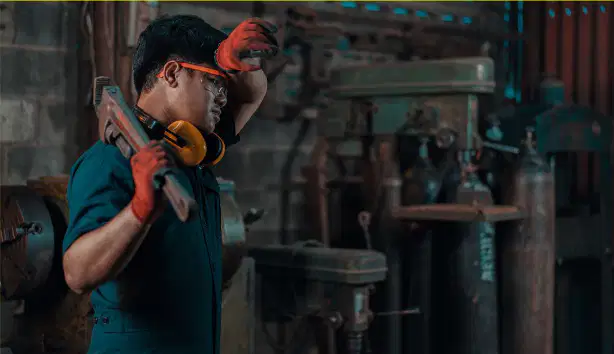
What should you avoid doing when you are on medication, substances, or badly tired?
¿Qué debes evitar hacer cuando estás tomando medicamentos, sustancias o muy cansado?
Working
Sleeping
Eating
Exercising
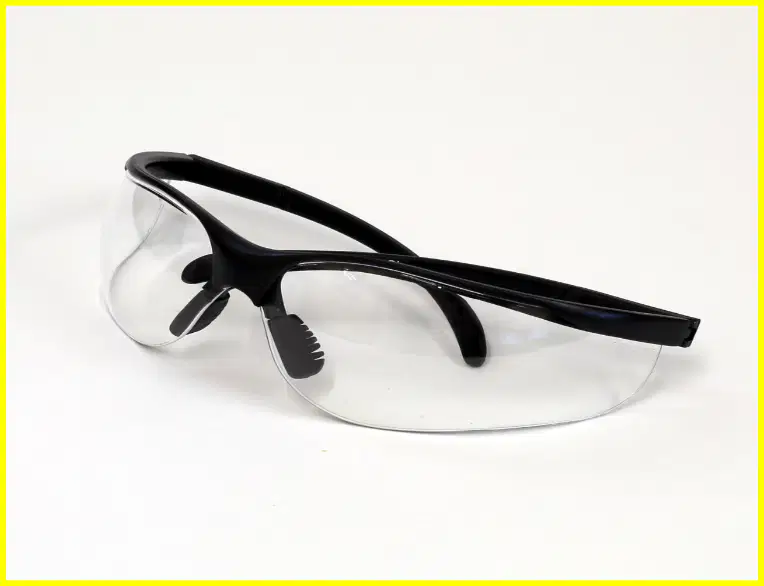
What should you always wear in designated work areas?
¿Qué debes usar siempre en las áreas de trabajo designadas?
Gloves
Helmet
Eye protection
Ear plugs
When is it appropriate to use the equipment?
¿Cuándo es apropiado utilizar el equipo?
Anytime you want
Cuando quieras
Only with the instructor's permission
Sólo con el permiso del instructor.
When you feel confident
Cuando te sientes seguro
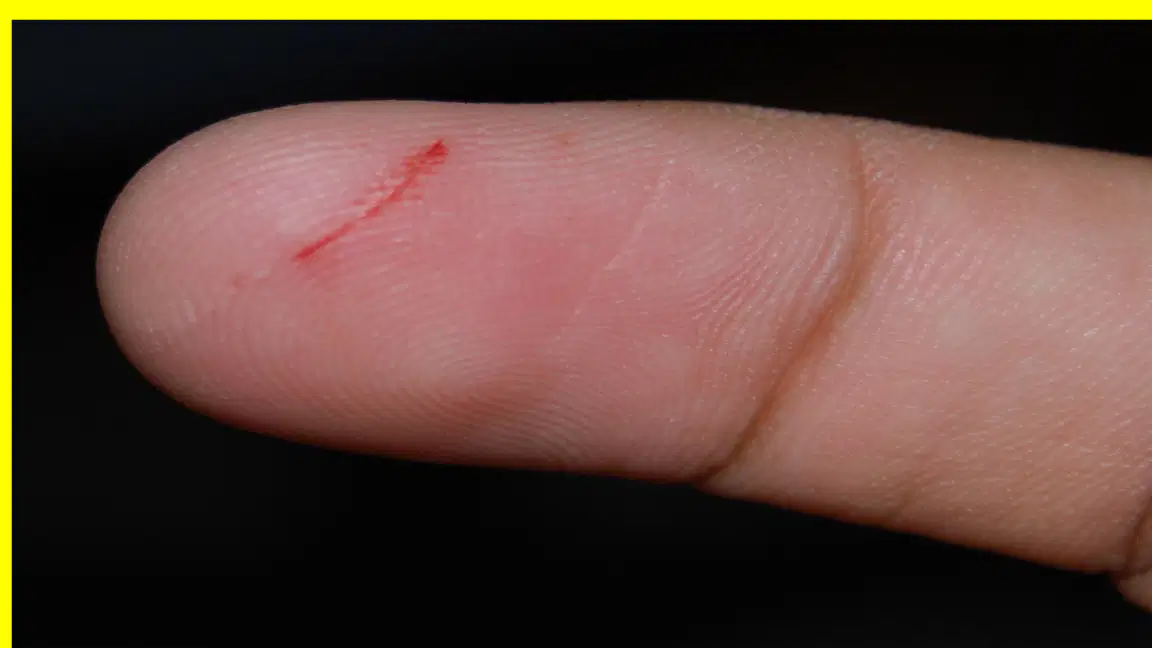
What should you do if you experience an accident or injury?
¿Qué debe hacer si sufre un accidente o lesión?
Ignore it and continue working
Ignoralo y sigue trabajando
Report it to the Instructor
Reportarlo al Instructor
Treat it yourself without informing anyone
Trátelo usted mismo sin informar a nadie.
Wait until it becomes serious before reporting
Espere hasta que se agrave antes de informar
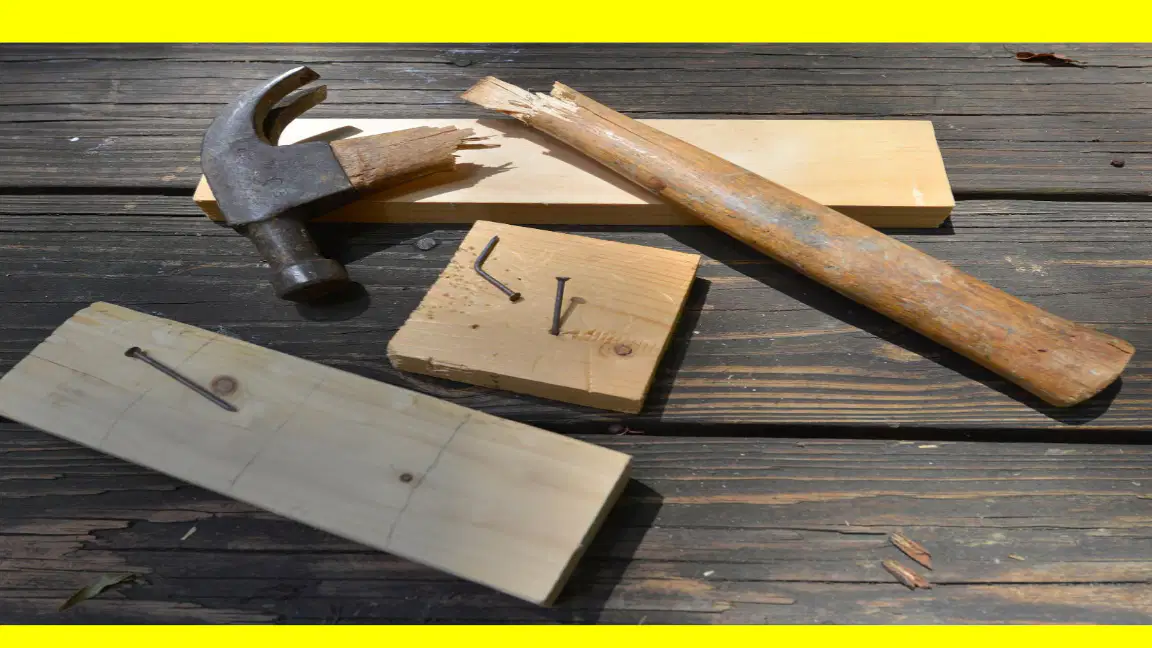
What is the main safety message conveyed in the image?
¿Cuál es el principal mensaje de seguridad que se transmite en la imagen?
Do not use defective equipment.
No utilice equipos defectuosos.
Use equipment only when necessary.
Utilice el equipo sólo cuando sea necesario.
Repair equipment before use.
Reparar el equipo antes de su uso
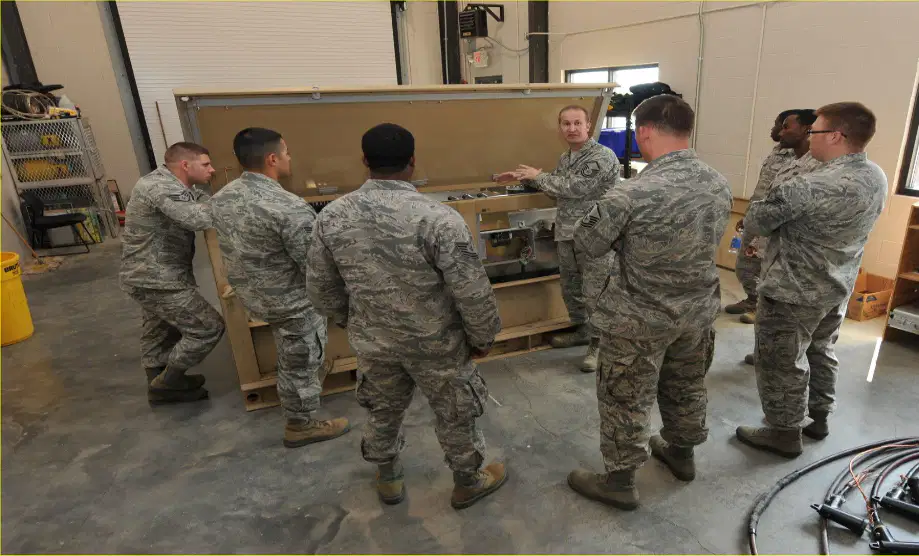
What is the key message conveyed in the provided learning material?
¿Cuál es el mensaje clave que se transmite en el material de aprendizaje proporcionado?
Always use a tool as soon as you get it.
Utilice siempre una herramienta tan pronto como la obtenga.
Never use a tool until you have been properly instructed in its use.
Nunca utilice una herramienta hasta que haya recibido instrucciones adecuadas sobre su uso.
Use a tool only if you feel confident.
Nunca utilice una herramienta hasta que haya recibido instrucciones adecuadas sobre su uso.
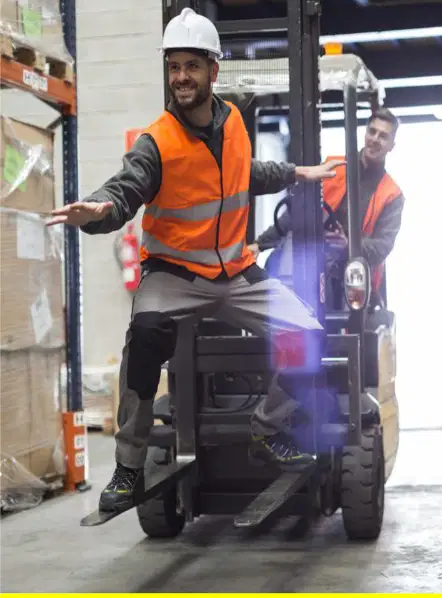
What activity are the workers engaging in that is considered unsafe?
¿Qué actividad realizan los trabajadores que se considera insegura?
Horseplay on a forklift
Payasadas en una carretilla elevadora
Wearing safety gear
Usar equipo de seguridad
Stacking boxes
Cajas apilables
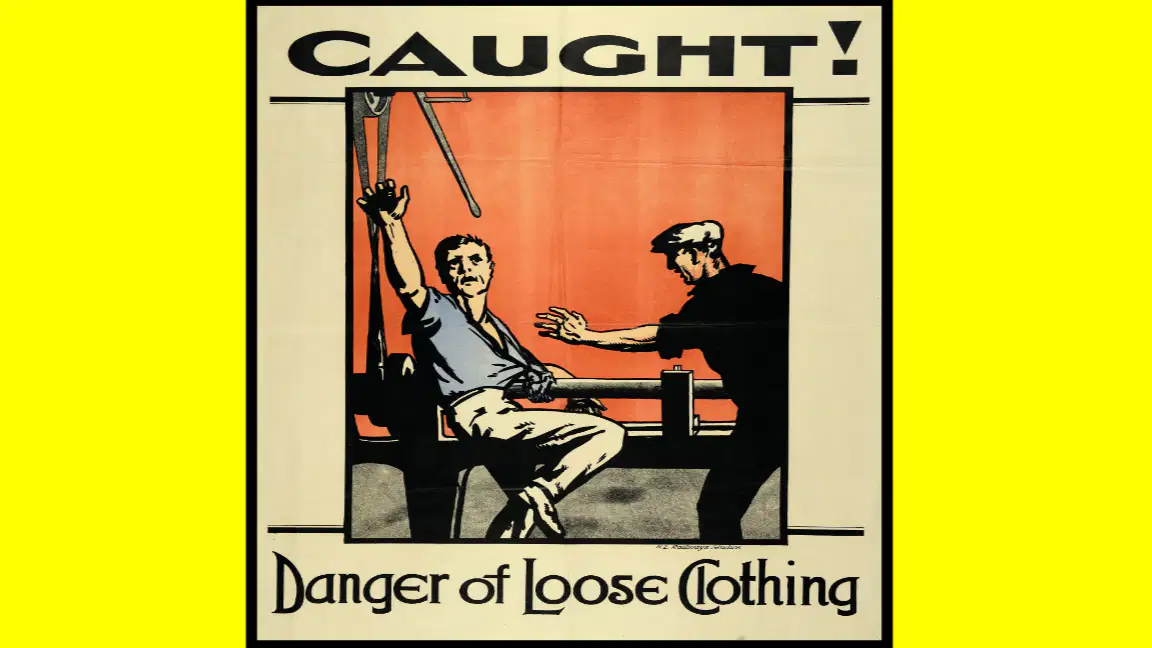
What can loose clothing cause according to the learning material?
¿Qué puede causar la ropa holgada según el material de aprendizaje?
Comfort
Comodidad
Injuries
Lesiones
Style
Estilo
Warmth
Calor
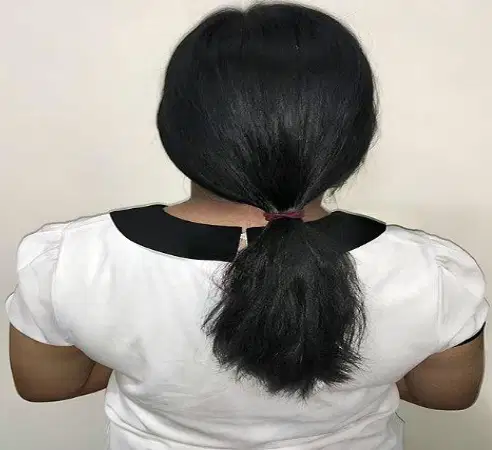
What is the requirement for long hair according to the provided image?
¿Cuál es el requisito para cabello largo según la imagen proporcionada?
Long hair must be left loose.
El pelo largo debe quedar suelto.
Long hair must be tied up/back.
El cabello largo debe estar recogido/hacia atrás.
Long hair must be cut short.
El pelo largo debe ir corto.

What is the shoprule regarding hand/neck jewelry while working?
¿Cuál es la regla de la tienda con respecto a las joyas para manos y cuello mientras se trabaja?
Hand jewelry and watches are allowed while working.
Se permiten joyas y relojes de mano mientras se trabaja.
No hanging jewelry are allowed while working
No se permiten joyas colgantes mientras se trabaja.
Only hand jewelry is allowed while working.
Sólo se permiten joyas de mano mientras se trabaja.
What is the consequence of continuing to use a cell phone or ear buds despite the warning?'
¿Cuál es la consecuencia de seguir usando el móvil o los auriculares a pesar de la advertencia
Your phone and ear buds will be held, and your parent will be called.
Retendrán su teléfono y sus auriculares y llamarán a sus padres.
You will be expelled.
Serás expulsado.
You will receive a warning.
Recibirás una advertencia
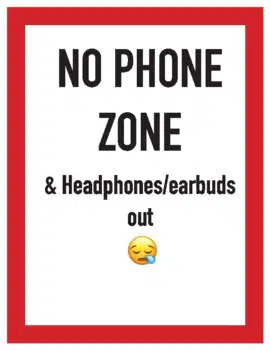
What is the main message of the sign in the image?
¿Cuál es el mensaje principal del cartel de la imagen?
Cell phones are allowed.
Se permiten teléfonos móviles.
Cell phones and earbuds are not permitted.
No se permiten teléfonos móviles ni auriculares.
Cell phones can be used in emergencies.
No se permiten teléfonos móviles ni auriculares.
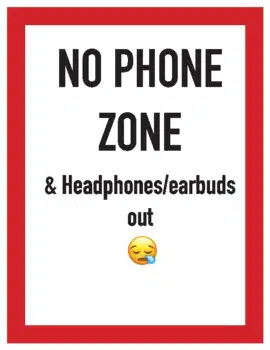
What additional action might be taken if you continue to violate the cell phone policy?
¿Qué medidas adicionales podrían tomarse si continúa violando la política de telefonía celular?
You will be given a detention.
Se le impondrá una detención
I will hold it and if severe a
Climate staff might be called.
Lo sostendré y si es severo Se podría llamar al personal climático.
You will be given extra homework.
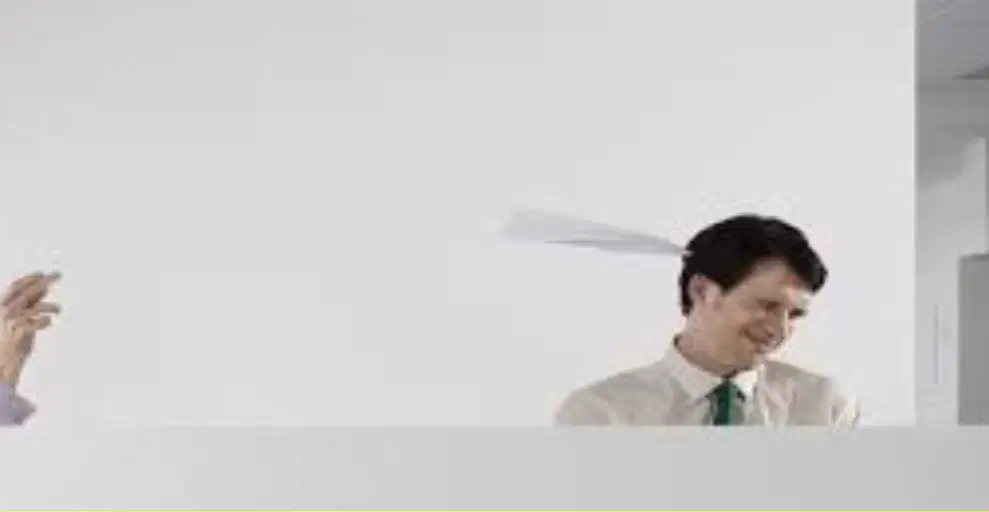
What is the main message conveyed by the image?
¿Cuál es el mensaje principal que transmite la imagen?
Encouraging teamwork
Fomentar el trabajo en equipo
No distracting others while they are physically working
Fomentar el trabajo en equipo
Importance of having fun at work
Importancia de divertirse en el trabajo.
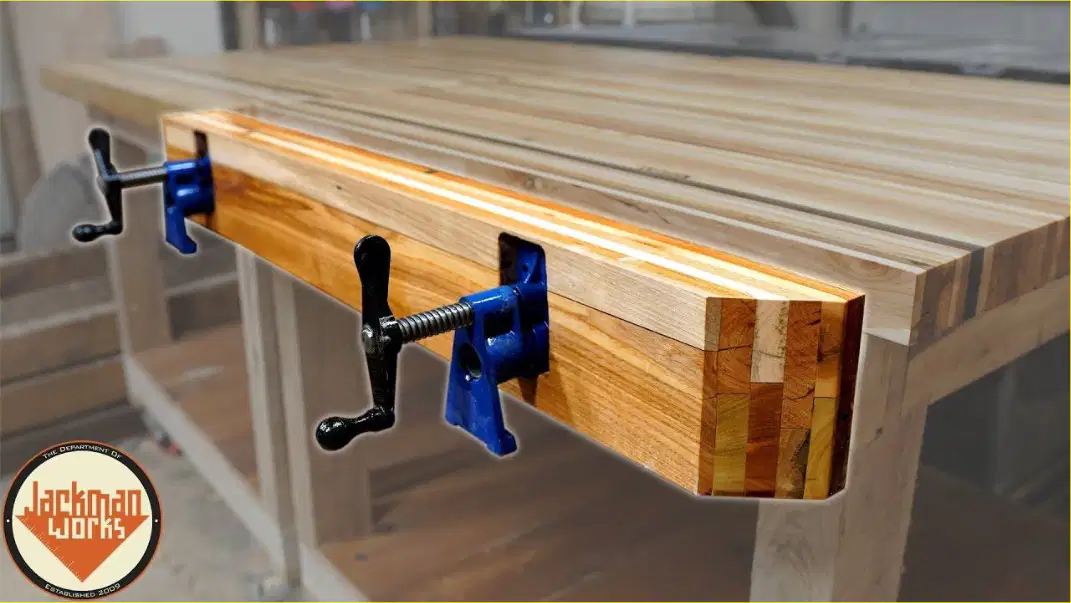
What tool is used to clamp items down as shown in the image?
Qué herramienta se utiliza para sujetar elementos como se muestra en la imagen?
Hammer
Vice
Pliers

When should a dust mask be used?
¿Cuándo se debe utilizar una mascarilla contra el polvo?
When it is dusty
cuando hay polvo
When it is raining
cuando esta lloviendo
When it is sunny
cuando hace sol
What must be passed to start working according to the image?
¿Qué hay que pasar para empezar a trabajar según la imagen?
A safety test
Una prueba de seguridad
A written exam
un examen escrito
An interview
una entrevista
What type of fire extinguishers are for electrical?
¿Qué tipo de extintores son para eléctricos?
Class A
Class B
Class C
What are the 3 items you need to start a fire?
¿Cuáles son los 3 elementos que necesitas para iniciar un incendio?
Fire, heat, oxygen
water, hear, fire
oxygen, paper and heat

Hoddies must be off of your head?
True
False

