
 Worksheets
Biology Mid MP 1 Quiz (Part 1 - 2024)
Total questions: 30
Worksheet time: 30mins
What does biology study?
study of matter and its properties
studies life and living organisms
study of the lands, features, inhabitants, and phenomena of the Earth
studies matter and its motion
What is the cell?
a group of individuals
complex of small units
system of organs
basic unit of life
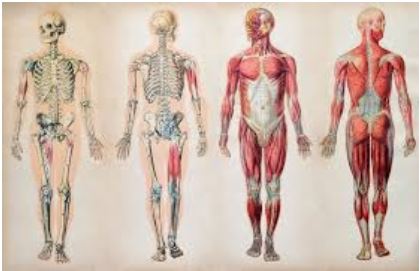
What is the study of the structure of living things
Anatomy
Embryology
Zoology
Physiology
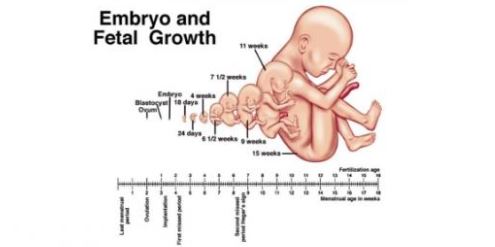
What is the study of embryo development?
Ecology
Icthiology
Microbiology
Embryology
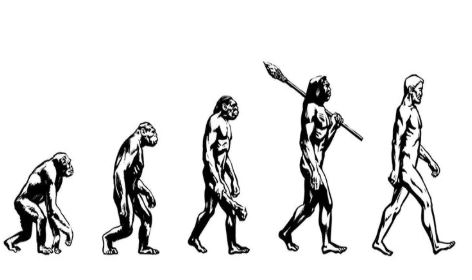
What do we call the study of changes of organisms over time?
Histology
Evolution
Microbiology
Taxonomy
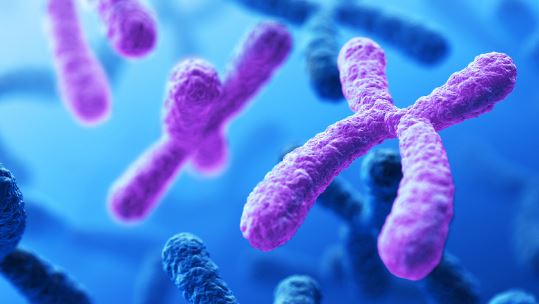
What is the study of heredity?
Microbiology
Genetics
Evolution
Anatomy
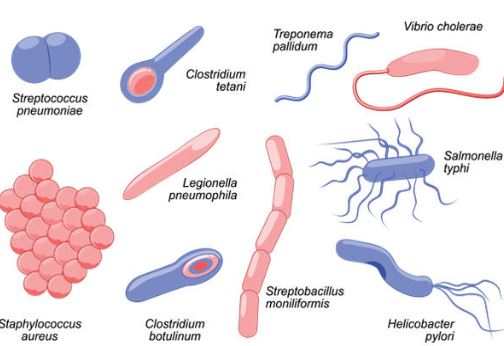
What is the study of bacteria?
Embryology
Physiology
Bacteriology
Zoology
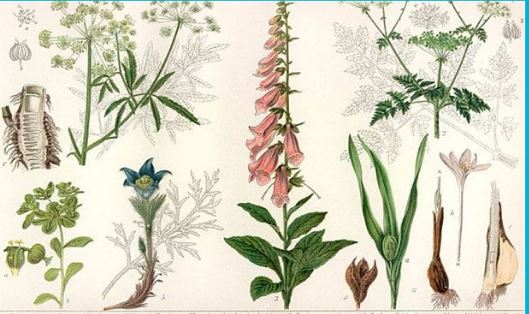
What is the study of plants?
Botany
Zoology
Ornithology
Oncology

What is the study of animals?
Herpetology
Ecology
Zoology
Genetics

The science of diagnosing, treating, and preventing illness, disease, and injury.
Nursing
Biology
Medicine
Pathology
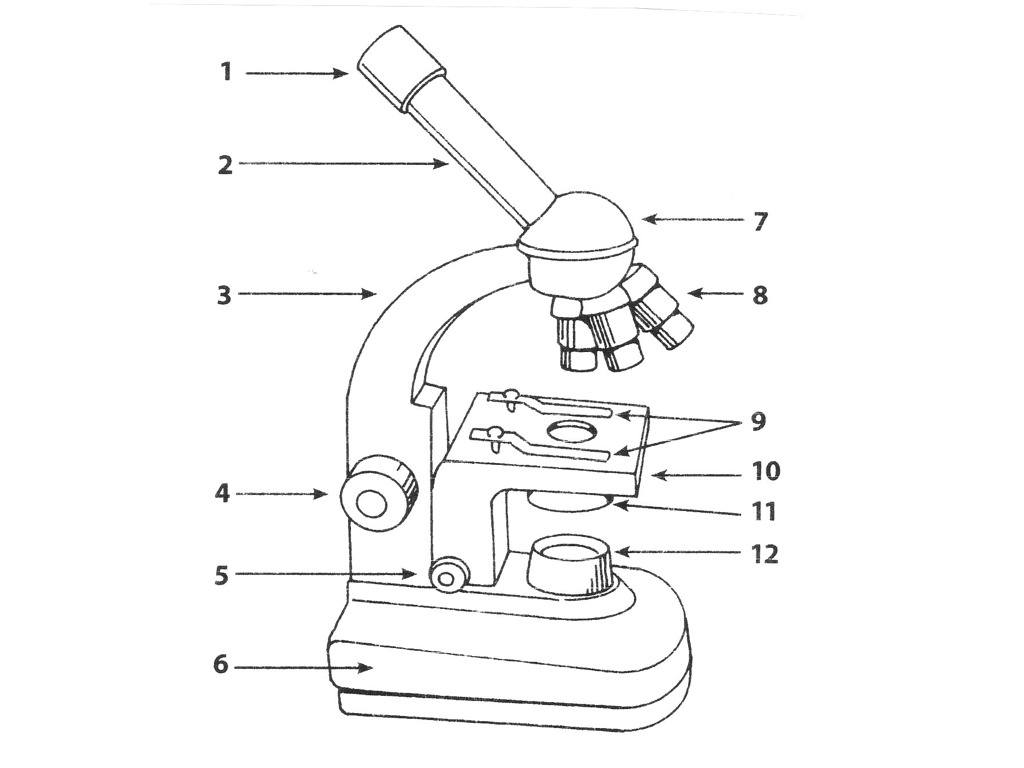
A microscope is an instrument that
makes faraway objects look closer.
makes small objects appear larger.
decreases the size of small objects.
increases the size of small objects.


If you move the slide to the left while viewing, in which direction will it appear to move?
right
left
up
down

If you move the slide downward while viewing, in which direction will it appear to move?
right
left
up
down

If the eyepiece of your microscope has a power of 10, and the selected objective lens has a power of 20, what is the total magnification?
20x
30x
200x
2000x


Cell Membrane
Keeps the cell separate from other cells and allows molecules to pass through; located on the outside of both animal and plant cells.
Is the organelle that makes plant cells green.
Keeps the cell separate from other cells, is located near the nucleus in animal and plant cells.
Nucleus
Keeps the cell separate from other plant and animal cells.
Controls all of the cell's activities. (Known as the boss or brain of the cell); is a circular shape that holds the DNA.
Is the powerhouse of the cell.
Cytoplasm
cleans waste out of the cell
Looks like macaroni noodles and transports materials through the cell. There are two types; smooth and rough.
Is a gell-like substance that lets materials move throughout the cell.
Mitochondria
Is known as the powerhouse of the cell or power outlet. This is where all the energy is created.
Shaped like small spheres. Make protein. Can be found in the cytoplasm or attached to rough E.R. look like small polka dots.
Storage containers that hold water, chemicals, or food for the cell. They are larger in plant cells and smaller in animal cells.
Lysosome
Cleans waste out of the cell
Storage containers that hold water, chemicals, or food for the cell. They are larger in plant cells and smaller in animal cells.
Keeps the cell separate from other cells and allows molecules to pass through; located on the outside of the animal and plant cell.

