
NEW
Font size
 Worksheets
Principles and Elements of Design Review
Total questions: 50
Worksheet time: 28mins
Which of the following is NOT a type of balance?
Symmetrical
Asymmetrical
Radial
Linear
What is the effect of using contrast in a work of art?
It creates visual interest.
It makes the design symmetrical.
It uses only one type of element.
It distributes weight equally.

What is the part of the image that captures the viewer’s attention called?
Scale
Repetition
Unity/Harmony
Emphasis/Focal Point

What is Unity/Harmony in a composition?
The connection between all the elements that creates a sense of completeness.
The part of the image that captures the viewer’s attention.
The use of several elements or different types of the same element within a work of art to create visual interest.
The equal visual distribution of the weight in a design.

In an image where the visual weight is distributed unevenly yet still achieves a balanced composition, what principle of design is being used?
Asymmetrical Balance
Symmetrical Balance
Radial Balance
Contrast

What term refers to the size of an object in relation to other objects or the relative size of parts to a whole?
Rhythm/Movement
Scale/Proportion
Balance
Contrast
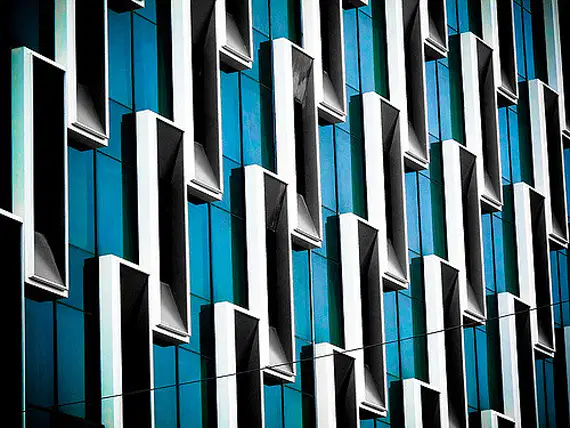
What is the repetition of two or more like elements in a recognizable order called?
Randomness
Contrast
Pattern
Background

What is repetition in a composition?
The use of different elements
The use of two or more like elements
The use of random elements
The use of contrasting elements
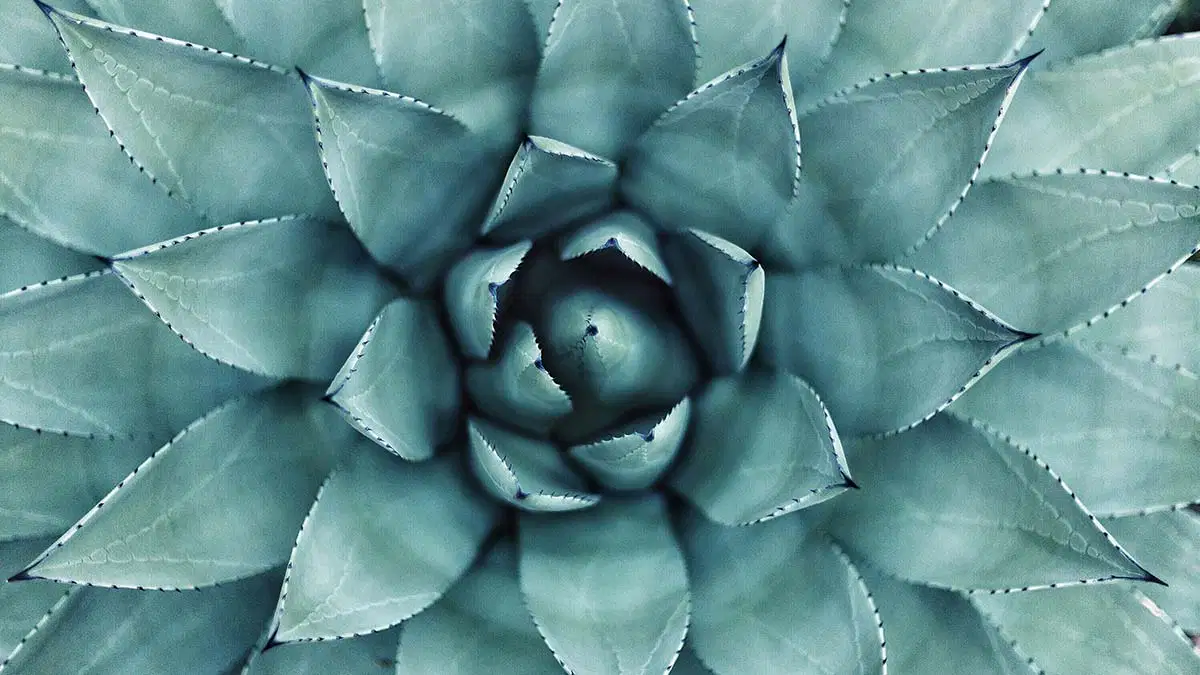
Which type of balance is achieved by arranging elements around a central point?
Symmetrical
Asymmetrical
Radial
Linear

Which of the following is a characteristic of variety?
Equal visual distribution of weight.
Use of several elements or different types of the same element.
Symmetrical arrangement of elements.
Use of only one type of element.
What is a self contained 2-dimensional defined area and can be geometric or organic?
Shape
Color
Size
Value
A mark with length and direction, created by connecting two points.
Rhythm
Line
Movement
Space
An element of design referring to the way the elements are arranged to create a feeling of stability in a work. (equal visual weight)
Balance
Space
Form
Emphasis
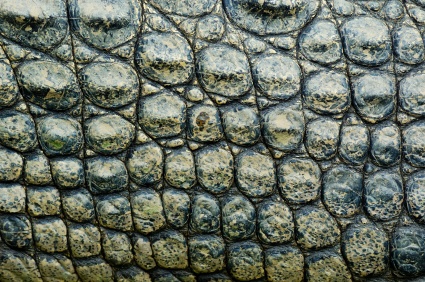
The ____________ surface characteristics of a work of art that are either felt or perceived visually.
Line
Form
Texture
Color
The volume and shape of a three-dimensional work, or an image that gives the illusion of being three dimensional.
Line
Form
Texture
Color
A feeling of equality in weight, attention, or attraction of the various elements within a composition as a means of accomplishing unity.
Balance
Symmetrical Balance
Asymmetrical Balance
Proportion
This can be described as having equal "weight" on equal sides of a centrally placed axis.
Balance
Symmetrical Balance
Asymmetrical Balance
Proportion

This is an example of
balance
line
shape
form
texture

This is an example of
balance
line
shape
form
texture

This is an example of
balance
line
shape
form
texture

This is an example of
balance
line
shape
form
texture

This is an example of
balance
line
shape
form
texture
Which of these is a representation of a shape?


Which image is not a good representation of texture?


What is an element in art that gives a sense of 3-dimensionality or depth (Shape + value = ???)
color
value
form
line
An design element that refers to the lightness and darkness of a color.
hue
value
movement
intensity
A mark created by a path of a moving point.
line
value
contrast
form
Element of art produced when a wavelength of light reflects a hue.
primary
secondary
teriary
color
Area in a work of art that catches and holds the viewers attention also called focal point.
space
unity
emphasis
balance
The relation of one object to another in size, amount, and or number.
variety
monochromatic
proportion
triad
The use of different lines shapes, textures,colors and other elements of design to create interest in a work of art.
variety
emphasis
space
value
How many types of balance are there?
1
2
3
4
Which type of balance is when you have different objects on either side of a center point BUT they visually look equal?
Radial
Equillibrium
Asymmetrical
Symmetrical
Which balance is circular around a center point?
Radial
Asymmetrical
Symmetrical
Balance
Which type of rhythm is when there are duplicating patterns, colors, shapes, or textures in a room?
Gradation
Repetition
Opposition
Transition
Variety is useful because.....
It keeps your design the same.
It keeps your design from being boring.
It allows the creator more freedom to put what they want
It gives an excuse to throw your design off with different elements.
White/Negative space is a good way to show what other principle?
Color
Pattern
Emphasis
Value
Repetition is best shown as a ____.
Sticker
Drawing
Pattern


The focal point of the design which captures the viewer's attention.
Balance
Repetition
Emphasis
Unity
The repeating visual elements in a piece of art.
Unity
Repetition
Variety
Movement
The size of an object in relation to the size of another object.
Unity
Repetition
Scale
Balance

