
 Worksheets
World Geography: Units 1 & 2 Test
Total questions: 50
Worksheet time: 4hrs 6mins
What is the purpose of a pagoda in Asian culture?
home
holiday
government
religious
In which country does a significant conflict between Catholics and Protestants occur?
Germany
Northern Ireland
France
United States
Which technological innovation has allowed many people to live in the suburbs instead of cities?
automobiles
airplanes
bicycles
air conditioning
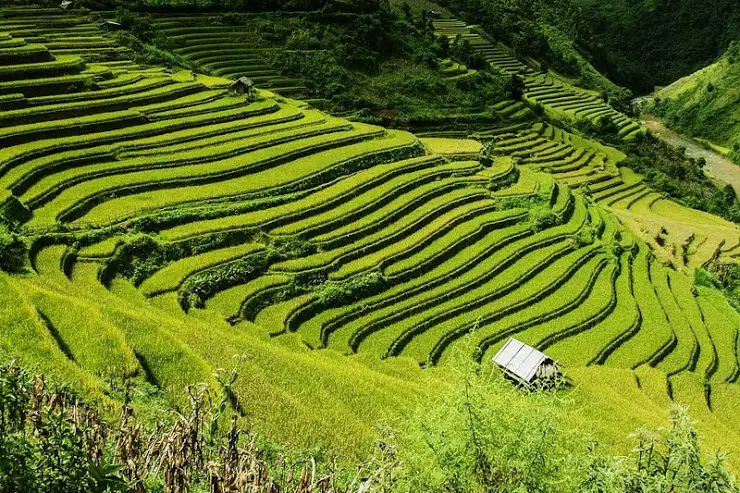
What type of farming is depicted in this photo?
desertification
deforestation
terrace
polder
The Black Forest in Germany has damage to trees, plants, and other wildlife from factories nearby. This type of pollution is called __________.
the ozone layer
mercury poisoning
the greenhouse effect
acid rain
Which climate best characterizes the high latitudes?
Tropical
Subarctic
Humid Continental
Temperate
Where do people live that they need to be more concerned about hurricanes?
areas of high elevation
cold areas
coastal areas
desert regions
What is the name of the area known for volcanic activity and earthquakes?
Rim of Fire
Range Fires
Rings of Flames
Ring of Fire
Which climate zone can be found at any latitude?
Marine West Coast
Ice Cap
Arid
Humid Continental
Climate is the weather an area has ____________________.
over a longer period of time
for just today
for tomorrow
that is bad
Where do monsoons occur?
Atlantic Ocean
Europe
Canada
Southeast Asia
One of the largest habitats left in the world is being jeopardized by deforestation. Individuals, as well as big corporations, are always in search of new land. Valuable minerals, raw materials, and large farms are being created at an alarming rate. Where is this occurring?
Norway
Netherlands
Canada
Brazil
Hurricanes generally occur in the __________.
Arctic Ocean
Pacific Ocean
Atlantic Ocean
Indian Ocean
In which religion has there been a history of conflict between the Sunnis and the Shi'a due to differences in their fundamental beliefs?
Buddhism
Islam
Judaism
Hinduism
Which region best fits this description? A forest region with a heavy concentration of different species of broadleaf trees.
Taiga
Great Plans
Rainforest
Sahara
Which energy source is extremely dangerous?
wind
steam
coal
nuclear
Diverting water from a source for the use of farming is called __________.
terracing
polders
irrigation
evaporation
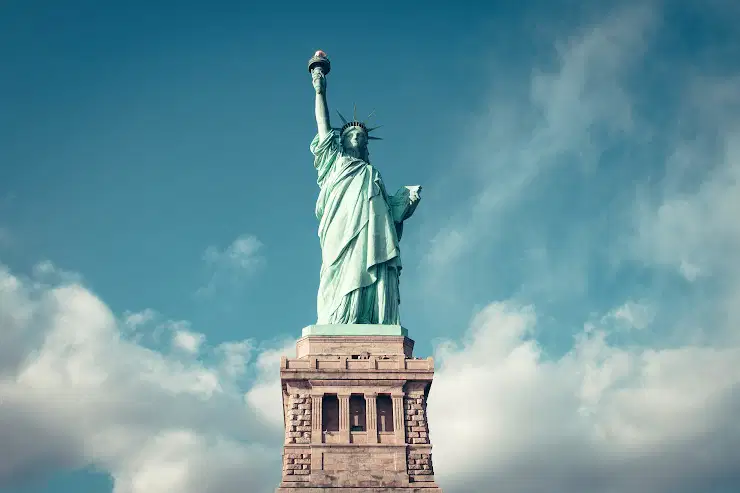
This monument is a patriotic symbol located in __________.
Washington State
Washington, D.C.
New York City
London
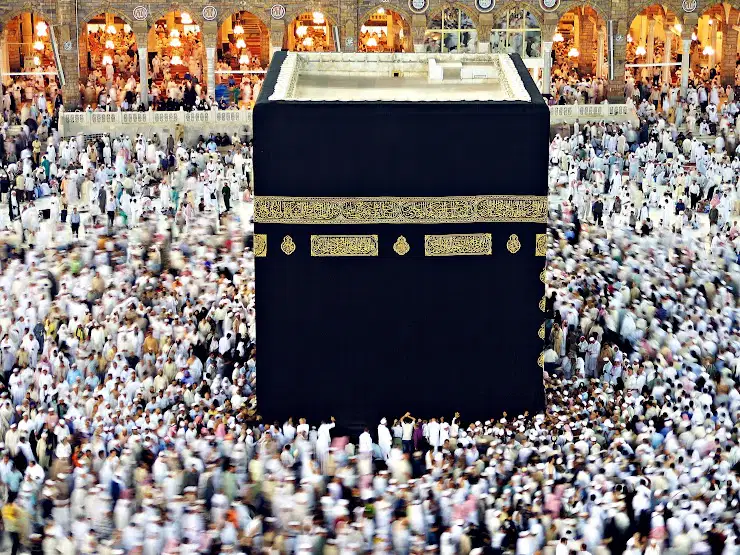
What is this a picture of?
Koran
Kaaba
Taj Mahal
Kremlin
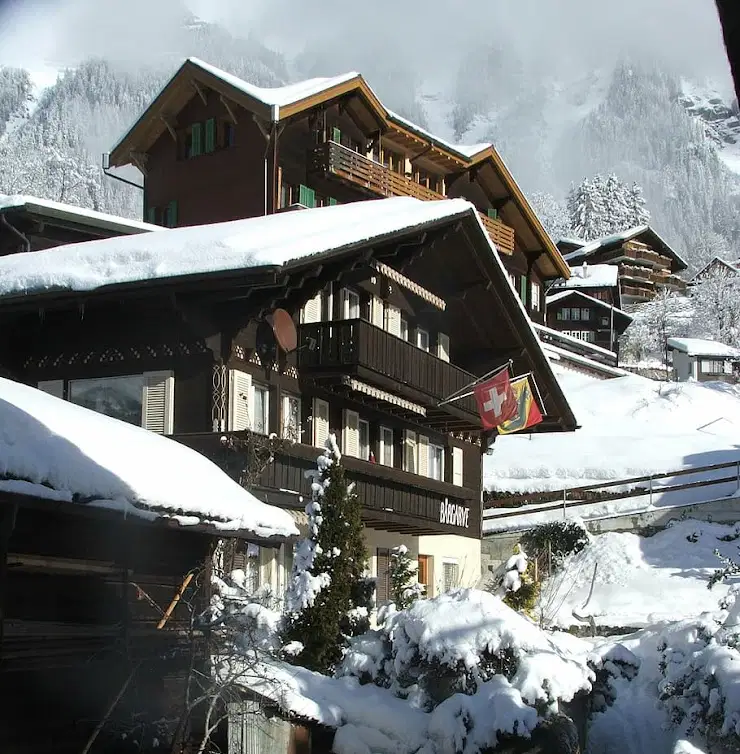
Where would you find one of these dwellings?
Greece
Swizerland
Asia
Pacific Islands
Seismic monitoring provides a way of minimizing the impact of which of the following natural hazards?
tornadoes
earthquakes
hurricanes
tsunamis
Which of these would NOT be considered a pull factor?
overpopulation
religious freedom
arable land
economic opportunity
If a country has a high percentage of infant mortality rates and a low percentage of birth rates, what will most likely happen to the human population?
The population will steadily increase.
The population will stay the same.
The population will quickly decrease.
What does GDP stand for?
(a)
Depending on location and/or the ethnic identity of people, the name of a place can vary. One example would be the East Sea, also known as the __________.
Sea of Japan
Sea of Korea
Sea of China
Sea of Brazil
This is the name of the island group off the east coast of mainland China, also known as Taiwan.
Farland
Formosa
Pangea
Iceland
What does GIS stand for?
Graphic Island System
Geographic Information Systems
Geographic Inland Spacing
Geo Island System
This is a disputed area where conflict took place between Pakistan and India over the land territory?
Korea
Japan
Yugoslavia
Kashmir
This climate is found south of the Arctic Circle and has frozen subsoil called permafrost -
Tundra
Ice Cap
Subarctic
Temperate
A vent through the earth in which magma erupts, often found in the Ring of Fire -
lava
volcano
valley
earthquake
A dam is a man-made structure built to prevent flooding and for hydroelectric power. One example is the __________ Dam in Egypt.
Hoover
Panama
Aswan High
Three Gorges

Which factor explains the change in land area along the coast of the Netherlands?
construction of polders
building of terraces
lava from undersea volcanoes
soil deposited by ocean currents
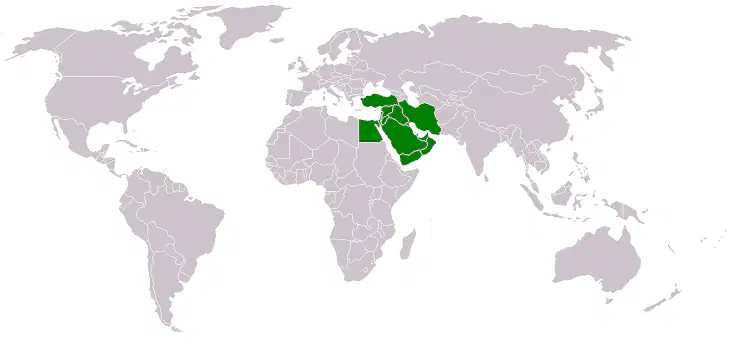
This area of the world is referred to as the __________.
Middle East
Rust Belt
Sun Belt
Far East
The Pilgrimage called the Hajj calls for Muslims to travel from Medina to __________.
Mecca
Bethlehem
Islam
Jerusalem
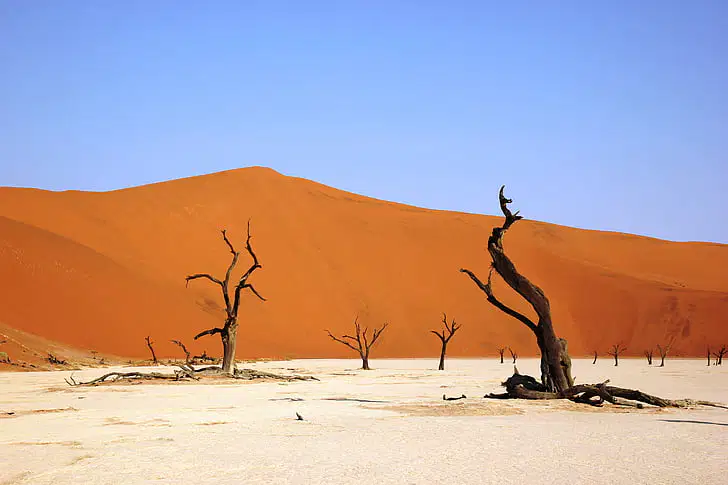
There are many different types of regions in the world. One region is extremely harsh and very difficult to live in. The photograph depicts what regions?
Taiga
Rainforest
Humid Subtropical
Sahara

Throughout history, cultures have celebrated their accomplishments and beliefs though architecture and art. Above is a picture of the __________.
Taj Mahal
Kremlin
Pagoda
Dome of the Rock
Houses in what region are called yurts?
Central or Southeast Asia
Mediterranean
South America
South Africa
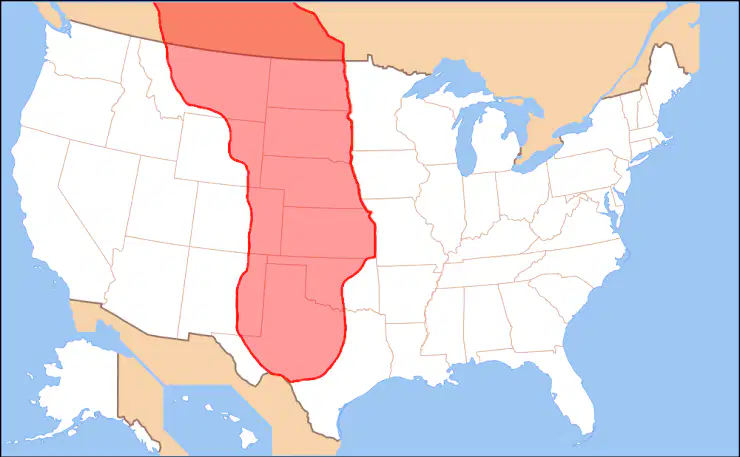
Which region of the United States is shown in red?
Great Plans
Rust Belt
Sahara
Sun Belt

The type of dwelling in this picture would be located in the __________.
Alps
Mediterranean
Pacific Islands
Switzerland
People who worship in Mosques are __________.
Islamic
Jewish
Cathlic
Hindu
What architectural wonder is part of the Russian government buildings and is often confused with St. Basil's Cathedral?
Taj Mahal
Kremlin
Tower of London
Dome of the Rock
Which of the following is a cultural characteristic that would link or divide countries?
vegetation
language
climate
temperature
Which city do Christians, Jews, and Muslims claim as their religious heritage site?
Bethlehem
Mecca
Jerusalem
Medina
Besides Switzerland, what country has many different ethnic cultures?
Germany
Korea
China
United States
Which of the following does NOT influence growth rates?
urbanization
education
hygiene
weather
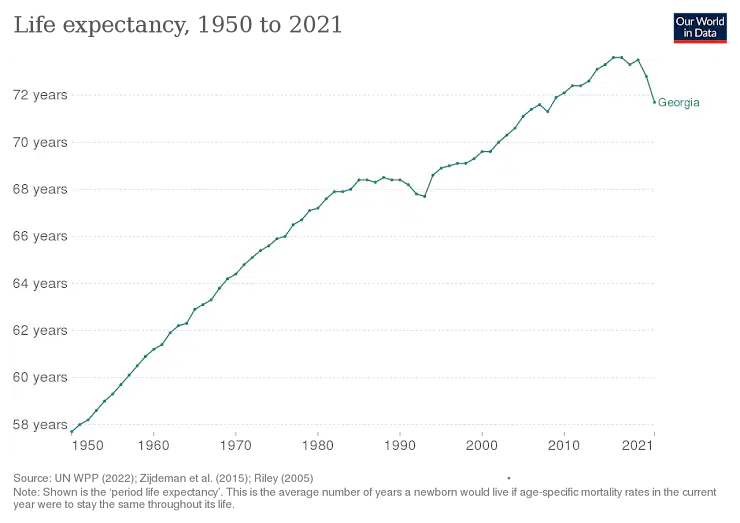
Which of the following statements best supports the graph?
Policies restricting the number of children have increased.
The infant mortality rate has increased in many regions.
Access to modern medicine has increased in many regions.
War and disease have increased death rates in industrialized countries.
All of the following are demographic factors used in determining the total population of a country EXCEPT __________.
marriage rate
death rate
immigration
birth rate
Gross Domestic Product is a measure of a population's
religion
language
climate
wealth
Irrigation is used by farmers to grow crops on land that would otherwise not be usable. This process explains how __________.
mankind has survived throughout the ages
technology affects one's ability to modify the environment and adapt to it
land can be reclaimed from the sea
humans are affected by the environment changing
Which ethnic group did NOT make up a large percentage of the people in the former Yugoslavia?
Greeks
Serbs
Croats
Bosnians

