
 Worksheets
Year 7 Biology Terms - Ecology
Total questions: 20
Worksheet time: 10mins

All living things or organisms in an ecosystem are
None
biotic factors
abiotic factors

Is a rock considered abiotic or biotic?
Abiotic
biotic
neither
What is the difference between the biotic and abiotic factors?
Biotic factors are living things and abiotic factors are nonliving things.
Biotic factors are nonliving things and abiotic factors are living things.
Which is an example of a biotic factor in the environment?
The climate in the region
Carnivores that consume other animals
Amount of helium gas in the air
Flow of water in a river
Adaptations are best described as
features or characteristics of animals that allow them to survive or live in their ecosystems
features of organisms that give them the ability to survive and reproduce in their ecosystems
characteristics of plants that allow them to store food for when there is less light or water
feeding relationships
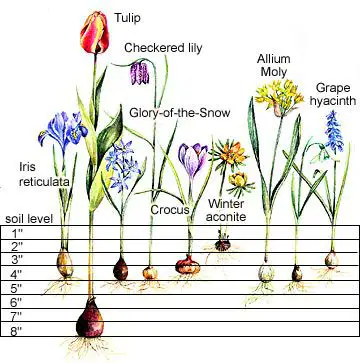
Which part of these plants is an adaptation that stores food for the plant?
Bulb
Leaves
Stem
Flower
A desert is biome that can have extremely harsh living conditions. Which adaptations do animals need to survive in this type of environments.
animals burrow deep in the ground during the day
water is stored in fatty tissues in the body
animals add fur to keep their body temperatures steady
many animals are nocturnal which helps them to avoid sunlight
A relationship between two species in which at least one benefits and the other is NOT killed and eaten is called ______________.
Speciation
Antagonism
Partnership
Symbiosis
Mutualism is when
both organisms benefit from the relationship
only one organism benefits and the other is harmed
one organism benefits and the other is not affected
Commensalism is when
both organisms benefit from the relationship
when one organism benefits and the other is not affected
only one organism benefits while the other is hurt by the relationship
is when one is helped and the other is eaten
Parasitism is when
one organism benefits and the other is not affected
only one organism benefits and the other is harmed
both benefit both organisms benefit from the relationship
Symbiosis means
A relationship is formed between two organisms
A relationship is formed between two species and at least one of them benefits
a feeding relationship in which one organism/species eats another
organisms exist together in an ecosystem
True of False?
An example of COMPETITION occurs when both wolves and bears hunt the same prey in their habitats. If the bears consume all the prey in the area, the number of wolves will decrease and the habitat will be imbalanced.
True
False
What is parasitism?
A close, long lasting relationship when both organisms/species benefit
A one-sided relationship where one of the organisms/species benefits greatly and the other is not helped nor harmed or damaged.
One organism/species benefits from the relationship at the expense of the other.
_______ occurs when two organisms are trying to acquire or get the same resources.
Symbiosis
Competition
Predation
Collaboration
A lion kills and eats a zebra. This is an example of
Symbiosis
Competition
Predation

Mutualism, commensalism and parasitism are:
ways organisms interact with each other
biological controls used to contain introduced species
processes used by plants in photosynthesis
causes of extinction of species
Adaptations help plants to .... choose two sentence endings
Take in oxygen and carbon dioxide.
Move from place to place.
Capture light.
See in the dim light.
What is a habitat?
A way an animal behaves.
A group of the same animals living together.
A specific place where an animal naturally lives.
When an animal lives in a place that is not their home eg. a zoo
The process by which plants make their own energy is called
Photosyntheses
Photosynthesis
Fotosynthesis
Photosinthesis

