
Font size
 Worksheets
Microscope & Cell Review
Total questions: 19
Worksheet time: 19mins
Instead of light, a TEM and SEM utilize ____________ to create an image
a colored pencil
neutrons
protons
electrons

This image shows the detailed structure of the tiny mitochondria organelle. Which microscope most likely took this image with a magnification of up to 2 million times?
Compound Light Microscope
Scanning Electron Microscope
Dissecting Microscope
Transmission Electron Microscope
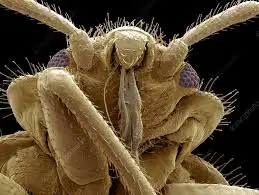
Compound Light Microscope
Scanning Electron Microscope
Dissecting Microscope
Transmission Electron Microscope
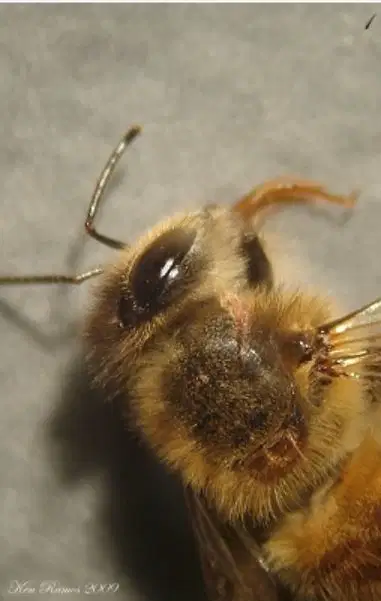
Which microscope can you use on living or dead specimens to see external structures at up to 100X?
Compound Light Microscope
Transmission Electron Microscope
Dissecting Microscope
Scanning Electron Microscope

Which type of microscope would you use to see the inside and outside of a paramecium at 1000X magnification?
Compound Light Microscope
Scanning Electron Microscope
Dissecting Microscope
Transmission Electron Microscope
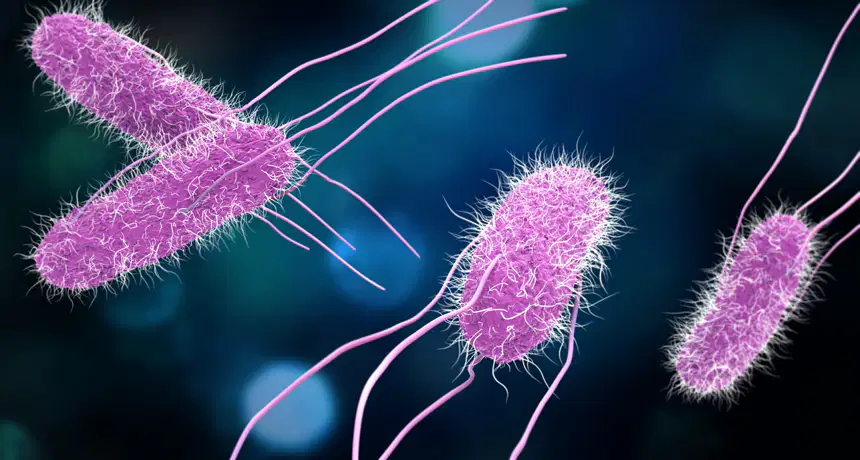
Which type of cell has no nucleus and no membrane bound organelles?
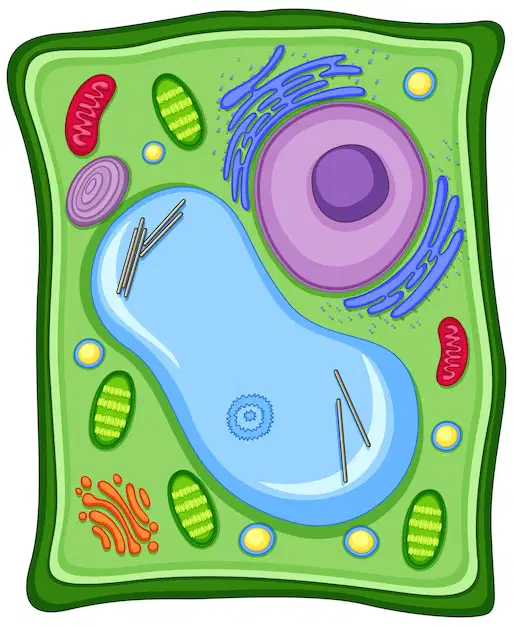
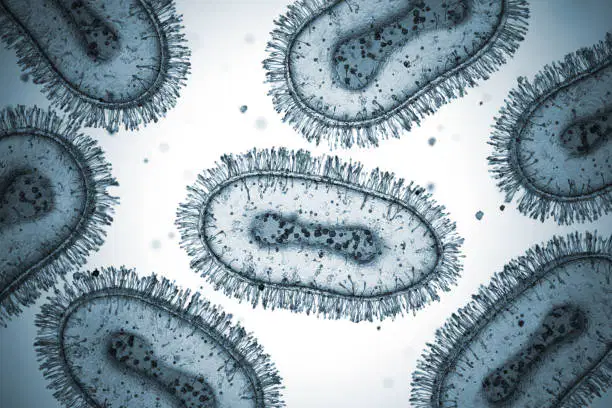
Which type of cell is this?
All cells contain
(check all that apply)
DNA
Cytoplasm
Ribosomes
Cell Membrane
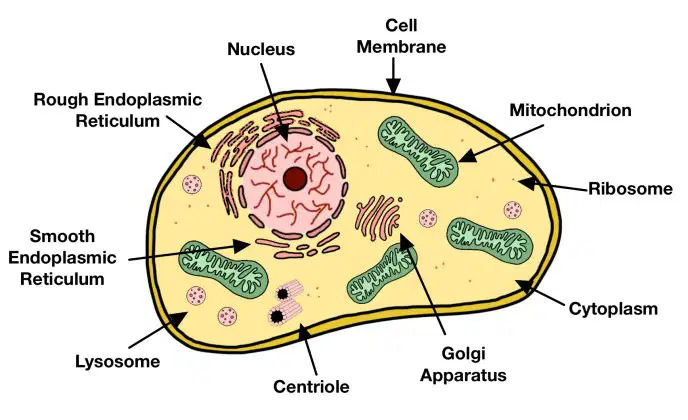
Eukaryotic cells
(check all that apply)
Complex
Unicellular or Multicellular
DNA found in nucleus
Has membrane bound organelles
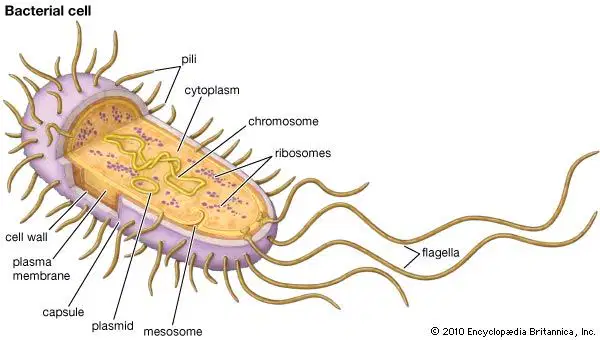


Which of the following is a characteristic of both eukaryotic and prokaryotic cells?
contains ribosomes
contains a nucleus
contains several membrane bound organelles
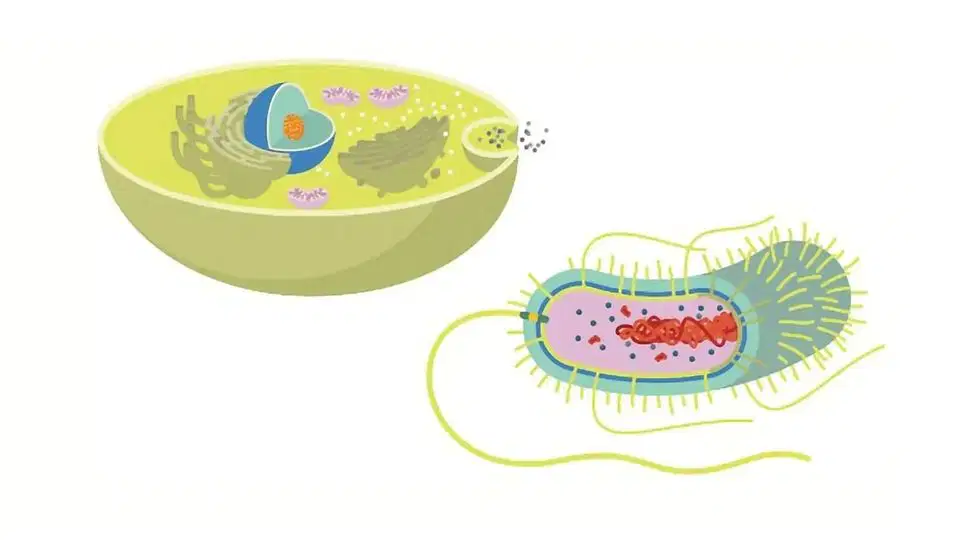
Prokaryotes are?
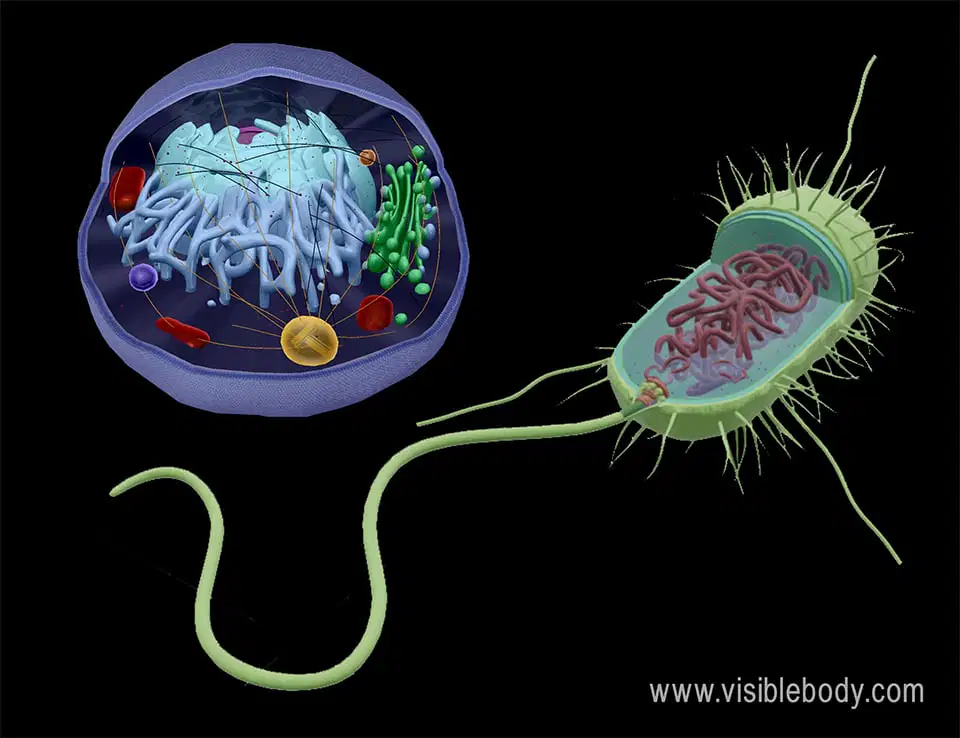
Which of the following distinguishes prokaryotic and eukaryotic cells?
The presence of a nucleus
The presence of ribosomes
The presence of a cell wall
The presence of genetic material
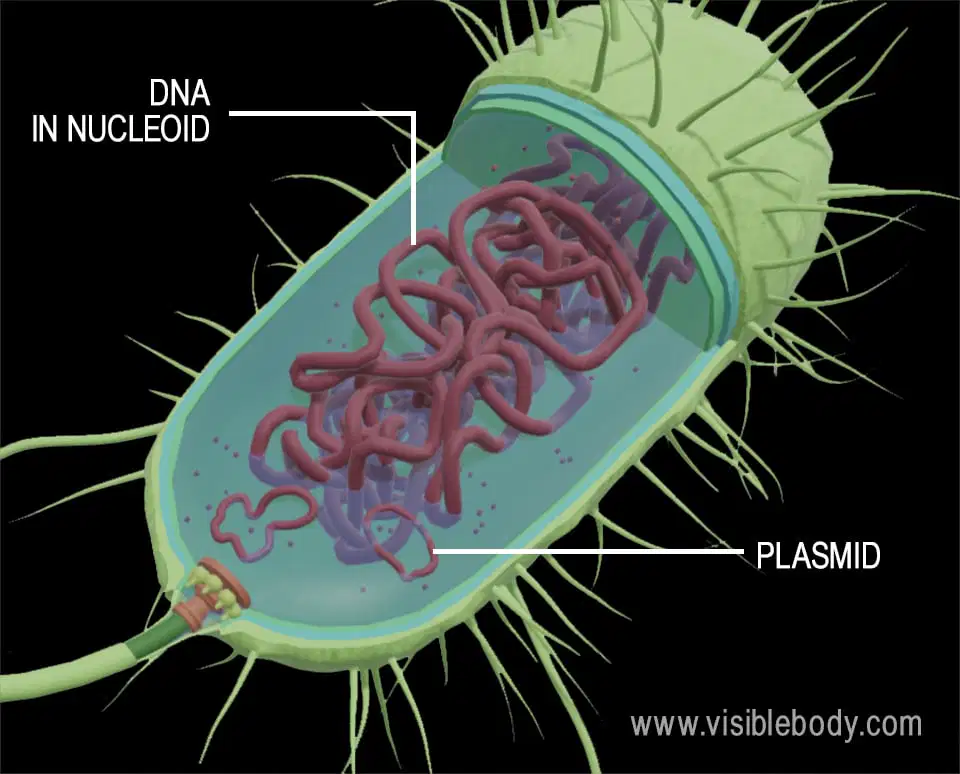
Which of the following best describes prokaryotic DNA?
Prokaryotes have plasmid DNA that is floating in the cytoplasm.
Prokaryotes have plasmid DNA contained within a nucleus
Prokaryotes have linear DNA that is floating in the cytoplasm.
Prokaryotes have linear DNA contained within a nucleus

